

 by
by A Nancy Meyers guest room makeover can feel warm and lived-in without a full renovation. I had one spare room, a tight budget, and a deadline before family arrived, so I worked with the awkward layout instead of fighting it. The result felt calmer, brighter, and far more welcoming. My guests noticed before they noticed the new bedding!
Here's what it looked like before
The room started with the full starter-home package: pale beige walls, a bulky bed pushed against one side, one overhead fixture, and curtains that stopped several inches above the floor. The queen bed measured 60x80 inches, leaving enough space to move around it, but the layout made the room feel narrower than it was.
The starting point mattered because you need to understand the room before judging the changes. Your room might have the same problem, especially if your furniture is technically the right size but visually heavy.
The fix wasn't a new room. It was a better sequence of decisions.
- Center the bed around a calm guest bedroom interior
- Paint Benjamin Moore Pale Oak for a quieter backdrop
- Build the Three-Height Light Stack
- Layer washed-linen bedding instead of matching everything
- Choose the Two-Wood Rule for cottage homes
- How can curtains make the dream house rooms feel taller?
- The Guest-Ready Landing Zone
- Frame the reading chair with a warm corner
- What makes a wool rug extend past the bed?
- Mix old frames with one modern print
- Farrow & Ball Setting Plaster in small doses
- Swap overhead glare for the Three-Source Rule
- Style the dresser with restraint for a cozy house
1Center the bed around a calm guest bedroom interior
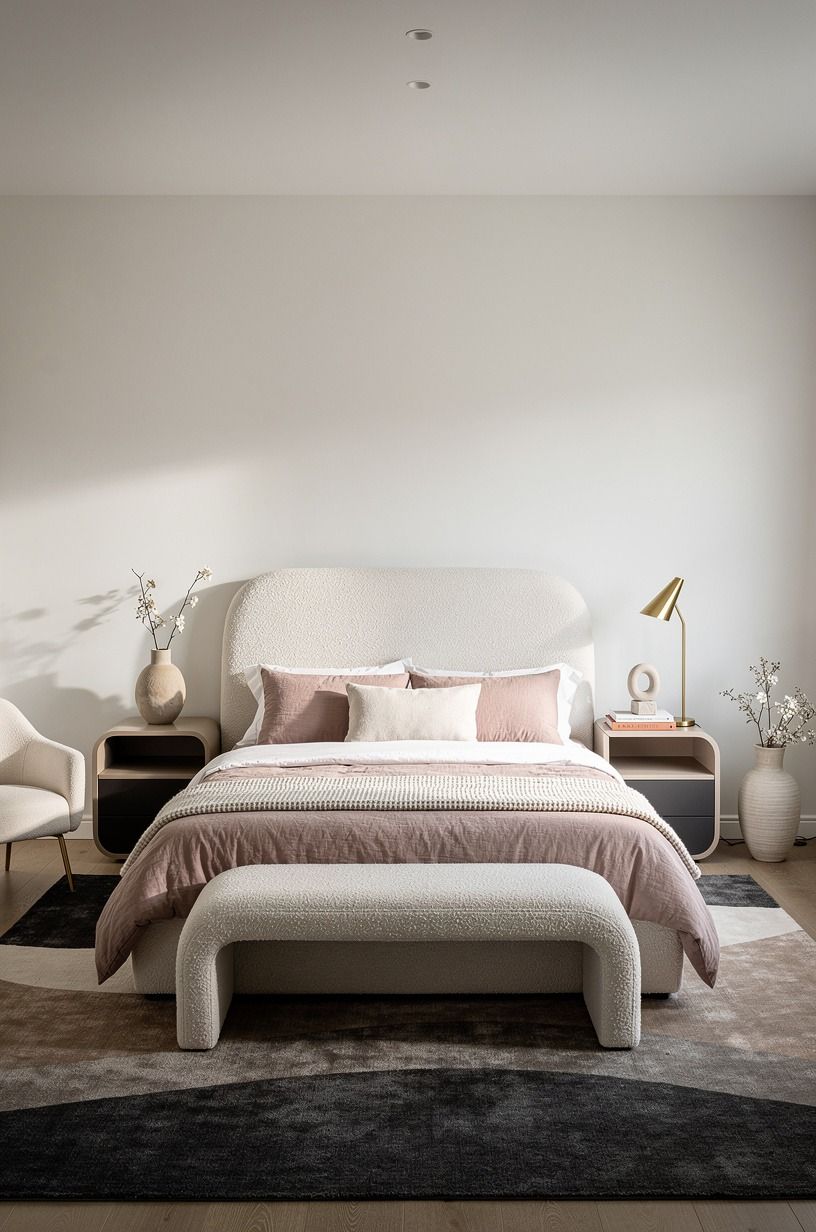
I started with the bed because every other choice depended on it. A queen bed takes 60x80 inches, and centering that footprint gave each side enough breathing room for a small nightstand. I chose a simple dusty-rose organic bouclé headboard with a low profile, because an oversized button-tufted style would have made the ceiling feel lower.
The first night I moved everything, the room looked worse before it looked better. That happens. Your eye needs time to adjust when a bed leaves its familiar corner.
I kept the headboard on the longest uninterrupted wall and left the window visible from the doorway, which made the room feel more open.
For the bedding, I used washed linen in dusty rose with a folded charcoal cotton matelassé coverlet at the foot. The texture catches morning light without looking glossy, while a few small brass details keep the palette from feeling flat. And if you're working with a king bed, remember that the footprint is 76x80 inches, so you'll want to measure the walking clearance before you buy anything.
A centered bed also gives you a more gracious arrival. When someone opens the door, the room reads as balanced immediately. That small shift made the whole guest bedroom feel polished, restful, and surprisingly inviting.
2Paint Benjamin Moore Pale Oak for a quieter backdrop
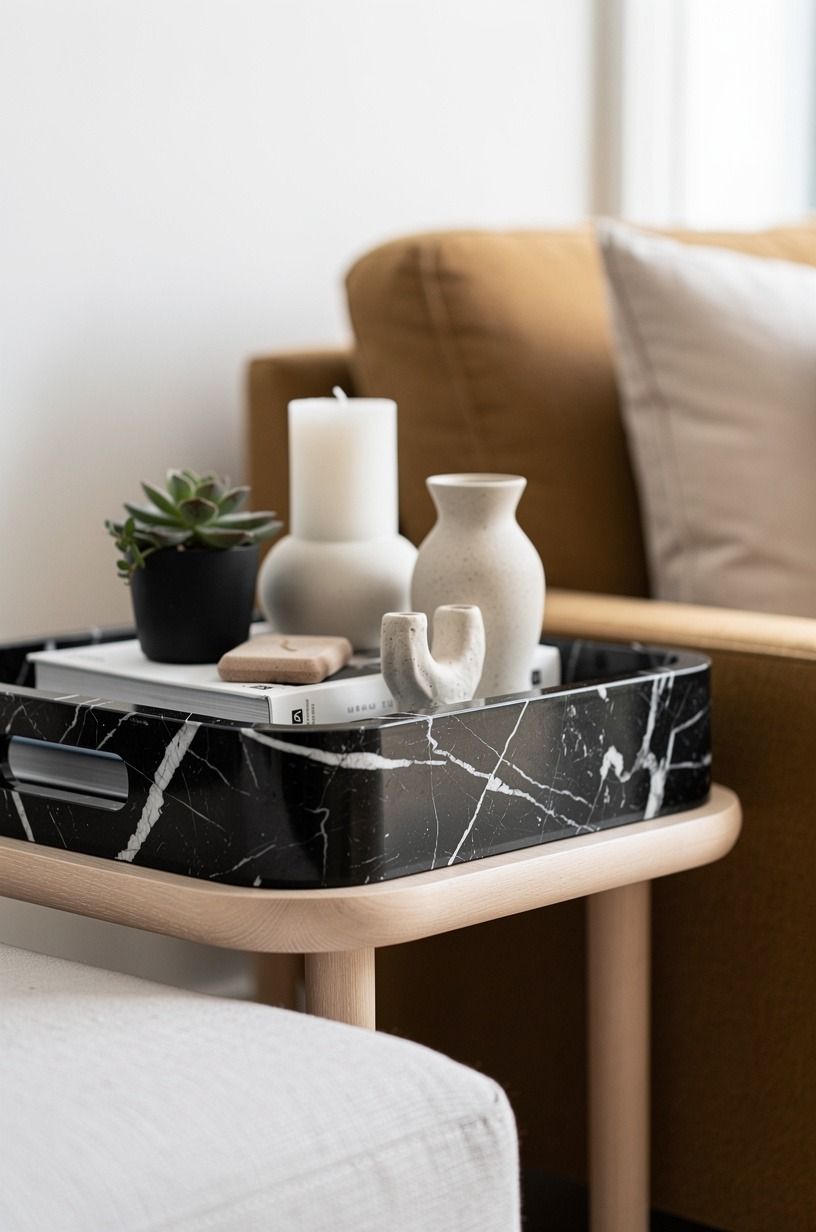
I tested Benjamin Moore Pale Oak OC-20 beside the trim before committing. In this room, it softened the beige without turning gray, and the warm white changed gently as the afternoon light moved across the wall. That change mattered more than a dramatic shade would have.
Your paint needs to support the room, not compete with the bed. I rejected a dark green sample because it looked rich at noon but muddy after sunset. Benjamin Moore Pale Oak gave me the warm, peaceful base I wanted, while Nero Marquina black marble on a small bedside tray introduced a clean black accent with quiet white veining.
I made the mistake of judging the color from one tiny sample card. Don't do that.
Paint a larger patch near the window and another behind the bed, then live with both for a day. If you're drawn to a creamier look, Farrow & Ball Setting Plaster No. 231 is a stronger choice, but I'd skip it in a dim room because its pink undertone can become obvious.
The finished backdrop felt soft, luminous, and quietly elegant. It made the pale bedding look fresher and gave the camel textile and black marble accents somewhere handsome to land.
3Build the Three-Height Light Stack
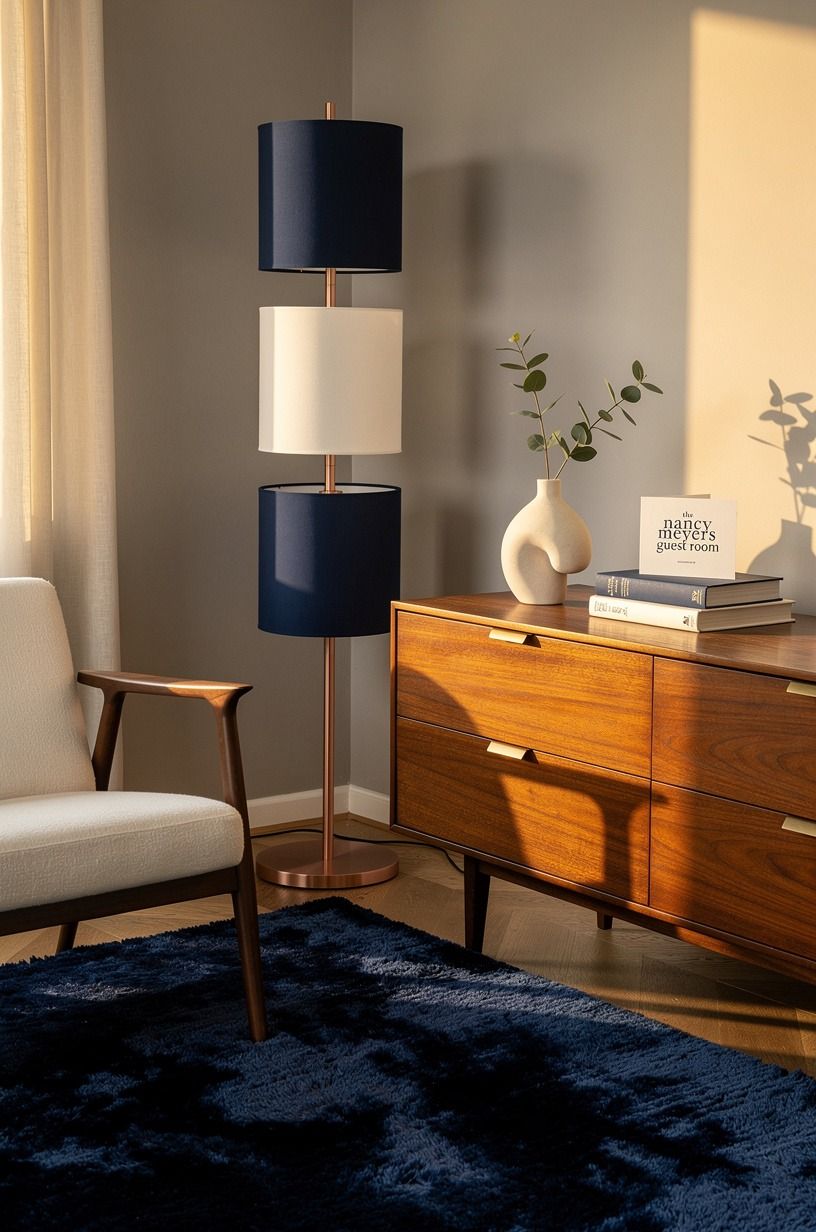
The room had one ceiling light, and it was doing far too much work. I built the Three-Height Light Stack with a ceiling fixture, two bedside lamps, and a low glow near the floor. That gave your eye three places to rest instead of one harsh pool of light overhead.
For the nightstands, I chose midnight-blue deep-pile mohair velvet on the reading chair, ivory linen shades, and warm copper lamp details. The shade edges landed slightly below eye level when I was sitting in bed, which kept the light soft. A small copper floor lamp near the chair added another layer without taking up much floor space.
You don't need to rewire the room for this effect. A plug-in sconce or a lamp on a timer can do the job, and your guest won't have to search for a switch in the dark.
But I wouldn't use cool white bulbs here. They made the room look like a hallway, and nobody wants a hallway feeling at bedtime.
That layered glow was one of the most transformative changes. The space became intimate, flattering, and genuinely restful after sunset. It also made the room feel more expensive without requiring a major purchase.
4Layer washed-linen bedding instead of matching everything
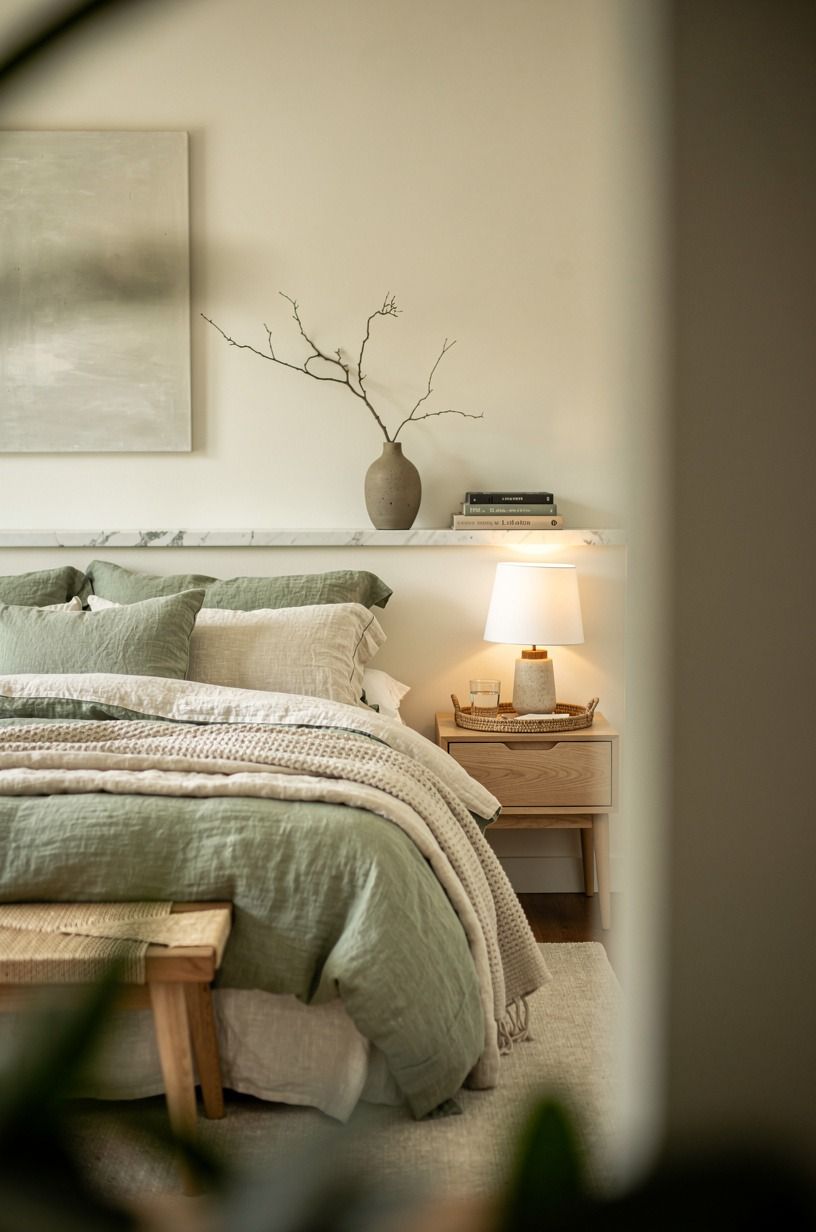
The bed looked too staged when every piece came from the same set. I replaced that matching effect with sage-green washed-linen sheets, a warm cream duvet, and two oversized sleeping pillows in a slightly warmer ivory. The fabrics weren't identical, but they belonged to the same quiet family.
This is where you can make the room feel personal without making it busy. Your guest sees the folded blanket first, then notices the weight of the duvet when they sit down. I used a Carrara marble tray on the natural wood nightstand and a 600gsm Turkish cotton throw at the foot because it feels substantial without looking bulky.
A perfectly crisp bed wasn't my goal. I wanted the gentle rumple that says someone can sleep here comfortably. And if you're shopping second-hand, prioritize the insert before the cover.
A thin, lumpy insert makes even expensive linen feel disappointing, while a good insert gives your bedding that relaxed hotel weight.
I also kept the palette restrained: sage green, warm cream, and natural wood. The result was tactile, relaxed, and wonderfully cozy without looking sleepy or overly decorated.

5Choose the Two-Wood Rule for cottage homes
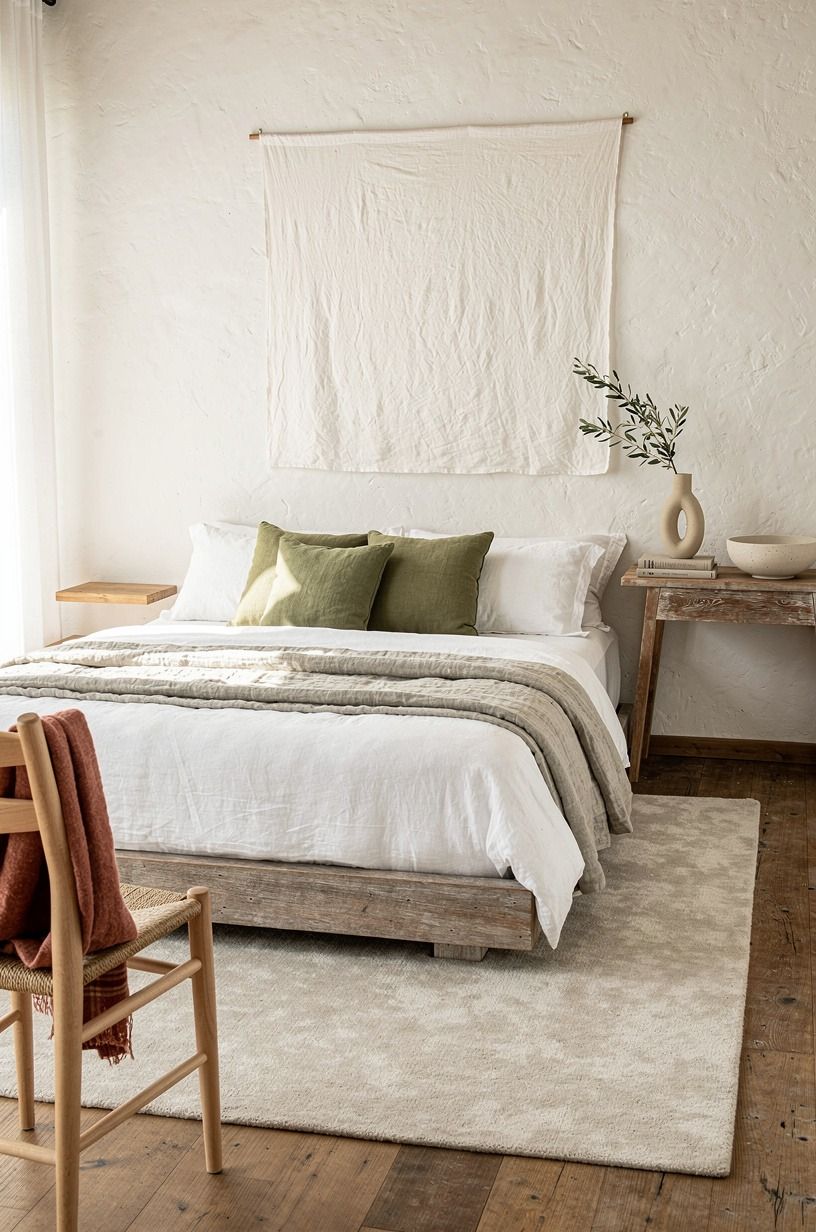
The room had too many unrelated wood tones, so I limited the palette to the Two-Wood Rule: one pale wood for the main furniture and one deeper tone for accents. I kept the reclaimed weathered teak nightstands and added an olive-toned wood mirror with a small terracotta frame detail.
That decision gave the room structure without making it feel decorated by committee. Your eye can handle contrast, but it gets tired when every surface introduces a new finish. The weathered teak brought warmth, while the stone accessories and olive accents kept the room from looking too polished.
I considered a black dresser, but I rejected it. Black would have looked sharper, yet it would have pulled attention away from the bed and made the guest room feel more formal. If you're furnishing a small room, choose the lighter wood for the largest piece and reserve the darker finish for frames, trays, or one chair.
The two-wood palette felt natural, warm, and quietly sophisticated. It gave the room that collected quality I wanted without making it look themed.
6How can curtains make the dream house rooms feel taller?
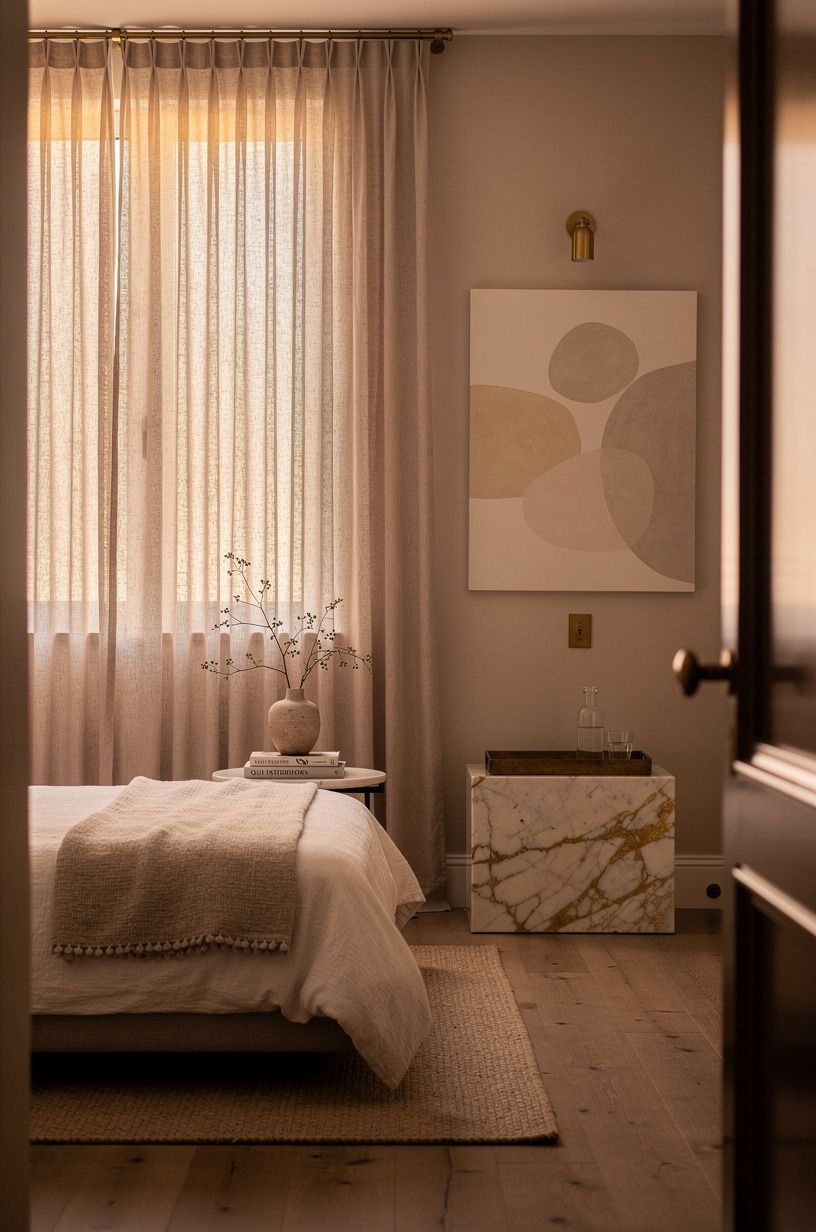
The original curtains ended at the windowsill, which made the ceiling look lower.
7The Guest-Ready Landing Zone
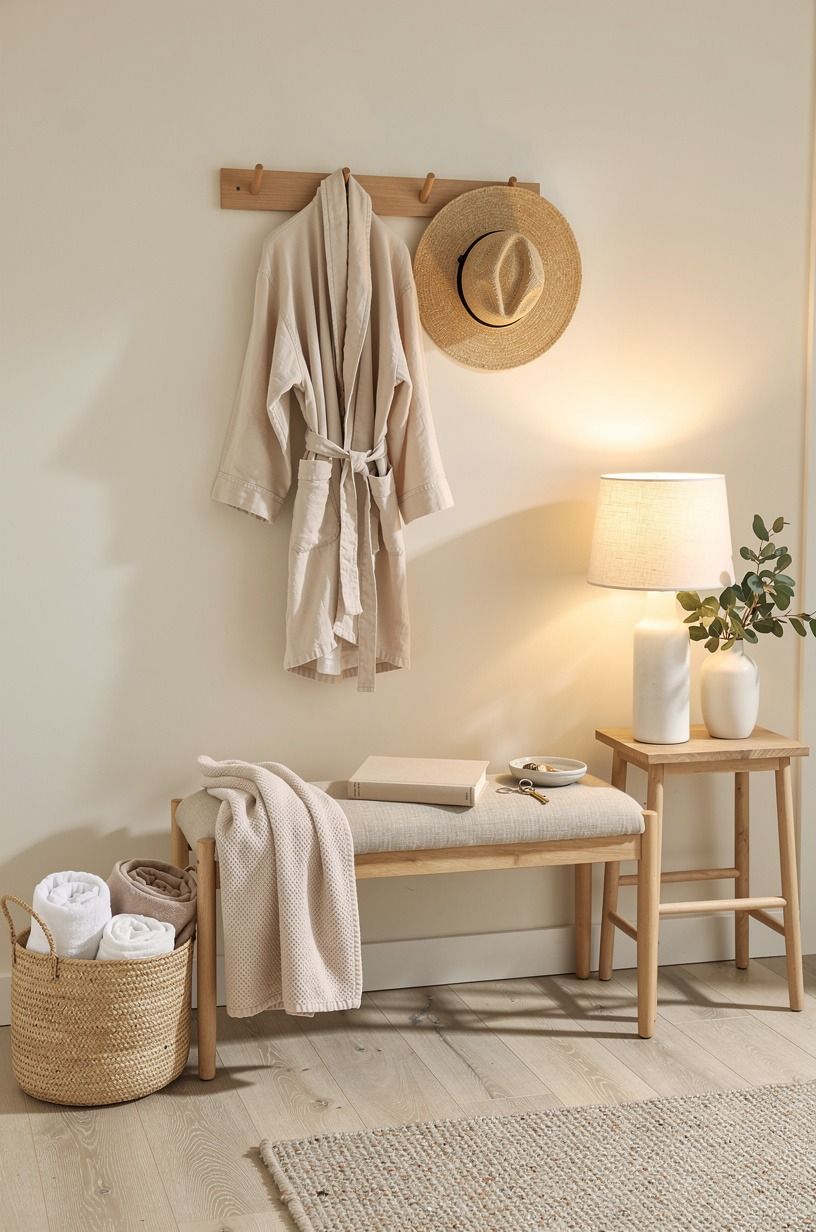
Every guest room needs a place for the things visitors actually carry: a phone, a book, glasses, a suitcase key, and the shirt they don't want to wrinkle. I created the Guest-Ready Landing Zone with a cerused white oak bedside tray, one water glass, and a shallow drawer left empty.
This was one of the cheapest changes, but it changed how the room worked. Your guest shouldn't have to balance a phone on the floor or move your decorative objects before sleeping. I placed a small rose-gold dish on the dresser too, then removed half the objects that had been there.
The room felt more generous once the surfaces were clear. Not empty, just usable.
And if your nightstand is only 18 inches wide, choose a narrow tray and one lamp rather than forcing a stack of books beside it. A guest room should let your visitor unpack their habits, not navigate your collection.
I added a spare charging cable, a carafe, and two cotton hand towels in the lower drawer. Those details were practical, thoughtful, and far more memorable than another decorative accessory.
8Frame the reading chair with a warm corner
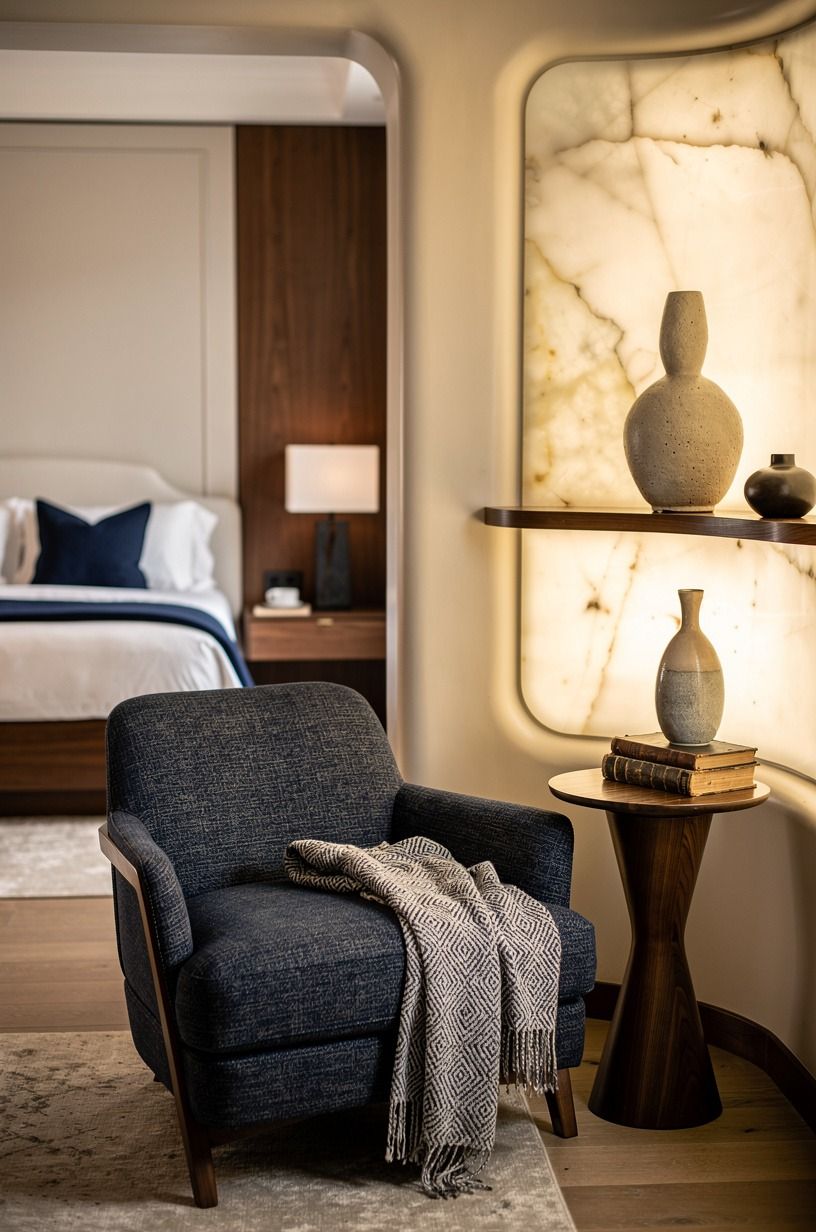
I wanted the room to offer more than a place to sleep, so I added one chair beside the window. The navy upholstered chair was narrower than the first option, and a backlit translucent onyx side table gave me the same reading function without blocking the drapes.
Your chair needs a reason to exist. I paired it with a small walnut table, a soft white throw, and a floor lamp that throws a pool of amber light onto the rug. The light stops just short of the bed, which makes the corner feel separate without dividing the room.
I tested a large bench at the foot of the bed, but it became a place for laundry within a day. The chair won because it invited a specific action. If you're working with a narrow guest bedroom interior, measure the chair depth first, then make sure you can still walk between it and the bed.
The corner became my favorite part of the room. It felt intimate, welcoming, and a little cinematic, especially when the late-afternoon light reached the chair.
9What makes a wool rug extend past the bed?
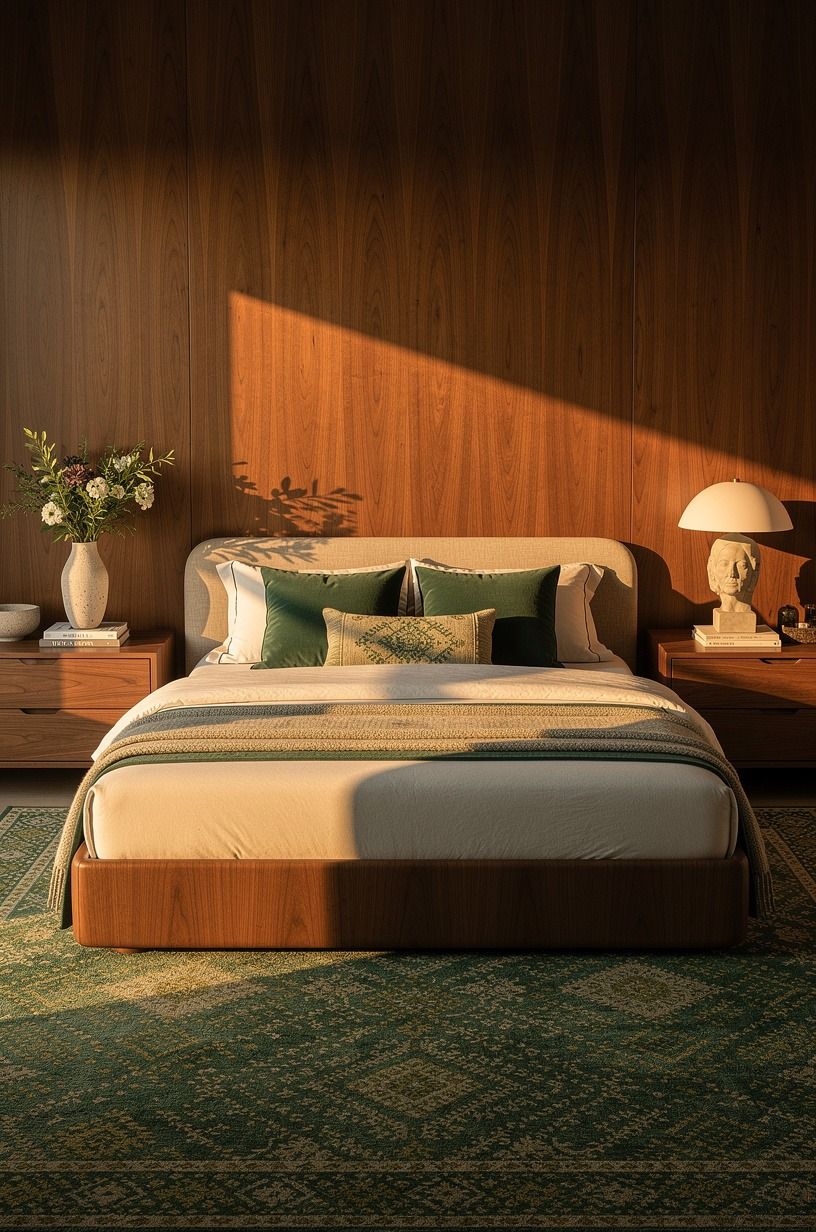
The floor felt cold, even after the paint changed.
10Mix old frames with one modern print
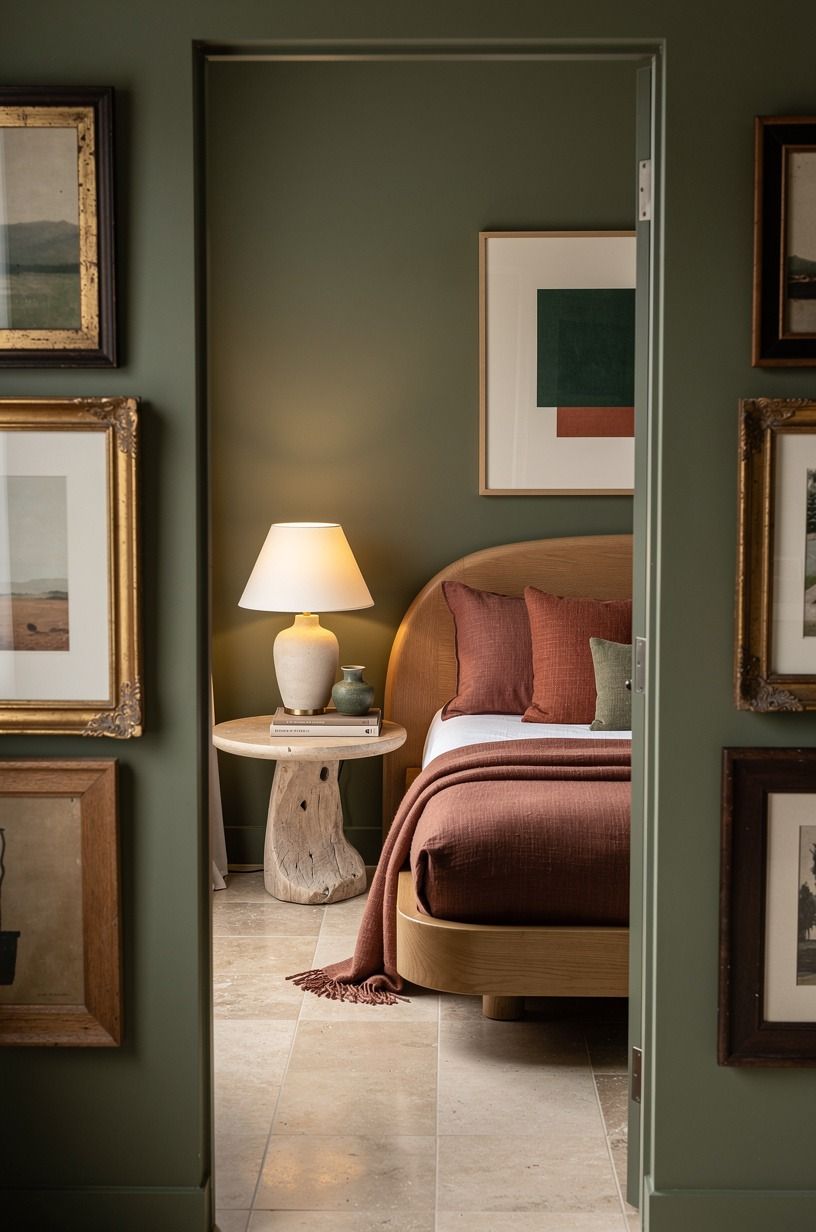
The walls needed personality, but a gallery wall would have made the small room feel crowded. I chose three natural oak picture frames in different sizes and mixed one forest-green botanical print with a quiet landscape that brought in a little rust. The frames looked collected, not purchased as a single bundle.
Your artwork doesn't need to match the bedding. It needs to repeat one color or material already in the room.
Here, the rust in the landscape connected with the throw, while the warm travertine ledge echoed the natural oak. That was enough.
I found one frame at a thrift shop and used a new mat inside it. The uneven edges gave the arrangement a little history.
If you're styling a rental, lean framed art on a dresser or use removable hanging strips rather than putting holes in the wall. And don't hang every piece at the same height.
A small shift makes the arrangement feel less stiff.
The arrangement felt personal, collected, and gently nostalgic. It gave the room character without turning the walls into a visual project.
11Farrow & Ball Setting Plaster in small doses
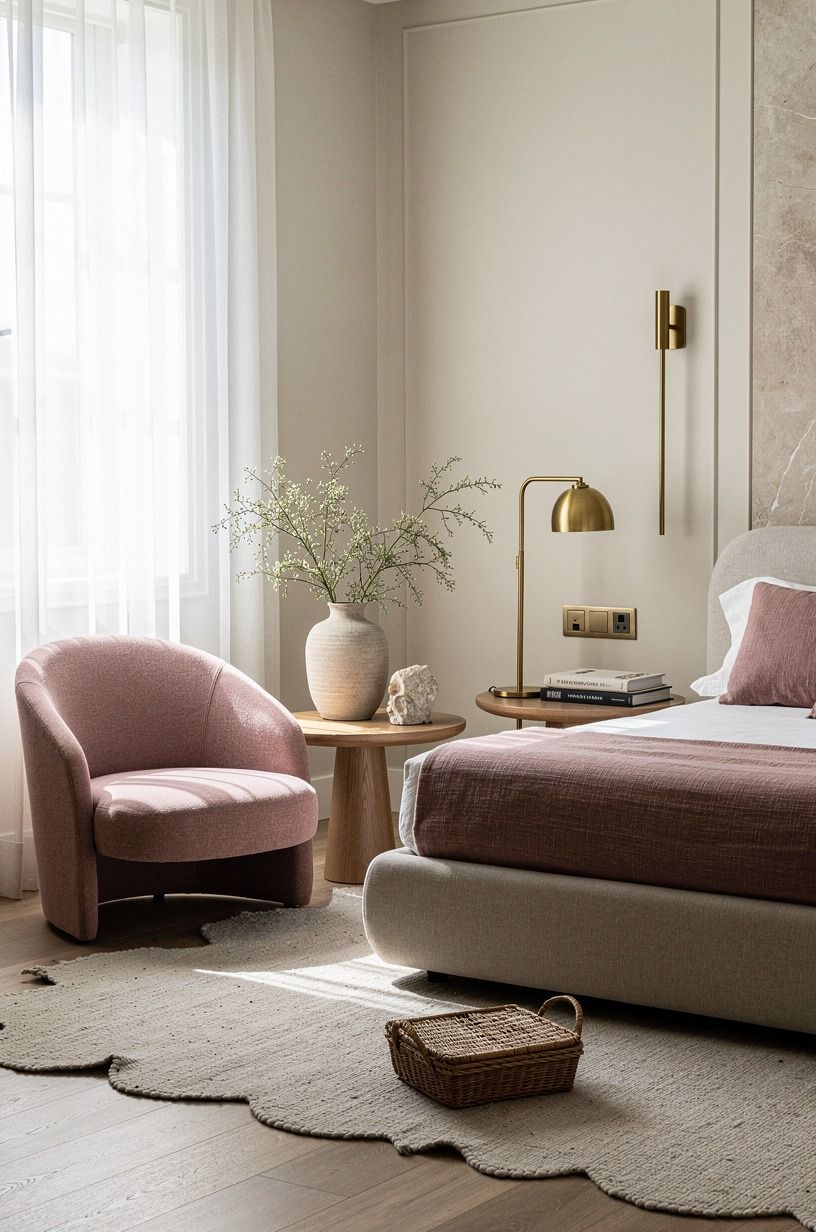
The main wall color stayed Benjamin Moore Pale Oak, but I brought in Farrow & Ball Setting Plaster No. 231 through smaller elements. A Setting Plaster linen lumbar pillow and a narrow woven bench cushion added warmth without turning the room pink.
Your accent color should appear in at least three places, but it shouldn't cover every surface. I repeated the shade in the artwork, the pillow, and a small unlacquered brass vase whose finish had begun developing a gentle patina. That was enough for the color and material to feel intentional.
I nearly chose a brighter blush, then held the sample beside the oak. It looked too sweet and made the room lose its grounded quality.
Setting Plaster worked because it sat between beige and rose. If you're working in a colder room, this shade can feel comforting, but I'd keep the larger surfaces neutral so the result stays refined rather than sugary.
The accent looked romantic, mellow, and surprisingly grown-up. It added just enough warmth to keep the neutral scheme from becoming flat.
12Swap overhead glare for the Three-Source Rule
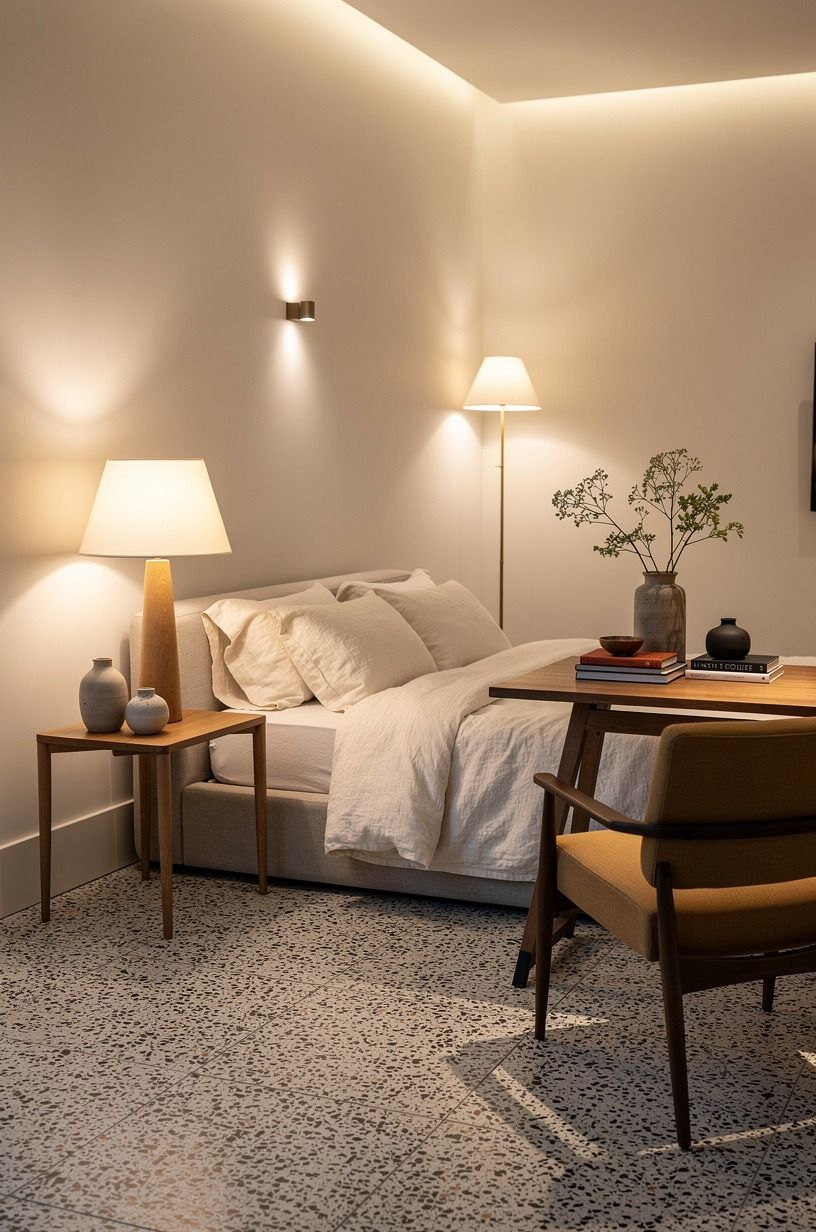
The Three-Source Rule became the final lighting check: daylight, bedside glow, and one secondary lamp. I kept the existing ceiling fixture, but I stopped treating it as the main event. The room changed once the lamps were on before sunset.
Your guests shouldn't need to turn every light on to find their suitcase. I added a small plug-in wall sconce beside an oversized-chip terrazzo table and used a bedside lamp with a fabric shade. Together, they created enough brightness for reading while keeping the corners gentle.
And yes, I left one overhead bulb in place because practical rooms need practical light. The mistake is relying on it alone.
When I switched on only the side lamps, the warm white walls looked softer, the camel textile looked richer, and the black accents became more distinct. That was the moment the room stopped feeling staged and started feeling ready.
The lighting felt soft, practical, and flattering throughout the room. It made the room welcoming for visitors and easy to live with between visits.
13Style the dresser with restraint for a cozy house
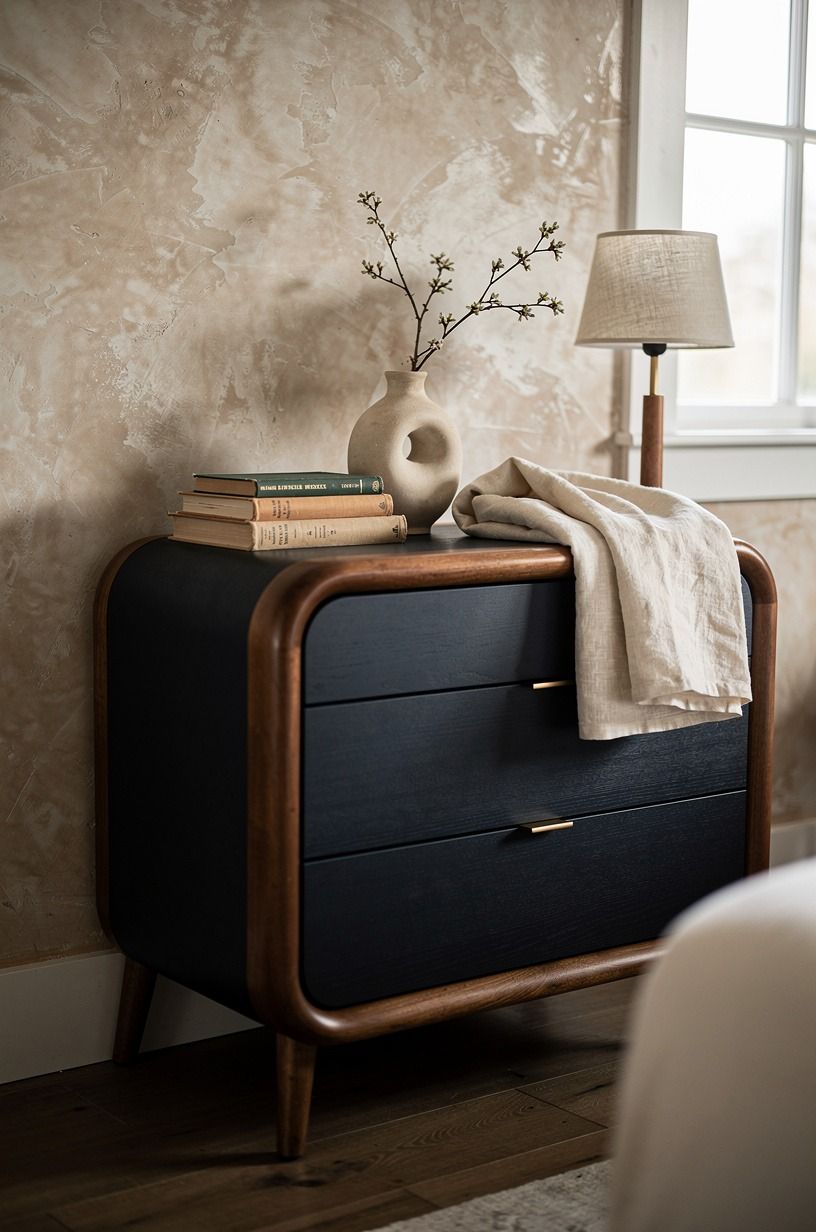
The dresser was the last surface I styled because it was the easiest place to overdo. I used a hand-applied Venetian plaster lamp base, one ivory artwork, a small copper bowl, and a place for jewelry or keys. The empty space around those objects mattered more than the objects themselves.
Your guest may use this surface for a suitcase, a toiletry bag, or a folded sweater, so leave room for real life. I kept one drawer empty and placed a few spare hangers in the closet. Those practical gestures made the room feel more welcoming than another decorative vase would have.
I tried a stack of books, a candle, and a tall branch arrangement, but the combination looked like a showroom. The simpler arrangement won because it gave the eye a pause. If you want a little more charm, add one seasonal stem in a narrow vessel, then stop before the dresser becomes a display.
The finished dresser felt calm, useful, and quietly beautiful. It had enough personality to feel considered but enough breathing room to remain practical.
How much it cost
I kept my choices inside the typical budget range for a bedroom refresh rather than pretending every receipt could be reduced to one universal total. The biggest decision was where to spend: the rug, bedding, and lighting changed how the room felt, while the frames and tray could come from second-hand sources.
The material choices have their own typical ranges, too. Your budget doesn't need to cover every tier, and you can combine a second-hand dresser with new bedding or keep your existing bed while improving the lighting.
If you're planning a similar refresh, start with the changes guests feel first: lighting, bedding, walking space, and storage. For more inspiration, compare the mood with these Nancy Meyers living room ideas for cozy timeless comfort, then look at the softer palette in this Nancy Meyers living room guide.
What I learned from making the room warmer
I used to think a Nancy Meyers room depended on the right shade of cream. It doesn't.
The feeling comes from the order of the decisions: clear the walking path, soften the light, add texture, then bring in objects that look as though someone uses them. Your room can be small and still feel generous when every choice supports comfort.
The biggest surprise was how little I wanted to buy after the layout improved. A solid white oak hanger and an empty drawer did more for the visitor experience than another decorative accent.
I also learned that warm doesn't mean dim. Daylight still matters, and a room with linen curtains, pale paint, and layered lamps can feel bright in the morning and intimate at night.
I made mistakes. I bought a chair that was too deep, tested a wall color in the wrong light, and filled the dresser before thinking about a guest's suitcase.
Those missteps were useful because they forced me to ask what the room needed rather than what looked good in a showroom. If you're starting yours, spend time in the empty room first.
Listen to it. Notice where you naturally put your phone, your glass of water, and your book. That information is better than a shopping list.
The part I wouldn't repeat is buying decorative pieces before solving storage. Your visitor needs a place for their things before they need a perfect vignette.
I kept the final room calm by removing half the accessories I had planned to use. The result feels more honest, and honestly, that's what makes the space memorable.
For more warm ideas in the same spirit, revisit these Nancy Meyers living room ideas for cozy timeless comfort, browse this Nancy Meyers living room guide, and compare the storage approach with this guest room pillow guide. A softer nursery palette can also offer useful ideas in these Nancy Meyers nursery ideas for a soft timeless baby room.
What People Always Want to Know
What is the best Nancy Meyers Guest Room Ideas to Wow Every Visitor for a small nancy meyers guest room?
The best choice is a calm bed wall with layered lighting and an IKEA KALLAX birch-effect storage piece used sparingly. Your small room will feel more open when the floor stays clear, the bedding has texture, and each nightstand holds only what your guest needs. I’d also review this guest room pillow guide before buying inserts.
Where can I buy Nancy Meyers Guest Room Ideas to Wow Every Visitor pieces on a budget?
Look at IKEA, Wayfair, and Target for lamps, bedding, and small storage. Your best second-hand finds may come from Facebook Marketplace or a local thrift shop, especially frames, wood tables, and solid dressers. I’d compare the room’s softer styling with these Nancy Meyers nursery ideas for a soft timeless baby room.
How much does a Nancy Meyers Guest Room Ideas to Wow Every Visitor makeover cost?
A budget bedroom refresh typically runs $200-$800 for bedding, paint, shades, and art. Your cost can stay near the low end if you keep the bed and use second-hand frames.
A mid-range project with a headboard, rug, custom drapes, and a light fixture typically reaches $1,500-$5,000. These Nancy Meyers living room ideas for cozy timeless comfort use a similarly layered approach.
Can I create a Nancy Meyers Guest Room Ideas to Wow Every Visitor on a budget?
Yes, and your first three moves can be free or inexpensive: rearrange the bed, clear one dresser drawer, and layer lamps you already own. Add washed-linen bedding later if your budget allows.
A fresh paint sample and thrifted art can change the room before you replace furniture. This Nancy Meyers living room guide is also useful for choosing a restrained palette.
Is a Nancy Meyers Guest Room Ideas to Wow Every Visitor worth it in a small space?
Yes, because a small room gives you fewer decisions to make. Keep the bed centered, use a 24 to 28 inch nightstand near mattress height, and let a rug extend 18 to 24 inches past the bed.
Your room will feel considered without feeling crowded. I’d use the practical storage ideas from this guest room pillow guide as a finishing check.
Is Nancy Meyers Guest Room Ideas to Wow Every Visitor a good idea for a rental?
Yes. Your rental can get the same feeling through removable changes: peel-and-stick artwork, a tension rod, plug-in sconces, and removable linen-look shades.
Skip permanent trim and paint if your lease forbids them. For another soft room direction, see these Nancy Meyers nursery ideas for a soft timeless baby room and the color layering in these Nancy Meyers living room ideas for cozy timeless comfort.
Where I'd Start First
If I had to pick one, I'd start with the lighting. A calm bedside glow makes pale walls, old furniture, and simple bedding feel intentional, while harsh overhead light exposes every compromise. Pin the room for later, then switch on one warm lamp tonight and see what changes.