
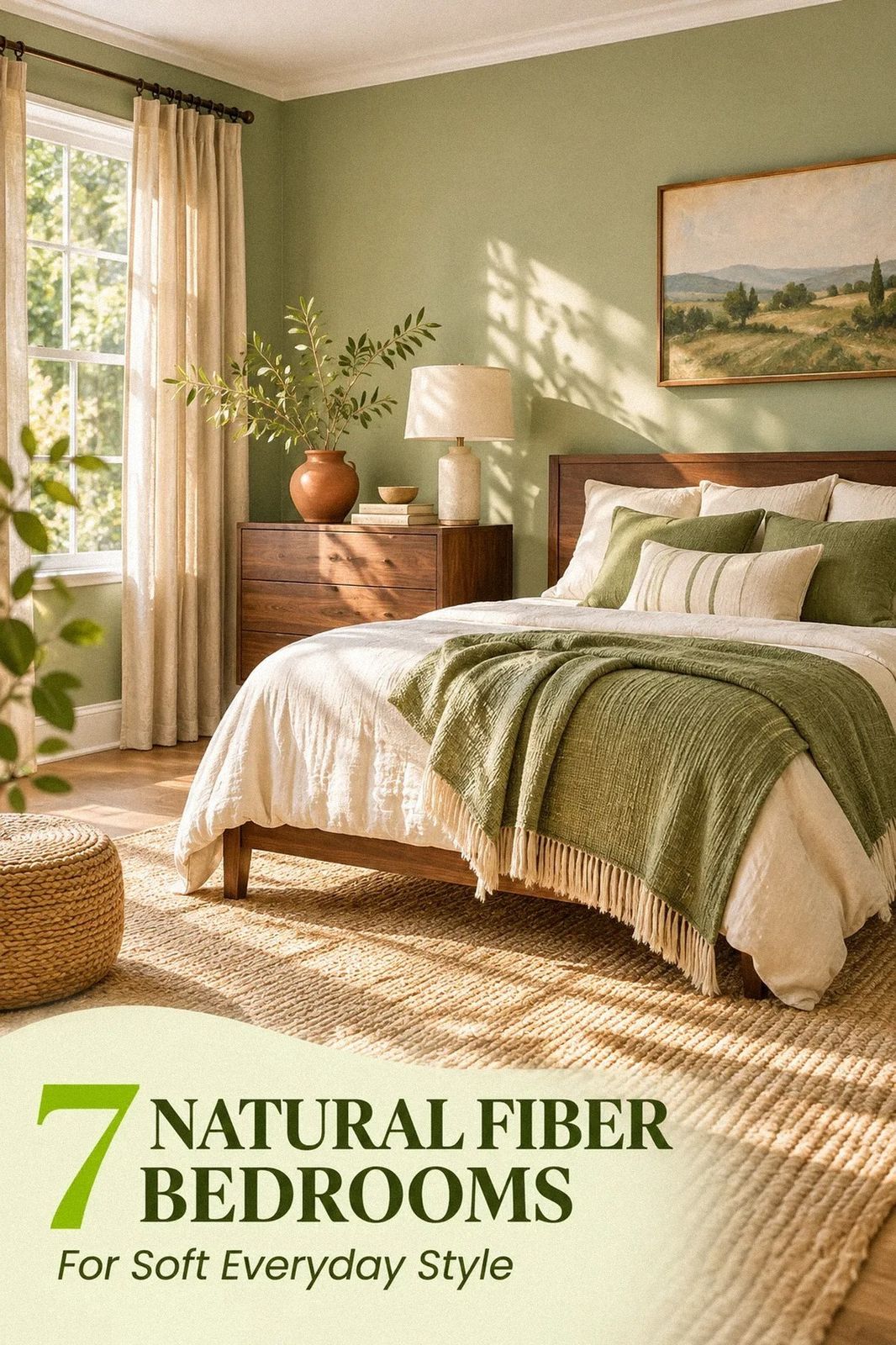
 by
Natural fiber bedroom ideas helped me fix the room I kept avoiding, and I did it without replacing every piece of furniture. The old mattress smelled faintly like plastic, the sheets felt slick, and I woke at 3 a.m. feeling overheated. My budget was limited, so I had to choose what mattered first.
I wanted a bedroom that felt soft and lived-in, not like a beige showroom. And I wanted the changes to work on an ordinary Tuesday, not only in a carefully staged photo. I gave myself one weekend, a short shopping list, and permission to leave some things imperfect.
The bedroom before I touched it
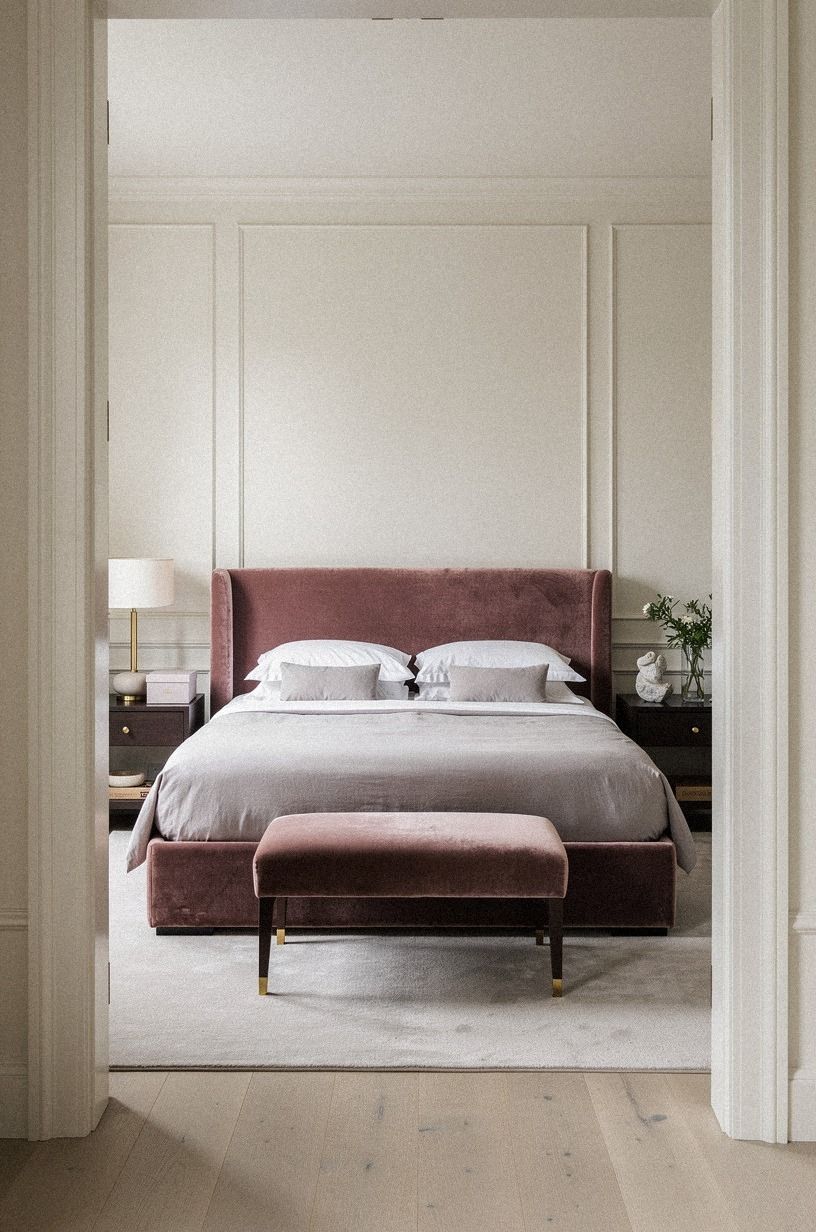
The room had the full starter-bedroom feeling: a dark wood bed, one flat overhead bulb, bare windows, and a rug that stopped just before the bed. The walls were a tired yellow-beige, and every surface seemed to collect dust.


I didn't need a dramatic renovation. I needed to stop ignoring the things I touched every night. The bedding scratched.
The mattress held heat. The light made the room look harsher after sunset.
But I kept treating those problems as separate purchases, which made the room feel stuck. I would buy a candle, move a chair, or fold a throw at the foot of the bed. Nothing stayed comfortable for long.
Too much beige.
The first change was deciding that comfort had to lead the design. If you start with decoration, you can spend money disguising the problem instead of solving it. I learned that the hard way.
The night I admitted the mattress was the problem
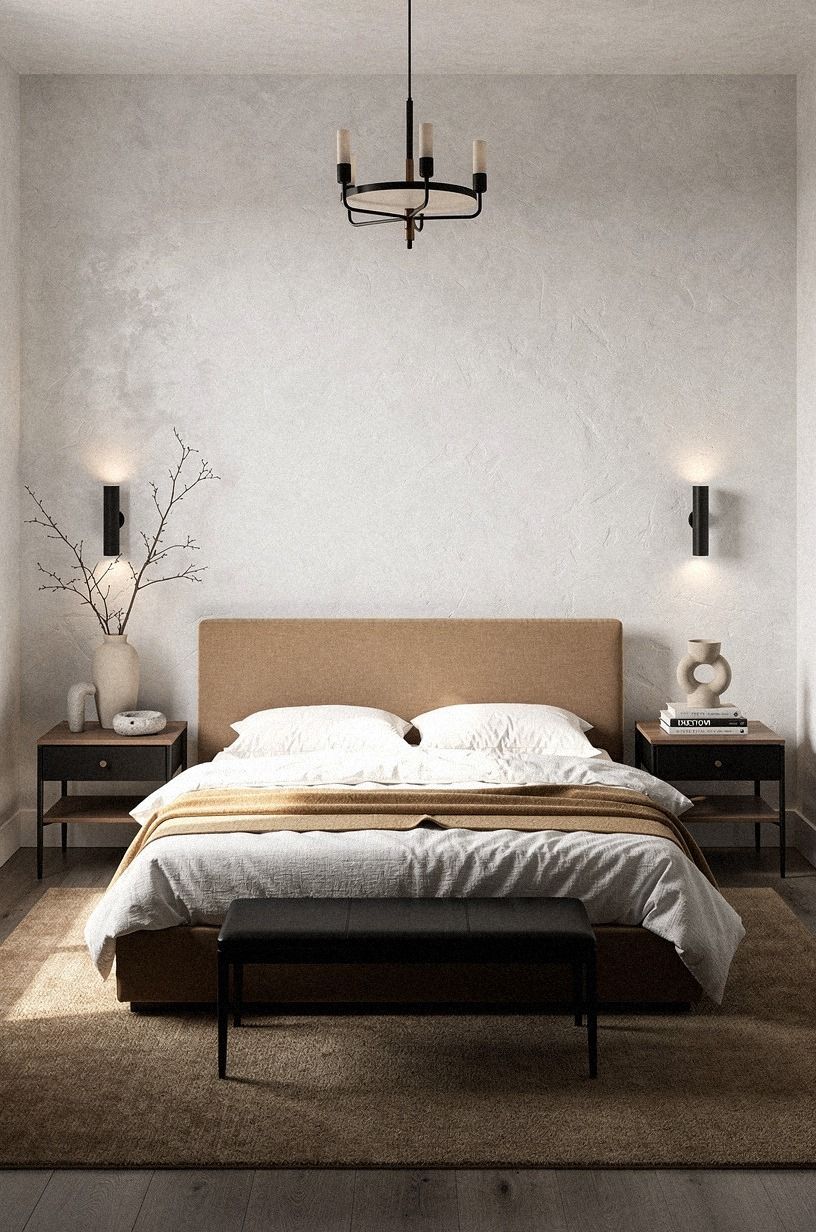
I started with the mattress because it was the one thing I couldn't style around. After another restless night, I ordered a Zenhaven, hoping a latex mattress would feel cooler and less synthetic than the old one. I wasn't expecting a miracle, and I wouldn't tell you that one mattress can solve every sleep problem.
But my sleep felt different within the first week. I noticed less heat around my shoulders, and I stopped waking with that stale plastic smell near my face. That was my experience, not a medical promise, and I still think anyone with allergies or a health concern should check with a doctor.
The mattress also changed the height of the room. My queen bed measures 60 by 80 inches, and the new setup made the frame feel more grounded instead of crowded.
I didn't want a towering bed with layers spilling everywhere. I wanted the top edge to sit low enough that the window still felt open.
And I chose not to buy a matching bedroom set. A coordinated set would have been easier, but I think it would've made the space feel flat. The old nightstand stayed.
I built the bed around breathable layers
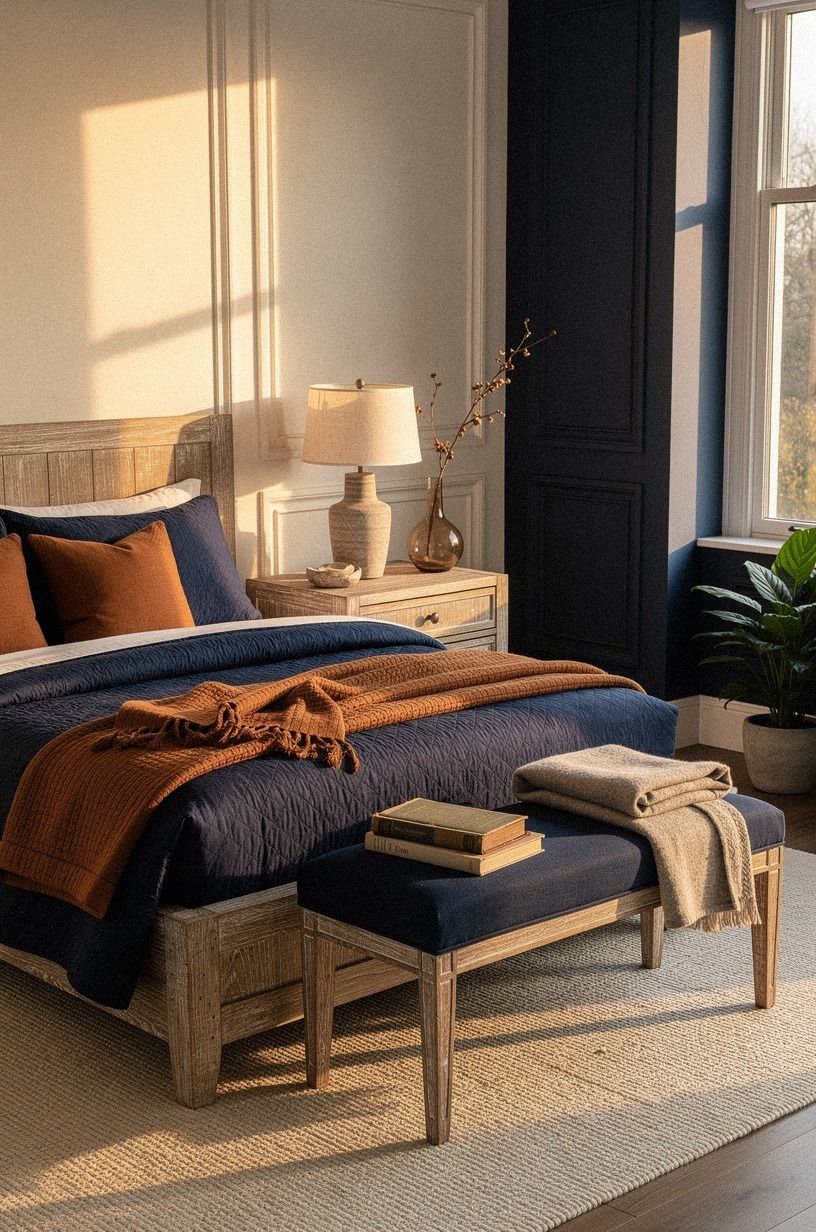
Once the mattress was in place, I changed the surface I touched most. I used Organic Cotton Sheets because I wanted a crisp first layer that would soften with washing instead of feeling slippery straight out of the package.
The difference was small at first. Then I noticed the sound.
Cotton made a quiet, dry rustle when I turned over, while the old sheets had that smooth synthetic slide I had grown to hate. A small detail, but one I felt every night.
I added an Organic Mattress Pad over the mattress, then kept the bedding palette narrow: warm white, oatmeal, and a little faded clay. I prefer three close colors to a pile of competing patterns. You can still make a bed feel rich with texture when the palette stays calm.
The pillow arrangement was deliberately spare. One sleeping pillow, one Organic Quilted Pillow, and a folded cotton blanket at the foot.
No mountain of cushions to move before bed. No decorative pillow landing on the floor.
I wasn't sure the pad was worth the extra layer. For two weeks I regretted adding it because the bed felt slightly higher than I expected.
But the surface became more comfortable, and now I wouldn't remove it. If you're working in a small bedroom, keep your layers thin and let the mattress remain the visual center.
For more ideas on choosing breathable pieces, I found this guide to natural fiber bedding useful while I was narrowing down the materials.


The Piece My Whole Bedroom Is Built Around
Natural materials, a 365-night home trial, free white glove delivery. Decide in your own room, not a showroom.
I kept the natural fiber bedroom simple
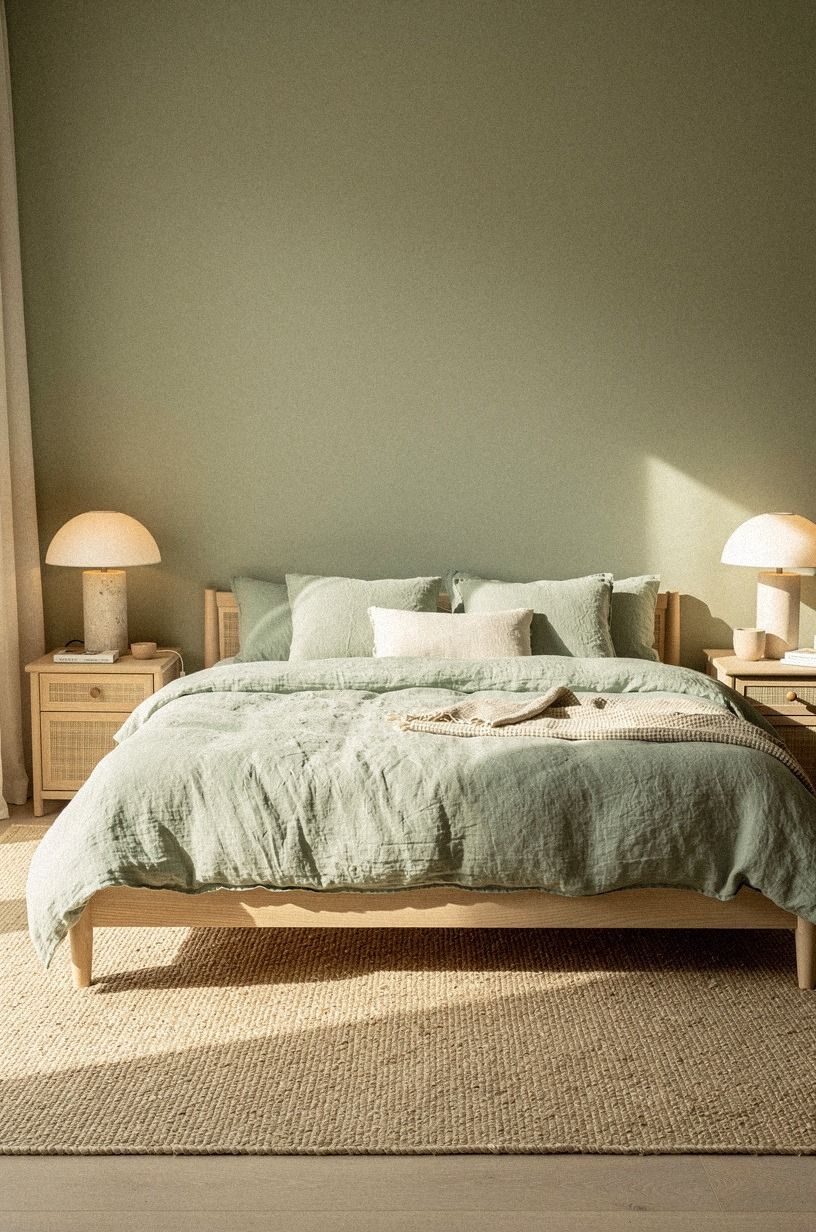
The next decision was the wall color. I tested Benjamin Moore Pale Oak OC-20 beside the window and Farrow & Ball Setting Plaster No. 231 on the wall behind the bed. Setting Plaster looked warmer in the afternoon, but Pale Oak held its shape better in the gray morning light.
I chose Pale Oak. It wasn't the most dramatic option, and that's exactly why I liked it.
The wall now catches the changing light without turning pink or yellow. I painted only the bedroom, which kept the project contained and protected the rest of my budget.
And I left the dark bed frame unpainted. I considered sanding it and using a pale finish, but the wood gave the room enough weight. Replacing it would have been wasteful, and painting it would've erased the contrast I needed against the lighter bedding.
The rug was a tougher call. A wool rug would have felt wonderful, but an 8 by 10 rug can be a serious purchase, with typical US costs around $400 to $1,500. I waited instead of forcing it into the first shopping trip.
That pause helped. I moved the existing rug so it extended about 18 inches past the sides of the bed, which is within the usual 18 to 24 inch range. The room felt more finished immediately.
A pause. A better floor plan.
I also kept the curtains simple. Washed linen would have been lovely, but I used the cotton panels I already owned and shortened them so they barely kissed the floor. If you're refreshing a rental, you can get a similar soft effect with a tension rod and removable panels.
I warmed the edges with light and texture
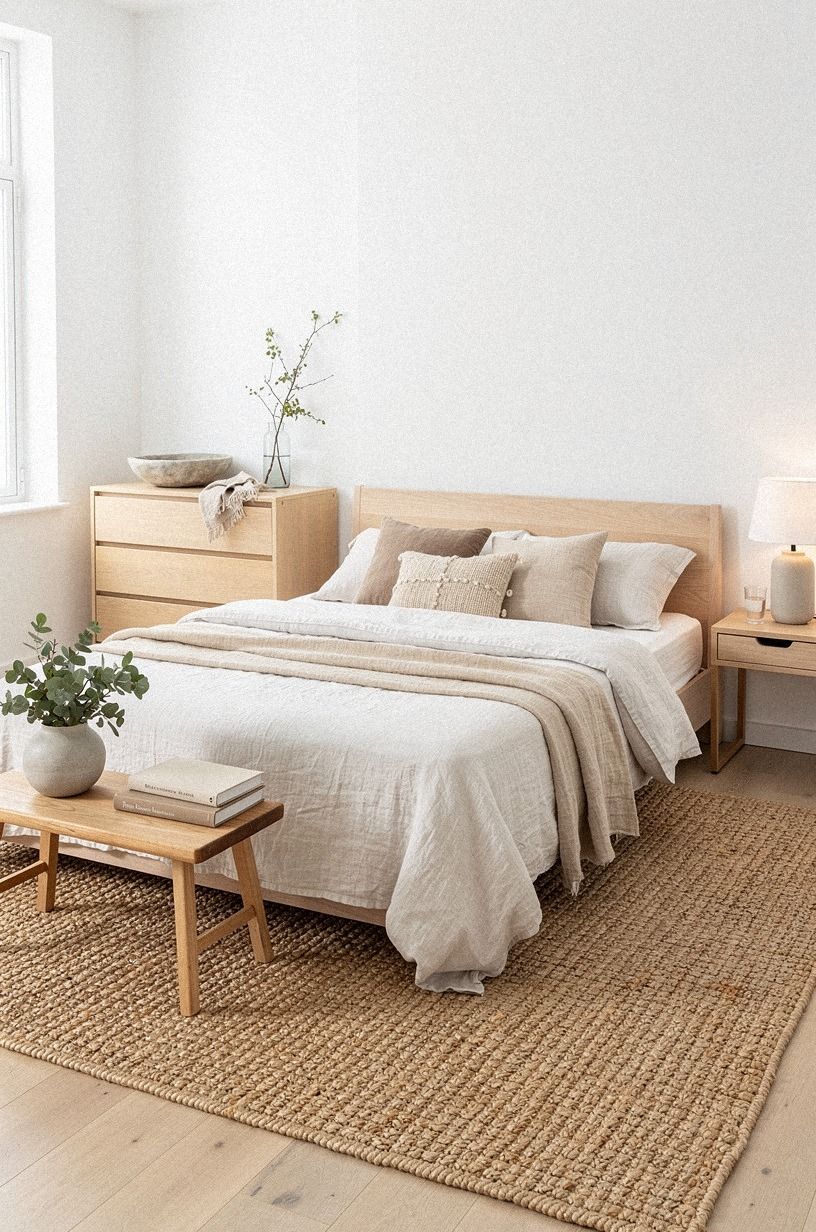
The old ceiling light was bright enough to make me squint, so I stopped using it after sunset. I added a small lamp to the nightstand and a second one on the dresser, both with warm bulbs. The light now gathers beside the bed instead of flattening the whole room.
That was the moment the makeover felt real. The sheets looked creamier, the wall looked quieter, and the wood frame stopped feeling heavy.
A bedroom needs shadows. I think an evenly lit room can look clean, but it rarely feels restful.
And I brought in texture without turning the room into a basket shop. One woven shade. One small jute mat near the closet.
One cotton throw with a loose, slightly uneven edge.
I skipped macramé, fringe, and the large seagrass headboard I had saved online. They all looked charming in photos, but my room already had enough visual grain. More texture would've made it feel busy instead of soft.
On the dresser, I used a ceramic dish for hair clips, a glass of water, and a small branch from the yard. That's it. The space finally had a place for the things I actually use.
If you want to keep the project low-waste, I’d borrow from these ways to style a low-waste bedroom on a budget before buying another storage basket.
What I'd buy differently next time
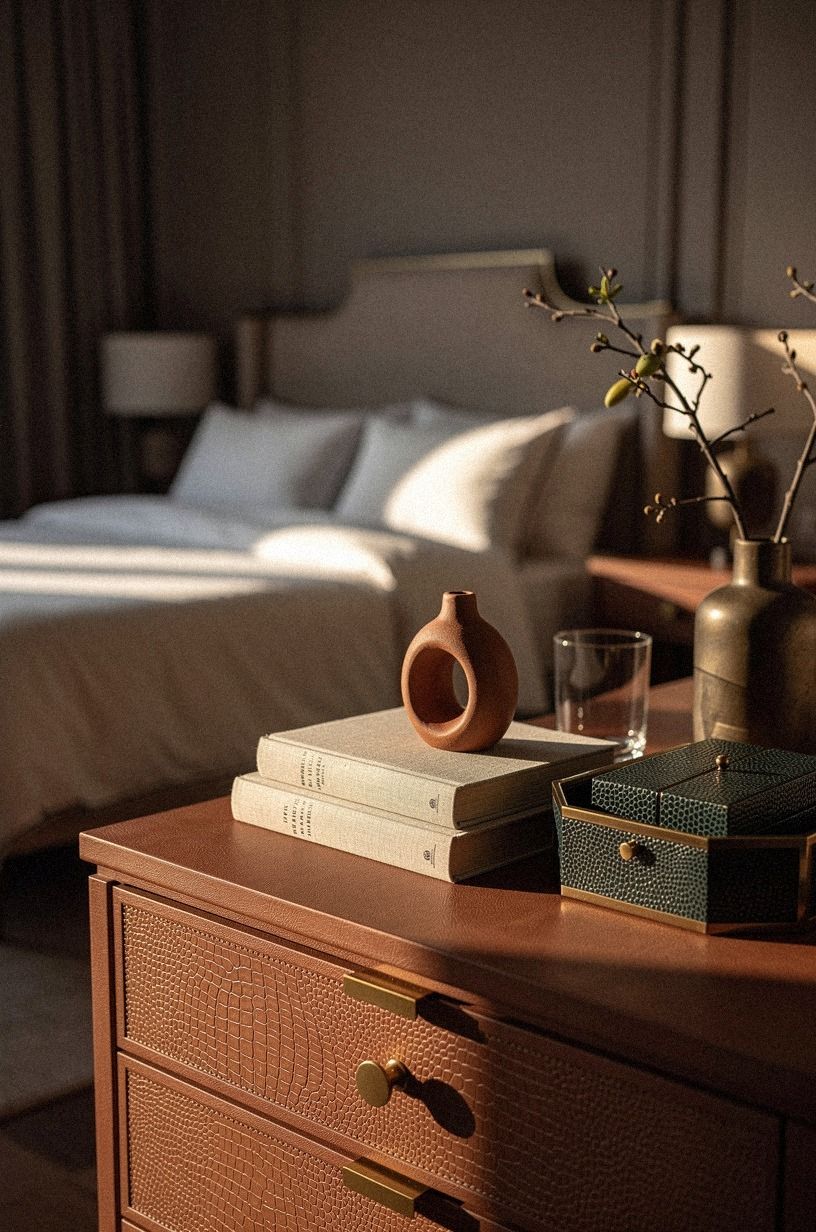
I would buy the rug earlier, but I wouldn't rush into the first one that looked natural. The bed needed more softness underfoot, especially on cold mornings, and waiting left the room feeling unfinished for a few weeks.
I also would've measured the nightstand before ordering the lamp. My nightstand is about 26 inches tall, which sits close to the usual mattress height, but the first lamp shade was too wide for the surface. I measured twice the second time.
My biggest regret was buying one decorative throw before deciding where it belonged. It ended up draped over a chair I rarely use, and the color pulled too orange against the wall. I returned it and kept the old cream blanket instead.
But I don't regret spending most of the budget on the mattress and bedding. I could have bought more art, a new dresser, or matching curtains. None of those would have helped at 3 a.m.
The room isn't spotless or magazine-ready. The laundry chair still exists.
So does the slightly crooked frame above the dresser. I like that.
A bedroom should show signs of being used.
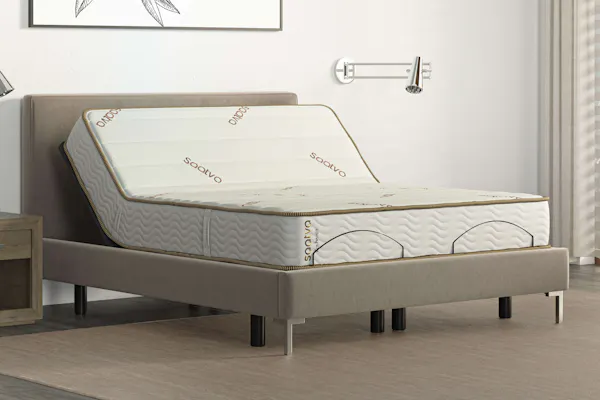 My pick for a healthier bedroomZenhavenTalalay latex, organic cotton, 365-night trial, lifetime warranty, free white glove delivery.See the Talalay latex mattress construction
Build Your Own Healthier Bedroom
Sale pricing runs on orders over $1,000, and the 365-night trial gives you a full year of nights to be sure.
The room now feels like mine
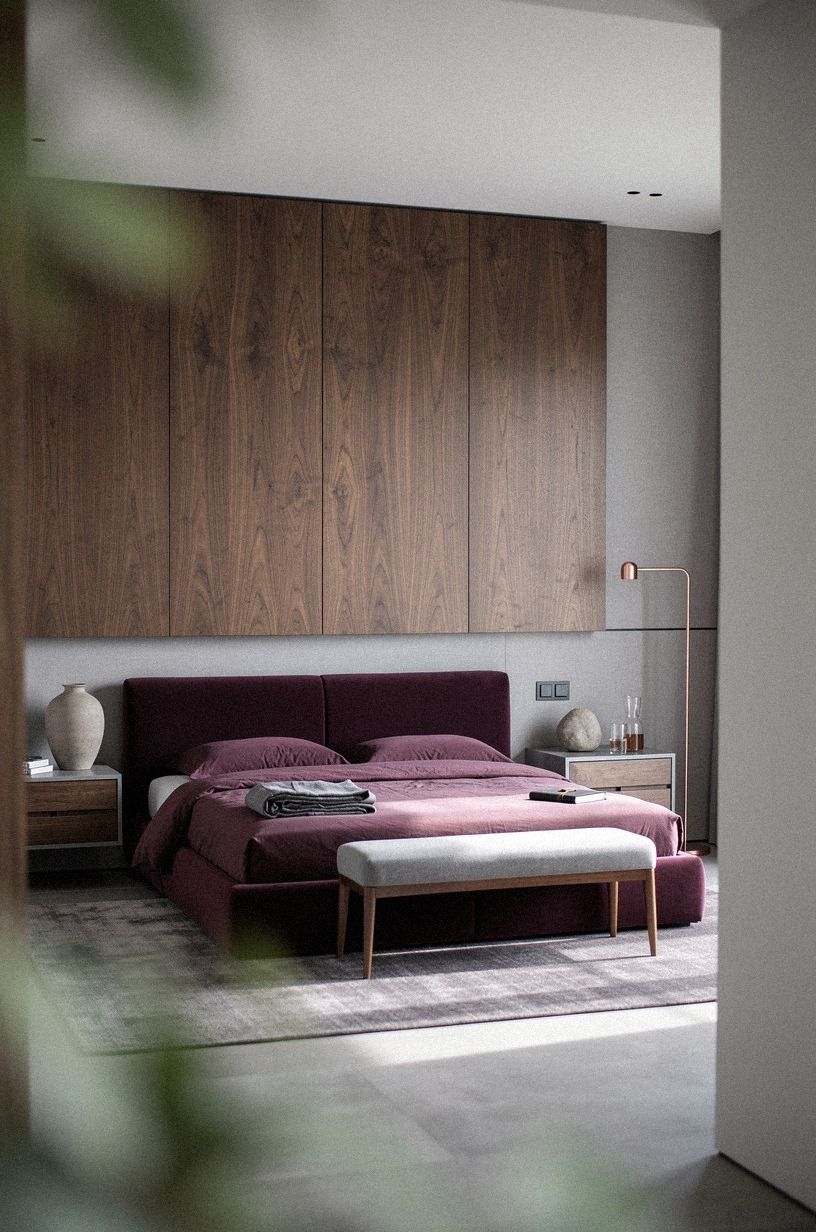
Now the bed is the first thing I notice, but it isn't because it looks grand. The cotton sheets sit softly against the warm wall, the wood frame gives the room some depth, and the lamps leave a quiet pool of light beside each pillow.
I would start with the mattress if I did this again. It changed how every later choice felt, and I couldn't have layered comfort over a sleep surface I already disliked.
At night, the room is dim, breathable, and easy to reset. The folded blanket stays at the foot of the bed, and the old nightstand holds one glass of water.
{ "meta_title": "Natural Fiber Bedroom Ideas for Soft Style 2026",