

 by
*Natural light bedroom ideas became my answer when my bedroom started feeling dim, stuffy, and strangely expensive to keep comfortable. I was switching on lamps before dinner and waking up warm under heavy bedding. The room wasn't dramatic. It was simply tired.
I wanted a brighter, airier bedroom without replacing everything or turning it into a showroom. So I worked with the one thing the room already had: a wide east-facing window.
The result surprised me. It looked calmer, and I used the overhead light far less.
The Bedroom That Made Me Rethink Everything
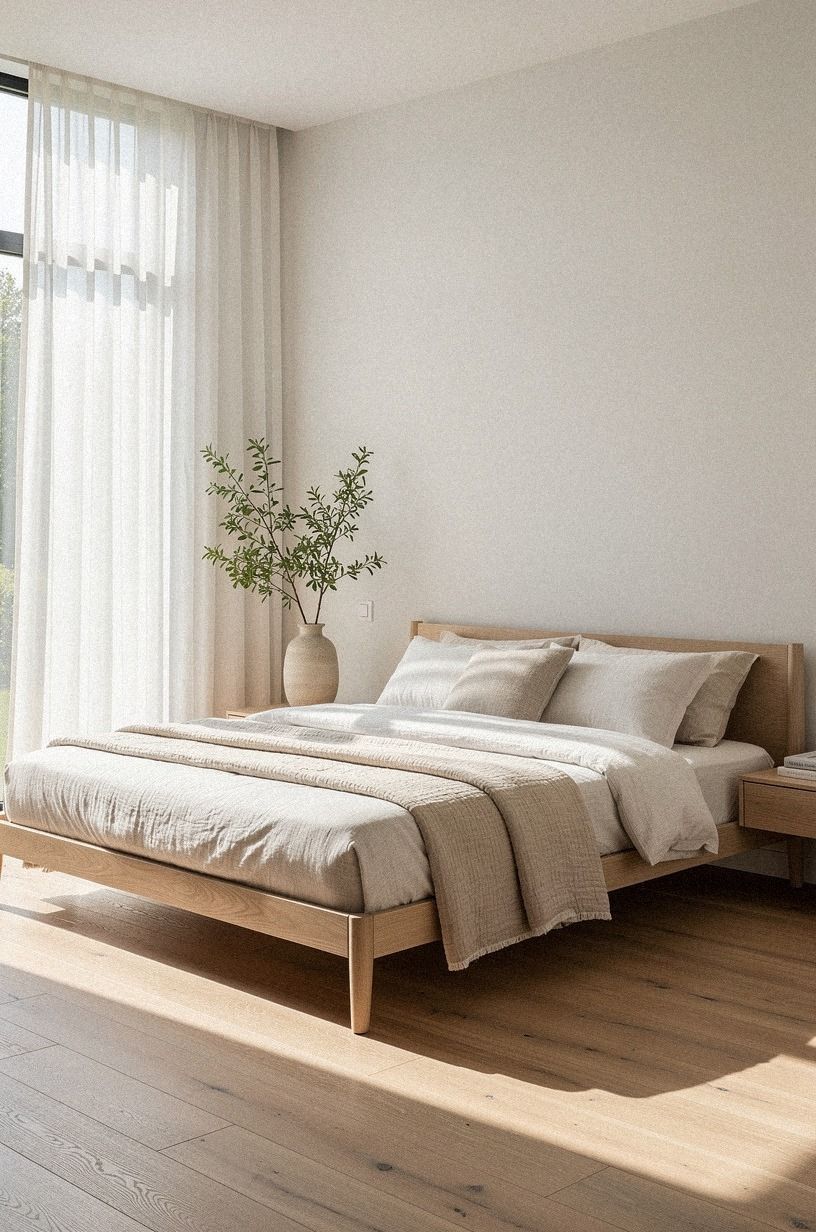
The old setup had dark curtains, a bulky bed, and a tall dresser parked beside the window. Morning light came in, hit the dresser, and stopped. The rest of the room stayed gray.


I started by moving furniture before buying anything. The bed shifted away from the window wall, and the dresser moved to the darkest corner. I left the window area open for a full day before deciding whether the change worked.
It did. My first opinion was immediate: furniture placement mattered more than another decorative lamp. I’d been trying to brighten the room with objects while blocking the source of brightness.
And the room felt less crowded within an hour. A small shift.
I Cleared the Window Before Choosing New Decor
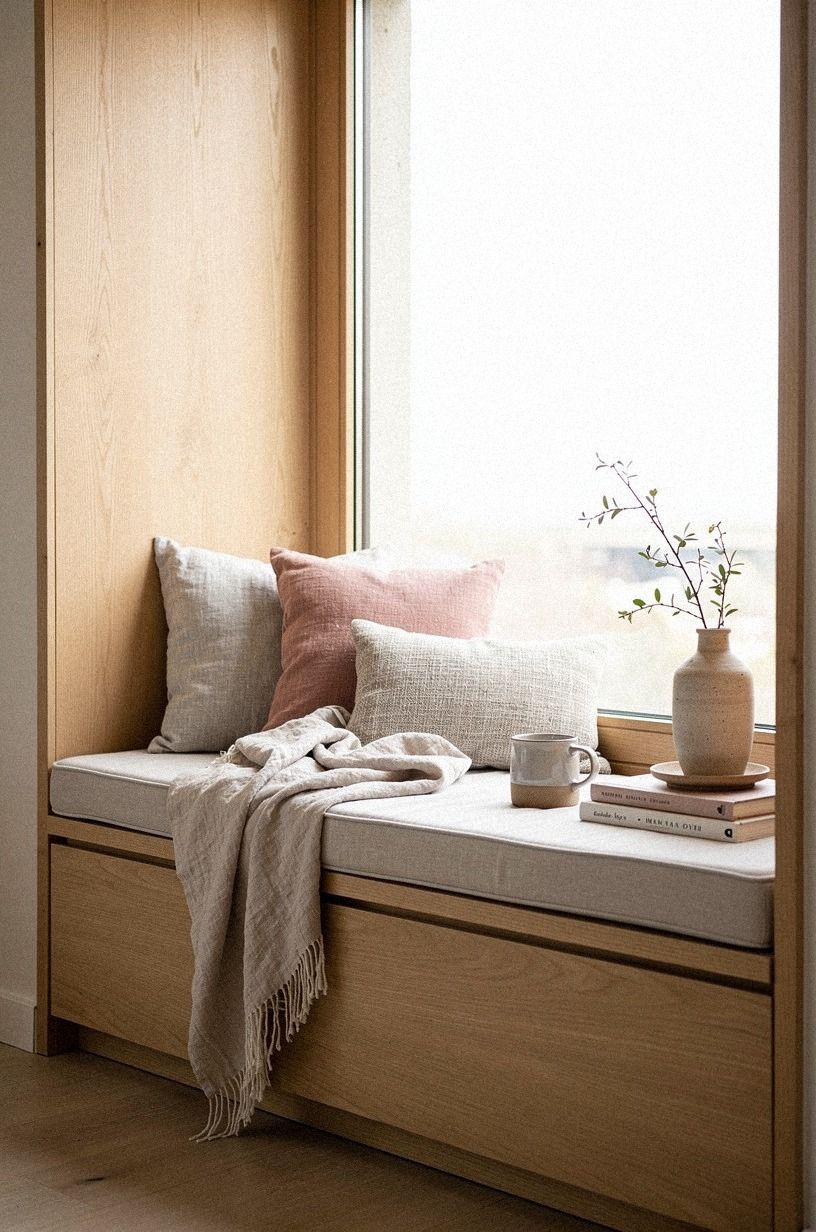
I replaced the heavy curtains with simple linen panels and kept them wider than the glass, so they could sit fully open during the day. I chose a warm off-white rather than pure white because the afternoon light in this room has a yellow cast.
The curtain rod went higher and wider than the old one. That made the window look larger without changing the window itself. I also removed a small shelf that had collected books, candles, and receipts.
Useful things, but not there.
If your room has only one good window, give it visual space first. My guide to natural materials for a bedroom helped me edit the room around breathable textures instead of adding more pale accessories.
But I wasn't convinced the bare window would feel warm at night. I tested it for a week, and the darker corner still needed softness.
I Used Paint to Keep the Morning Light Moving
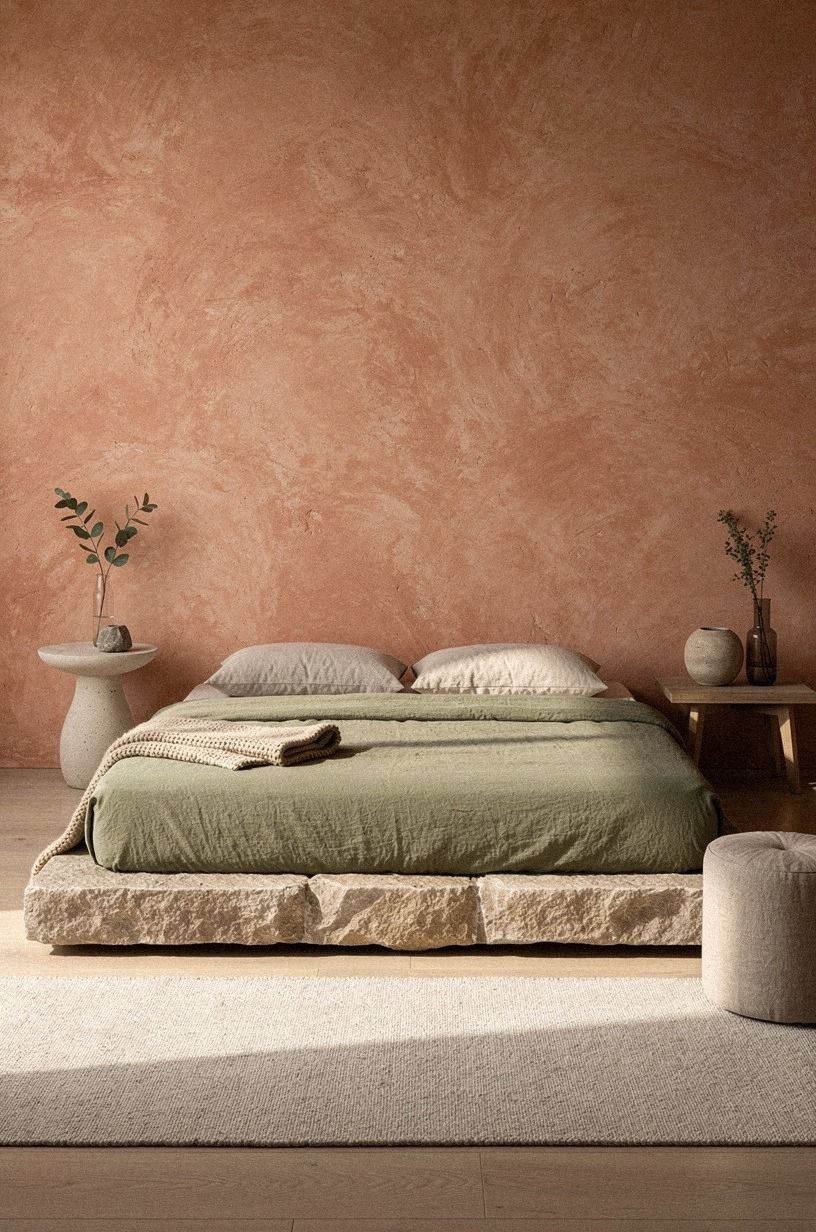
I painted the walls Benjamin Moore Pale Oak OC-20, a quiet greige that changes noticeably throughout the day. In the morning, it looks creamy. By late afternoon, it picks up a soft mushroom tone.
I considered Farrow & Ball Setting Plaster No. 231, but it looked too pink against my existing wood floor. I liked the color on its own, yet I knew I’d spend every evening noticing the mismatch. That was an easy no.
The ceiling stayed white. I didn't want a full color wrap, and I didn't want the room to become precious. The walls now bounce daylight without looking icy, which is the difference between a bright bedroom and a blank one.
And I stopped buying white decor to solve a color problem. Your walls should do some of that work before your bedding has to.


The Piece My Whole Bedroom Is Built Around
Natural materials, a 365-night home trial, free white glove delivery. Decide in your own room, not a showroom.
I Built the Bed Around One Better Night
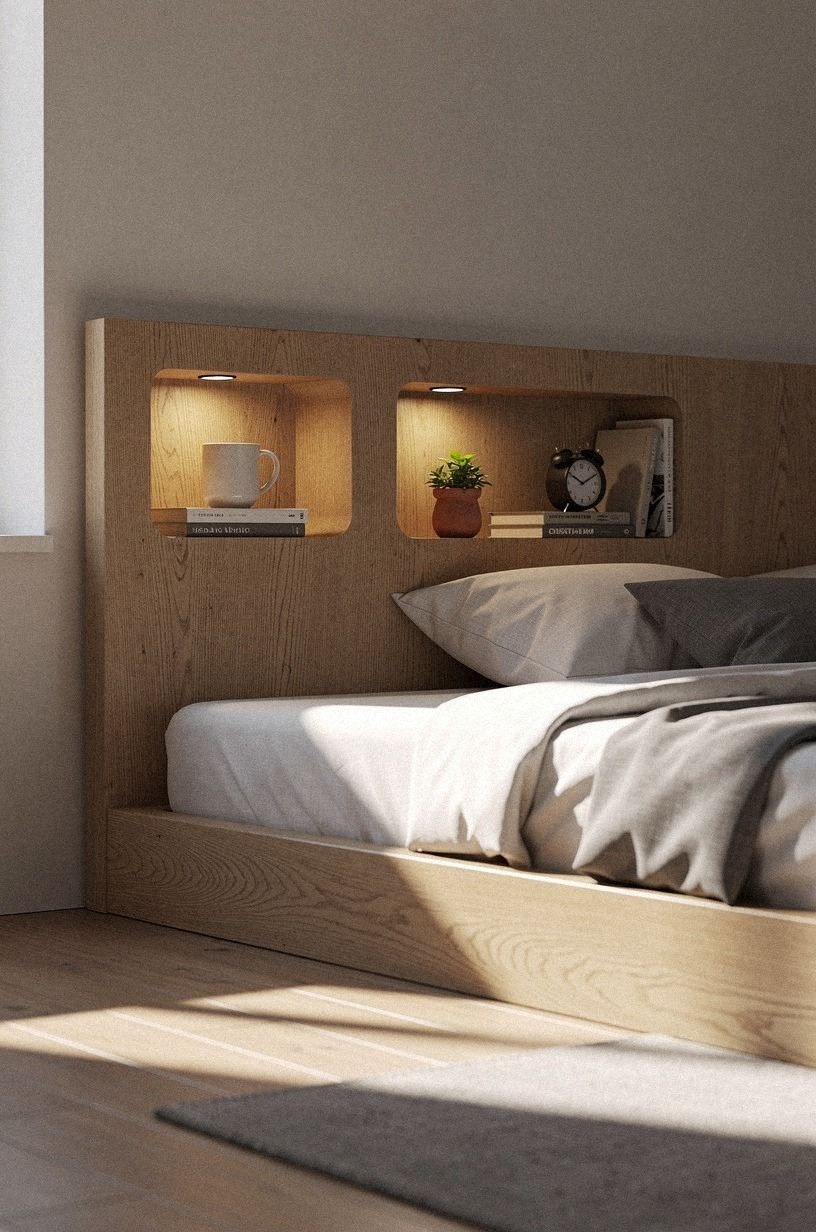
The bed was the part I kept postponing because it was the largest purchase and the hardest decision. I wanted something supportive and breathable, but I also didn't want a mattress that made the room feel visually heavy.
I chose Zenhaven after comparing the feel of the latex options in person and thinking about how my room runs warm in summer. I wasn't expecting a mattress to change the look of the bedroom, but the lower profile made the window feel more prominent.
Then I dressed it with Organic Cotton Sheets in a soft natural shade rather than bright white. The fabric looked relaxed in daylight and didn't reflect a harsh glare at night. I added an Organic Quilted Pillow because I prefer a little structure under my neck, although I nearly returned it during the first week.
For the final layer, I used an Organic Mattress Pad. It added softness without making the bed look tall and overstuffed.
I’d been afraid that a thicker bed would work against the airy feeling. It didn't.
The sleep difference was personal, not a promise for anyone else. My room felt less clammy, and I woke up less irritated by heat. If allergies or sleep problems are part of your situation, treat my experience as an observation, not medical advice.
I Made the Room Use Less Electricity
The energy-saving part wasn't glamorous. It was mostly about timing and avoiding unnecessary light.
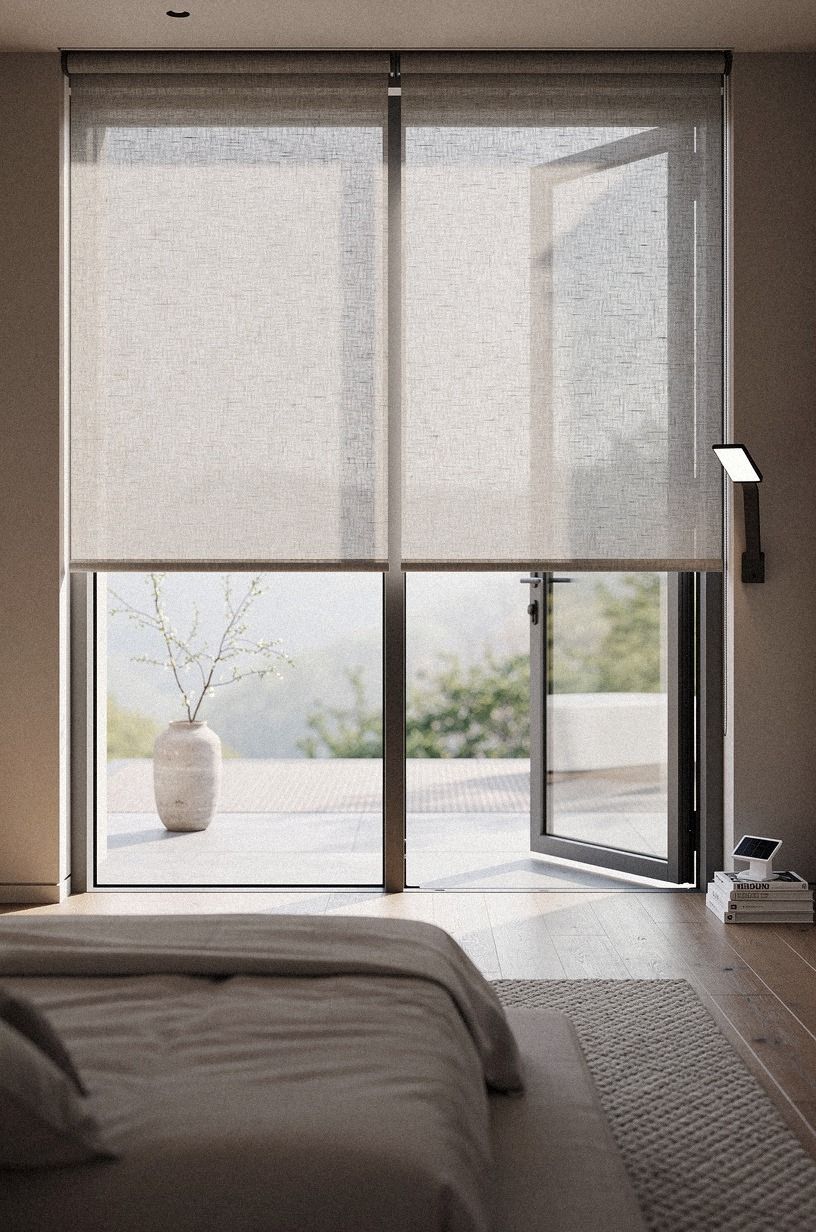
I stopped closing the curtains at the first sign of sun and opened the window coverings fully each morning. At night, I used one warm bedside lamp instead of the ceiling fixture. During the day, the room stayed bright enough for folding laundry, reading, and getting dressed without switching anything on.
I also chose a pale woven rug that extends 18 to 24 inches past the bed. That measurement gave the room a grounded feel without covering every visible inch of floor. The texture catches the light softly, while the exposed wood keeps the room from feeling flat.
But I didn't buy smart bulbs or install new wiring. I thought about it, then decided the room didn't need another system to manage. Your best energy-saving change may be the one you can repeat without thinking.
For more ideas, I borrowed the restrained palette from this Scandinavian bedroom using natural materials, especially the mix of pale fabric, warm wood, and very little shine.
The Part I’d Change If I Started Again
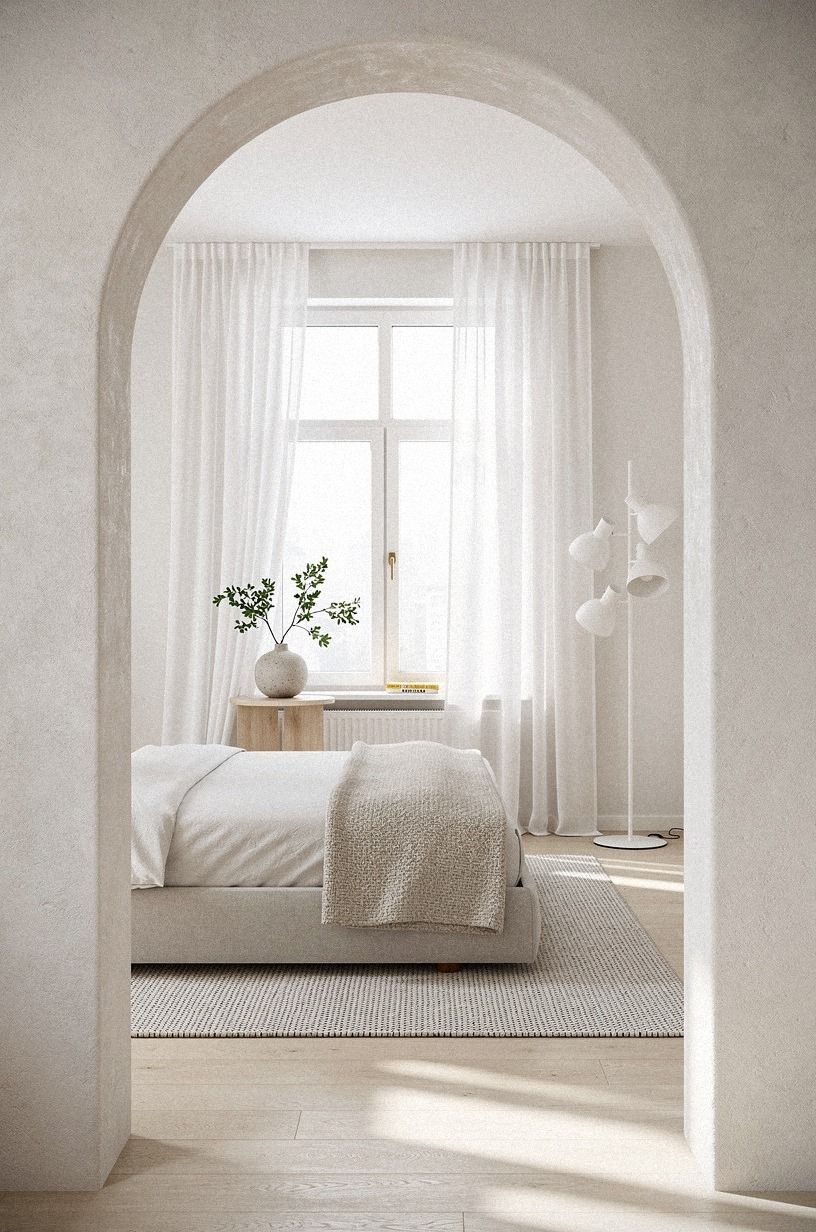
My biggest regret was waiting so long to move the dresser. I spent weeks comparing lamps and paint samples when the real problem was a piece of furniture sitting in front of the window. I’d skip that entire shopping phase now.
I also wasn't sure the linen curtains were worth the visual fuss. They wrinkle.
They don't hang like stiff hotel panels. For two weeks, I regretted choosing them because the bedroom looked unfinished.
Then the afternoon light came through and softened the wall beside the bed. That settled it for me.
I prefer the slight rumple because the room feels lived-in instead of staged. Still, if you need a crisp, formal bedroom, you may prefer lined cotton panels.
My other concession is practical: this makeover wasn't free. I spent most of the budget on the sleep setup, window treatment, and paint, then used what I already owned for art and storage. I wouldn't replace a good mattress just to chase a lighter look.
But I would move the furniture first, every time. That cost nothing and changed the room before the first brushstroke.
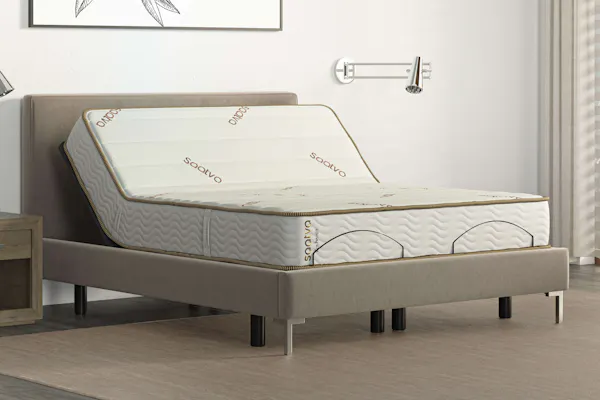 My pick for a healthier bedroomZenhavenTalalay latex, organic cotton, 365-night trial, lifetime warranty, free white glove delivery.See the Talalay latex mattress construction
Build Your Own Healthier Bedroom
Sale pricing runs on orders over $1,000, and the 365-night trial gives you a full year of nights to be sure.
Where I’d Start First
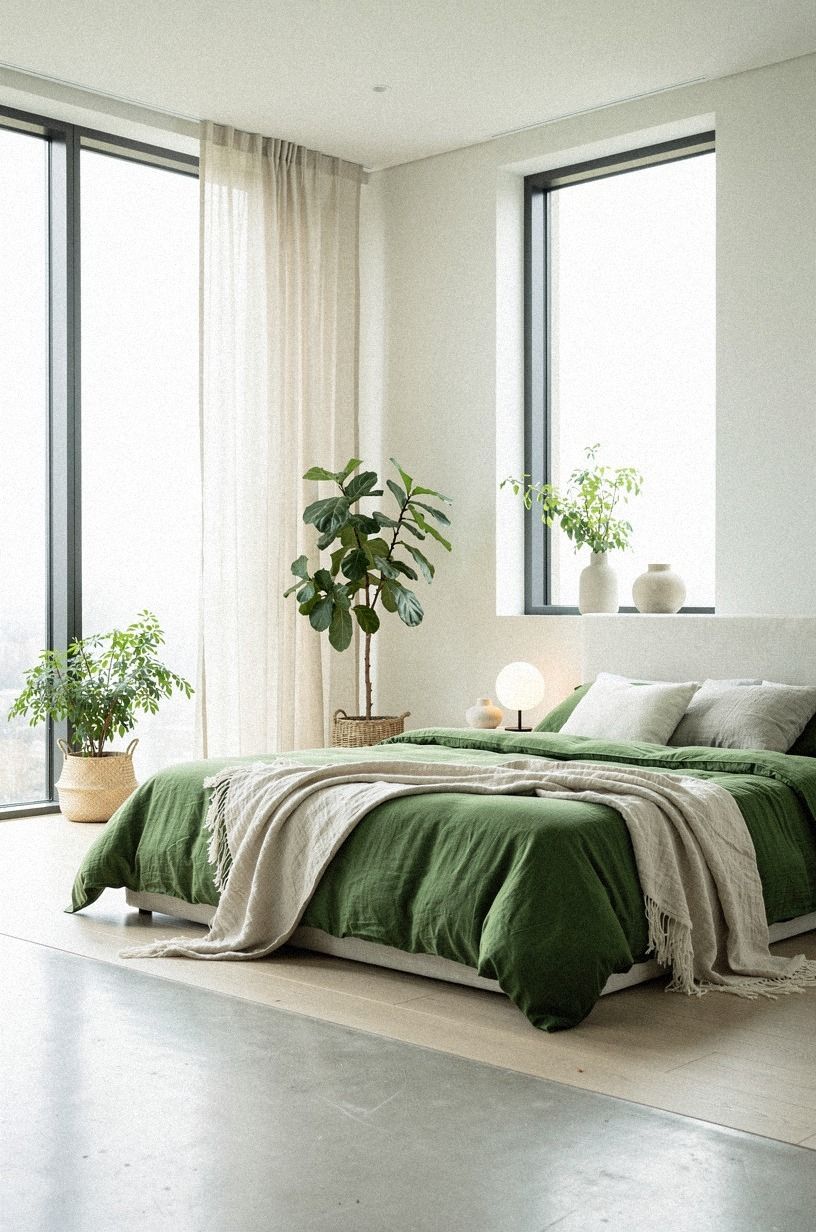
If I had to pick one change, I'd start by clearing the window. Light can't brighten a room if your furniture is blocking it, and no pale throw can fix that. Open the curtains in the morning, move one heavy piece, and watch the floor change color.
Now the room has a warm patch of sunlight beside the bed, and my lamp stays off until dusk. The rumpled linen panels rest against the wall, exactly where I wanted them.
{ "meta_title": "Natural Light Bedroom Ideas for a Brighter Room",