 by
by Quick answer: Tuft & Needle wins on value and cooler sleep, Nectar wins on pressure relief and motion isolation. Want something more durable than either all-foam bed? The Saatva Classic is my upgrade pick.
- Nectar uses a three-layer memory-foam stack with a thicker comfort layer, per the manufacturer's spec.
- Tuft & Needle runs a simpler two-layer all-foam build that owner reviews consistently call cooler.
- Both are marketed as medium-firm and both discount often, so compare live checkout prices before deciding.
Updated July 2026 · Reviewed for accuracy
This is one of the most common all-foam matchups I get asked about, and the honest answer is simpler than the marketing makes it look. Nectar is the thicker, plusher memory-foam bed. Tuft & Needle is the leaner, cooler, cheaper one. Everything else is detail, so here is the detail.
I've spent years pulling apart foam builds like these two, and the construction tells you almost everything before you ever lie down. Let's walk through it.
Nectar vs Tuft & Needle at a glance
Different philosophies, same firmness target. Nectar piles on comfort foam for a deeper hug. Tuft & Needle strips the design back to two layers and bets on simplicity and airflow. Here's how that shakes out across the categories that matter.
| Category | Nectar Classic (memory foam) | Tuft & Needle Original |
|---|---|---|
| Construction | Three-layer memory-foam stack, per the manufacturer | Two-layer all-foam build, per the manufacturer |
| Feel | Medium-firm with a slower, deeper contour | Medium-firm, reads slightly firmer and more responsive |
| Cooling | Can sleep warm; some versions add cooling covers or gel foams | Generally the cooler bed, per third-party reviewers and owner feedback |
| Motion isolation | Strong, dense memory foam absorbs movement | Good, with a touch more transfer than Nectar |
| Edge support | More sinkage when you sit or sleep near the edge | Competitive for an all-foam mattress |
| Best for | Side and combination sleepers, couples | Back and combination sleepers, hot sleepers, value hunters |
| Price tier | Premium all-foam tier with frequent deep promotions | Mid-range tier with a lower typical sticker price |
| Trial & warranty | Generous trial and long warranty emphasis, per the manufacturer | Buyer-friendly, straightforward policies |
The pattern is consistent. Nectar trades airflow and edge sturdiness for contour and isolation. Tuft & Needle trades plushness for simplicity, coolness, and price. Neither trade is wrong. It depends which side of it you sleep on.
Construction and materials: two very different foam philosophies
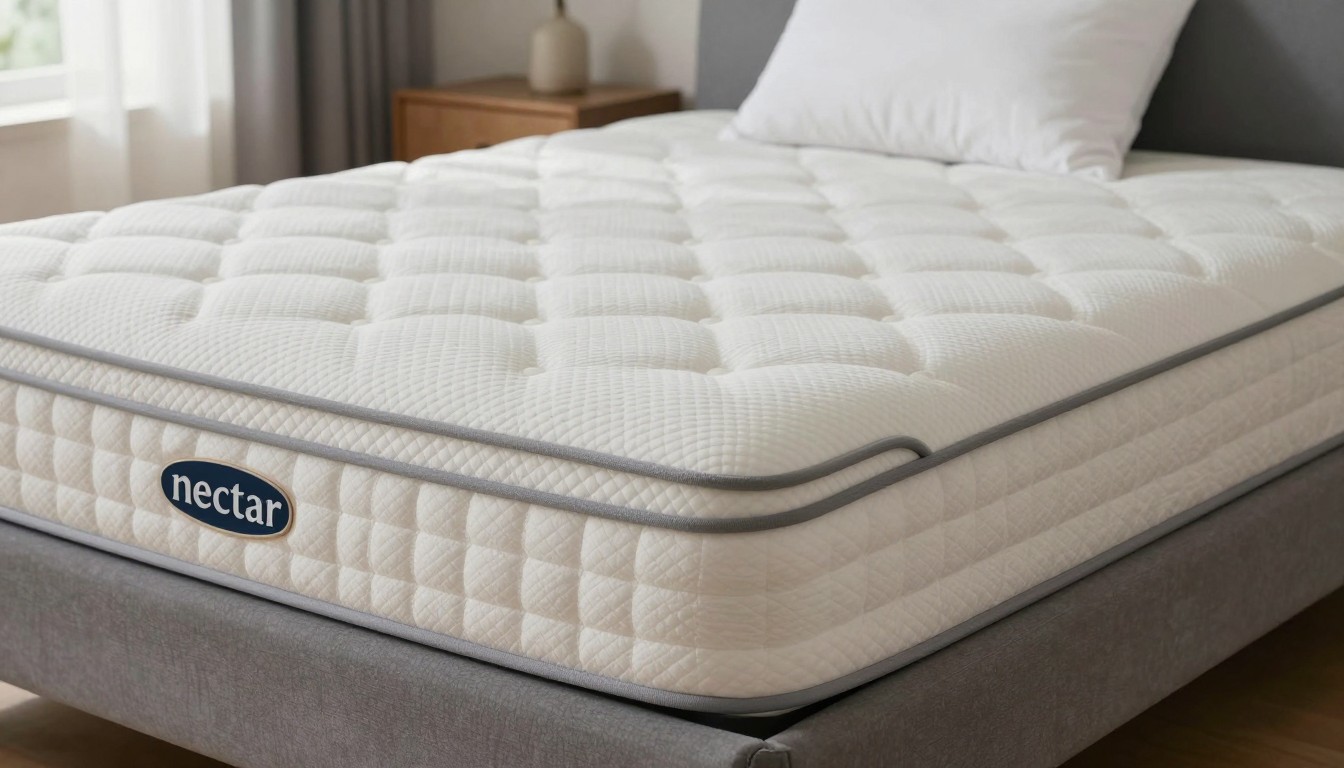
Start with Nectar. Per the manufacturer's spec, the flagship build stacks three foam layers, with a genuine memory-foam comfort layer up top and a thicker overall comfort section than most bed-in-a-box rivals. That memory foam is the whole point. It responds slowly, wraps around shoulders and hips, and spreads your weight across a wider area, which is what relieves pressure.
The cost of that design is physics. Denser visco foam holds more heat against the body, responds slowly when you roll over, and compresses more when your weight concentrates in one spot, like the edge. The manufacturer has addressed heat in some versions with cooling covers and gel-infused foams, and third-party reviewers note those features help, but a thick memory-foam stack will never breathe like a leaner build.
Tuft & Needle goes the opposite direction. Per the manufacturer, the Original is a two-layer all-foam design: a breathable comfort layer over a denser support core, wrapped in a loosely tacked cover. Fewer layers means fewer glue lines, fewer materials to break down, and a more direct path for air to move through the bed. Third-party reviewers regularly praise it for sleeping cooler than typical memory foam, and the construction explains why.
The Nut's take: construction decides this fight before feel ever enters it. Nectar's extra comfort foam buys you pressure relief and stillness, and charges you in heat and edge sink. Tuft & Needle's simpler stack buys you coolness and value, and charges you in deep contouring. Pick the trade you can live with for years, not the one that sounds better in an ad.
One more construction note for couples shopping small bedrooms. The thicker Nectar has a bulkier profile, which matters on tight frames and lower foundations. The leaner Tuft & Needle is easier to maneuver, rotate, and fit into a compact room, while still delivering solid support per owner feedback.
Comparing options? The Saatva Classic is the pick we keep coming back to — see the final verdict ↓
Feel, firmness, and sleeping position
Both brands market their flagships as medium-firm, and both land in that territory. But medium-firm is a wide neighborhood, and these two live on different streets. Nectar reads plusher because you sink into that memory-foam top before the support layers catch you. Tuft & Needle reads slightly firmer because the thinner comfort layer puts you closer to the dense core, so you float more on top of the bed than in it.
For side sleepers, I lean Nectar. Shoulders and hips are bony, load-bearing points, and the deeper contour gives them somewhere to go. Per the manufacturer, the Nectar is designed with exactly that pressure relief in mind, and owner reviews from side sleepers back it up. Strict side sleepers on the Tuft & Needle sometimes report wanting more give at the shoulder, which is a predictable outcome of the thinner comfort layer.
For back sleepers, I lean Tuft & Needle. The flatter, more supportive surface keeps the lumbar area level without the slow sink of memory foam, and third-party reviewers call it a strong fit for back and combination sleepers. Combination sleepers who change positions often will also find the Tuft & Needle easier to move on, since responsive foam doesn't hold your shape after you roll.
Quick position guide:
- Side sleepers: Nectar, for the deeper pressure relief.
- Back sleepers: Tuft & Needle, for the level, supportive surface.
- Combination sleepers: either works; Nectar if you want contour, Tuft & Needle if you want easy movement.
- Strict stomach or heavier sleepers: neither all-foam bed is my first choice; a coil support core holds hips up better over the long haul.
That last point is my materials bias showing. Foam softens with years of load, and stomach sleepers concentrate load at the hips, the exact spot you cannot afford to sag. Both of these are good mattresses, but foam has a ceiling, and heavy nightly hip load finds it.
Cooling, motion isolation, and edge support
Cooling first, because it decides a lot of purchases. According to verified owner reviews and third-party reviewers, Tuft & Needle is the cooler sleeper of the two, and again, the build explains it: less foam mass, a breathable comfort layer, and a loosely tacked cover that doesn't seal heat in. Nectar's memory foam can sleep warm for some people, particularly heavier sleepers who sink deeper into the heat-holding layers. If you run hot, that difference is not subtle.
Motion isolation flips the result. Nectar's dense memory foam is excellent at swallowing movement, which is exactly what memory foam was invented to do. If your partner tosses, gets up early, or shares the bed with a dog that dreams about sprinting, Nectar keeps more of that on their side. Tuft & Needle isolates motion well for an all-foam bed, but its more responsive comfort layer passes a bit more movement across the surface.
Couples, read this: you are trading one comfort against another. Nectar gives you a calmer sleep surface and a weaker edge. Tuft & Needle gives you a sturdier edge and a slightly livelier surface. Decide whether you fight more over motion or over usable mattress width, then buy accordingly.
On edge support, third-party reviewers rate Tuft & Needle as competitive for the all-foam category, and the geometry explains it: with less soft comfort foam on top, there's less material to collapse when you sit on the perimeter. Nectar's thicker comfort stack compresses more at the edge, so sleepers who use the full width of the bed effectively lose a little territory. Neither matches a reinforced coil perimeter, which is worth remembering if edge support is a top priority for you.
Price, trial, and warranty: read the checkout page, not the sticker
Nectar plays the premium-list, heavy-promo game. The mattress lists in a higher tier than Tuft & Needle, but the brand discounts frequently and deeply, especially around holidays and site-wide sale events. Tuft & Needle starts from a lower sticker price and still runs regular promotions, which keeps it among the most affordable mid-range all-foam options. The practical advice: ignore MSRP on both, open both sites on the same day, and compare live checkout prices including any bundles.
On policies, Nectar leans hard on a generous sleep trial and long warranty coverage, per the manufacturer's terms. Tuft & Needle keeps things straightforward and buyer-friendly, though some older versions carried shorter coverage than Nectar's, so read the current terms for the exact model you're buying rather than assuming. Terms change, and the warranty page in force on your purchase date is the one that governs your bed.
Since policy fine print is where mattress purchases go sideways, two resources worth your time before you buy. My breakdown of the Tuft & Needle warranty claim process walks through what filing actually looks like, and the Tuft & Needle return policy guide covers how returns work in practice. Nectar handles returns through its own trial program, so check the brand's current return terms on its official site before checkout.
Money tip: both brands run their deepest promotions around major holidays and sale events. If you're not in a rush, pricing out both beds during a sale window can shuffle which one is the better deal. Check the current offer on each official site rather than trusting any list price you see quoted anywhere, including here.
Which one should you buy?
Buy the Nectar if you're a side or combination sleeper who wants real pressure relief, if you share the bed and motion transfer keeps you up, or if you like the slow, cradling feel of genuine memory foam. Accept the warmer sleep and softer edge as the cost of that hug.
Buy the Tuft & Needle if you sleep hot, sleep on your back, want the lower upfront price, or prefer a simple, responsive mattress you move easily on. Accept less deep contouring as the cost of the cooler, leaner build. If you're cross-shopping the budget end of the foam market, my Zinus vs Tuft & Needle comparison covers how it stacks up against an even cheaper rival.
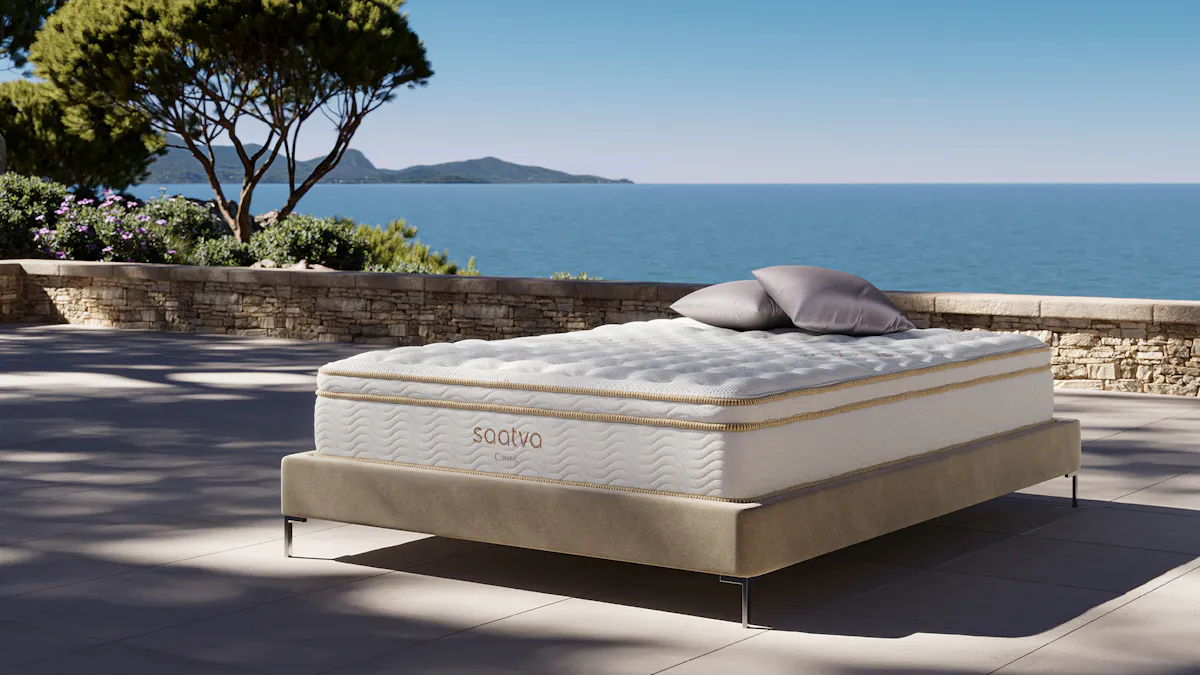
One more option deserves a mention, because both beds here share the same structural ceiling: they're all-foam, and all-foam means limited edge reinforcement, gradual softening under load, and modest airflow no matter how the layers are arranged. If your budget stretches past this pair, a hybrid innerspring like the Saatva Classic addresses all three with a coil support core. It's handcrafted in the USA, it's the brand's best-selling luxury mattress, and per the manufacturer it comes with flexible financing, a generous in-home trial, and a lifetime warranty. Nectar and Tuft & Needle are both good mattresses for the money, but if you want the bed you won't be replacing first, check the current offer on the official Saatva site before you decide.
FAQ
Is Nectar or Tuft & Needle better for side sleepers?
Nectar, in my view. Its thicker memory-foam comfort layer gives shoulders and hips more room to sink, which is what side sleepers need for pressure relief. Tuft & Needle's leaner build reads firmer at the shoulder, and some strict side sleepers in owner reviews report wanting more give there.
Which mattress sleeps cooler?
Tuft & Needle, according to third-party reviewers and verified owner feedback. The two-layer build with a breathable comfort layer and loosely tacked cover moves more air than Nectar's denser memory-foam stack, which can hold heat against deeper-sinking sleepers.
Do Tuft & Needle mattresses contain fiberglass?
Cover constructions and fire-barrier materials vary by model and production run, so check the law label and current spec of the exact mattress you're buying. My full Tuft & Needle fiberglass breakdown covers what to look for and how to verify it yourself.
Which is the better value?
On typical sticker prices, Tuft & Needle is the cheaper buy and one of the most affordable mid-range all-foam options. Nectar counters with frequent deep promotions that can close the gap fast, so the honest answer is whichever has the better live checkout price the week you're buying.
Can I return either mattress if it doesn't work out?
Both brands sell with home trial periods and accept returns, though the exact terms, lengths, and any fees differ by model and current policy. Read the trial and return terms on each official site before purchasing, and keep your order confirmation and the mattress law label until the trial ends.
FINAL VERDICT
Before you settle: if nectar vs tuft and needle is what brought you here, the Saatva Classic is the value pick on this page — more home-trial and warranty coverage than the alternatives covered here. Confirm current price, dimensions and terms on the official product page before ordering.
OUR CATEGORY-MATCHED PICK · UP TO $625 OFF
Saatva Classic
- 365-night home trial and lifetime warranty, per saatva.com
- Handcrafted in the USA, free white-glove delivery
- Flexible financing available