
 by
by Quick answer: The Nolah Evolution Comfort+ is worth shortlisting for heavier sleepers who want a sturdy hybrid, but buy only after confirming its firmness, layer specifications, support guidance, policies, and price.
- Sleepopolis calls the Comfort+ Nolah’s entry for heavier sleepers.
- Sleepopolis says it put the mattress through a series of studio tests.
- Nolah maintains a dedicated official product listing for this model.
Updated July 2026 · Reviewed for accuracy
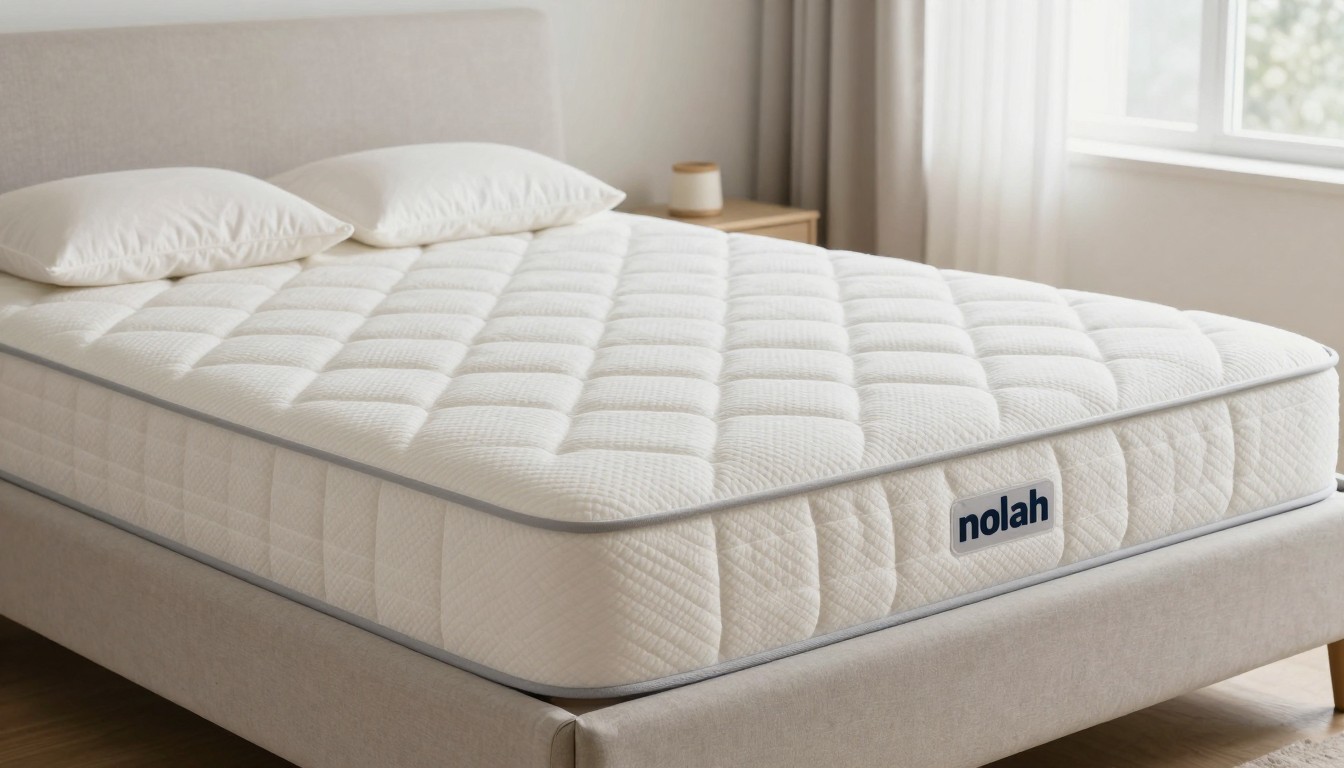
The Nolah Evolution Comfort+ has a clear purpose. According to Sleepopolis, it was created for heavier sleepers, while separate published coverage describes it as a sturdy hybrid.
That focus makes sense. What’s missing is equally relevant: the cited material doesn’t establish the exact firmness, internal layer specifications, cooling performance, motion isolation, edge strength, or current purchase terms. I’d treat it as a promising specialist mattress, not a blind buy.
What the Nolah Evolution Comfort+ is meant to do
One audience signal is unusually clear: this mattress targets heavier sleepers. Sleepopolis describes the Evolution Comfort+ as Nolah’s move into beds for heavier people, rather than presenting it as another general-purpose mattress.
That distinction matters because a mattress designed around higher-weight sleepers should be judged against that stated purpose. I want to know how its comfort materials respond under sustained pressure, how firmly its support system holds the midsection, and whether its perimeter remains usable. The cited review summaries don’t provide those outcomes, so I won’t treat them as proven strengths.
Sleepopolis also says it evaluated how the mattress might feel to different sleepers through a series of studio tests. That confirms outside performance coverage exists, but the summary provided here doesn’t report the results. A mention of testing isn’t a substitute for the findings.
My read: The Comfort+ has a more specific reason to exist than many vaguely positioned mattresses. Its heavier-sleeper focus is meaningful, but the model still has to prove that promise through construction details and clearly reported performance.
Don’t transfer specifications from similarly named models. A separate Sleep Foundation result covers the Nolah Evolution Hybrid, not the Comfort+, and claims about that mattress shouldn’t be assigned to this one. For wider brand context, our Nolah mattress review can help, but this model needs to stand on its own evidence.
| Buying question | What is supported | What remains to be confirmed |
|---|---|---|
| Who is it for? | Heavier sleepers, according to Sleepopolis | Exact support guidance for each configuration |
| What type is it? | A sturdy hybrid, according to the published test-lab summary | Layer materials, foam densities, coil design, and edge layout |
| Has it received outside coverage? | Sleepopolis reports conducting studio tests | The actual category results and their practical meaning |
Construction: the hybrid label only tells us so much
“Sturdy hybrid” is the strongest construction description in the published Comfort+ coverage. In basic mattress terms, a hybrid combines a comfort system with a spring-based support core. That format can suit a support-focused design, but the label alone says little about material quality.
I’d want the exact layer breakdown before making a durability call. Foam density helps show how substantial a comfort layer may be. Coil gauge, coil arrangement, reinforcement, and the way the perimeter is built would reveal much more about the support system than the word “hybrid.” None of those details appears in the cited summaries.
The same caution applies to the cover and quilting. Without a confirmed material description, I can’t say the surface is breathable, temperature-regulating, deeply cushioned, or easy to move across. Those would be product claims, and the hybrid label doesn’t prove them.
Construction details I’d confirm before ordering:
- The complete layer order and material names
- Foam densities and the depth of each comfort material
- Coil gauge, zoning, and perimeter reinforcement
- The manufacturer’s support guidance for the selected size
- Foundation requirements and any exclusions tied to improper support
A heavier-sleeper mattress needs more than a firmer first impression. I’m interested in how the entire build manages repeated loading over time, especially through the upper foams and the center of the support unit. Calling the mattress sturdy is encouraging, but it isn’t a substitute for measurable construction specifications.
Model names can also blur together. Our separate Nolah Evolution queen review provides context on another Evolution search, but its specifications shouldn’t be assumed to match the Comfort+.
My construction verdict is therefore guarded. The hybrid format and support-focused positioning are logical for the intended audience, yet there isn’t enough cited detail to score the materials or predict how well the comfort layers will retain their shape.
Comfort and sleeping-position fit
Sleepopolis says its Comfort+ testing considered how the mattress might feel to different sleepers, but the public summary cited here doesn’t give the position-by-position conclusions. That prevents a responsible claim that the mattress suits every side, back, stomach, or combination sleeper.
Body weight is only part of comfort. Sleep position, body shape, sensitivity to pressure, and preference for surface cushioning all affect whether a support-oriented mattress feels balanced. A model aimed at heavier people can still feel too resistant to one person and too yielding to another.
For a primarily side-sleeping buyer, I’d focus on whether the surface allows comfortable settling around the shoulder and hip while keeping the middle of the body supported. The available Comfort+ claims don’t establish that balance. A general promise of sturdiness doesn’t answer the pressure-relief question.
Comfort check: Don’t assume “made for heavier sleepers” means “extra firm.” The cited sources establish the target user, not a confirmed firmness level or a universal feel.
Back sleepers should pay close attention to how the mattress holds the pelvis in relation to the upper body. Stomach sleepers need to decide whether the middle feels stable enough for their preferred posture. Those are fitting questions to resolve through the manufacturer’s current firmness description and purchase policy, not features I can award without reported results.
Combination sleepers have another concern: ease of movement. The cited coverage doesn’t say whether the surface responds quickly or creates a deeper, slower cradle. Because the precise comfort materials aren’t established here, I can’t infer responsiveness from the product name.
Couples may also have different weight and feel requirements. A mattress built around higher-weight support could be suitable for one partner while feeling less accommodating to the other. That doesn’t make the design flawed; it means both people should evaluate the same firmness option rather than assuming the intended audience guarantees shared comfort.
I like the specificity of the Comfort+ concept. I don’t like guessing about feel. Until the exact firmness description and layer construction are confirmed, the safest verdict is that it deserves consideration from its stated audience, not a universal comfort recommendation.
Comparing options? The Saatva Classic is the pick we keep coming back to — see the final verdict ↓
Cooling, motion isolation, and edge support
No temperature result, motion-isolation result, or edge-support result appears in the cited Comfort+ summaries. That’s a major limit because these performance categories often decide whether a hybrid works for a particular bedroom.
A hybrid construction doesn’t automatically settle the cooling question. The cover, quilting, comfort materials, airflow through the support unit, bedding, and room conditions can all shape a sleeper’s experience. Without confirmed materials or reported findings, I can’t label this mattress cool or warm.
The same restraint applies to motion. Sleepopolis reports conducting studio tests, but the summary doesn’t disclose a motion result. Couples should therefore avoid assuming the Comfort+ either absorbs movement exceptionally well or feels unusually lively.
| Performance area | Published support | What the buyer should establish |
|---|---|---|
| Cooling | No cited temperature outcome | Cover materials, comfort-layer design, and applicable return terms |
| Motion isolation | No cited motion outcome | How easily a partner’s normal movement crosses the surface |
| Edge support | No cited edge outcome | Whether the perimeter remains comfortable for sitting and sleeping |
| Ease of movement | No cited responsiveness outcome | How readily the surface releases pressure during position changes |
Edge support deserves particular scrutiny on a mattress aimed at heavier sleepers. Buyers who sleep near the side or regularly sit on the perimeter should seek a direct manufacturer description of any reinforcement and read detailed third-party findings. “Sturdy” is too broad to prove edge performance.
An absence of reported results doesn’t mean the mattress performs poorly. It means a positive rating would be speculation. My review stops where the verified claims stop.
Durability, price, and overall value
The word “sturdy” points in the right direction, but it can’t establish long-term durability. The published test-lab summary uses that description for the Comfort+, while the layer densities, coil specifications, and extended owner feedback needed for a stronger durability judgment aren’t stated.
This is where my materials-first approach becomes strict. A mattress can feel supportive at the start and still depend heavily on the quality of its upper layers. Without density information or a detailed layer map, I can’t estimate how the surface will change with sustained use.
Price needs similar care. Nolah’s official site is the named source for listed figures including $844 and $1,610, but those amounts aren’t mapped here to a specific Comfort+ size or option. I won’t present either figure as this mattress’s exact price. Check the current total for the precise configuration being considered.
Value depends on more than the displayed total:
- Confirm the exact mattress configuration attached to the price.
- Read the current return, warranty, delivery, and foundation terms.
- Check whether the construction details justify the cost for your needs.
- Keep copies of the specifications and policies shown when ordering.
I wouldn’t judge value from a promotional price in isolation. For this model, value rests on whether the support design truly matches the sleeper, whether the comfort level is suitable, and whether the written policies leave enough room to resolve a poor fit.
The dedicated Nolah product listing is the right place to verify current terms, but manufacturer language should be read precisely. Look for exclusions, required foundations, handling of body impressions, and the process for a return or claim. I’m not assigning policy benefits that aren’t stated in the cited facts.
| Supported positives | Unresolved trade-offs |
|---|---|
|
|
Buyers exploring another Nolah model should evaluate it separately. Our Nolah Natural review covers that distinct option without assuming its construction or feel carries over to the Comfort+.
Final verdict: who should buy it and who should skip it
One fact drives my verdict: the Nolah Evolution Comfort+ was intentionally positioned for heavier sleepers. Sleepopolis makes that target clear, and published test-lab coverage describes the mattress as a sturdy hybrid. That’s enough to earn a shortlist spot for the right buyer.
I’d consider it if higher-weight support is the main goal and the official firmness, materials, support guidance, and purchase terms all check out. I’d also want the exact configuration confirmed in writing before paying, since the cited price figures aren’t mapped to this model.
I’d pause if cooling, motion isolation, edge support, or a specific comfort profile is non-negotiable. None of those outcomes is established in the cited material. A buyer who needs detailed foam and coil specifications before committing also has good reason to wait for clearer documentation.
The Nut’s verdict: The Comfort+ has a credible purpose and a sensible hybrid format for its stated audience. It isn’t documented well enough here for an unconditional recommendation, so verify the build, feel, policies, and exact price first.
If you want one optional benchmark outside Nolah, compare the Saatva Classic separately. Nothing in the cited Comfort+ evidence supports naming a head-to-head winner.
ONE VERIFIED ALTERNATIVE
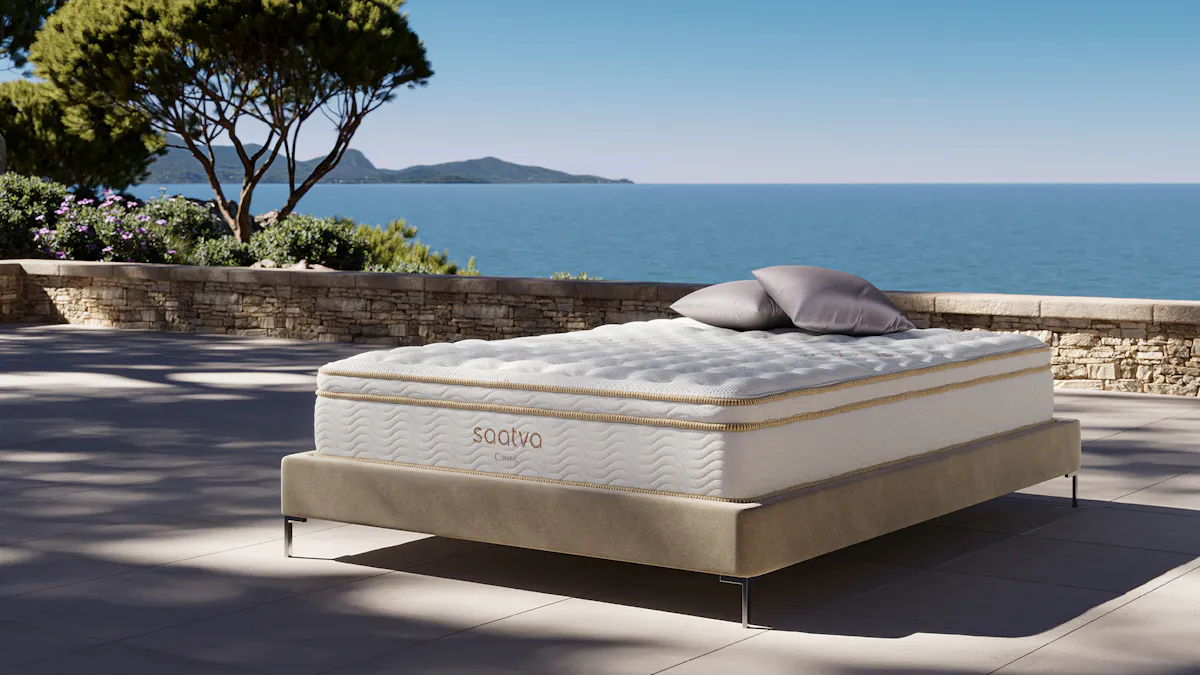
Not quite the right fit? The Saatva Classic is worth a look as an alternative. Check today’s price, sizing and return terms on the official product page before you order.
Saatva Classic
- 365-night home trial and lifetime warranty, per saatva.com
- Handcrafted in the USA, free white-glove delivery
- Flexible financing available
FAQ
Is the Nolah Evolution Comfort+ good for heavier sleepers?
It appears purpose-built for that audience. Sleepopolis describes the Comfort+ as Nolah’s entry into mattresses for heavier people, and published test-lab coverage calls it a sturdy hybrid. Suitability still depends on the chosen firmness, individual sleep position, and confirmed manufacturer support guidance.
How firm is the Nolah Evolution Comfort+?
The cited Comfort+ claims don’t establish a specific firmness level or confirmed set of firmness choices. Don’t borrow firmness information from another Evolution model. Check the exact wording for the Comfort+ configuration being ordered.
Does the Nolah Evolution Comfort+ sleep cool?
No supported cooling result is included in the cited summaries. The cover materials and complete comfort-layer construction also aren’t established here, so I can’t responsibly give it a cooling verdict. Buyers sensitive to warmth should confirm those details and read the current return terms.
Is the Nolah Evolution Comfort+ suitable for couples?
Possibly, but no motion-isolation or edge-support result is stated in the cited coverage. Couples should consider both partners’ weight, sleep position, firmness preference, and use of the perimeter. The heavier-sleeper focus alone doesn’t prove that two people will find the same configuration comfortable.
Is the Nolah Evolution Comfort+ worth the price?
It may be worth considering if its support-focused design matches your needs, but the cited Nolah prices aren’t mapped to an exact Comfort+ configuration. Confirm the current total, construction specifications, and written purchase terms together. Without that information, a firm value verdict would be guesswork.