 by
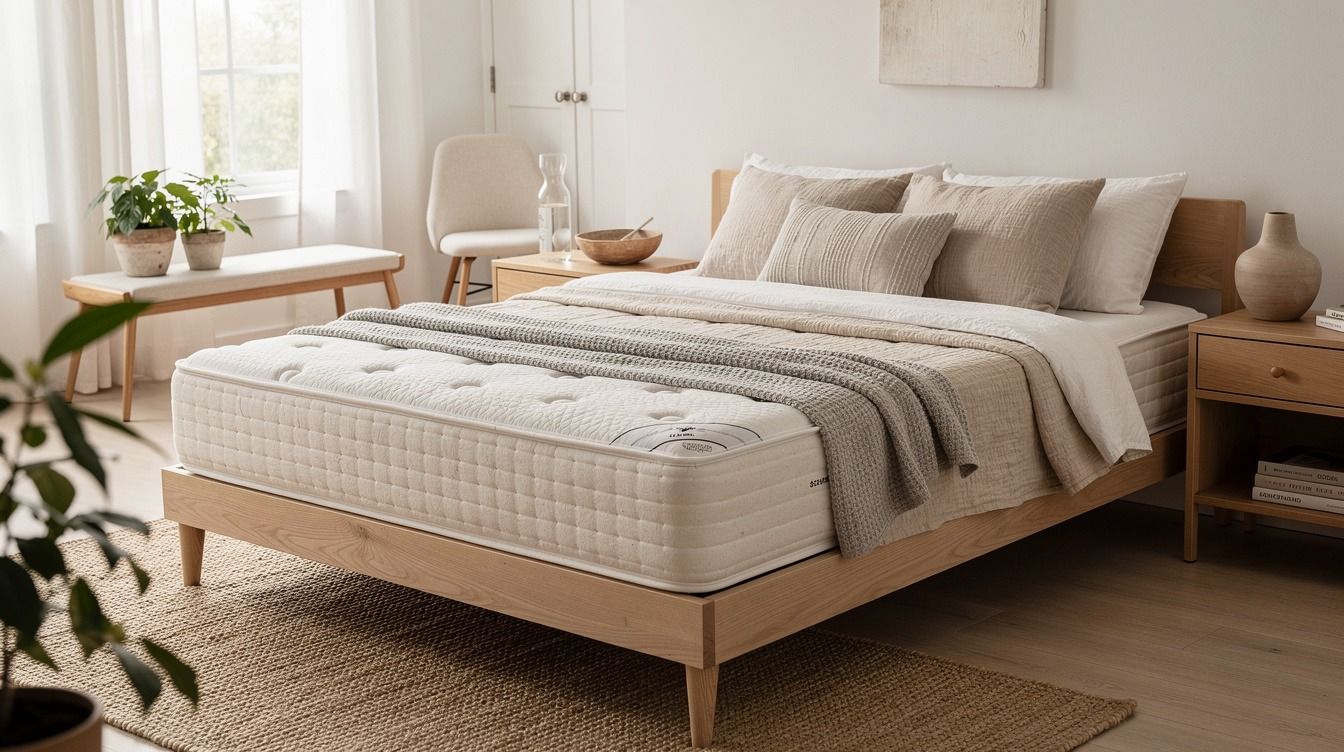
by Non-toxic mattress for chemical sensitivity was the first thing I changed when my bedroom started feeling wrong at 3 a.m. The old mattress had that sharp, plasticky smell, and I kept opening the window even when the room was cold.
I had a limited budget and zero interest in turning this into a flawless beige showroom. I wanted a calmer place to sleep. A room that didn’t make me second-guess the air every time I pulled up the covers.
The moment I stopped trying to ignore it
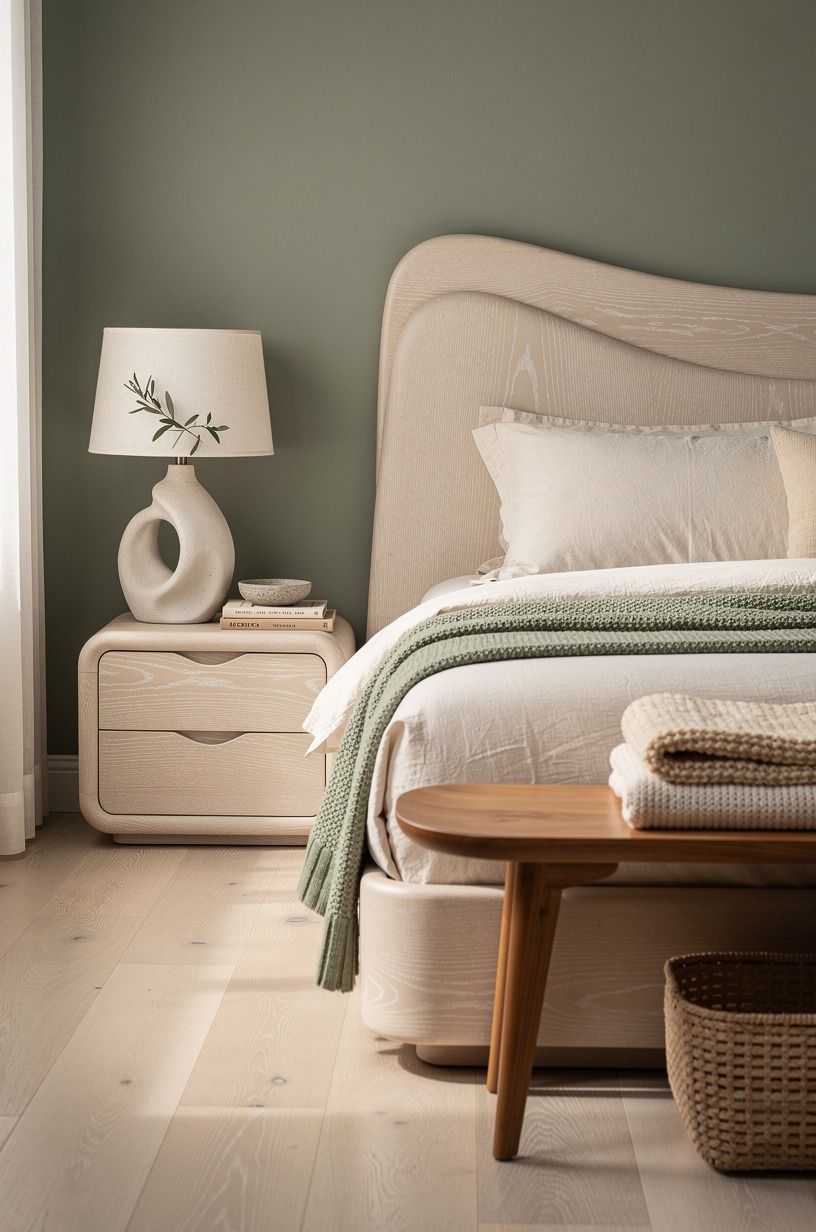
For a while, I told myself I was being picky. The smell would fade. The headaches after changing sheets were probably from a long day.


Maybe. But I’d wake up with my face turned toward the open window, which felt like a pretty clear vote from my body.
I’m not claiming a mattress can solve anyone’s health issue. It didn’t turn me into a person who sleeps eight perfect hours either. But reducing the smell in my own room made bedtime feel less tense, and that mattered more than I expected.
The room before was functional. Barely.
A dark platform bed, synthetic bedding, a candle I kept lighting to cover the odor, and one overworked fan. Not restful.
Just full.
I made the mattress the first real decision
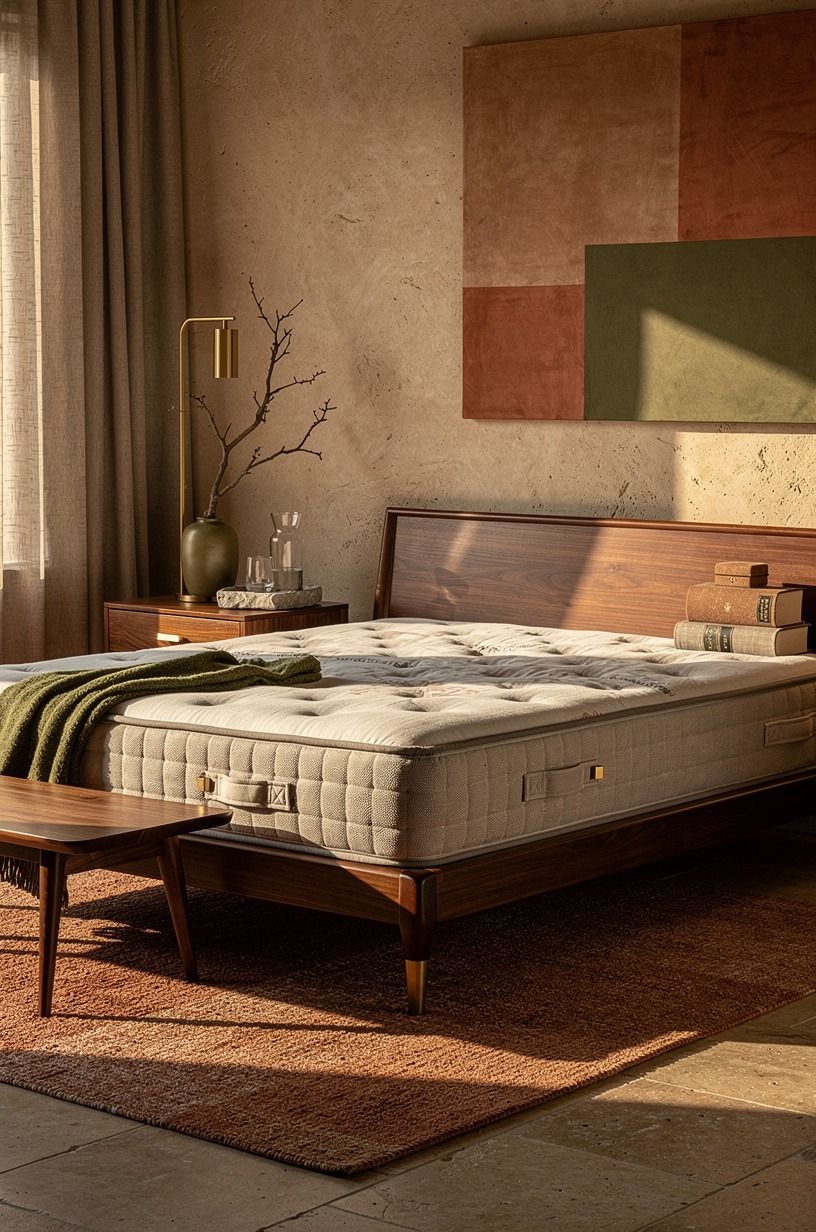
I didn’t start with paint or pillows because I think a healthy bedroom begins under the sheets. That was my opinion after wasting too much time trying to decorate around something I didn’t want to lie on.
I chose Zenhaven after narrowing my search to materials I felt more comfortable bringing into a small, closed bedroom. I liked that the decision forced me to slow down and read what I was buying instead of clicking on whatever had the loudest sale banner.
But I was nervous. A mattress is a big, unglamorous purchase, and I worried I was putting too much hope into it.
The first few nights felt different, though. Less chemical smell.
Less urge to throw the window open at midnight.
I let the room air out before adding anything pretty

I stripped the bed, opened both windows, and left the door wide open for a full afternoon. Then I vacuumed under the frame, wiped the nightstands, and stopped using the heavily scented room spray I’d been relying on.
Not glamorous. Necessary.
And I learned that my version of a low-VOC bedroom had to be a series of boring choices, not one dramatic purchase. I chose unscented laundry products, skipped the artificial fragrance, and gave new items time to air out somewhere other than beside my pillow.
I’d rather have a room that smells faintly like washed cotton than one trying too hard to smell like a hotel lobby. That’s just me. The air felt softer after that first reset (even though the room still looked a little sad).
The topper was my hesitant second layer
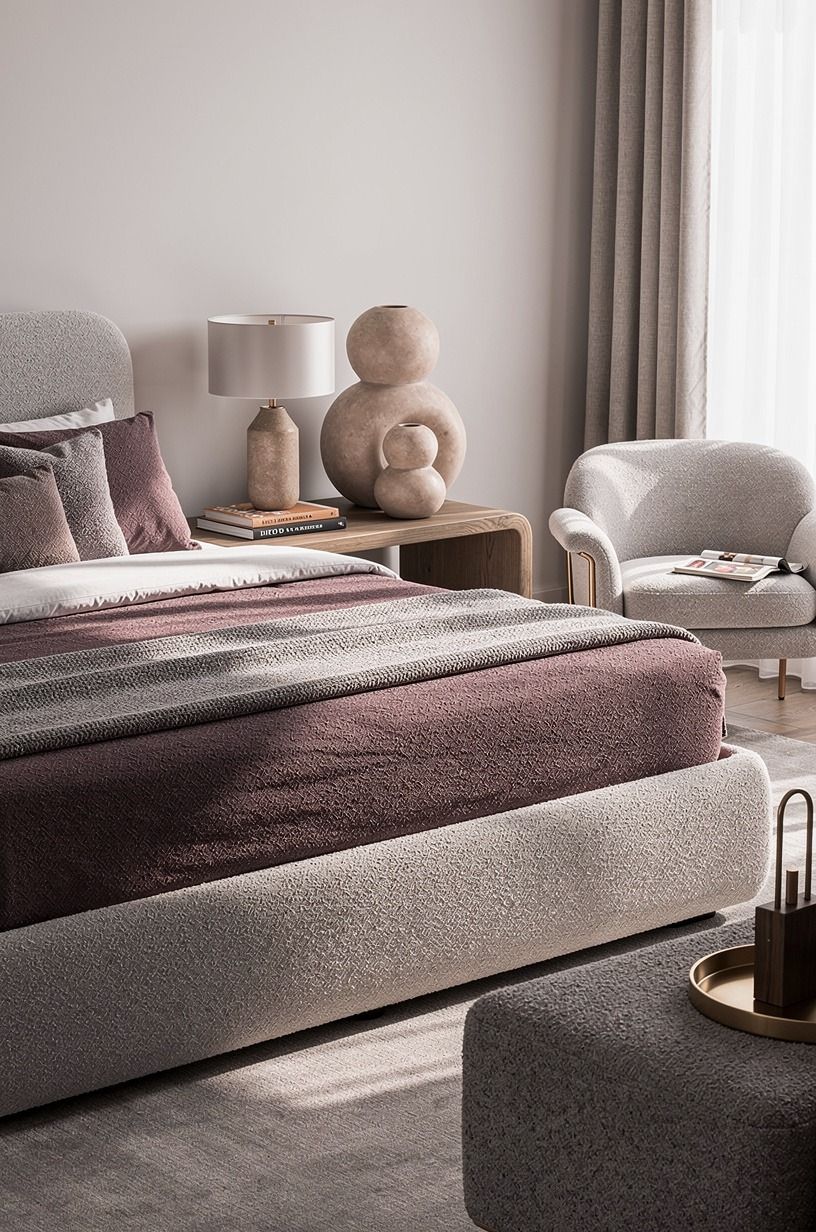
I added a Latex Mattress Topper because I wanted a little more cushioning without replacing the feeling of the mattress underneath. I wasn’t sure it was worth it. For two weeks, I regretted adding another layer because making the bed became fussier and the fitted sheet kept popping loose.
But once I found deeper-pocket sheets, I changed my mind. The bed felt gentler at my shoulders, and I liked that I could adjust comfort without buying more furniture or filling the room with stuff.
I’d still skip a topper if you already love the surface of your mattress. More layers aren’t always better. In my room, it worked because the bed needed softness, not a whole new identity.

The Piece My Whole Bedroom Is Built Around
Natural materials, a 365-night home trial, free white glove delivery. Decide in your own room, not a showroom.
I replaced the loudest fabric first
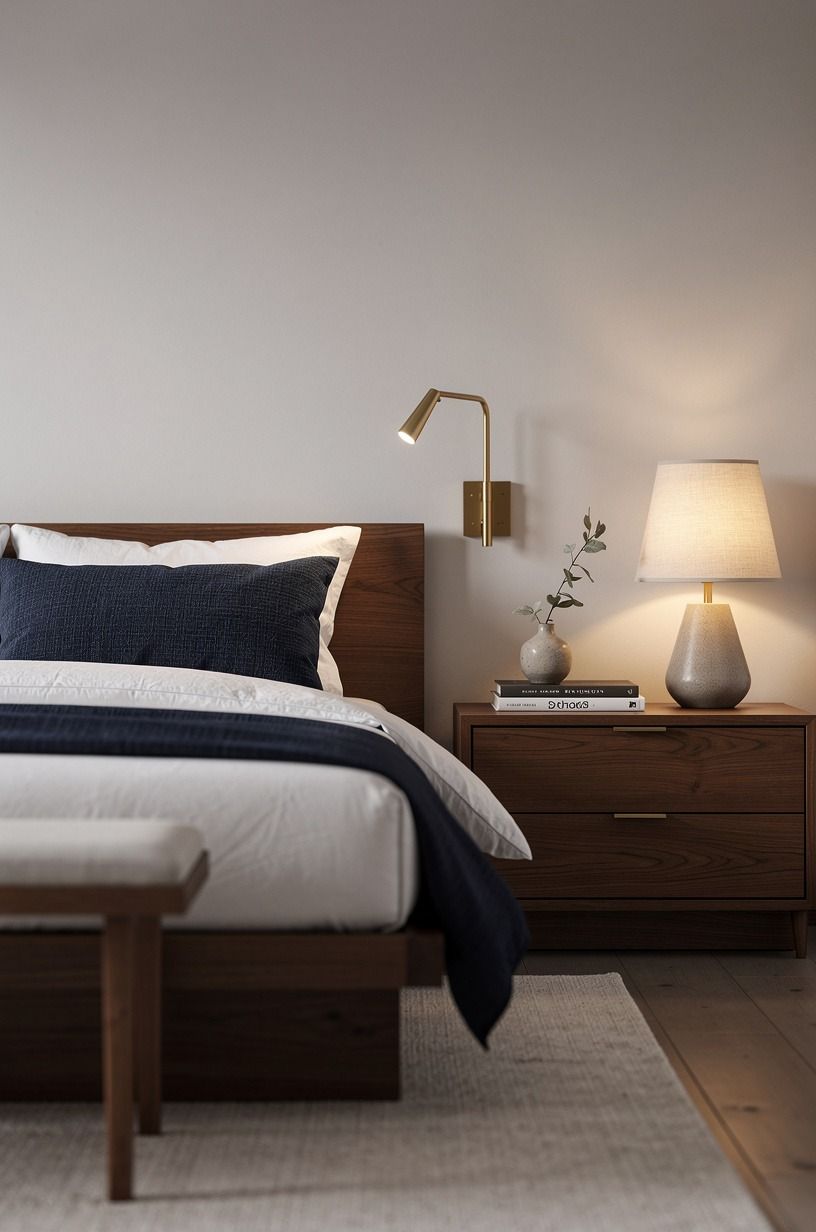
The old sheets had a slick finish that trapped heat and made the bed feel vaguely noisy. I replaced them with Organic Cotton Sheets, then waited a few washes before deciding whether I liked them.
I did. A lot.
And the difference wasn’t fancy. The fabric felt dry and breathable against my skin, rather than slippery, and I stopped waking up tangled in the top sheet. I think bedding is where people often buy the cheapest possible option, then wonder why the bed never feels inviting.
I kept the colors warm and quiet: oatmeal, faded clay, and soft cream. No matching set. No visual clutter.
Just layers I wanted to touch at the end of the day.
I used color to make the low-VOC room feel lived-in
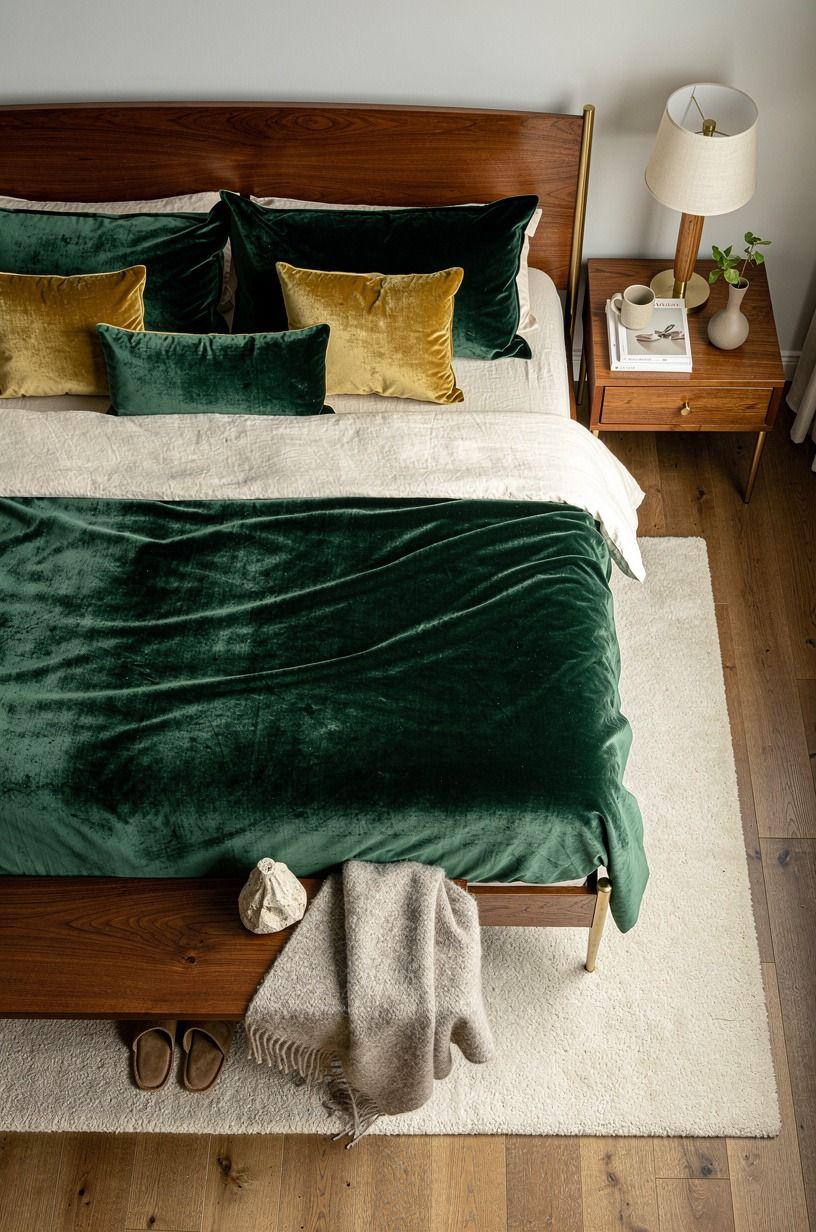
Once the bed no longer felt like a problem I had to manage, I painted the wall behind it Benjamin Moore Pale Oak OC-20. I chose it because I didn’t want a stark white room that made every shadow look cold.
The color has enough warmth to make the cotton bedding look intentional, especially in late afternoon. I’d choose it again over a trendy deep green for this particular room. Dark paint can be moody and gorgeous, but my bedroom needed light more than drama.
But paint is the part I’d approach more carefully next time. I should have tested a larger sample first. At night, the wall looks slightly grayer than I expected, and I spent a few days wondering if I’d made the room dull.
I hadn’t. I just needed a lamp with a warmer bulb and a little patience.
I edited the bedside zone instead of buying more storage
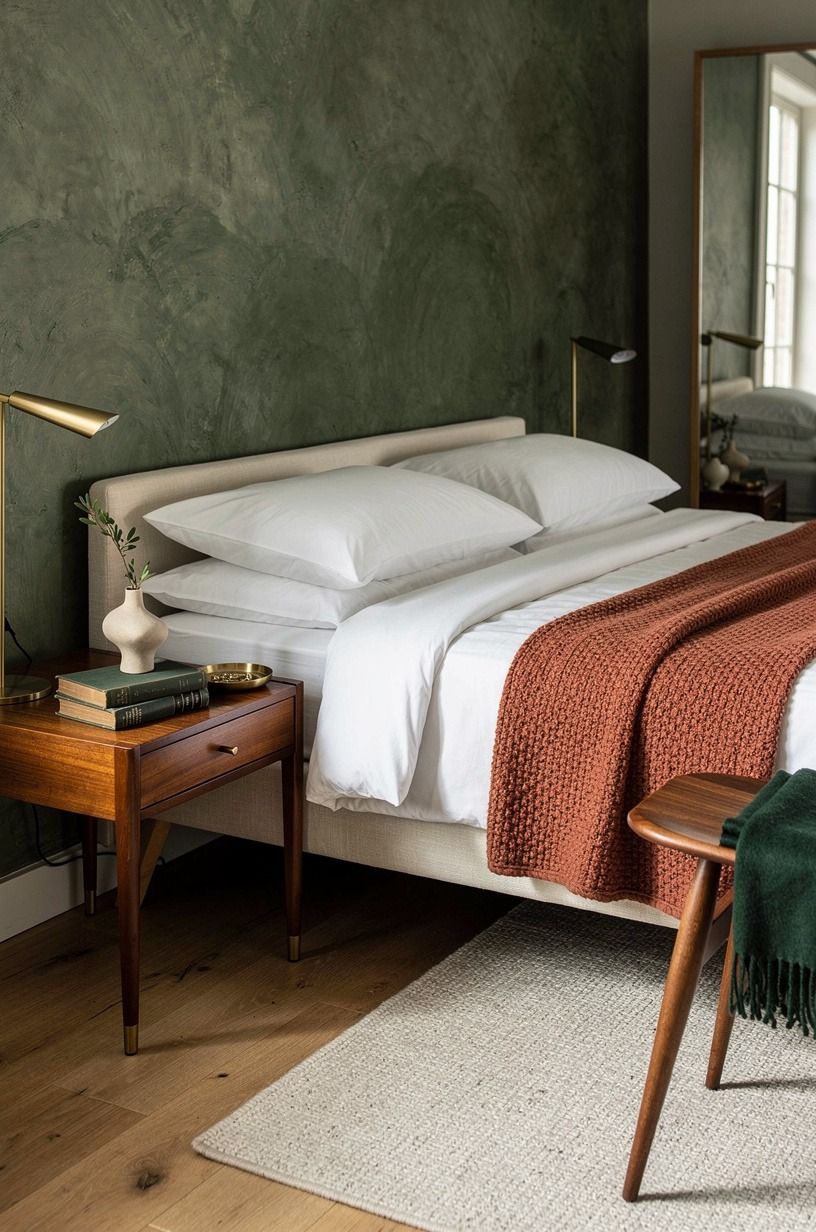
I removed the pile of books, the scented lotion, and the chargers that had become a tiny wire nest. Then I kept one ceramic lamp, a glass of water, and a small woven basket for the things I use before bed.
Less visual noise. Better.
I’m convinced the bedside area matters almost as much as the mattress because it’s the last thing you see when you’re tired. My nightstand sits close to mattress height, so reaching for water doesn’t feel awkward or wake me up more. Such a small thing.
And I stopped treating every empty surface as an invitation to decorate. The room feels more peaceful because there’s space around the objects I kept.
What I’d do differently, and what I’d keep
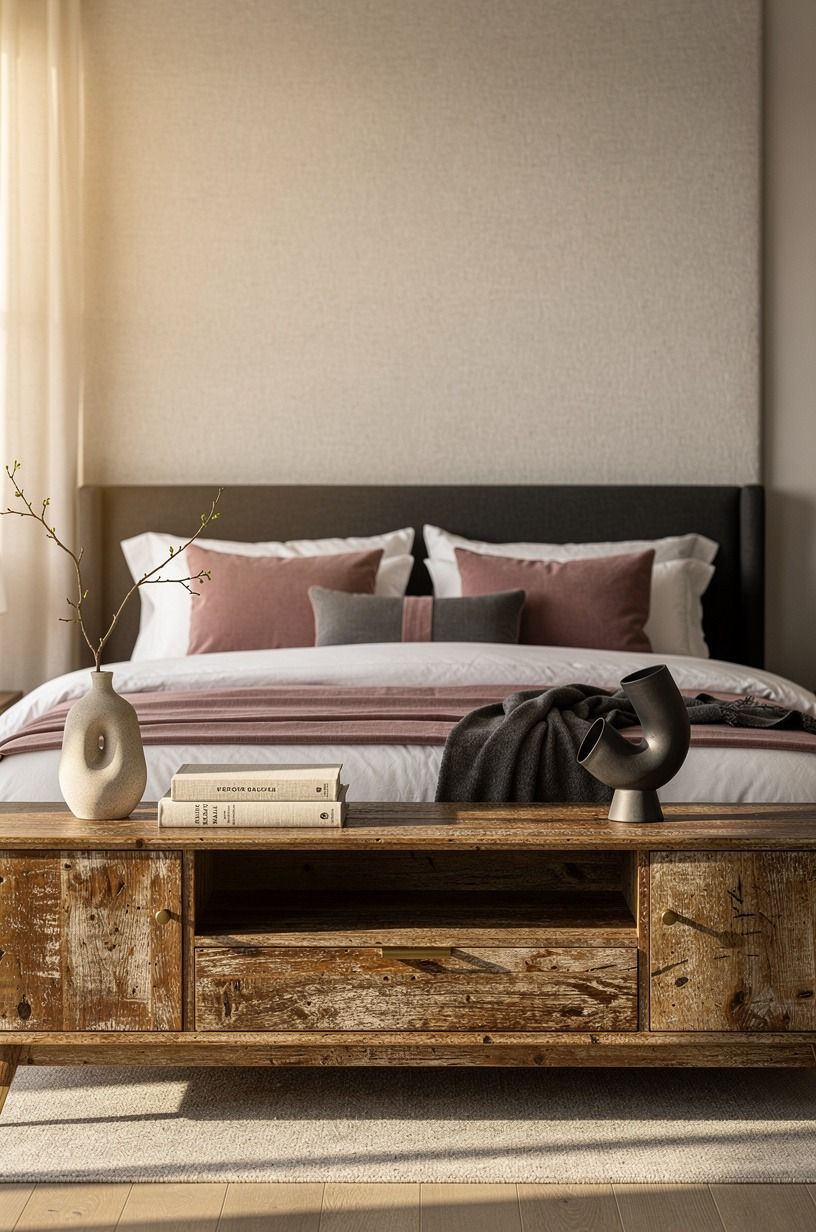
I’d air out every new item before it entered the bedroom. No exceptions. I’d also choose the mattress before committing to a bed frame, because I wasted time measuring around what I already owned instead of what would support the way I wanted to sleep.
My biggest regret is the old scented candle. I kept it around far too long because I associated the smell with “cozy,” even though it was covering up the actual issue. I don’t miss it.
But I’d make this same set of choices again. I like that the room doesn’t perform wellness for anyone. It just feels calmer to me, with materials I’m more comfortable living beside.
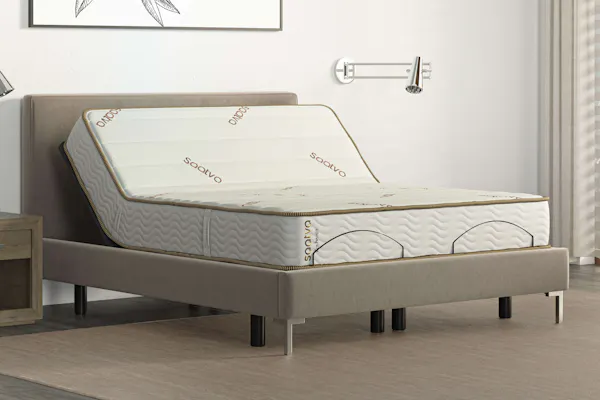 My pick for a healthier bedroomZenhavenTalalay latex, organic cotton, 365-night trial, lifetime warranty, free white glove delivery.See the Zenhaven
Build Your Own Healthier Bedroom
Sale pricing runs on orders over $1,000, and the 365-night trial gives you a full year of nights to be sure.
Where I’d start if your bedroom feels off
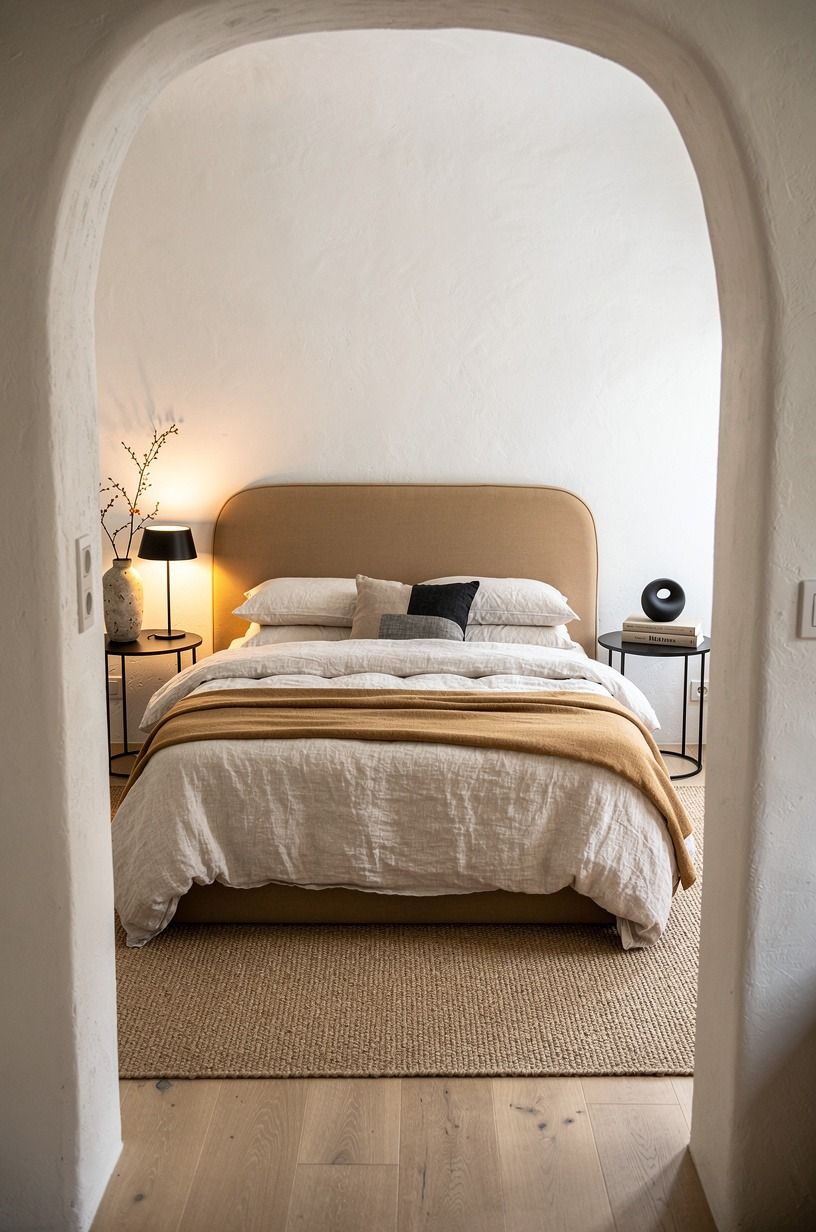
If I had to pick one, I’d start with the mattress. You can’t layer a calm bedroom over something you dread climbing into each night. Now, my window is cracked open beside the bed, and the cotton sheet is folded over the quilt at the footboard.