
 by
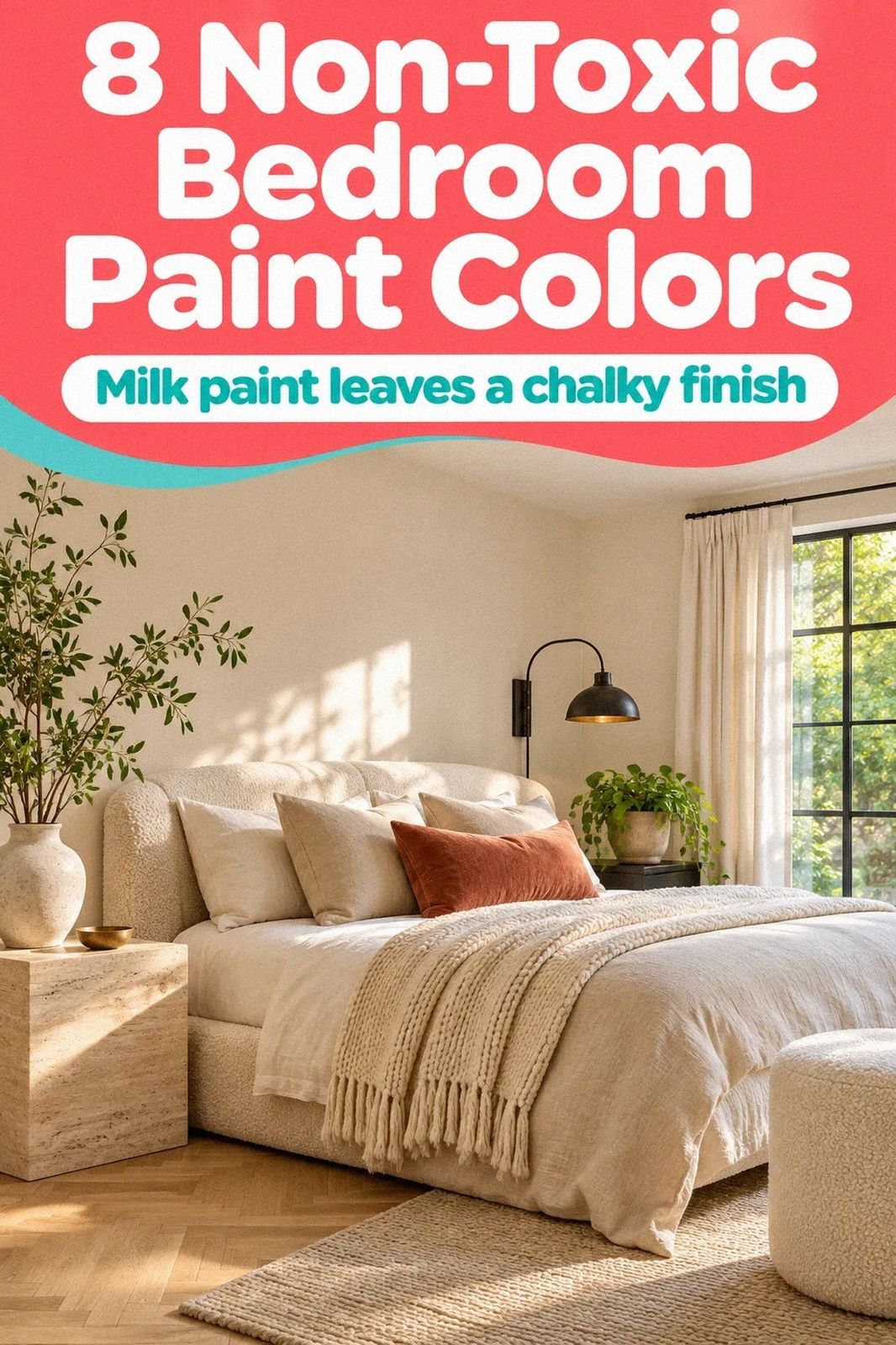
*Non-Toxic Paint Bedroom Ideas (Low VOC & Calm Colors) started with one embarrassing detail: my bedroom smelled like plastic whenever the heater came on. I was waking at 3 a.m., staring at the ceiling, and postponing the makeover because my budget was tight. The room wasn't dramatic. Just tired, yellow, and hard to rest in.
I decided to change the air and the mood at the same time. No renovation crew.
No new furniture set. I chose quieter materials, painted slowly, and made one bed decision that took longer to trust than I'd expected.
The night I admitted the bedroom was wrong
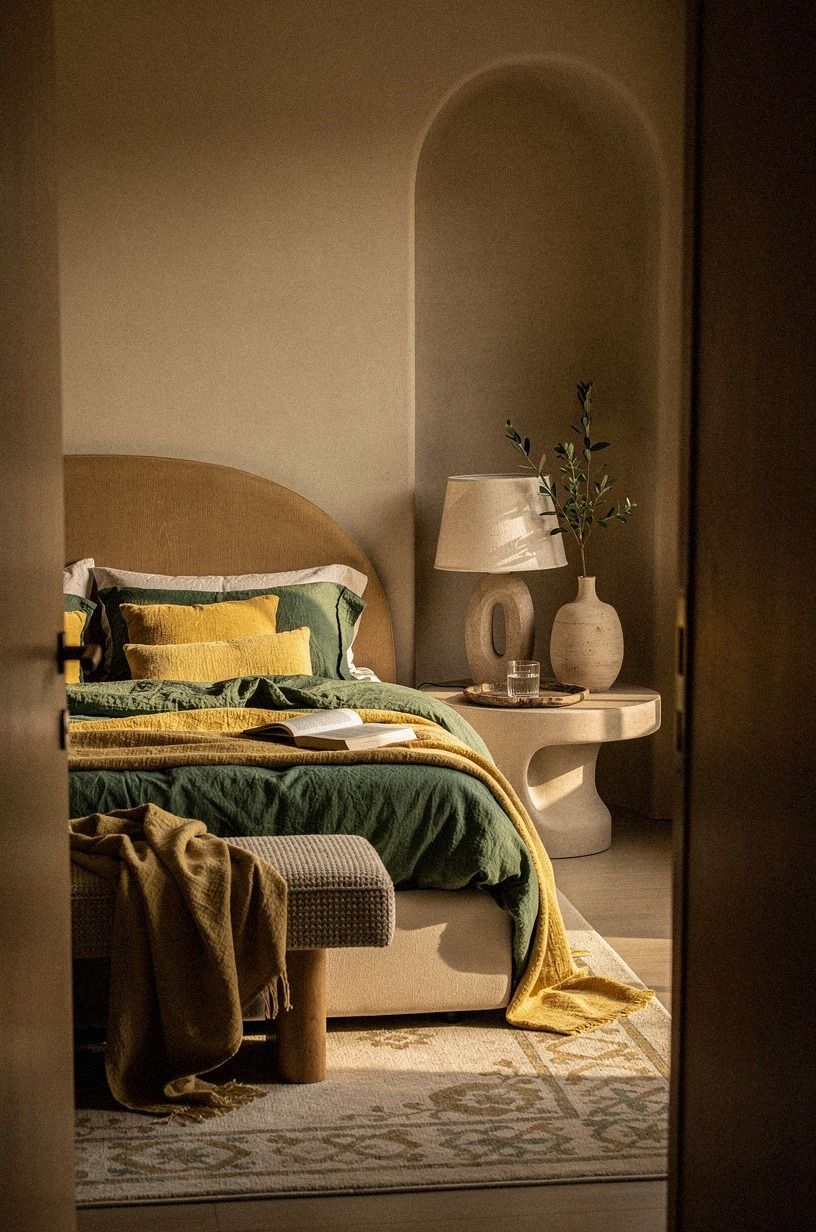
The problem wasn't only the color. The old beige walls looked green beside the curtains, while the overhead bulb made everything feel harsh after sunset. My mattress had started holding heat, and the plastic smell from the old cover bothered me most when the room was closed overnight.


I kept telling myself I was being fussy. But I knew the room wasn't helping me settle down. My opinion was simple: a bedroom shouldn't require you to ignore it before you can sleep.
I began by opening the windows, washing every removable textile, and moving the plastic storage bins out of the room. Then I read through this non-toxic mattress guide for chemical sensitivity and low VOC materials before I bought anything.
I wanted a personal experiment, not a medical promise. If you have allergies or another health concern, check with your doctor about what makes sense for you.
Here's what it looked like before
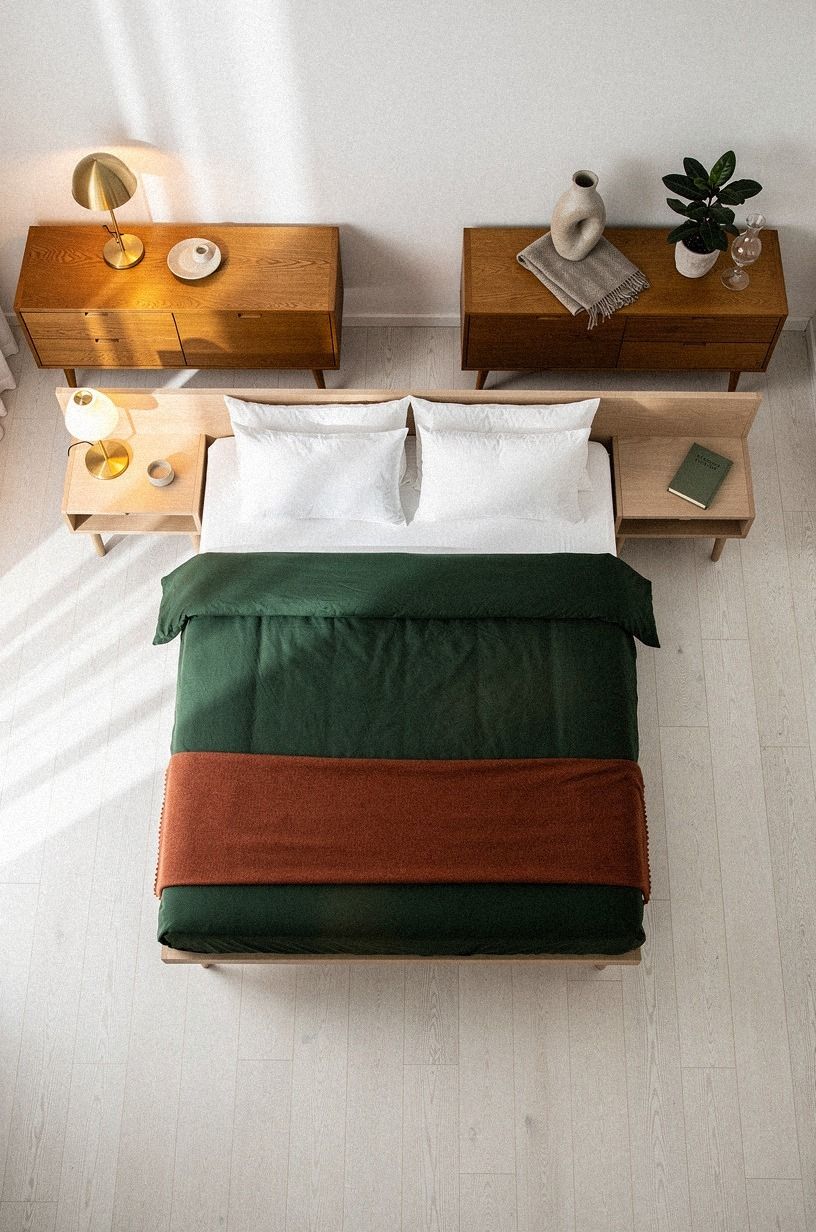
The before photo says most of it. A cramped, yellow little room. The bed was pushed too close to the window, one mismatched nightstand leaned toward the wall, and the only light came from a ceiling fixture with a cold white bulb.
I had painted over the original builder beige once, but the old color still flashed through near the trim. A bad yellow cast. The curtains were thin polyester, the rug stopped short of the bed, and every surface had become temporary storage.
And I didn't want a showpiece. I wanted a room where you could put down a book, turn off the light, and not feel as if you were sleeping inside a storage closet.
I tested calm bedroom colors before touching the walls
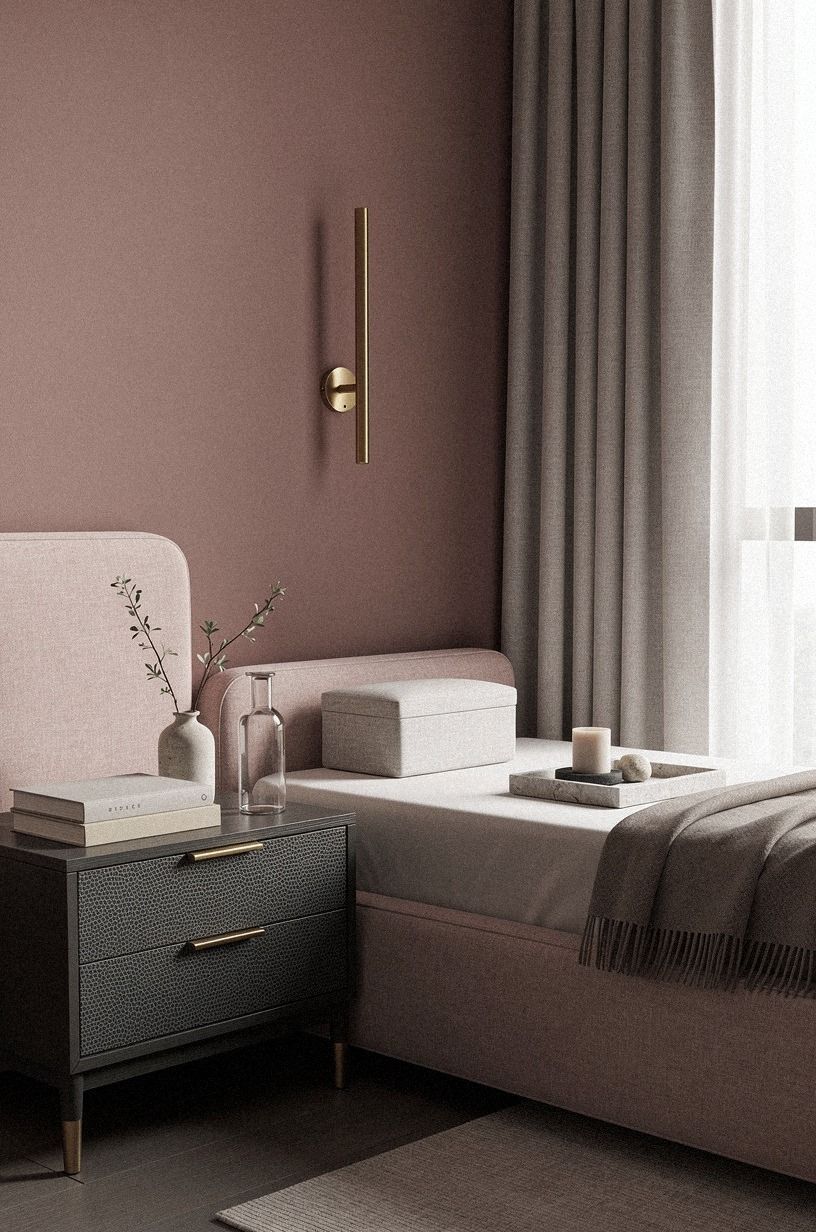
I sampled Farrow & Ball Setting Plaster No. 231 first because I wanted warmth without peach. It looked soft in the morning, then almost pink near sunset. I liked it, but I didn't trust it on all four walls.
Next came Benjamin Moore Pale Oak OC-20, which was calmer and less reactive beside my old oak floor. I also tested Sherwin-Williams Accessible Beige SW 7036, but it turned too gray in the corner where I read. I'd skip that shade for a north-facing bedroom unless you want a cooler, quieter effect.
The winner was Setting Plaster, but I used it only on the walls behind the bed and left the trim a warm white. That decision saved me from making the room feel smaller. The color settled into the plaster instead of shouting from it.
I spent the first afternoon patching nail holes and sanding rough spots. Then I stopped.
The second coat waited until the next day because I wanted the paint smell to clear between steps. You don't need to rush a bedroom makeover when the bedroom is where you're trying to rest.
But the real shift came from the finish. A soft, low sheen caught the afternoon light without turning shiny. The wall looked earthy at noon and gentle at night, which was exactly the change I wanted.
I fixed the bed before styling anything else

My bed was the largest object in the room, so I stopped pretending accessories would distract from it. I chose Zenhaven after comparing the feel of the surface and the support I wanted.
I wasn't looking for a miracle, and I won't claim it fixed anything for anyone else. For me, it felt less stuffy and more settled after a few nights.
Then I added Organic Cotton Sheets, because the old polyester set trapped heat and felt slick against my skin. This was my least glamorous purchase, but it made the biggest sensory difference. The fabric had a dry, clean feel instead of that clingy warmth I had been tolerating.
I also tested a Latex Mattress Topper. I wasn't sure the topper was worth it. For two weeks I regretted it.
The bed felt too firm, and I kept wondering whether I'd made an expensive mistake. Then I realized I had placed it under the wrong layer.
Once I adjusted the bedding and gave my body time to settle, the surface felt more forgiving.
And I chose an Organic Quilted Pillow because my old pillow had gone flat on one side. Not a glamorous detail. Still, my neck felt better supported when I read before bed, and I stopped folding a towel underneath it.
If you're changing your own bed, measure first. A queen mattress is 60 by 80 inches, while a king is 76 by 80 inches. You don't want a thick layer or oversized bedding pushing the whole arrangement into the walkway.


The Piece My Whole Bedroom Is Built Around
Natural materials, a 365-night home trial, free white glove delivery. Decide in your own room, not a showroom.
I moved the furniture and let the paint breathe
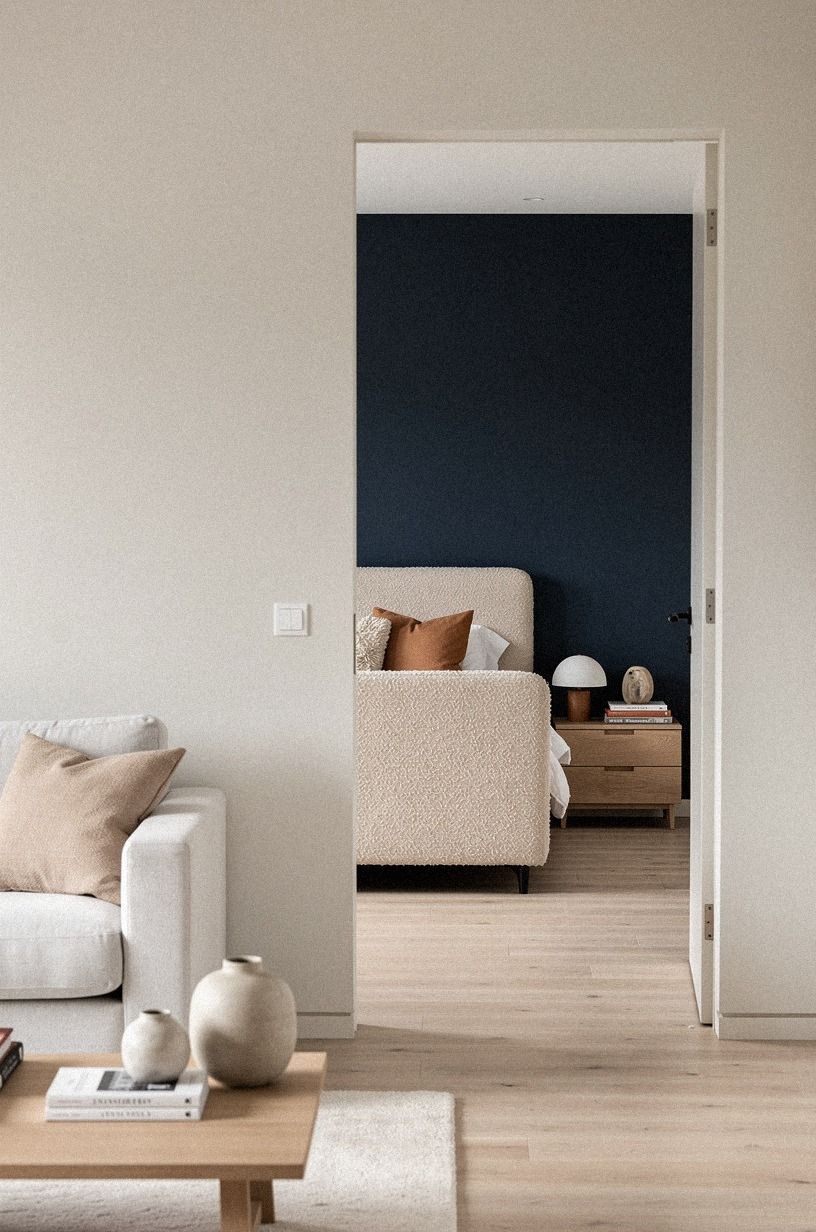
The bed moved away from the window and onto the longest uninterrupted wall. That single change gave me a clear path from the door and let the painted wall become the background instead of an awkward strip beside the curtains.
I kept the nightstand close to mattress height, around 24 to 28 inches, because anything taller looked imposing beside the low bed. I replaced the cold bulb with a warm one and added a small ceramic lamp. Its light stops near the rug instead of filling the whole room, which makes bedtime feel less like shutting down an office.
The rug was another test of restraint. I wanted the softness to reach beyond the bed, but I didn't buy the largest size I could find.
A rug should extend 18 to 24 inches past the mattress when the layout allows it. Mine reaches far enough to catch my feet in the morning without swallowing the dresser.
And I kept the wall art low. One framed botanical print, one small photograph, no gallery wall.
I think bedrooms need a little visual quiet. If you fill every calm wall with decoration, you lose the reason the calm color worked.
For renters, I found the removable ideas in this renter-friendly non-toxic bedroom guide useful, especially for lighting and wall storage. You can borrow the same layout logic without committing to permanent changes.
I layered the room slowly instead of buying a set
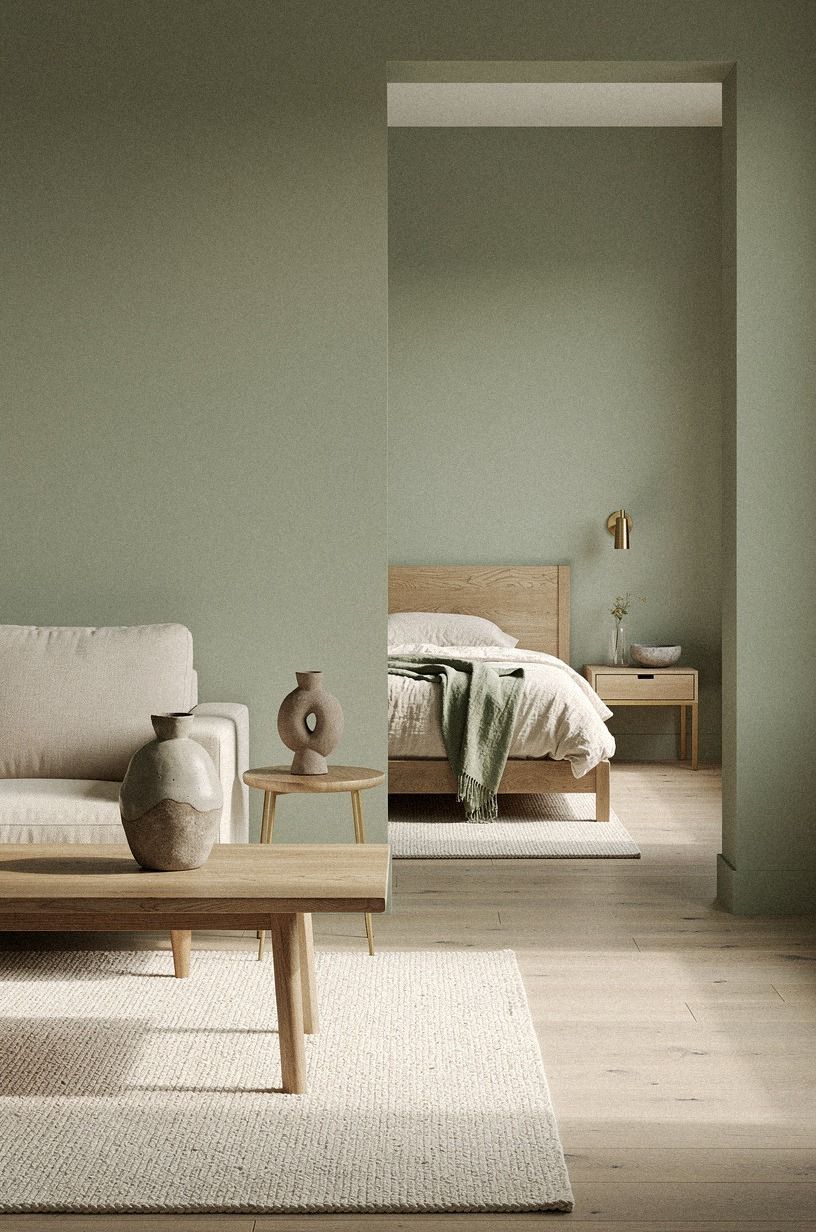
The room looked almost finished after the paint and bed changed, but it still felt bare. I resisted buying a coordinated bedding bundle because matching everything usually makes my rooms feel flat.
I brought in one washed-linen throw, a small woven basket, and a wood stool for the corner. The materials mattered more than the number of objects.
Soft fabric beside painted plaster. Rough wood beside smooth cotton.
A little contrast keeps calm colors from becoming bland.
But I left the curtains alone for another week. I wasn't sure whether they were truly wrong or whether the new wall color made them look worse by comparison. That pause saved me from replacing something that only needed steaming and a lower hem.
The bedroom became warmer without becoming dark. The wall color did most of the work, while the bed materials made the room feel more comfortable against the skin.
I liked that balance. My favorite rooms have one strong decision and several quiet supporting ones.
One small win: I stopped carrying laundry through the room at night because the new layout left a clear path. That sounds minor, but your body notices these annoyances before your brain names them.
I also kept a short list of the changes that worked and the ones that didn't. This five bedroom swaps guide helped me compare my choices without turning the room into a shopping project.
What I'd buy differently next time

I would buy better paint samples and test them on larger boards. Small cards lied to me, especially near the window. Setting Plaster looked gentle on paper and much warmer on the wall.
I also wouldn't choose the topper so quickly. The first two weeks felt fussy, and I spent too much time adjusting layers instead of sleeping. It worked for me after I changed the setup, but I can see why someone would prefer a simpler bed.
My biggest regret is the rug. I bought one that was slightly too small because I was trying to protect the budget for bedding.
It still works, but a larger rug would have made the bed look more grounded. If you're dividing your money, spend first on the wall preparation and the bed surface, then choose the rug size carefully.
And I wouldn't promise that low VOC paint will solve a health problem. It made my room smell cleaner after the proper drying time, and I felt more comfortable sleeping there. That's my experience, not a guarantee for yours.
The budget stayed manageable because I repainted instead of replacing furniture, reused the curtains, and changed one category at a time. I didn't need twelve new things. I needed fewer irritating things.
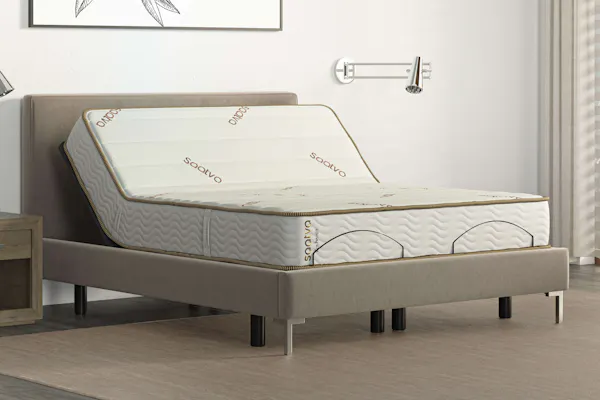 My pick for a healthier bedroomZenhavenTalalay latex, organic cotton, 365-night trial, lifetime warranty, free white glove delivery.See the Talalay latex mattress construction
Build Your Own Healthier Bedroom
Sale pricing runs on orders over $1,000, and the 365-night trial gives you a full year of nights to be sure.
The room now has one quiet corner

If I had to pick one starting point, I'd choose the paint color. A calm wall gives every other choice somewhere to land, and you can test it before committing to furniture or bedding. Pin this room for later, then begin with one large sample board and watch it through a full day.
Now the bed sits against the warm plaster wall, the lamp makes a small amber pool on the nightstand, and my feet land on the rug before I reach the door. That is enough.
{ "meta_title": "Non-Toxic Paint Bedroom Ideas for Calm Rooms 2026",