 by
by Organic bedding was worth it for me, but not in the way the polished ads promised. My old sheet set felt slick by 3 a.m., the comforter trapped heat, and my bedroom had that faint plastic smell I kept pretending wasn’t there.
I had a modest under-$500 refresh in mind, not a pristine hotel room. Just better sleep, softer layers, and fewer things I’d regret bringing home. A tall order.
The 3 a.m. wake-up call that made me change it
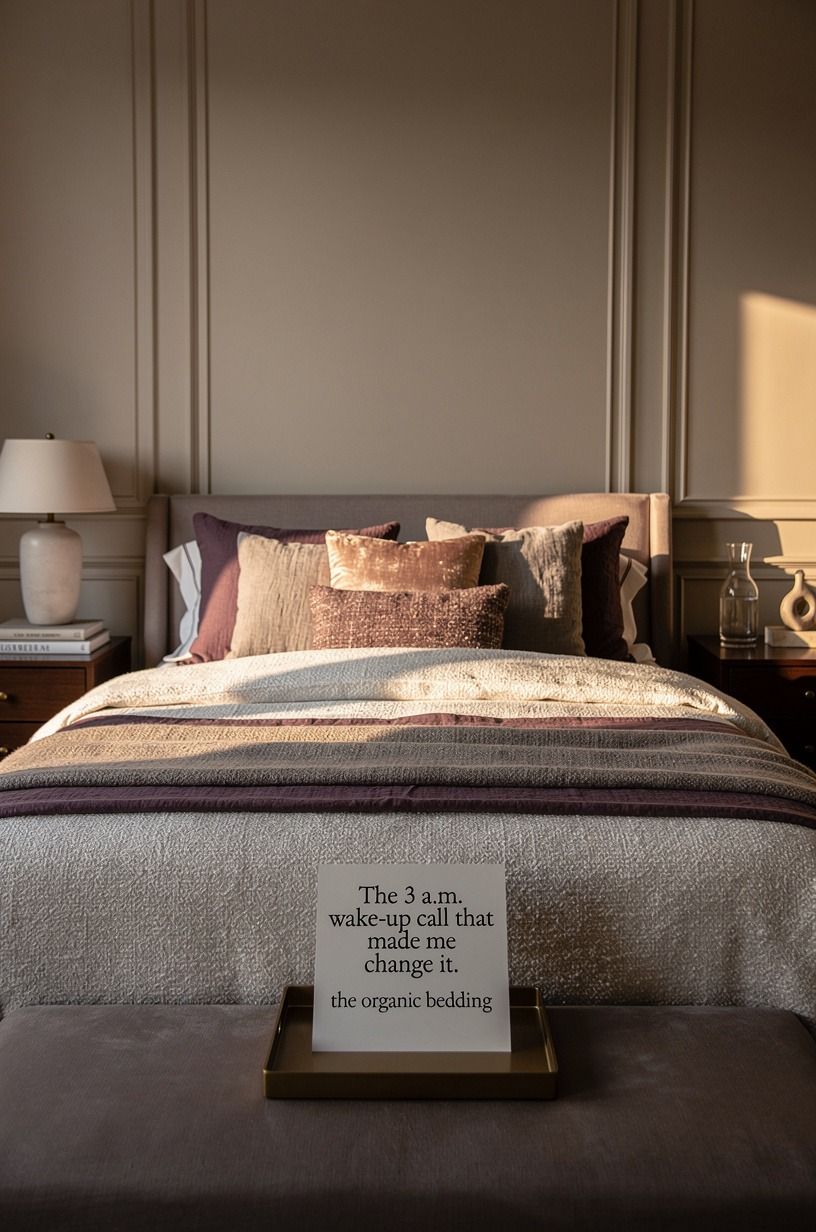
The breaking point was a warm Tuesday night when I woke up tangled in synthetic sheets and shoved the comforter onto the floor. Again. I’d been buying “soft” bedding for years, and I finally decided soft wasn’t enough if it felt clammy by morning.

I’m not claiming new bedding fixed my life. But I wanted a bedroom that felt calmer against my skin and less full of stuff I couldn’t identify.
That mattered to me. And I was tired of treating a bad night’s sleep like a personality trait.
My first opinion? I’d skip any brand selling a whole non-toxic bedroom in one matching bundle. It’s convenient, sure, but you end up paying for decorative extras instead of the layers your body touches every night.
Start with the layer your skin notices first
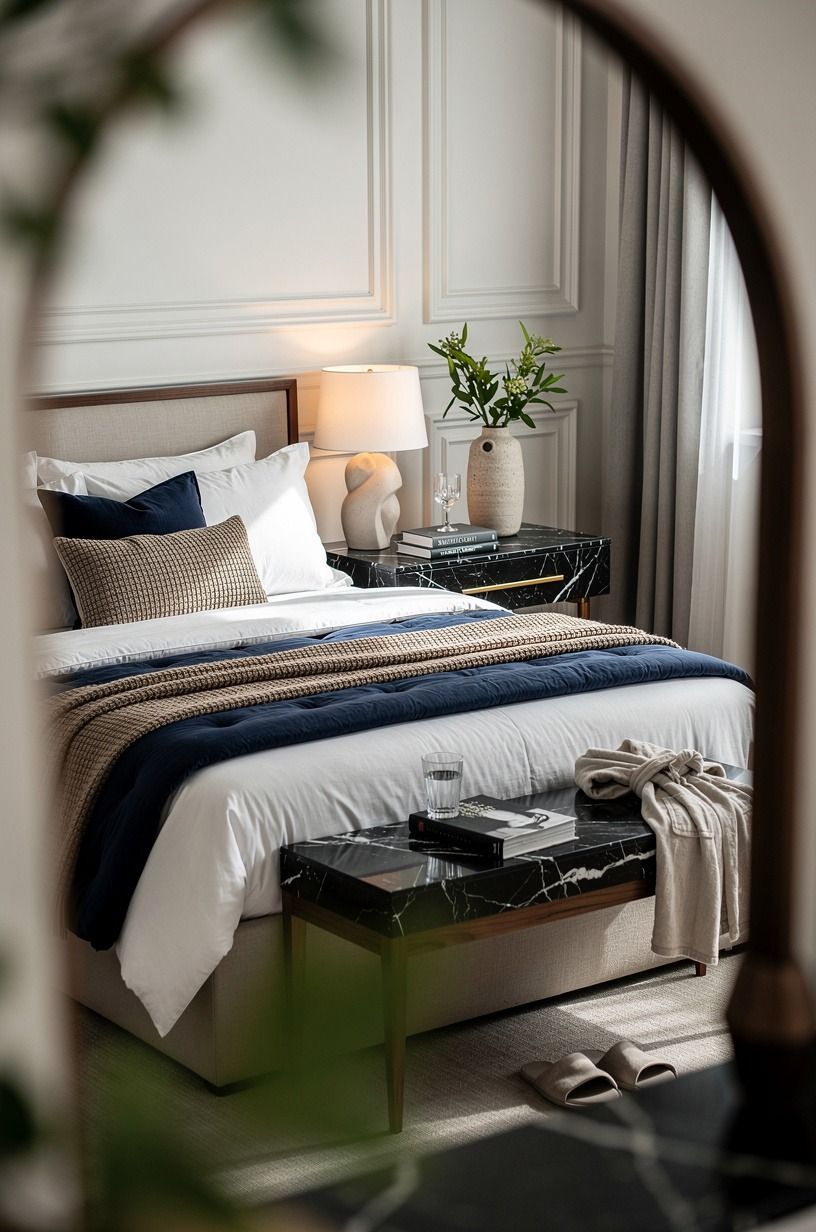
I began with Organic Cotton Sheets, because sheets are where all the marketing gets loud and vague. “Cloud-like.” “Luxury.” Fine. I cared whether they felt dry and smooth after I’d turned over twenty times.
The first wash was a little crisp. Not romantic.
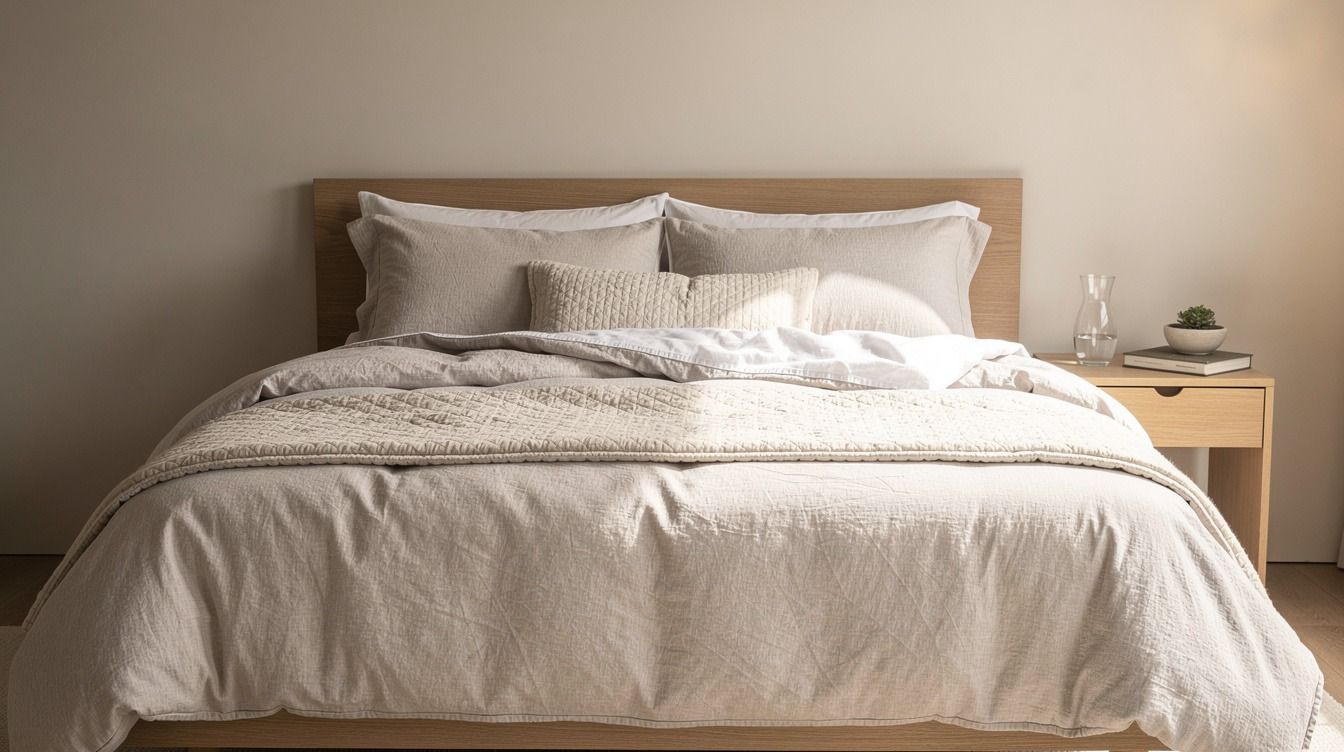
But after a few nights, they softened without getting slippery, and that was the difference for me. The room also looked less busy once I chose a quiet warm white instead of another printed set. Soft, simple, breathable.
I kept the rest of the bed plain while I decided what stayed. No decorative avalanche. Just the sheets, two regular pillows, and the morning light across the foot of the bed.
If you’re comparing fibers instead of trusting front-label language, this organic bedding guide helped me separate material choices from the mood-board claims.
Replace the hot, puffy layer with what you’ll use nightly
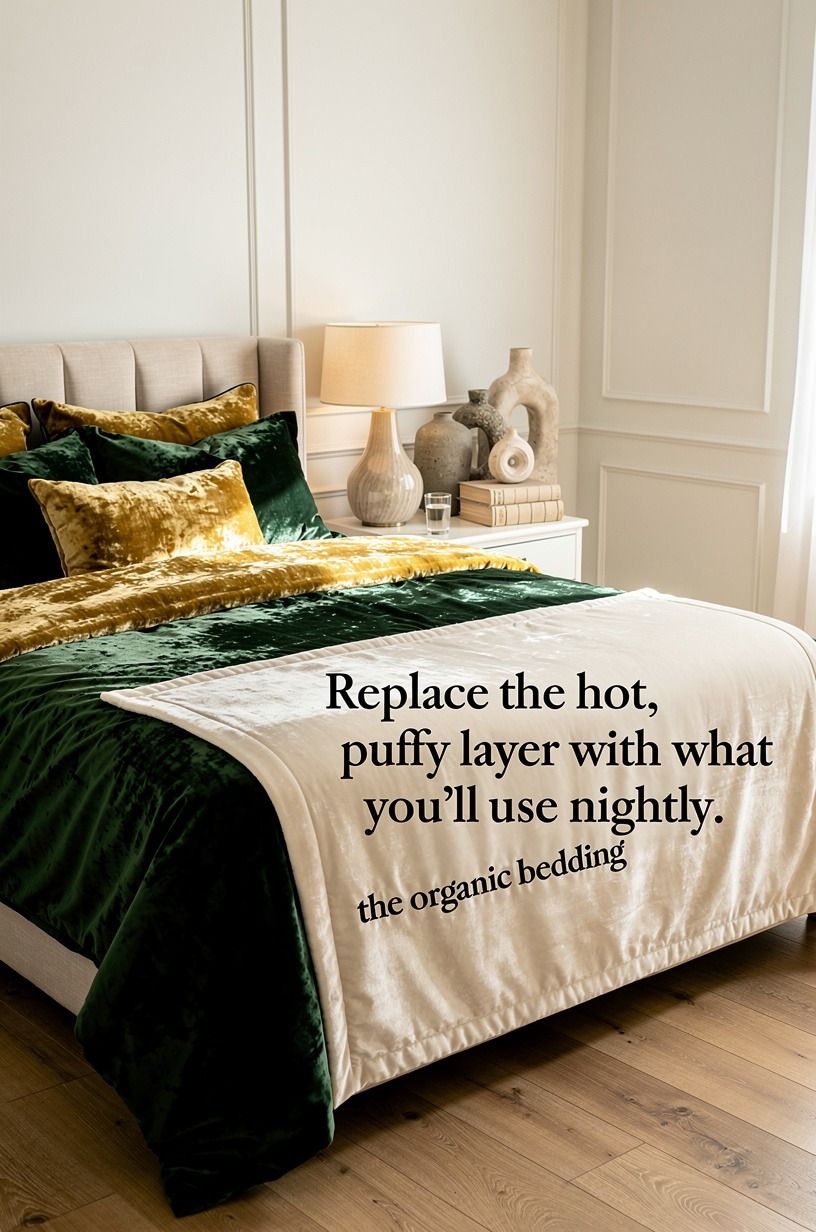
Next came the Down Alternative Comforter. I went back and forth on this one because “alternative” can mean practically anything, and I didn’t want a giant marshmallow that would flatten into a warm pancake by November.
Still, I preferred the practical choice for this room. I wanted something I could wash, something that didn’t make the bed look overstuffed, and something my husband and I could share without starting the nightly blanket tug-of-war. It gave us a gentler, more even layer than our old comforter.
But I wouldn’t buy one just because the packaging says eco-friendly. That word gets tossed around too easily. I looked for clear material details and ignored the dreamy copy.
My rule is boring, but it works: if a product description spends more time describing a feeling than a fabric, I slow down.
For people who sleep warm, this guide to organic bedding for hot sleepers and couples is closer to the questions I had than a generic shopping roundup.
The Piece My Whole Bedroom Is Built Around
Natural materials, a 365-night home trial, free white glove delivery. Decide in your own room, not a showroom.
Add one textured layer, then stop
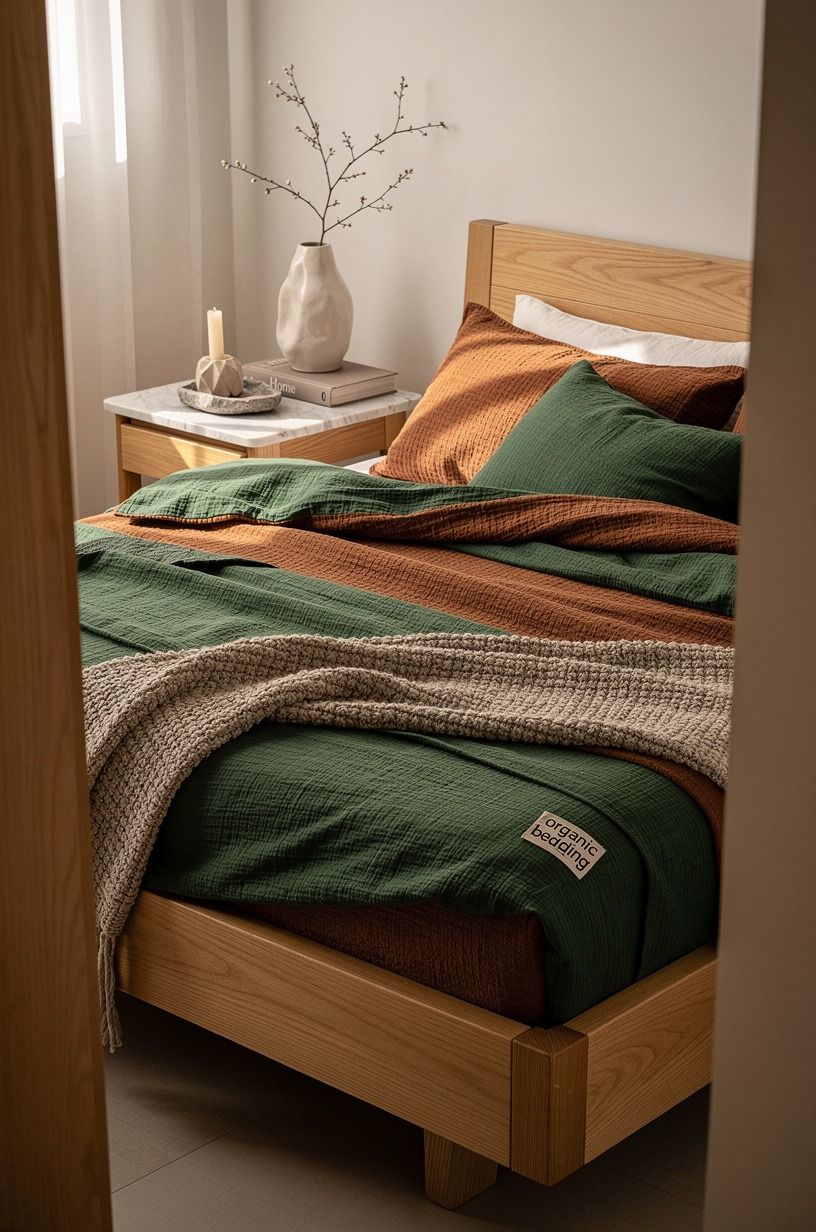
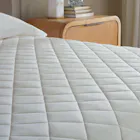
The bed needed texture, not more volume. I chose an Organic Velvet Quilt for the folded layer at the bottom, and I’ll admit I wasn’t sure it was worth it at first. For two weeks, I thought it looked too precious against our fairly ordinary oak nightstands.
Then the weather turned cooler. The quilt caught the afternoon light in a muted way, almost dusty, and suddenly the whole bed looked finished without needing six throw pillows. I’d take one substantial layer over a pile of tiny decorative cushions every time.
And yes, velvet can sound impractical. Mine was. The first time the cat climbed onto it with muddy paws, I stared at the mark for a full minute.
But the quilt earned its place because I use it, not because it photographs well.
A slightly rumpled fold. A little weight at the end of the mattress. Enough.
Give your pillow setup a job
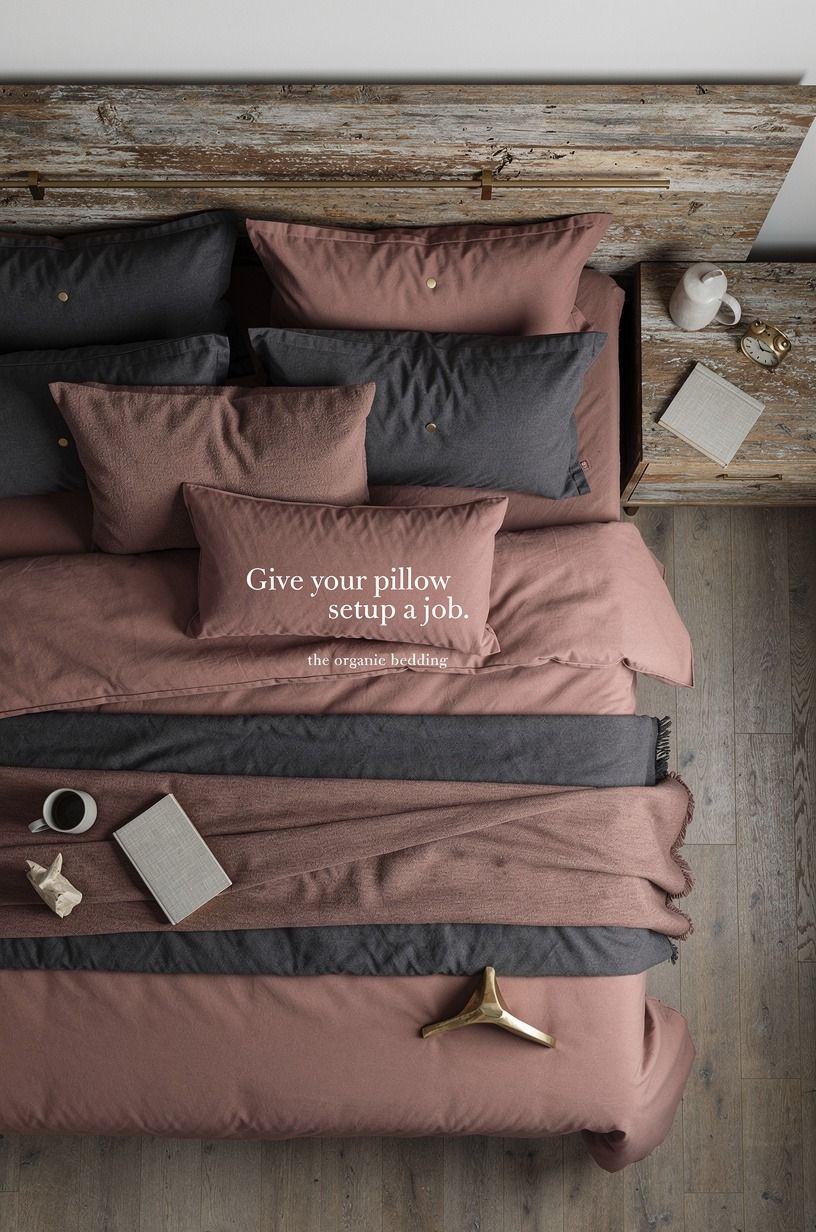
I replaced one lumpy decorative pillow with an Organic Quilted Pillow and left it at that. This was the least dramatic change, yet it made the bed easier to make every morning because I stopped arranging pillows like I worked in a department store.
I think most bedding setups get worse when they become too symmetrical. You should be able to pull the covers up in thirty seconds and still like the result.
Mine now has sleeping pillows, one quilted accent, and a folded quilt. That’s it.
The pillow’s texture helped because it broke up the flatness of the cotton without adding another pattern. And I like that it has a purpose when I’m reading in bed.
Decorative, but not useless. There’s a difference.
If you’re avoiding animal fill, I found this down alternative bedding guide useful for sorting through the options without treating every substitute as identical.
My under-$500 budget went mostly toward the things I touched: sheets, the comforter, and the layers that stayed on the bed. I didn’t replace the nightstands.
I didn’t buy a new rug. And I definitely didn’t buy matching organic candles, baskets, and robes because a checkout page suggested them.
That restraint is what made the room feel more like mine. I painted nothing, though Benjamin Moore White Dove OC-17 would be my choice if these walls needed help. Instead, I washed the curtains, cleared the chair in the corner, and put a small ceramic dish on the nightstand for my glasses.
I’d rather buy fewer bedding pieces with clear materials than chase every certification badge. That’s my honest verdict. Labels can be useful, but they aren’t a personality and they don’t make a scratchy fabric pleasant.
What I’d buy differently next time
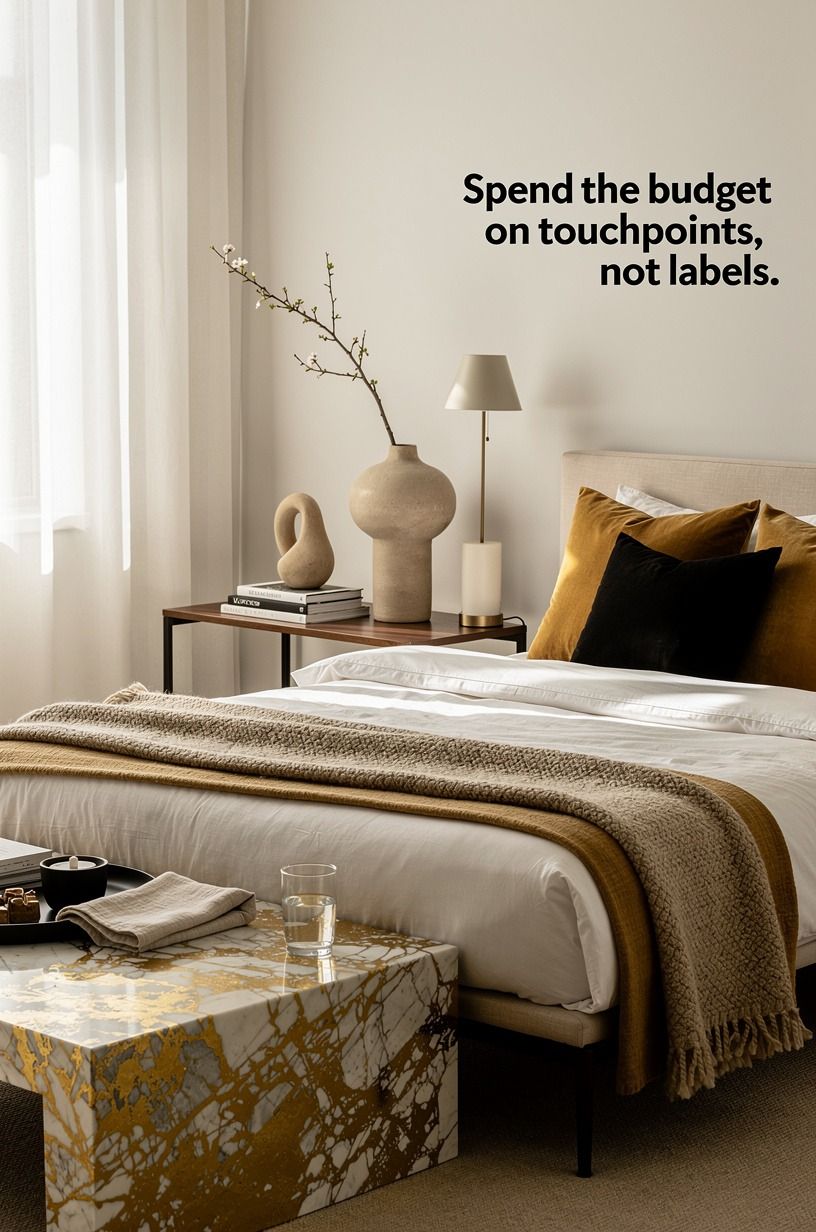
I would’ve measured the comforter’s drape before ordering. Mine works, but I’d prefer a little more overhang on each side of the mattress, especially once the quilt is folded at the foot.
I also wouldn’t rush to replace every pillow. I did that once in another room and regretted it. Your favorite old pillow might be the one thing worth keeping while you test a new layer.
But I’d repeat the cotton sheets first. They’re the change I noticed in the dark, half asleep, when nothing else in the room was performing for anyone.
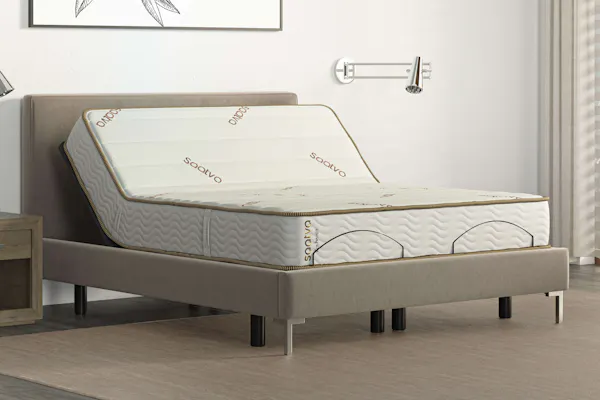 My pick for a healthier bedroomZenhavenTalalay latex, organic cotton, 365-night trial, lifetime warranty, free white glove delivery.See the Zenhaven
Build Your Own Healthier Bedroom
Sale pricing runs on orders over $1,000, and the 365-night trial gives you a full year of nights to be sure.
Where I’d start if I were doing it again
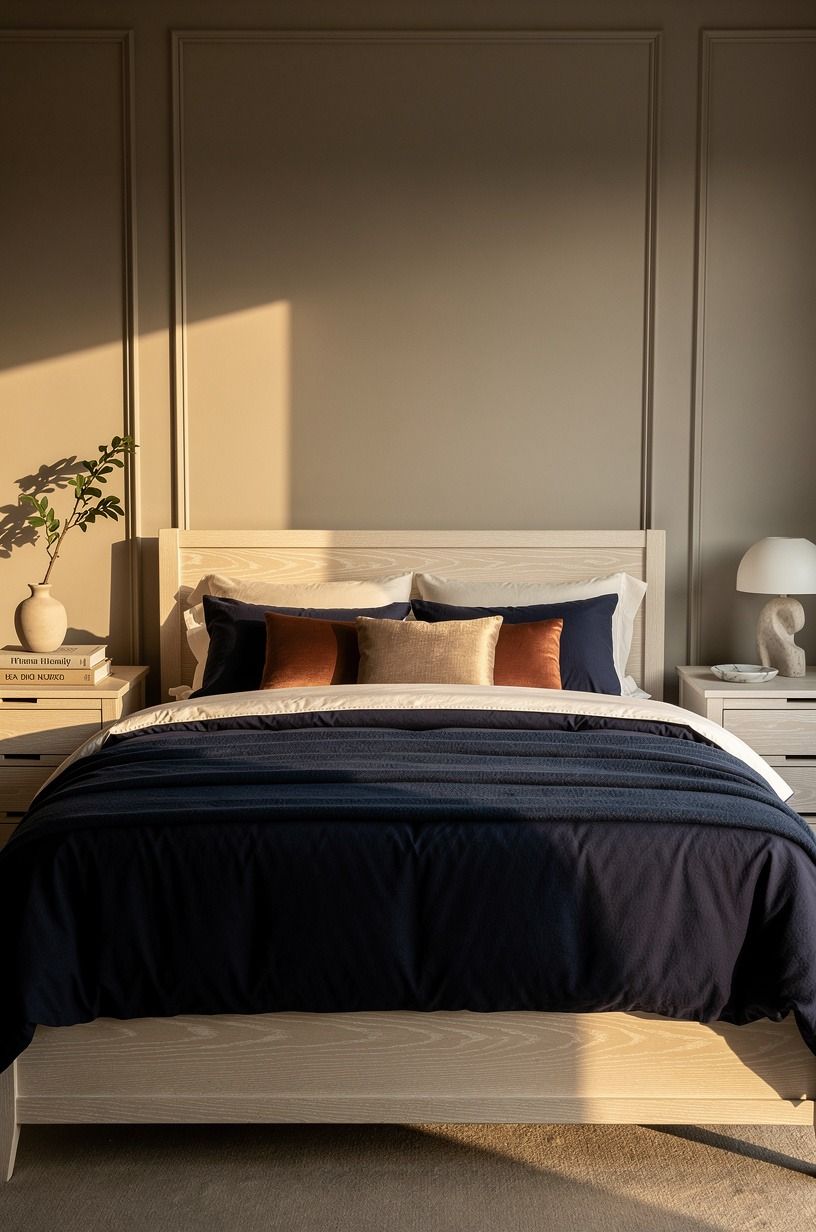
If I had to pick one, I’d start with the sheets. You can’t make a restless bed feel inviting by stacking prettier things on top of fabric you dislike. Pin the sheet decision for later, then notice the quilt’s soft olive fold at the foot of the bed each morning.