
 by
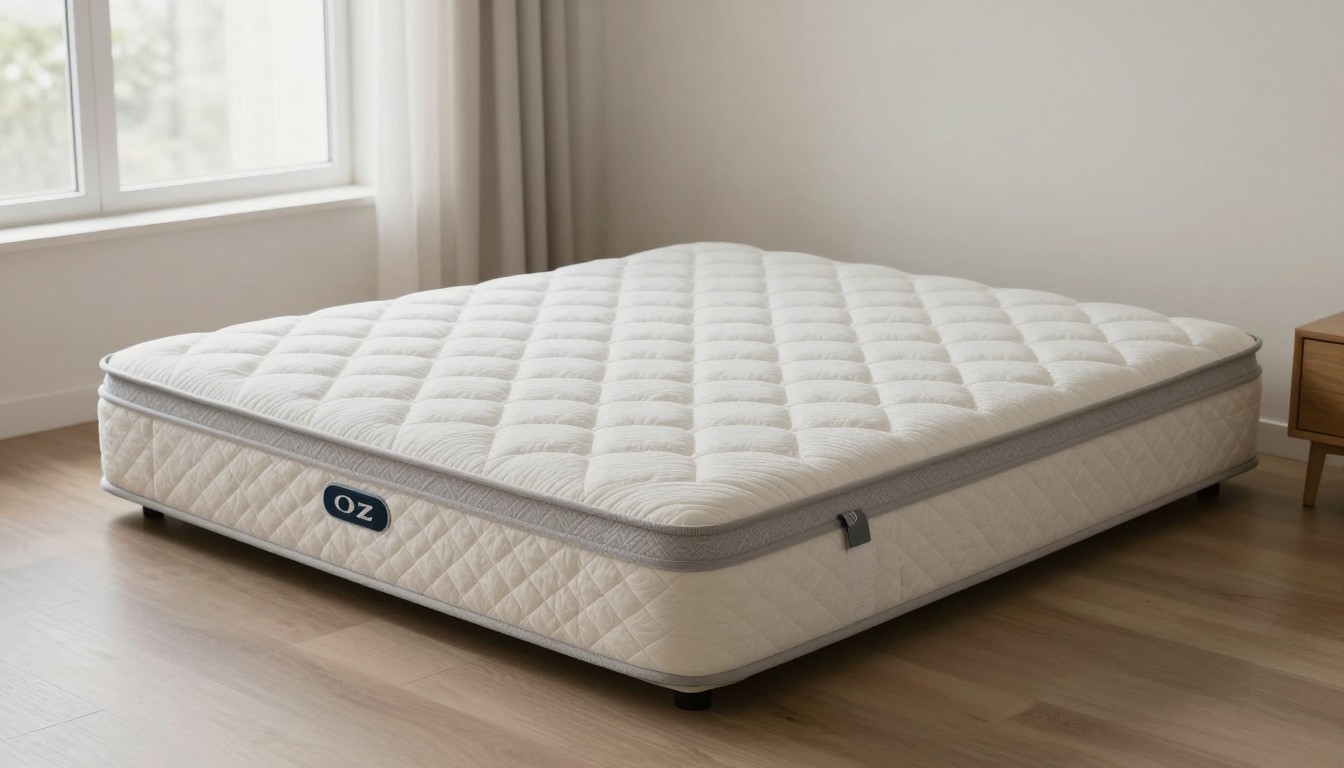
by Quick answer: The oz show mattress is not identifiable enough for me to judge as a distinct model. I’d pause until the seller provides a matching manufacturer name, model identifier, construction sheet, and written purchase policies. Skip it if those details remain vague or conflict with the label on the mattress.
- Proceed only with documentation: The product name, physical label, specifications, and order paperwork should describe the same mattress.
- Do not infer the construction: This search phrase does not reveal whether the bed uses foam, coils, latex, or a combination.
- Treat seller language conditionally: Comfort and cooling descriptions remain marketing claims until the seller explains the materials behind them.
Updated July 2026
My verdict on the oz show mattress is to pause before buying. I cannot tie that phrase to a manufacturer-issued model sheet, so I won’t pretend to know its firmness, construction, cooling performance, durability, or value. Those judgments require an identifiable product.
This is not evidence that the physical mattress is poor. It means the product identity is too uncertain for a responsible recommendation. A decent mattress and a bad buying process can exist at the same time, especially when the seller’s description is doing more work than the specifications.
My materials-first approach starts with the layer stack, support system, and likely wear points. A television reference, promotional name, or polished photograph cannot substitute for those details.
The Nut’s take: Treat “Oz Show” as a clue about where the search began, not proof of what the mattress contains. Product identity comes before comfort analysis.
What the Search Phrase Actually Establishes
“Oz Show mattress” gives me a product category but no manufacturer, model code, construction type, or seller identity. It might refer to a mattress mentioned during a television segment, a retailer’s promotional wording, a marketplace nickname, or a shopper’s shorthand for another model.
Those possibilities cannot be treated as interchangeable. A television mention might concern a general sleep topic rather than a particular bed. A retailer might also shorten or rename a product for its own listing. Neither possibility tells me what would arrive at the buyer’s home.
The practical risk is mistaken identity. A shopper could read comments about one mattress, examine photographs of another, and place an order for a third variant carrying similar promotional language. Even accurate feedback becomes unhelpful if it concerns a different construction.
- The page title and checkout description use different model names.
- The photographs show details that the written specifications never mention.
- The seller cannot identify the manufacturer behind the product.
- The return document refers to a different product family or retailer.
A celebrity, program, or media association would not answer the construction questions anyway. Endorsement language is about promotion. Mattress performance comes from the cover, comfort materials, transition, support core, perimeter, and the way those parts work together.
Build a Product Identity Record Before Comparing Feel
A useful identity record should connect the product page, checkout description, invoice, packaging, and sewn-in label. The wording does not need to be visually identical, but the manufacturer and model information should point to the same bed.
Ask the seller to provide its written specification sheet rather than a verbal summary. If the only description comes from a marketplace listing, treat every construction statement as the seller’s claim. Do not silently upgrade “foam comfort” into memory foam, latex, or any other material the listing does not name.
A clear photograph of the physical label can help resolve ambiguous naming. Compare it with the model on the invoice before relying on reviews or compatibility advice. If the mattress has not yet shipped, request that information in writing so there is a record of what was represented at purchase.
| Document or detail | What it helps establish | What still needs checking |
|---|---|---|
| Manufacturer and model identifier | Which mattress is actually being offered | The identifier matches the invoice and label |
| Written layer description | The stated material sequence | Important layers are not hidden behind broad terms |
| Photograph of the sewn-in label | The identity attached to the physical bed | It corresponds with the product being shipped |
| Seller policy documents | Who controls delivery, returns, and claims | The terms apply to this model and order channel |
Variant names deserve special attention. A retailer may offer different firmnesses, covers, or support designs under closely related wording. Feedback about a plush version does not establish how a firmer variant feels, and a photograph of one edge design does not document another.
Identity check: If the seller cannot connect the listing to a physical label and a consistent set of documents, stop evaluating comfort. You may not be comparing the bed that would actually be delivered.
Read the Construction From the Cover Down
The cover, comfort package, transition, support core, and perimeter perform different jobs. I want each area described separately because a single phrase such as “premium foam” tells me almost nothing about how the whole bed should behave.
Start with the cover. Ask what it is made from, whether it can be removed, and whether the seller says it is washable. A visible zipper only proves that a zipper exists. It does not establish that the internal layers are replaceable or that the mattress was designed for home repairs.
Next, identify the comfort materials in their actual order. Foam type, layer thickness, and density where disclosed help me think about contouring and wear, but density should not be confused with firmness. A denser foam can still be made to feel soft, while a lower-density material can initially feel firm.
Construction rule: Material names without a layer sequence are incomplete. A useful description explains what is near the sleeper, what creates the transition, and what carries the load underneath.
The transition layer controls how smoothly the sleeper meets the support core. Without it, a plush surface can give way to an abrupt, hard-feeling base. The seller should explain this part instead of jumping directly from a soft cover to a broad support claim.
The core might use foam, coils, or another disclosed system. Foam cores tend to create a more uniform response, while coil systems tend to feel more buoyant. Those are broad construction tendencies, not a verdict on this unidentified mattress. Comfort layers can substantially change how either core feels.
With coils, count alone does not settle the quality question. Gauge, shape, arrangement, surrounding foam, and perimeter treatment all provide needed context. With a foam core, I want the seller to identify the material rather than using “high density” as an unsupported stand-in for a specification.
- Cover: What material touches the sleeper, and what care does the seller permit?
- Comfort package: Which named materials create cushioning and contour?
- Transition: What prevents an abrupt change between softness and support?
- Core: Is the main structure foam, coils, latex, or a documented combination?
- Perimeter: Is edge reinforcement described as a separate construction feature?
For a practical example of separating the jobs performed by foam and coils, my hybrid mattress review coverage explains the same construction framework. Use that framework to question the seller, not as evidence that the unidentified mattress uses a similar build.
Translate the Build Into Your Sleep Preferences
A soft upper layer can reduce concentrated pressure around the shoulder and hip, but it can also create more sink and slower movement. Side sleepers should ask how the cushioning transitions into support instead of relying on a plush label.
Back and stomach sleepers usually need to pay closer attention to how the middle of the mattress resists deeper settling. A thick-looking top is not automatically supportive or unsupportive. The answer depends on the materials beneath it and how quickly they firm up under load.
Combination sleepers should focus on responsiveness. If the surface forms a deep cradle and recovers slowly, turning may feel more laborious. A more buoyant design may make movement easier, although it could behave differently for motion transfer.
| Preference | Construction question to ask |
|---|---|
| More surface cushioning | Which comfort materials create the softness? |
| Less of a deep cradle | How quickly does the transition become supportive? |
| Easier repositioning | Does the seller describe a responsive surface or support unit? |
| More usable space near the side | What dedicated perimeter construction is disclosed? |
Couples need to separate motion control from edge stability. A bed can damp movement well while feeling weak near the side. It can also feel secure around the perimeter while transmitting more movement through a responsive core.
Feel labels are not enough: “Soft,” “medium,” and “firm” are seller descriptions, not a cross-brand measuring system. The layer breakdown gives those words useful context.
Cooling, Motion, and Edge Claims Need a Mechanism
A cooling claim should name the feature intended to manage heat. That might be a breathable cover, a less-conforming comfort material, or open space within a coil system. Without a disclosed mechanism, “cooling” is only a desired outcome.
Even a named cooling material does not reveal the whole sleeping environment. Thick contouring layers can affect how much of the body contacts the surface, while airflow deeper in the bed may have less influence if the upper package is substantial. I need the complete sequence before drawing a useful inference.
Motion control also comes from the whole design. Close-conforming foam can absorb some disturbance, while highly responsive layers may pass along more movement. A coil unit’s behavior depends on how it is constructed and what sits above it, so the word “hybrid” does not settle the issue.
- If the listing says cooling: Ask which material or structural feature is intended to help.
- If it says motion isolating: Ask what separates or absorbs movement across the surface.
- If it says reinforced edges: Ask where the reinforcement sits and how the seller describes it.
- If it says hotel feel: Ask for the actual layer sequence behind that impression.
Edge performance has at least two practical sides: sitting near the perimeter and sleeping close to it. A border may feel acceptable under a brief seated load yet provide a different sensation when pressure is spread along the side. Written construction details are more useful than a staged photograph of someone sitting on a corner.
Noise is similarly difficult to predict from a product category. Coils, frame contact, foundation compatibility, and assembly can all affect what a sleeper hears. I would not label an unidentified mattress quiet or noisy without evidence tied to the exact build.
My claim filter: Find the material or component that is supposed to create the advertised result. If no mechanism is named, keep the claim in the marketing column.
Durability Depends on the Likely Wear Path
For foam, density and thickness answer different questions. Density can provide context about the material’s substance and potential wear within comparable foam types. Thickness tells me how much of that material is present. Neither detail, viewed alone, predicts the lifespan of the complete mattress.
For coils, gauge, arrangement, and perimeter design need to be read together. A large coil count might sound impressive, but it is hard to interpret without the mattress size, coil layout, and surrounding materials. I would rather have a coherent construction description than an isolated headline specification.
The upper layers deserve particular scrutiny because they receive repeated compression before the support core does. If a seller spends most of the description praising the core while barely identifying the cushioning above it, a major part of the wear story is missing.
Durability clue: The softest load-bearing materials often shape how the surface changes with use. Ask what those materials are, not merely how luxurious the cover looks.
A removable cover should not be confused with a serviceable mattress. Unless the manufacturer says internal components can be replaced, I would treat the zipper as a cover feature. Opening an unfamiliar mattress without instructions could also interfere with the seller’s care or return requirements.
Material disclosure matters for more than wear. If hidden fire-barrier materials are a concern, my guide to mattress fiberglass questions explains what to ask. Apply the same principle here: request a written material statement tied to the exact model rather than assuming from a photograph or a vague “safe materials” phrase.
Foundation and care instructions belong in the durability review too. Ask what type of base the seller permits, what support it requires, and whether rotation is allowed. Follow the instructions attached to the identified mattress instead of borrowing care advice from a different model.
- The comfort materials are named instead of grouped under a proprietary label.
- The support core is described in enough detail to understand its basic design.
- The perimeter claim points to an actual component.
- The care requirements are written for the mattress being sold.
The Seller’s Policies Are Part of the Purchase
A return policy and a warranty address different situations. The return terms govern what happens when the mattress is not a good fit under the seller’s stated conditions. The warranty describes the manufacturer’s or warrantor’s process for covered defects. Neither should be assumed from promotional copy.
Identify who handles each issue before payment. A marketplace seller, delivery company, and manufacturer may have separate responsibilities. If the documents do not say whom to contact, ask for a written answer and keep it with the order record.
Delivery details also need attention. Confirm how visible damage, a missing item, or a model mismatch must be reported. Check the terms before discarding packaging or using the mattress, since the seller may attach conditions to its process.
| Policy area | Question that needs a written answer |
|---|---|
| Delivery | Who is responsible if the wrong model or a damaged mattress arrives? |
| Returns | What condition must the mattress be in, and who arranges removal? |
| Warranty | Who provides coverage, and what documentation starts a claim? |
| Order record | Does the invoice preserve the complete model and seller identity? |
Save the live checkout description and final invoice. Marketing pages can change, but the order record should show what the seller agreed to supply. If a salesperson makes an important clarification, request it through a durable written channel rather than relying on memory.
Policy rule: Read the terms for the exact seller and order channel. A manufacturer policy found elsewhere may not describe a marketplace transaction.
Who Should Keep Considering It, and Who Should Wait
I would keep considering the mattress only after the documentation matches the physical product and explains the build well enough to compare with personal preferences. At that stage, the phrase that led to the product matters much less than the evidence attached to it.
A shopper who receives a coherent layer sheet can evaluate contour, responsiveness, perimeter design, and likely wear points. The same shopper can then decide whether the written policies make the remaining uncertainty acceptable.
I would wait if the seller avoids naming the manufacturer, supplies conflicting model information, or answers construction questions with feel words alone. Those are buying-process problems even if the mattress eventually turns out to be comfortable.
- Keep considering it: The product can be identified and its claims can be traced to written seller or manufacturer documents.
- Pause: The seller needs time to clarify a variant, label, or policy mismatch.
- Walk away: The seller refuses to document what is being sold or who stands behind it.
A sale message does not resolve weak documentation. Price can affect value only after the product itself is clear. An undefined mattress is difficult to compare at any price because the buyer cannot tell what the money is purchasing.
If You Have Already Ordered the Mattress
Photograph the packaging label, sewn-in label, mattress condition, and invoice information when the order arrives. The purpose is not to perform a teardown. It is to create a record showing which product was delivered and how it was identified.
Compare that record with the seller’s written description before discarding packaging or using the bed. If the model, materials, or visible construction do not match, read the applicable policy and contact the responsible seller promptly through a written channel.
- Keep the invoice and order confirmation together.
- Save the written specifications supplied at purchase.
- Record any model or condition mismatch clearly.
- Follow the seller’s documented process rather than altering the mattress.
If everything matches, return to the construction questions in this guide. The delivered label establishes identity, but the disclosed layers and policies still determine how confidently the mattress can be assessed.
An Optional Reference for Luxury Innerspring Shoppers
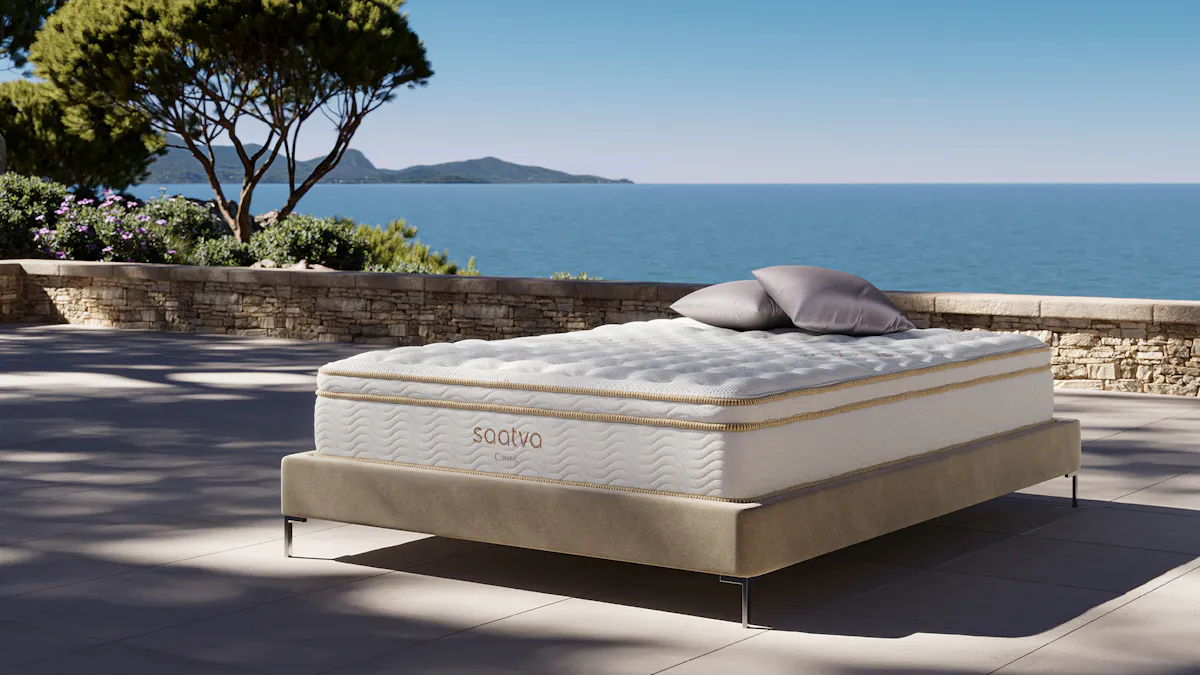
If the real goal behind this search is an identifiable luxury innerspring, the Saatva Classic can serve as optional commercial context. I would treat it as a reference point rather than an answer to an ambiguous query, then read its current manufacturer specifications and policies before making any decision.
A named reference cannot be compared feature by feature with an unidentified mattress. Its useful role is showing why traceability matters: the shopper needs a specific model before construction, feel, policy, and value comparisons become meaningful.
Keep the comparison honest: Do not transfer features from a documented reference mattress to a product whose construction has not been established.
My Final Take
The missing item is not a firmness score. It is a verified product identity. Until the phrase connects to a manufacturer, model label, layer sheet, and applicable seller terms, a conventional comfort or durability verdict would be guesswork.
I would not treat uncertainty as proof that the mattress is bad. I would treat it as a reason to withhold payment and confidence until the seller supplies a coherent document trail. That is a fair standard for both the shopper and the product.
The strongest decision is the one grounded in the bed that will actually arrive. Verify the name, understand the material stack, examine the likely wear points, and read the purchase terms before deciding.
ONE OPTION WORTH COMPARING
Shopping as well as reading? Here is one current option worth comparing: the Saatva Classic. Check today’s price, sizing and return terms on the official product page before you order.
Saatva Classic
- 365-night home trial and lifetime warranty, per saatva.com
- Handcrafted in the USA, free white-glove delivery
- Flexible financing available
FAQ
Is there an official Oz Show mattress model?
I cannot confirm that the oz show mattress is an official model tied to a manufacturer-issued specification sheet. Ask the seller for the complete model name, manufacturer identity, physical-label information, and matching construction documents before treating it as a distinct product.
Does the name prove that a mattress was featured or endorsed on television?
No. The phrase alone does not document a particular segment, product appearance, or endorsement. Request the precise product identity and any claimed connection in writing, then evaluate the mattress from its own construction rather than the association.
How can I judge whether the seller’s listing is credible?
Look for consistency across the product description, invoice, packaging, physical label, and policy documents. If those materials point to different names or responsible companies, ask the seller to resolve the mismatch before ordering.
Should I buy if the seller will not provide a layer breakdown?
I wouldn’t. Without the basic material sequence, you cannot distinguish a soft cover from a substantial comfort system or understand what supports it underneath. Feel labels do not replace construction details.
Can a mattress feel comfortable initially but wear poorly?
It can. A brief surface impression mainly reflects the upper cushioning, while lasting comfort also depends on how those materials handle repeated compression and how the support system carries the load. That is why I want the complete build before making a durability judgment.