
 by
by |
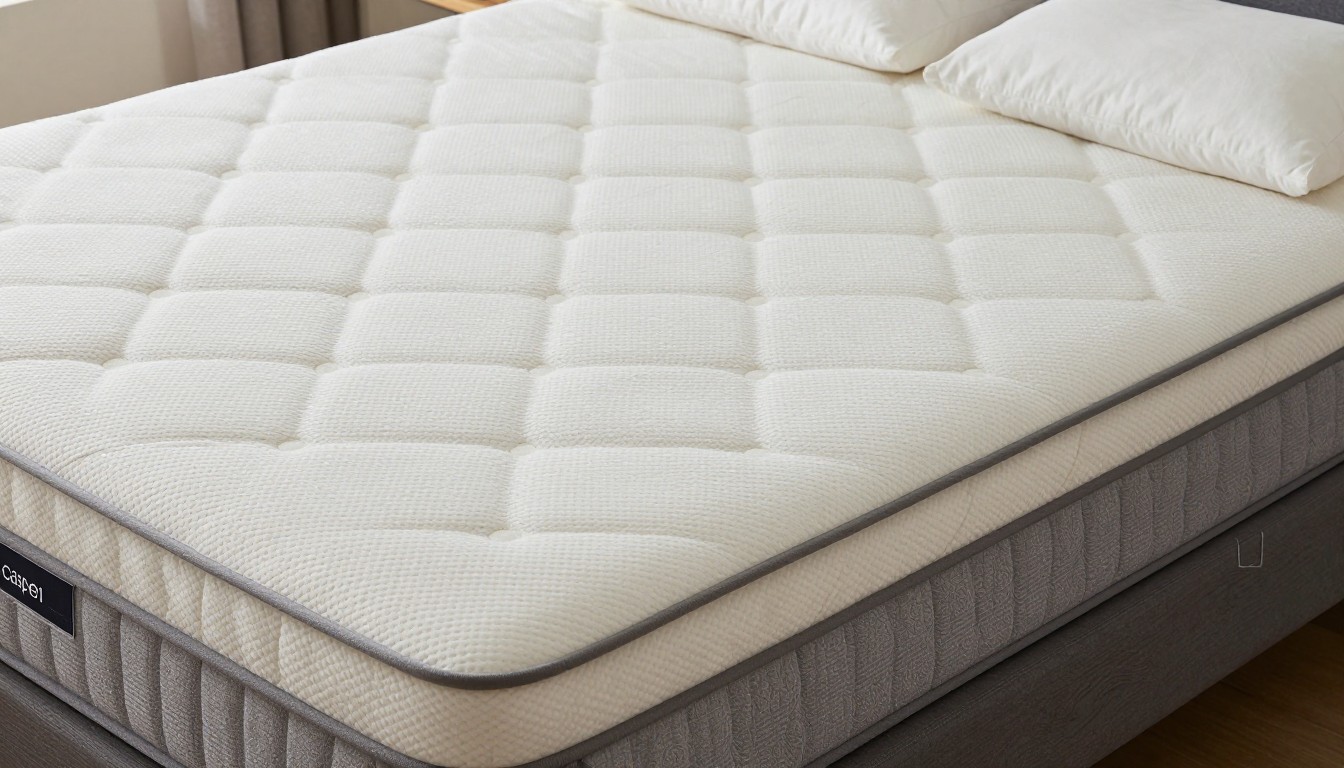
Quick answer: In the casper original vs hybrid comparison, I’d pick the Casper Original Hybrid for a more responsive support system, steadier edges, and better airflow. Pick the Casper Original if you deliberately want all-foam contouring, easier handling, and the lower listed price.
Updated July 2026 · Reviewed for accuracy |
My verdict on casper original vs hybrid is straightforward: the Hybrid is the better all-around construction, while the Original is the more specialized choice for someone who already knows they like a close foam feel. According to SleepAdvisor, the coil model is more buoyant and offers better airflow and perimeter support.
This is not a comparison where one mattress has a completely different comfort system at the surface. SleepAdvisor describes foam in both builds. The meaningful change happens underneath you, where the Original relies on foam and the Hybrid uses pocketed coils.
That support-core difference influences how the bed responds when you turn, how secure the perimeter feels, and how easily warmth can move away from the body. It also explains why the Hybrid costs more and weighs more in the same size, according to SleepAdvisor.
Construction is the decision, not the Hybrid label
A pocketed coil unit is the defining change between these mattresses. SleepAdvisor describes the Original as an all-foam design using polyfoam and memory-foam layers in many versions, while the Hybrid keeps foam near the surface and adds individually pocketed coils below.
The Original’s foam core allows compression to continue deeper into the mattress. That creates the closer, more settled sensation associated with an all-foam build. For a sleeper who wants the bed to conform rather than push back quickly, that can be a feature rather than a weakness.
The Hybrid changes the load path. Its foam layers still handle surface cushioning, but the pocketed coils provide a more resilient base underneath. Because those coils can respond locally, the mattress can feel supportive without needing to feel hard.
| Construction detail | What it means in use |
|---|---|
| Original’s foam support core | More continuous contouring and less spring-back from below. |
| Hybrid’s pocketed coils | A more responsive base with open space for airflow, according to SleepAdvisor. |
I would not translate “hybrid” into “automatically firm.” Firmness also depends on the comfort foams above the coils. SleepAdvisor characterizes the Hybrid as more buoyant and balanced, which is different from simply describing it as hard.
The Original is lighter than the Hybrid in the same size, according to SleepAdvisor. That practical difference matters if you expect to carry the mattress upstairs, move homes, or rotate it without much help.
Foam density and coil gauge are the specifications I would normally use for a more exact durability forecast. Without verified figures for those details, I would keep the comparison qualitative and avoid pretending that the support-core label predicts a precise lifespan.
Casper Original vs Hybrid comparison table
The shortest useful comparison is this: the Original emphasizes foam contouring, while the Hybrid adds response and structure beneath a foam surface. The table keeps those tradeoffs separate from changing product prices and retailer language.
| Decision point | Casper Original | Casper Original Hybrid |
|---|---|---|
| Support core | All foam, according to SleepAdvisor. | Pocketed coils beneath foam comfort layers, according to SleepAdvisor. |
| Overall character | Closer contouring with a more foam-forward response. | More buoyant and balanced, according to SleepAdvisor. |
| Airflow potential | A solid foam core offers less internal open space. | The coil cavity promotes more airflow, according to SleepAdvisor. |
| Perimeter | More likely to compress at the edge with use, according to SleepAdvisor. | Generally more robust at the edge, according to SleepAdvisor. |
| Motion character | The better starting point for shoppers prioritizing foam’s motion-dampening character. | More responsive, although its coils are pocketed rather than linked. |
| Handling | Lighter in the same size, according to SleepAdvisor. | Heavier because the build includes a coil unit, according to SleepAdvisor. |
| Listed price position | The lower-priced construction in SleepAdvisor’s comparison. | The higher-priced construction in SleepAdvisor’s comparison. |
Model names and specifications can vary between listings. I would match the product page’s support-core description to this table before ordering, rather than assuming every mattress carrying the Original name has the same internal build.
Feel and pressure relief depend on where you want the give
SleepAdvisor generally characterizes the Original as medium in feel. Its all-foam structure should appeal most to someone who wants the mattress to yield around the shoulder and hip without a coil unit pushing back from underneath.
That makes the Original a credible option for side sleepers who like a pronounced foam contour. The important distinction is preference, not a promise of pressure relief for every body. Body shape, sleeping position, and the exact foam revision can all change how deeply a sleeper settles.
SleepAdvisor places the Hybrid around a medium to medium-firm character and describes it as more buoyant. I would read that as easier repositioning and a clearer sense of support from below, not as proof that the surface lacks cushioning.
- Prefer the Original’s feel if you want the support system to remain foam from top to bottom.
- Prefer the Hybrid’s feel if you want foam cushioning with quicker recovery underneath.
- Do not choose from firmness words alone. The support material explains more about movement than a broad comfort label does.
Back sleepers who dislike a deep foam cradle have the stronger reason to favor the Hybrid. Its coil base should make the center of the mattress feel less passive, while the foam above it still provides some contouring.
Combination sleepers face a similar tradeoff. A responsive base can make turning less cumbersome because the surface does not depend entirely on foam recovering after compression. Someone who barely changes position may place less value on that quality.
The all-foam model should not be reduced to “the softer one,” because SleepAdvisor’s firmness descriptions do not establish a dramatic split. The cleaner distinction is settled versus buoyant: one lets the support core absorb movement through foam, while the other introduces spring-back through pocketed coils.
Motion isolation gives the Original a narrow advantage
Foam has a natural reason to appeal to motion-sensitive couples: it can absorb movement without a spring system responding underneath. SleepAdvisor reports that both models manage motion well but notes that an all-foam configuration can isolate it more thoroughly.
The Hybrid does not use a single linked coil unit. Its pocketed coils are designed to respond more independently, so choosing coils does not mean every turn must travel across the mattress. It does mean the surface is likely to feel livelier than the Original’s foam-only base.
I would let the kind of disturbance decide this category. If a partner’s small position changes are the main annoyance, the Original has the more logical construction. If getting in and out near the edge creates the disturbance, the Hybrid’s steadier perimeter may matter more.
| The Nut’s couple test on paper |
|---|
| Choose the construction that addresses the movement you actually notice. Foam favors dampening within the sleep surface. Coils favor easier movement and a more secure outer boundary. |
A shared bed can therefore make the Hybrid the more balanced option even when the Original wins narrowly on motion absorption. Usable edge space, temperature preference, and ease of repositioning can outweigh a small construction advantage in one category.
Cooling favors the pocketed-coil core
The Hybrid’s support layer contains open space that a solid foam core does not. SleepAdvisor credits that coil construction with better airflow, giving warm sleepers a sound materials-based reason to start with the Hybrid.
SleepAdvisor also says the Original uses a breathable knit cover. That may help at the immediate surface, but a cover and a support core do different jobs. Breathable fabric cannot give a solid foam block the same internal air path as a pocketed-coil cavity.
The Original is not destined to feel hot for every sleeper. Room conditions, bedding, body heat, and how deeply someone sinks can all affect temperature perception. My narrower point is that the Hybrid has the more ventilation-friendly structure.
| Cooling layer | What to examine |
|---|---|
| Cover | SleepAdvisor describes breathable knit fabric on the Original, which concerns surface airflow. |
| Comfort foam | Deeper contouring can place more material close to the body. |
| Support core | SleepAdvisor says the Hybrid’s coil structure allows more air movement through the mattress. |
A sleeper with a larger contact area may notice the difference more because more of the body meets the comfort layers. That is still an individual fit question, but it makes the support core more relevant than a cooling label printed beside the cover.
If temperature is your leading concern, I would pick the Hybrid. Its advantage comes from a physical gap in the construction, which is more meaningful to me than vague cooling language without a disclosed mechanism.
Edge support and long-term stability
SleepAdvisor gives the Hybrid the advantage at the perimeter and says the Original may compress more at the edge over time. That difference matters most for people who sit on the side, sleep near the boundary, or share a surface where every usable area counts.
A stable edge does more than reduce a sliding sensation. It helps the outer portion behave more like the center, so a sleeper is less likely to retreat inward when lying near the side. This can make the mattress feel roomier without changing its actual dimensions.
The Original’s foam perimeter is not automatically inadequate. A sleeper who stays near the center and rarely sits on the bed may never consider edge response a deciding issue. The tradeoff becomes more important under concentrated, repeated pressure.
- Established by SleepAdvisor: the Hybrid generally has the more robust edge.
- Reasonable construction inference: coils share part of the support work that foam handles alone in the Original.
- Not established here: an exact usable lifespan based on foam density or coil gauge.
SleepAdvisor describes the Hybrid as the more durable long-term choice because of its coil support and stronger edges. I treat that as a directional advantage, not a lifespan guarantee. The quality of the comfort foams still matters because those are the layers receiving body pressure first.
The Original depends more heavily on foam maintaining its resistance and shape. That can be an acceptable trade for a lighter sleeper or a buyer who values uncomplicated construction, but it gives me less structural reason to favor it under demanding edge use.
Casper has used other hybrid names that should not be folded into this decision. Our Casper Wave Hybrid review and Casper Nova Hybrid review cover separate models, so their features should not be assumed to apply to the Original Hybrid discussed here.
Price and value are not the same question
SleepAdvisor’s Casper comparison lists $895, $995, $1,295, and $1,395 among its displayed prices. Those figures are useful reference points, but the model, size, and offer attached to a listing need to be checked before treating any of them as a checkout total.
The consistent pattern in SleepAdvisor’s comparison is that the all-foam Original costs less than the Hybrid. That makes sense at the construction level because the Hybrid adds a pocketed-coil support system rather than changing only a cover or product name.
The Original is the better value only for a shopper who prefers what it removes. If you want all-foam contouring, lower weight, and simpler handling, paying extra for a coil response you do not enjoy would miss the point.
The Hybrid earns its added cost when its specific construction benefits solve a real problem. Warm sleep, an uncertain edge, or difficulty moving out of a deep foam impression are reasons to value the coil core. A generic belief that hybrid mattresses are more premium is not enough.
- Confirm that the listing says all foam or pocketed coils.
- Match the exact model name to the product in your cart.
- Review the current price and return terms on the seller’s page.
- Choose based on the support behavior you want, not the larger discount shown.
I would not pay more for the Hybrid if mattress weight and motion dampening dominate your decision. I also would not choose the Original merely because it is cheaper if you already know that deep foam contouring or a softer perimeter bothers you.
Who should pick the Casper Original?
The Original’s all-foam core is the reason to buy it. SleepAdvisor describes a closer-contouring mattress with a generally medium feel, making it the clearer match for someone who actively enjoys settling into foam.
Side sleepers who prioritize contouring around the shoulder and hip should give it serious consideration. That is a construction-based fit, not a universal rule. A side sleeper who runs warm or changes position frequently may still prefer the Hybrid.
Motion-sensitive partners also have a rational reason to start here. SleepAdvisor says both versions control motion, while recognizing that all-foam construction can damp movement more thoroughly in some setups.
| The Original makes more sense if: |
|---|
| You prefer a close foam contour rather than spring-back from a coil base. |
| You place motion dampening above edge firmness. |
| A lighter mattress is meaningfully easier for you to handle. |
| The lower listed price matters and you do not need the Hybrid’s structural changes. |
I would skip the Original if you tend to feel trapped by slow contouring, depend heavily on the perimeter, or already struggle with warmth building around your body. Those preferences line up more naturally with the Hybrid’s support core.
Who should pick the Casper Original Hybrid?
The Hybrid’s pocketed coils make it the more versatile choice. SleepAdvisor associates that support system with a buoyant feel, better airflow, and stronger edge support while retaining foam comfort layers above.
Back and combination sleepers should look closely at it because the coil core creates a quicker response under the body. It offers a route to easier movement without requiring the comfort surface to abandon foam entirely.
Couples who use the whole mattress can also benefit from the steadier perimeter. The Original may have the motion-dampening edge, but the Hybrid makes a stronger case when both partners care about outer-surface stability or temperature.
| The Hybrid makes more sense if: |
|---|
| You want foam cushioning with more support response underneath. |
| Air movement through the core matters more than minimizing mattress weight. |
| You regularly sit or sleep near the outer boundary. |
| You are comfortable paying more for the coil system’s specific benefits. |
The higher price remains its main drawback, according to SleepAdvisor. The mattress also weighs more in the same size. Neither tradeoff is hidden by the Hybrid name, so both belong in the decision alongside cooling and support.
My final Casper Original vs Hybrid verdict
The Hybrid wins for most shoppers because its pocketed-coil core expands what the mattress can do. SleepAdvisor’s comparison supports the advantages that follow from that construction: more airflow, a more buoyant response, and a steadier perimeter.
The Original remains the right pick for a narrower but legitimate preference. Buy it because you want all-foam contouring, stronger motion dampening potential, easier handling, or the lower listed price. Those are positive reasons to choose foam, not consolation prizes.
My deciding question is simple: do you want the support core to absorb you or return some energy? Choose the Original for the former. Choose the Hybrid for the latter, especially if edge stability or heat buildup already concerns you.
| Bottom line |
|---|
| Pick the Original for a deliberately foam-forward experience. Pick the Original Hybrid for the more adaptable support structure. |
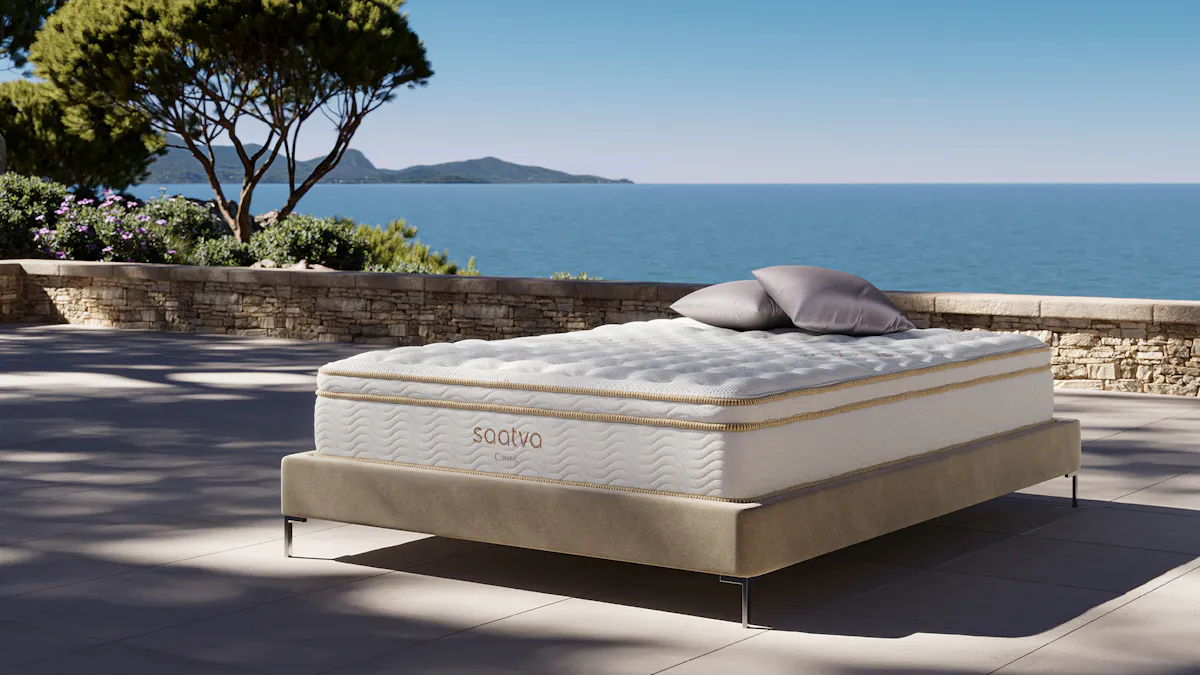
Keep outside comparisons separate from this verdict. The Saatva Classic is not a contender or value pick in this head-to-head; our Saatva vs. Casper Hybrid comparison addresses that different purchase decision.
ONE VERIFIED ALTERNATIVE
Not quite the right fit? The Saatva Classic is worth a look as an alternative. Check today’s price, sizing and return terms on the official product page before you order.
Saatva Classic
- 365-night home trial and lifetime warranty, per saatva.com
- Handcrafted in the USA, free white-glove delivery
- Flexible financing available
FAQ
Is the Casper Original Hybrid better than the Original?
For the broadest range of needs, I think it is. In the casper original vs hybrid decision, SleepAdvisor gives the Hybrid construction advantages in airflow, buoyancy, and edge support. The Original remains preferable for shoppers who specifically want an all-foam feel or stronger motion dampening potential.
Does the Hybrid sleep cooler than the all-foam model?
SleepAdvisor says the Hybrid generally sleeps cooler because its pocketed coils allow more air to move through the support layer. The Original has a breathable knit cover according to SleepAdvisor, but its foam core does not contain the same open internal cavity.
Which version is better for side sleepers?
The Original has the clearer case for a side sleeper who likes close foam contouring around the shoulder and hip. A side sleeper who also wants easier repositioning, better core airflow, or a steadier edge may find the Hybrid’s foam-over-coil construction more suitable.
Which version is better for couples?
SleepAdvisor says both models can manage motion well. I would favor the Original when small partner movements are the leading concern, while the Hybrid is the more balanced choice for couples who also depend on perimeter stability and easier movement.
Why does the Casper Original Hybrid cost more?
SleepAdvisor attributes the higher price position to the pocketed-coil support system. That added construction changes airflow, responsiveness, weight, and edge behavior, so the choice should depend on whether those differences are useful to you rather than on the Hybrid label alone.