
 by
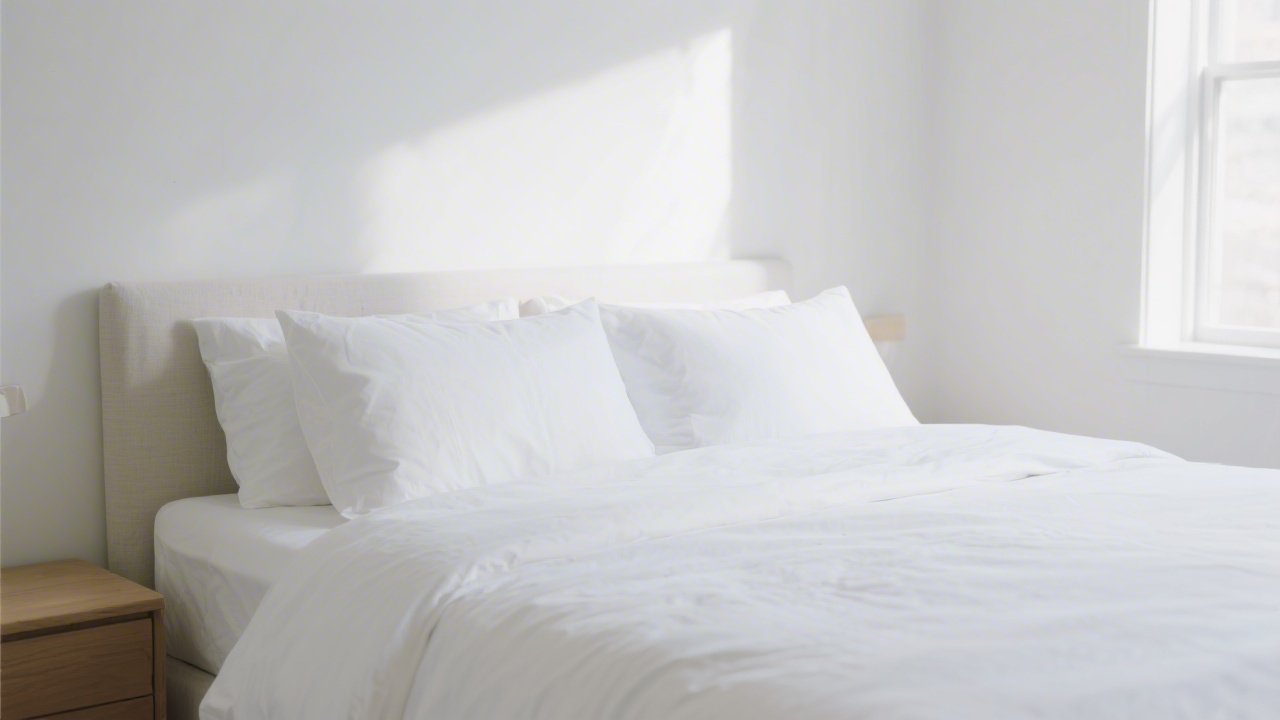
by Saatva's organic percale sheets use single-ply, long-staple cotton -- the weave and fiber quality that actually matters. Available in sizes from Twin to Split Cal King.
What Percale Actually Is
Percale is a weave structure, not a fiber type. It uses a one-over-one-under interlacing pattern -- the simplest possible structure -- at a minimum 200 thread count. The result is a balanced, matte-finish fabric that feels crisp rather than silky.
This is different from sateen, which uses a four-over-one-under pattern that creates a smoother, shinier surface. Both weaves can use the same cotton fiber; the texture difference is entirely from the weave. For a full comparison, see our sateen vs percale guide.
Why Percale Breathes Better
The one-over-one-under structure leaves more space between threads than sateen's dense four-over pattern. This creates a fabric with higher air permeability -- particularly relevant during sleep, when body temperature rises 1-2 degrees and moisture management becomes the primary comfort factor.
In controlled textile testing, percale sheets consistently show 15-25% higher air permeability than equivalent sateen sheets made from the same yarn. For hot sleepers, that difference is the gap between waking up damp and sleeping through the night.
The Softness Curve: Why Percale Improves With Washing
New percale often feels stiffer than sateen out of the package. This surprises buyers who expect immediate softness. The crispness comes from starching during manufacturing -- it protects the weave during shipping and retail display.
After 5-8 wash cycles, the starch washes out and the cotton fibers relax into a softer hand. After 15-20 cycles, quality percale reaches its peak softness -- supple and breathable simultaneously. Sateen doesn't improve this way; its surface sheen reduces with washing.
Thread Count in Percale: What Range to Target
For percale specifically, 300-400 thread count in single-ply construction is the optimal range. The minimum 200TC for percale weave means anything below 300 is basic quality. Above 500, verify single-ply or the extra count is multi-ply padding that closes air gaps and reduces the cooling benefit.
Understanding thread count math helps. A true 400TC percale uses approximately 200 threads in each direction per square inch. The thread count guide explains the ply problem in detail. Our visual thread count chart shows how marketed numbers compare to actual quality.
Best Percale Sheets by Price Point
Premium ($150+)
Saatva Percale Sheets -- Organic long-staple cotton at 400TC single-ply. OEKO-TEX certified. The benchmark for this category: consistently cool, softens beautifully, holds up for 3+ years of weekly washing.
Brooklinen Classic Percale -- 270TC SUPIMA cotton. Lower thread count than Saatva but single-ply with verified ELS fiber. Very breathable; one of the most popular percale sheets in the US market.
Mid-Range ($80-150)
Parachute Classic Percale -- 400TC long-staple cotton. Good initial crispness, reliable softening curve. Slightly heavier than Brooklinen.
Amazon Basics 400TC Percale -- 400TC single-ply at roughly half the price of premium options. Fiber sourcing is not disclosed in detail; however the weave quality is consistent and it remains a rational budget choice.
Budget (under $80)
L.L.Bean 280TC Percale -- SUPIMA cotton at a lower thread count. Thinner feel but excellent breathability. Long-lasting; L.L.Bean's lifetime guarantee covers defects.
Care Instructions for Percale
- Wash in cold or warm water -- hot water weakens cotton fibers over time
- Tumble dry low or air dry -- high heat degrades fiber more than any other factor
- No fabric softener -- it coats fibers and reduces the breathability you paid for
- Iron if desired on medium heat -- percale's matte finish accepts ironing without damage
For a full overview of what to look for before buying any sheet type, see our complete buyer's guide. If you're choosing between cotton types, our Egyptian cotton guide covers fiber quality in depth.
Saatva's organic percale sheets use single-ply, long-staple cotton -- the weave and fiber quality that actually matters. Available in sizes from Twin to Split Cal King.
Voted best luxury innerspring mattress with exceptional lumbar support and white-glove delivery.
Check Price & Availability FAQPage", "mainEntity": [{"@type": "Question", "name": "What is percale weave?", "acceptedAnswer": {"@type": "Answer", "text": "Percale uses a one-over-one-under interlacing pattern at a minimum 200 thread count. This tight, balanced weave creates a matte, crisp finish that is distinctly different from the smooth sheen of sateen."}}, {"@type": "Question", "name": "Is percale better than sateen for hot sleepers?", "acceptedAnswer": {"@type": "Answer", "text": "Yes. The open structure of percale allows more airflow between fibers, making it meaningfully cooler than sateen's tighter weave. Most hot sleepers report lower night sweats within the first week of switching to percale."}}, {"@type": "Question", "name": "Does percale get softer over time?", "acceptedAnswer": {"@type": "Answer", "text": "Percale softens consistently with each wash. After 10-15 wash cycles, a percale sheet that felt stiff out of the package becomes noticeably softer while retaining its breathable structure. This is normal and expected."}}, {"@type": "Question", "name": "What thread count is best for percale?", "acceptedAnswer": {"@type": "Answer", "text": "300-400 thread count single-ply is the ideal range for percale. Below 200 and the weave is too loose to be durable. Above 500 and you're likely dealing with multi-ply inflation that reduces breathability."}}, {"@type": "Question", "name": "Can I use percale sheets year-round?", "acceptedAnswer": {"@type": "Answer", "text": "Yes. Percale is cooler than sateen in summer but still provides adequate warmth in winter when layered with a duvet. The temperature difference between weaves is meaningful but not extreme -- most sleepers use percale year-round without issue."}}]}