
 by
by Looking for a white-glove alternative?
The Saatva Classic includes free white-glove delivery, in-room setup, and old mattress removal on every order — no upgrade fees.
See Saatva Classic →Every Purple mattress is built around one core technology: the GelFlex Grid. It is the reason Purple mattresses feel unlike any foam or coil mattress, the reason they are heavier, and the reason buyers either love them or find them confusing. Here is a complete, engineering-level explanation of what the grid is, how it works, and who it actually benefits.
What Is the GelFlex Grid?
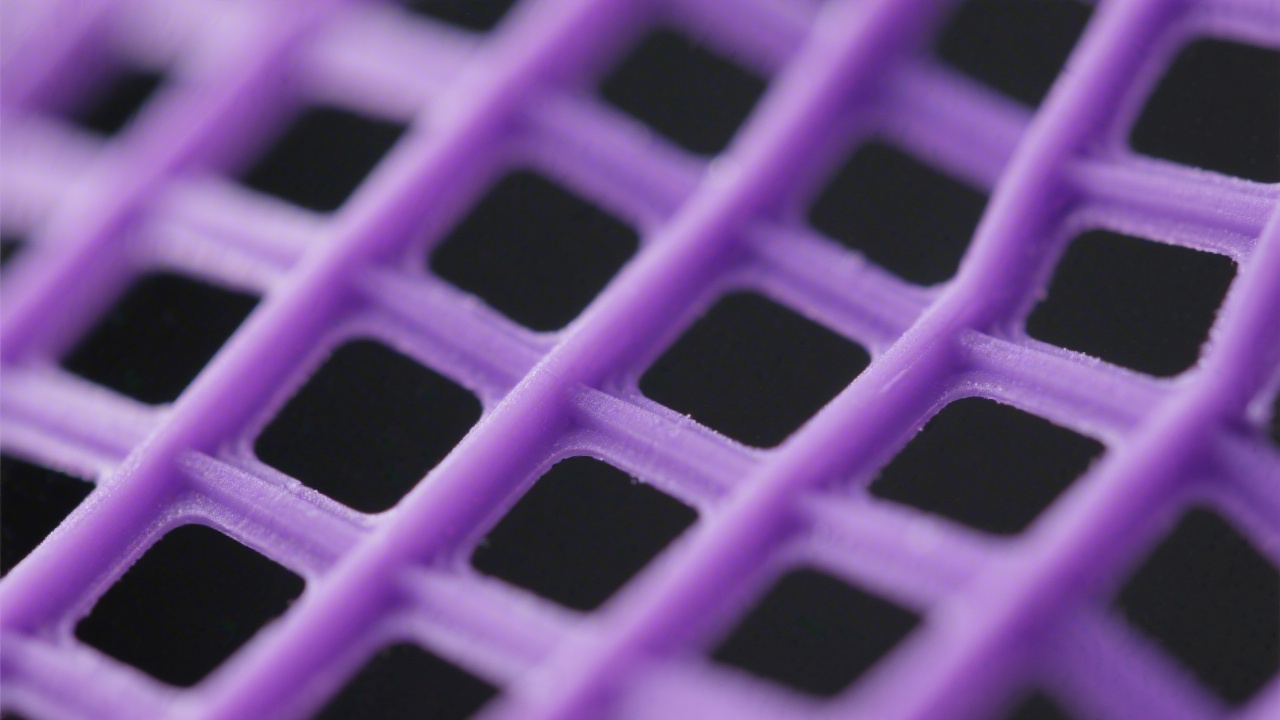
The GelFlex Grid is a 2-inch layer of hyper-elastic polymer formed into a grid of open squares. It sits at the top of every Purple mattress, directly beneath a thin fabric cover. The polymer used is a food-grade, non-toxic material similar to what is used in medical devices — Purple has described it as similar to the material used in catheters and other flexible medical applications.
The grid has two mechanical properties that distinguish it from foam:
- Column buckling under point load: When you press a single point of the grid — like a shoulder, hip, or heel — the columns in that area buckle sideways, collapsing to zero resistance. This allows heavy, bony, or pressure-sensitive body parts to sink without restriction.
- Adjacent support: The grid cells that are not being directly loaded remain upright and load-bearing. This means the grid supports body weight at a zone level, not a material-wide "sink everywhere" level like soft foam.
Pros and Cons
What We Like
- GelFlex Grid for pressure relief and airflow
- Excellent temperature neutrality
- Good for combination sleepers
- No break-in period needed
What Could Be Better
- Heavier than traditional foam
- Higher price for premium models
- Unique feel takes adjustment
- Can feel firm for lightweight side sleepers
How Does It Compare to Memory Foam?
Memory foam responds to both pressure and heat. When your body compresses memory foam, it softens slowly, conforms, and then releases slowly when you move. This creates the "hugging" sensation memory foam buyers often love — but also the "quicksand" feeling that hot sleepers or active sleepers dislike.
The GelFlex Grid responds to pressure only, not heat. It buckles immediately under load and returns immediately when load is removed. There is no heat-softening, no slow conforming, and no stuck-in-place sensation. The grid also has open channels throughout — air can move through the grid continuously, which is why Purple's temperature regulation is genuinely better than closed-cell foam. This is not marketing language: open-cell foam gets credit for "breathability" that the GelFlex Grid earns through actual airflow channels.
See our full Purple mattress review for how this translates to real-world sleep testing.
The Physics of "No Pressure Points"
Purple markets the GelFlex Grid using a raw egg test: eggs placed in the grid and compressed with a weight survive without breaking, because the grid collapses around them rather than pressing on them. This is a legitimate demonstration of the mechanics — but it oversimplifies what happens during sleep.
In practice, the grid's pressure relief depends on the sleeper's weight distribution and sleeping position. Side sleepers with prominent shoulders and hips tend to benefit most: the bony points buckle the columns directly above them, while surrounding tissue is supported. Stomach sleepers are more mixed: the grid may allow hips to sag too far for spinal alignment, and back sleepers generally need a firmer support base beneath the grid.
Purple's lineup — Original, Plus 3, Plus 4, Restore — varies the grid thickness and base foam support to address this. The original Purple uses a 2-inch grid; the Plus 4 uses a 4-inch grid with softer overall feel.
Who Benefits Most From the GelFlex Grid?
Based on the mechanical properties, these buyer profiles get the most from the grid:
- Hot sleepers: The open grid channels provide genuine airflow that foam cannot replicate. If you sleep hot and have tried foam mattresses without success, the grid is worth testing.
- Side sleepers with pressure sensitivity: Shoulders and hips benefit from the column-buckling property. The grid relieves pressure at these points without requiring the mattress to be soft everywhere.
- Combination sleepers: The instant response (no slow foam recovery) means movement is easier. There is no "sinking in" that creates resistance when you change positions.
- Buyers who dislike the "hugging" feel of foam: The grid has no conforming or body-cradling sensation. You sleep on top of it, not in it.
Who the Grid Does Not Work For
The grid is not universally better — it is differently optimized. Buyers who prefer the contouring support of memory foam, who want a plush traditional feel, or who are strict stomach sleepers often find Purple mattresses unsatisfying. The grid also has a slightly firm, springy texture that some describe as "wavy" when first lying down — this is a tactile quirk of the polymer material that does not bother most people but is worth knowing about in advance.
For a comparison with a coil-based alternative, see our review of the Saatva vs Purple 4. For broader context, our mattress pressure relief test includes Purple alongside other brands.
Looking for a white-glove alternative?
The Saatva Classic includes free white-glove delivery, in-room setup, and old mattress removal on every order — no upgrade fees.
See Saatva Classic →Frequently Asked Questions
What material is the Purple GelFlex Grid made from?
The GelFlex Grid is made from a hyper-elastic polymer — a food-grade, non-toxic material similar to those used in flexible medical devices. It is not foam, latex, or gel-infused foam. It is a distinct material category.
Does the GelFlex Grid actually sleep cooler than foam?
Yes, measurably. The open grid channels allow air to circulate through the comfort layer continuously. This is a structural cooling advantage, not just a surface treatment. Independent tests consistently show Purple mattresses running cooler than comparable foam mattresses.
How thick is the GelFlex Grid?
The original Purple uses a 2-inch GelFlex Grid. The Purple Plus 3 uses 3 inches and the Plus 4 uses 4 inches. The Restore Premium uses a 4-inch grid with enhanced base support. Thicker grids provide more pressure relief but a softer overall feel.
Does the GelFlex Grid break down over time?
The hyper-elastic polymer is designed to maintain its elasticity over years of use. Purple's warranty covers sagging and comfort layer defects. Owner reviews suggest the grid is generally durable, though the foam base layers beneath can develop indentations like any foam over time.
Is the GelFlex Grid good for back pain?
For side sleepers with back pain from pressure points, the grid can help by relieving hip and shoulder pressure without sinking too deeply. For back pain caused by inadequate spinal support, the grid alone is not sufficient — you need a supportive base layer as well, which is why the Purple Plus and Restore models are often recommended over the original for back pain sufferers.