
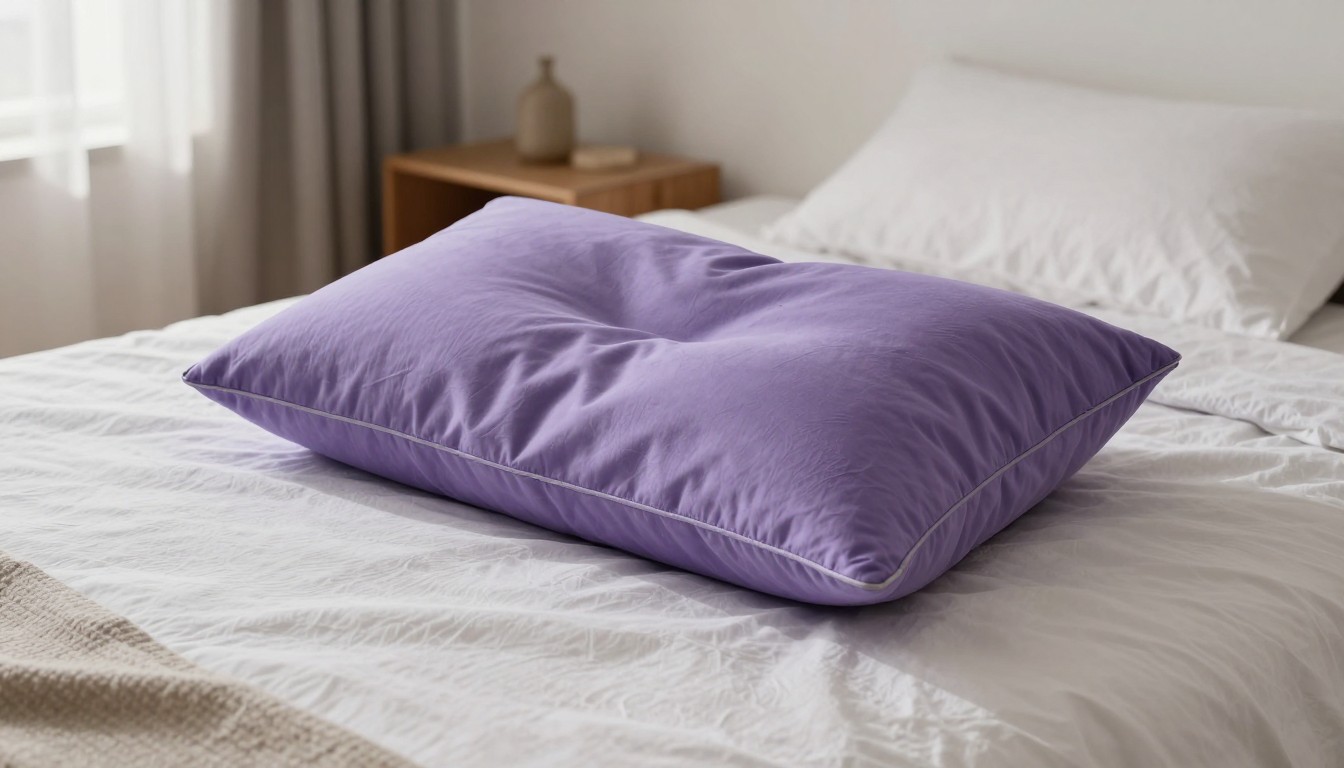
 by
by Quick answer: I read the putple pillow query as a misspelling of Purple pillow. Purple’s grid-based designs make the most sense for sleepers who prefer a responsive, structured surface. They’re a weaker match for anyone chasing the soft, collapsible feel of a traditional hotel pillow.
- Purple describes its signature pillow material as a Hyper-Elastic Polymer grid rather than conventional loose fiber or a solid block of memory foam.
- Mattress Clarity’s review coverage says the Original Purple Pillow uses removable boosters to alter its height.
- Sleep Foundation’s model comparisons place the Plush toward the accessible end of the range and the latex-based Harmony in the premium tier.
- Current construction, availability, and pricing should be confirmed with Purple because model names and offers can change.
Updated July 2026
My verdict on the putple pillow is straightforward: the unusual material is the reason to buy it and the reason to skip it. The grid offers more pushback and shape retention than loose fill. That can feel supportive under a back or side sleeper, but it won’t imitate the deep, feathery sink that many people associate with a luxury pillow.
I wouldn’t choose among Purple’s models by marketing rank alone. Start with the construction. The Original centers the grid experience and adds height adjustment, the Plush moves closer to a conventional pillow feel, and the Harmony combines grid elements with latex. Those builds respond differently even though they sit under the same brand name.
The Purple Pillow Lineup, Decoded
The important split is between a polymer-grid design, a softer adjustable design, and a latex-centered design. Purple’s manufacturer description identifies the proprietary grid as the defining material, while Mattress Clarity, Retail Dive, and Sleep Foundation describe meaningful differences among the models.
Original Purple Pillow. This is the most direct expression of Purple’s grid concept. Mattress Clarity’s review says removable boosters let the user alter the height. That makes the Original more adaptable than a fixed-loft pillow, although adjusting height doesn’t turn its structured surface into soft down.
Purple Plush Pillow. Retail Dive’s launch coverage describes a softer adjustable interior and a moisture-wicking cover. I see this as the less radical entry into the family. It’s aimed at sleepers who want some adjustability without placing their head directly on the firmer grid sensation associated with the Original.
| Model | Construction described by cited coverage | Practical feel implication | Reader fit |
|---|---|---|---|
| Original Purple Pillow | Polymer grid with removable height boosters, according to Purple and Mattress Clarity | Structured, responsive, and less moldable than loose fiber | Back and side sleepers who value height adjustment |
| Purple Plush | Softer adjustable interior described in Retail Dive’s launch coverage | More compressible and familiar than the Original | Stomach sleepers and grid-curious shoppers who dislike firm surfaces |
| Purple Harmony | Latex core with grid elements, according to Sleep Foundation | Buoyant response with less slow sinking than memory foam | Sleepers who already enjoy the springy behavior of latex |
| Cloud and related variants | Construction varies by the specific model description | The family name alone doesn’t establish a grid-like feel | Shoppers willing to verify the exact fill and current availability |
Purple Harmony Pillow. Sleep Foundation’s comparison describes a latex core paired with grid elements. Latex generally rebounds quickly rather than holding a deep impression, so Harmony should appeal more to people who like buoyancy than to those seeking slow memory-foam contouring.
Cloud and spin-off variants. These need extra care during comparison because a Purple name doesn’t automatically mean the same construction as the Original. Read the current material description for the exact variant. A gel-fiber pillow and a grid pillow may share branding while behaving very differently under the head.
The Nut’s lineup rule: Ignore the family resemblance and identify the load-bearing material. Grid, adjustable fiber, and latex each create a different kind of resistance. That distinction tells you more than the model’s place in the price ladder.
Sleep Foundation’s pricing summaries place the Plush as the more accessible entry, the Original around the middle, and Harmony in the premium tier. I’m leaving fixed prices out because promotions and availability move. The useful comparison is construction relative to the current asking price, not a stale figure copied into a static review.
How the Purple Grid Feels Under Your Head
An open lattice behaves differently from either shredded fill or a solid foam slab. Its flexible walls can compress where pressure lands while the neighboring sections remain more upright. That creates localized give without the loose, enveloping collapse of down-alternative fiber.
Purple identifies this lattice as Hyper-Elastic Polymer. Mattress Clarity’s coverage characterizes the Original as firm and structured compared with a standard pillow. That description matters more than labels such as “soft” or “supportive,” because a sleeper can appreciate firm support in a mattress and still dislike it directly beneath the head.
According to verified owner reviews cited for the model, reactions divide around that distinctive surface. Some owners like the stable platform and resistance to constant fluffing. Others find the grid too present and prefer a pillow that can be folded, bunched, or shaped by hand. Neither response means the material has failed. It means tactile preference is doing most of the deciding.
Press-back check: If you like your head resting on top of a pillow, the Original’s structure may make sense. If you want your head to settle inside the pillow, loose fill is usually the more natural construction.
Cooling Is Plausible, but It Isn’t a Promise
The grid contains open passages rather than presenting a completely solid mass. From a materials perspective, those passages give air somewhere to move when the sleeper changes position. That is a more convincing cooling mechanism than simply printing a cooling label on a dense block of foam.
I still wouldn’t turn that construction detail into an absolute temperature claim. A pillowcase, protector, room conditions, and the amount of contact between the face and pillow all affect perceived warmth. Verified owner reviews often identify temperature neutrality as a strength, but an airy structure can’t make every sleeper feel cool.
Adjustment Changes Height, Not the Basic Texture
Mattress Clarity reports that the Original includes removable boosters. Adding or removing them changes how high the pillow holds the head. It doesn’t erase the underlying grid sensation, so the Original remains a poor bet for someone who already knows they dislike elastic, responsive surfaces.
The useful part of the booster design is flexibility after purchase. Shoulder depth, mattress firmness, and sleep position all influence the amount of space a pillow must fill. A person sinking deeply into a soft mattress may need less pillow height than the same person lying on a firmer surface.
| Material behavior | Grid | Loose fiber | Latex core |
|---|---|---|---|
| Response | Localized compression with noticeable pushback | Compressible and easy to reshape | Quick rebound and broad buoyancy |
| Surface character | Structured | Fluffy or moldable | Springy |
| Likely objection | Too firm or unfamiliar | Requires fluffing and can shift | Too bouncy for a sink-in sleeper |
Matching a Purple Pillow to Sleep Position
A side sleeper creates a larger space between the mattress and head because the shoulder sits between them. A stomach sleeper usually creates much less space. That basic geometry is why the same pillow can feel appropriately supportive in one position and intrusive in another.
- Side sleepers: the Original is the logical model to investigate because Mattress Clarity says its boosters alter the height. Use enough height to fill the shoulder gap without forcing the head sharply upward.
- Back sleepers: a moderate height generally makes more sense than an aggressively tall build. The Original’s adjustability is useful here if its grid texture suits you.
- Stomach sleepers: a softer, more compressible surface is usually the safer construction match. Retail Dive’s description makes the Plush the more plausible Purple option, although personal build and mattress softness still matter.
- Combination sleepers: focus on how quickly the material recovers during repositioning. Grid and latex respond promptly, while loose fiber is easier to reshape manually.
- Hot sleepers: consider the open structure, cover, and protector together. Don’t assume the pillow alone controls the sleeping temperature.
A mattress changes this decision more than many pillow guides admit. On a soft mattress, the shoulder and torso settle farther down, effectively reducing the required loft. On a firm mattress, the body remains nearer the surface, leaving a larger gap for the pillow to fill.
Fit check: judge the pillow while lying on your own mattress in your normal position. A loft recommendation made without accounting for mattress sink is incomplete.
Body size matters as well, but there is no responsible universal setting to print here. Broader shoulders may call for more fill on the side, while a smaller frame may need less. The booster system gives the Original room for correction, provided the grid feel itself is acceptable.
Why a Grid Pillow Doesn’t Feel Like Hotel Bedding
Grid and loose fiber solve opposite problems. A structured lattice tries to maintain a stable support surface. Hotel-style fill is selected for compressibility, reshaping, and visible fullness. One resists displacement, while the other invites it.
If your reference point is a pillow that can be folded under the head, the Original may feel overly engineered. That plush sensation is part of why hotel pillows feel comfortable to many guests. Soft fill can spread away from pressure and gather around the face, creating an enveloping sensation the Purple grid isn’t designed to copy.
The tradeoff is maintenance. Loose fill commonly needs fluffing because the material migrates within the shell. A molded or structured component doesn’t rely on daily redistribution in the same way. That doesn’t make either approach inherently better, but it changes what ownership feels like.
Expectation reset: don’t buy a grid pillow hoping it will soften into down. Choose it because you want its responsive structure. If deep sink is the goal, start with the fill category instead of the Purple name.
Hotel specifications also vary. The discussion of Wyndham hotel pillows shows why a familiar hospitality feel usually begins with fiber selection and fill behavior, not a lattice. Purple is a materially different proposition even when both products are described as comfortable.
Response During Position Changes
A responsive material regains shape quickly after pressure moves. That can make repositioning easier for sleepers who dislike waiting for slow foam to recover. It can also feel more active beneath someone who wants the pillow to stay compressed after settling in.
The Original’s grid should be judged as a surface, not merely as a hidden support component. The Harmony’s latex core, as described by Sleep Foundation, adds another source of rebound. The Plush moves in the opposite direction by emphasizing a softer adjustable interior, according to Retail Dive’s coverage.
- Choose grid-like response if you want the pillow to recover without manual fluffing.
- Choose softer adjustable fill if you frequently fold or bunch a pillow.
- Choose latex-like buoyancy if you enjoy quick rebound across a broader surface.
- Avoid treating “responsive” as a synonym for universally comfortable.
I haven’t seen verified evidence here for assigning a precise motion, cooling, or comfort score, so I won’t manufacture one. Material behavior can narrow the field, but personal pressure preference still determines the final fit.
Care and Long-Term Shape Retention
A removable cover and a molded internal component require different care than a fully washable fiber pillow. Purple’s manufacturer guidance describes removable, washable covers for the models discussed, while Retail Dive’s Plush coverage describes its cover as moisture-wicking. Follow the sewn-in tag for the exact model because care directions can change with revisions.
Don’t assume the core belongs in a washing machine just because the outer cover does. Unless the manufacturer’s directions explicitly allow machine washing, treat the internal grid, latex, boosters, and filled components as separate materials. Aggressive heat or agitation can affect pillow components differently.
Regular cover cleaning and a compatible protector can reduce the buildup of perspiration and body oils. Those residues are a major part of why pillows turn yellow. The companion explanation of why your own pillow turned yellow also covers the difference between surface staining and changes within the fill.
- Check the model tag before separating or washing any component.
- Wash the removable cover only according to Purple’s current care directions.
- Keep the internal materials dry unless their instructions specifically permit washing.
- Let every cleaned component dry fully before rebuilding the pillow.
- Reassess the booster arrangement after laundering the cover so the height still feels appropriate.
Construction gives the grid a different durability profile from loose fill. A continuous lattice has no flock of fibers that can migrate into empty spots, although it can still soften, tear, or change with use. Some verified owners report good shape retention, but those reports shouldn’t be turned into a promised lifespan.
Sleep Foundation’s materials guidance generally treats latex as a durable pillow material. That supports Harmony’s case on paper, but actual wear still depends on care, use, cover protection, and the particular latex formulation. I’d watch for uneven support, permanent deformation, damaged grid walls, or a cover that no longer fits securely rather than replacing a pillow on an arbitrary schedule.
Durability reality: shape retention and comfort retention aren’t identical. A pillow can look intact while becoming less comfortable for its owner, and a cosmetically worn cover doesn’t necessarily mean the support component has failed.
Who Should Buy, and Who Should Skip
The Original makes the strongest construction case for a back or side sleeper who wants adjustable height and doesn’t mind a firmer, more noticeable surface. Mattress Clarity’s booster description is the key evidence. The appeal isn’t generic luxury, it’s the ability to change loft while retaining the grid’s responsive character.
The Plush is the more sensible route for someone who wants a softer Purple design, especially if easy molding matters more than direct grid support. Retail Dive’s description supports that distinction. I’d still verify the current fill and care details because the brand family alone doesn’t tell you how a variant behaves.
The Harmony is aimed at a different preference. Sleep Foundation describes latex within its construction, so it suits a shopper already comfortable with springy rebound and premium-tier pricing. Anyone who dislikes bounce should treat that material as a warning rather than assuming the higher position in the range makes it universally better.
| Your priority | Where I’d start | Reason to pause |
|---|---|---|
| Adjustable height with a structured surface | Original | The grid may feel too firm or unfamiliar |
| Softer, more conventional compression | Plush | It may not deliver the direct grid experience you expected |
| Buoyant latex response | Harmony | Springiness and premium positioning won’t suit every shopper |
| Deep hotel-style sink | A traditional fill category | Purple’s structured designs pursue a different feel |
Skip the Original if you routinely fold your pillow, bury your face into loose fill, or dislike noticeable pushback. Also pause if you’re choosing solely because of a cooling label. The open structure is materially relevant, but the complete bedding setup influences perceived temperature.
Value depends on using the feature that separates each model. Paying for adjustable height makes little sense if the default setup already feels wrong. Paying for latex makes little sense if you dislike rebound. The current price should be weighed against those construction benefits rather than against an abstract luxury label.
A Traditional Luxury Option After the Grid Decision
If you decide that a responsive grid isn’t your preferred feel, the Saatva Pillow is an optional traditional luxury model to consider separately. Verify its current materials, care terms, and price directly with the brand. I’m not attaching unverified sales, warranty, trial, financing, or popularity claims to it.
Final Verdict
The Purple family earns attention because its construction is genuinely different, not because every sleeper needs a grid beneath the head. The Original is the clearest choice for adjustable height and direct grid response. The Plush shifts toward a softer pillow experience, while Harmony uses latex to create a more buoyant interpretation.
My bottom line: choose by material behavior. Buy into the grid only if stable pushback sounds appealing. If your ideal pillow is floppy, foldable, and deeply compressible, Purple’s signature design is solving a problem you may not have.
ONE OPTION WORTH COMPARING
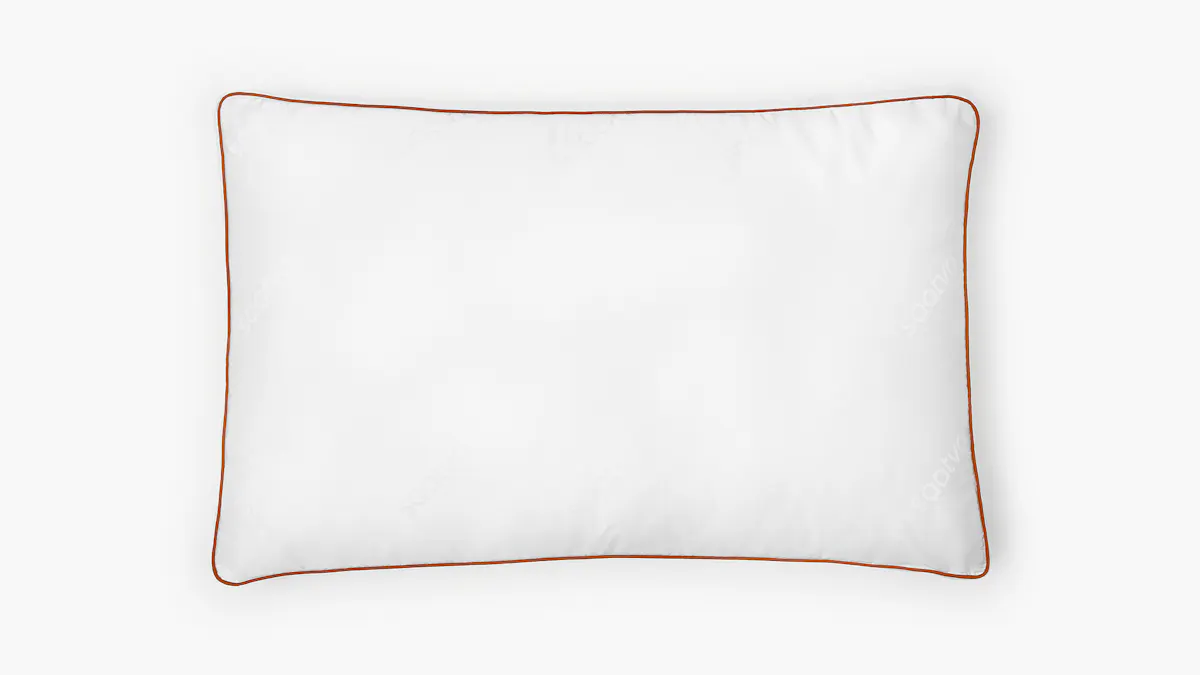
Shopping as well as reading? Here is one current option worth comparing: the Saatva Pillow. Check today’s price, sizing and return terms on the official product page before you order.
Saatva Pillow
- Shredded natural latex core, per saatva.com
- 45-day free returns
- Machine-washable organic cotton cover
FAQ
What is a putple pillow?
The putple pillow query is best understood as a misspelling of Purple pillow. Purple is known for a proprietary polymer grid, according to the manufacturer, but not every pillow carrying the Purple name necessarily uses the same internal construction. Confirm the exact model before comparing feel or price.
Is the Original Purple Pillow good for side sleepers?
It can suit a side sleeper who needs extra height and likes a structured surface. Mattress Clarity says the Original uses removable boosters, which allows some loft adjustment. The correct setup still depends on shoulder depth, mattress sink, and personal pressure preference.
What are Purple pillows made from?
Purple describes the Original around its Hyper-Elastic Polymer grid. Sleep Foundation describes the Harmony as using a latex core with grid elements, while Retail Dive’s Plush coverage describes a softer adjustable interior. Read the current manufacturer description because the materials aren’t interchangeable across the family.
Do Purple pillows sleep cool?
The grid’s open passages provide potential airflow routes that a solid foam block lacks. Verified owner reviews often describe temperature neutrality positively, but that doesn’t establish a universal cooling result. The pillowcase, protector, room, and amount of surface contact also influence warmth.
Can the height of a Purple pillow be adjusted?
Mattress Clarity’s review coverage says the Original includes removable boosters for height adjustment. The Plush uses a different adjustable approach, according to Retail Dive’s description, while the latex-centered Harmony should be evaluated by its current fixed construction. Always verify the exact model rather than assuming every Purple pillow adjusts the same way.