 by
by Quick answer: A queen duvet should cover more than the mattress itself. Start with the listed insert measurements, then choose the Saatva Percale Duvet only if its official dimensions suit your preferred drape.
- A standard US queen mattress measures 60 inches wide by 80 inches long.
- Many queen duvet inserts are listed around 88 to 92 inches wide and long.
- Mattress depth changes how much side coverage you will see.
Updated July 2026 · Reviewed for accuracy
For most US beds, queen duvet measurements land around 88 to 92 inches in both directions. That gives a standard queen mattress meaningful side coverage, but the label alone does not guarantee a good fit.
My advice is simple: ignore the word “queen” until you have compared the insert’s stated width and length with your mattress, topper, and desired overhang. Bedding labels are useful starting points. Measurements decide whether the bed looks properly finished or oddly skimpy.
Queen duvet measurements at a glance
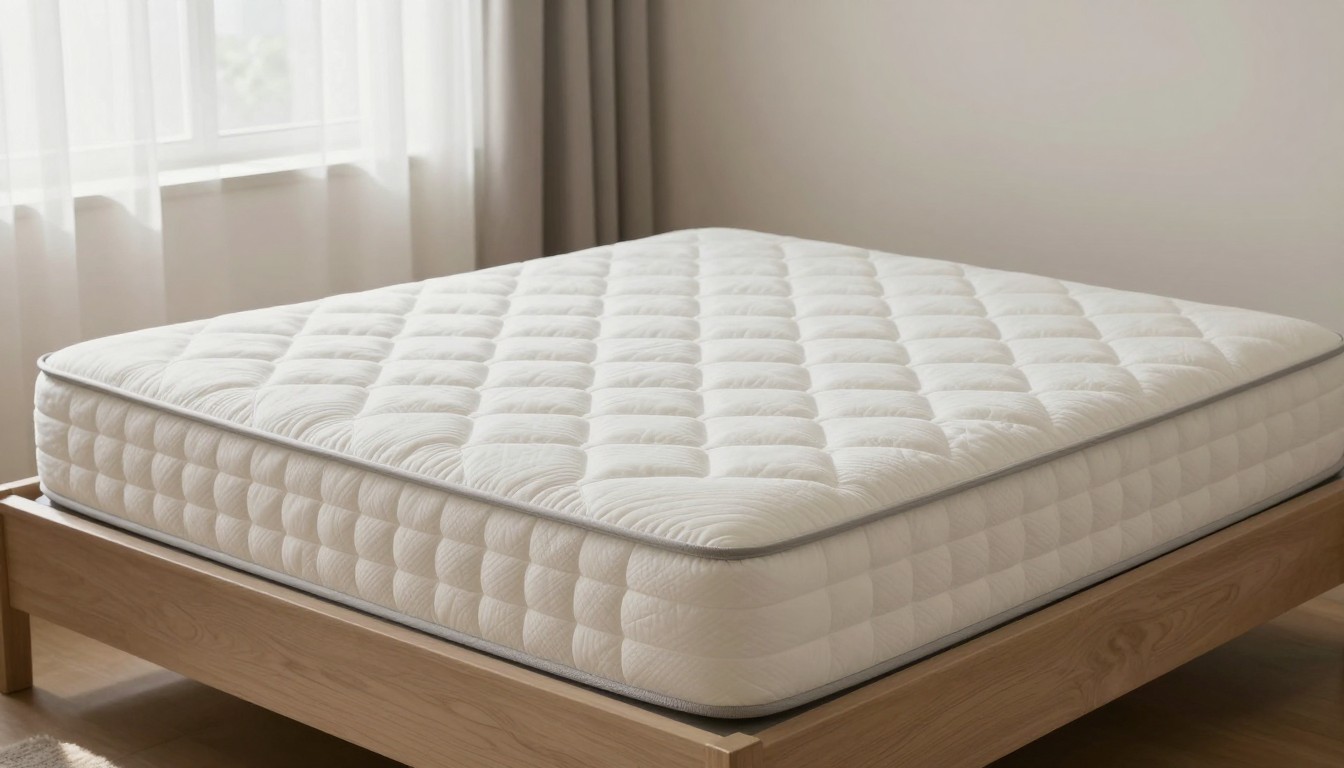
A standard US queen mattress is 60 inches wide by 80 inches long. A duvet needs to exceed those measurements because it must travel over the top surface and down the sides, rather than fit tightly like a fitted sheet.
Many queen inserts measure roughly 88 to 92 inches wide by 88 to 92 inches long, according to manufacturer sizing conventions summarized in the research. That range is broad enough to explain why two items labeled queen can look noticeably different on the same bed.
| Item | Common measurement | What it tells you |
|---|---|---|
| US queen mattress | 60 by 80 inches | The sleeping surface your duvet must cover. |
| Queen duvet insert | Often about 88 to 92 inches wide and long | Potential side drop and foot coverage, subject to bed depth. |
| Duvet cover | Varies by manufacturer | It must be checked against the insert, not just the mattress label. |
On an 88-inch-wide insert, the width difference from a 60-inch mattress is 28 inches. If the insert is centered, that works out to about 14 inches of material on each side before mattress depth changes the result. A thicker mattress uses some of that fabric on its vertical sides.
Length deserves equal attention. An 80-inch mattress can make a square duvet feel short at the foot if you pull it high toward the pillows, or more generous if you position it differently. There is no universal “right” placement. There is only the coverage you want while sleeping and the look you want when the bed is made.
The useful rule: buy from the listed dimensions, not the nominal size. “Queen” identifies the intended bed category. It does not create a universal duvet measurement.
Why the queen label can mislead you
Queen sizing changes across regions and manufacturers. The research notes that US, UK, European, and Asia-Pacific bedding conventions can use the same familiar label for different widths and lengths. Cross-border shopping makes this especially easy to get wrong.
A duvet cover can complicate the picture further. A cover is the outer case; an insert is the lofted bedding that goes inside it. Some listings sell a cover set, some sell an insert, and some use “duvet” casually for a finished comforter. Read the product description until you know exactly which piece is included.
That distinction matters because a cover that is too tight can bunch the insert, while a cover that is much larger can let the fill shift. Per the manufacturer’s own product listing, use the actual cover measurements and actual insert measurements as the match point. Do not assume a queen cover automatically fits every queen insert.
Mattress depth is the other quiet variable. A mattress with a topper has more vertical surface to cover than a low-profile mattress. The same duvet can therefore look full on one bed and narrow on another, even if both sleeping surfaces are technically queen size.
If you are still choosing the bed itself, compare its stated height with your bedding plan. Our guides to a queen mattress with a ten-inch profile and a queen mattress with a taller profile show why the label “queen” says nothing about the amount of fabric needed down the sides.
Comparing options? The Saatva Percale Duvet is the pick we keep coming back to — see the final verdict ↓
Choose the overhang before choosing the insert
The research suggests thinking in terms of your desired overhang, often around 2 to 6 inches per side as a personal-preference range. That is a useful minimum planning tool, but many buyers prefer considerably more visible drape than the minimum calculation creates.
For a clean, tailored bed, you may want less fabric hanging down the sides. This approach can work well if your bed sits close to the floor, has a footboard, or already uses a bed skirt. For a softer hotel-style look, choose enough width to cover the sides without exposing the mattress edge every time the duvet moves.
Side sleepers should think beyond the made-bed photo. A duvet that barely reaches each edge can feel restrictive when one person pulls it toward their side. A broader insert gives more shared coverage, though it can also feel heavier depending on the fill and shell.
Quick fit check
- Write down your mattress width and length.
- Add the depth of the mattress and any topper to your visual plan.
- Decide how much fabric you want past each side.
- Compare that target with the manufacturer’s stated insert dimensions.
- Confirm that the cover is designed for that insert size.
I would not chase an exact universal formula here. The dimensions tell you the available fabric; your bed frame, mattress depth, and sleeping habits determine whether that amount is enough. That is the practical way to avoid returning bedding that looked correct on a retailer’s sizing chart.
Insert, cover, comforter: buy the right layer
A duvet insert is designed to sit inside a removable cover. The cover handles the visible fabric, color, and much of the routine washing. A comforter is generally finished bedding intended to be used as-is, according to the distinction outlined in the research.
This is more than a vocabulary issue. If you need a washable outer layer, a duvet cover may make sense. If you want one finished piece and no insert-to-cover matching step, a comforter may be the simpler category. Neither is inherently better; they solve different bedding problems.
Fill also changes the experience. The research identifies down, down alternative, cotton, and microfiber as common choices. Their warmth, weight, care needs, and breathability differ, so the stated dimensions are only one part of a smart purchase.
Hot sleepers should pay close attention to breathable fills and cotton shells, as the research advises. Cold sleepers may prioritize warmth and loft instead. Check the manufacturer’s care instructions as carefully as the size chart, particularly if you expect to wash the item at home or use a tumble dryer.
A queen bed also benefits from a frame that supports the look you are after. A raised frame exposes more of the side drop, while a lower frame can make the same duvet appear longer. This queen wood bed frame guide is useful context if you are planning the entire bed rather than replacing only the top layer.
How to match a queen duvet cover to its insert
Start with width and length printed on both listings. The manufacturer’s stated measurements matter more than the word queen on either package. If one company measures its cover more generously than another, the same insert can fit very differently.
Then look for the closure and corner attachment details. The research recommends checking whether the cover uses a zipper or buttons to close, and whether the design helps keep the insert in place. Those details affect day-to-day use after you have solved the size question.
A cover that closely follows the insert’s stated dimensions tends to produce a neater result. A substantially mismatched cover can create empty edges or shifting inside the case. Before opening packaging, review the seller’s return policy because duvet sizing is easy to misread from a product title alone.
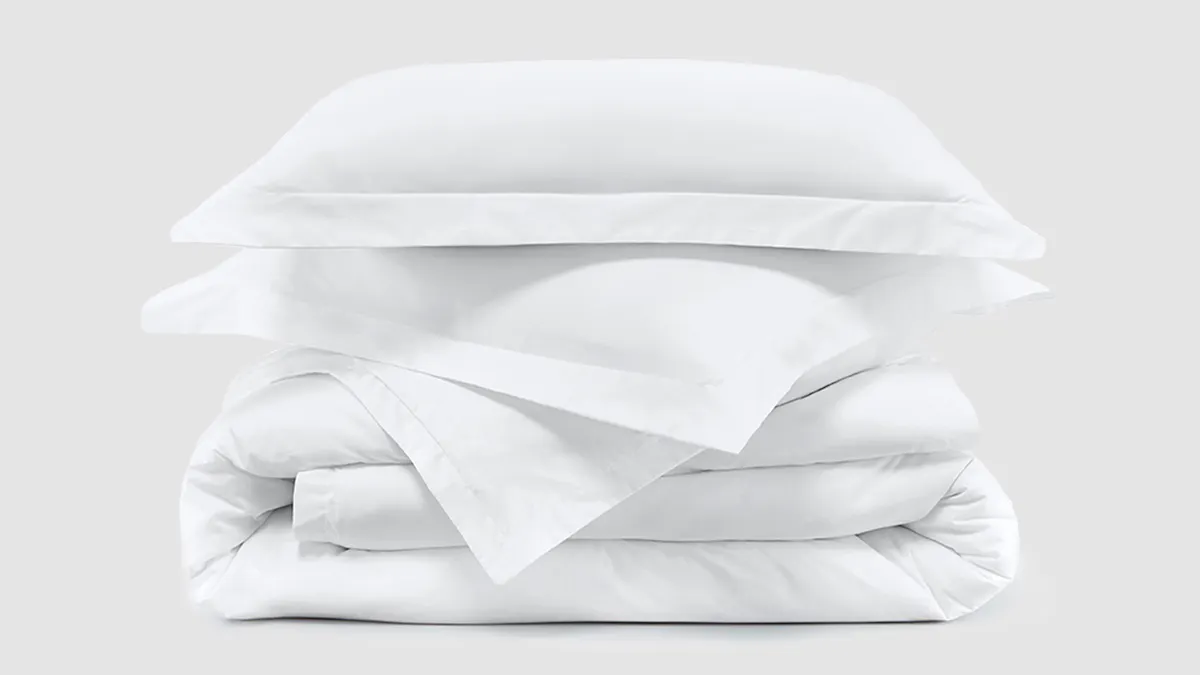
The Saatva Percale Duvet is worth considering only as a cover option after you verify its current official measurements against the insert you already own or plan to buy. I would make that check first, then assess its fabric and care details on the official site rather than treating the name alone as a fit guarantee.
My buying order: mattress dimensions first, desired overhang second, insert dimensions third, cover dimensions fourth. Fabric, warmth, and care come after the pieces are confirmed to fit together.
Practical checklist before you order
The first thing to verify is whether the listing is for an insert, a cover, a set, or a comforter. Retailers can use similar language for products that do very different jobs. The detailed description, not the thumbnail image, should settle the question.
Next, compare the exact dimensions in inches or centimeters. The research cautions against relying on regional size labels, and that is right. A common metric makes it easier to compare pieces sold under different conventions.
Check the depth of your mattress after every layer is on it. That includes a topper, mattress protector, and anything else that changes the visible side profile. A deep sleep setup may call for more overhang if you want the duvet to hide the mattress sides.
Finally, read the care instructions and return terms before the item becomes yours. Duvet covers may be easy to wash, while inserts may have different cleaning limits. A clear return option gives you room to judge the drape on your own bed without turning a sizing mistake into a permanent purchase.
FAQ
What are standard queen duvet measurements?
Many queen duvet inserts are around 88 to 92 inches wide and 88 to 92 inches long, according to the sizing range in the research. Exact dimensions vary by manufacturer, so the listing is the final authority.
Will a queen duvet fit a queen mattress?
It should be intended for one, but “queen” does not guarantee identical sizing across brands or regions. Compare the insert’s listed width and length with a standard 60-by-80-inch queen mattress and account for mattress depth.
Should a duvet be larger than the mattress?
Yes. A duvet needs extra fabric to come down the sides and cover the foot area. The amount you prefer depends on whether you want a tailored appearance or a deeper drape.
Can I use a king duvet on a queen bed?
You can, provided you accept more fabric at the sides and foot. Check the exact measurements first, especially if the bed has a footboard or the room layout leaves little clearance beside the frame.
Do queen duvet covers and inserts always match?
No. Covers and inserts can use different measurements despite sharing the same nominal size. Per manufacturer sizing information, compare both dimensions and inspect the closure details before buying.
Final take
Queen duvet measurements are not a mystery once you stop treating the label as a measurement. Use your 60-by-80-inch mattress as the starting point, account for depth, and choose an insert with the side coverage you actually want.
Then match the cover to the insert by its listed dimensions, not its category name. That small bit of homework is what separates a bed that merely has queen bedding from one that looks and feels properly covered.
FINAL VERDICT
Bottom line for the queen duvet measurement question: if you want a duvet that actually covers the bed and both sleepers, the Saatva Percale Duvet is the safer buy — the sizing and the percale weave are exactly what proper queen coverage needs.
OUR CATEGORY-MATCHED PICK · UP TO $625 OFF
Saatva Percale Duvet
- See the product page for full specs and current pricing