
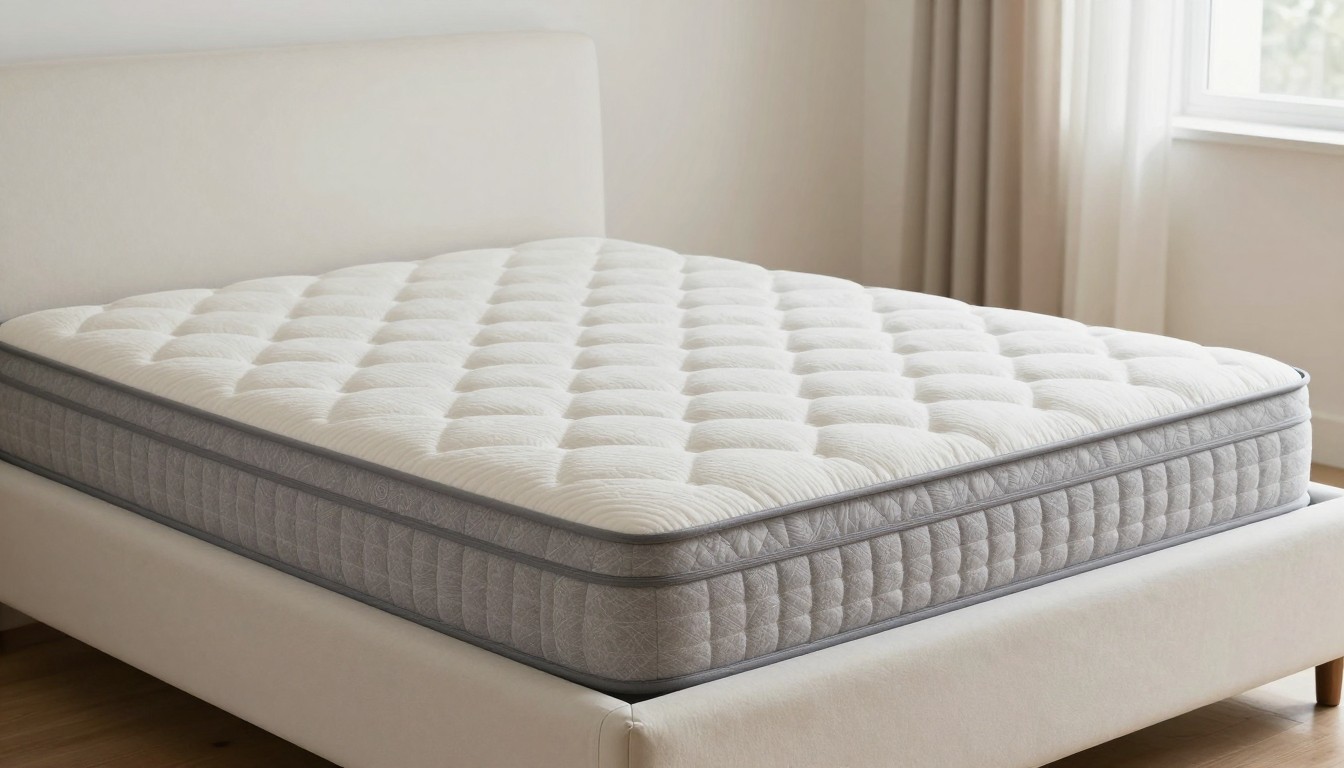
 by
by Quick answer: Rent-to-own mattresses can solve an immediate need, but I’d sign only after confirming the full ownership cost, return terms, mattress condition, and consequences of a missed payment.
- NoCreditSleep says the pitch can combine a new mattress, immediate take-home access, no credit check, and small weekly payments.
- The VRTO guide says shoppers should examine mattress types, sizes, costs, and hygiene standards before signing.
- NoCreditSleep explicitly asks whether rent-to-own is worth its full cost and under what circumstances it makes sense.
Updated July 2026 · Reviewed for accuracy
The payment is the hook. The contract is the purchase.
I don’t think rent to own mattresses are automatically good or bad. The value depends on what you’ll pay to gain ownership, what happens if your circumstances change, and whether the mattress itself is worth keeping.
A manageable recurring payment means little until you’ve read the entire agreement. Here’s how I’d judge one without getting distracted by the sales pitch.
What rent-to-own actually promises
A small weekly payment gets attention because it reduces the immediate cash needed. NoCreditSleep describes the proposition as taking home a new mattress right away, potentially without a credit check, in exchange for small weekly payments.
That explains the appeal, but it doesn’t tell you what your contract promises. The phrase “rent to own” alone doesn’t reveal the scheduled ownership cost, when ownership transfers, whether you can leave the agreement early, or what a return might require.
The agreement should answer these questions in plain language:
- Is this a rental with a path to ownership, or another type of payment arrangement?
- What must you pay before the mattress becomes yours?
- Does ownership transfer automatically after the final required payment?
- Can you purchase the mattress early, and how is that amount calculated?
- Can you return it before ownership, and who handles pickup?
- What happens after a late or missed payment?
For me, an agreement is a useful path to ownership only if those answers appear in writing. A salesperson’s explanation may help you understand the paperwork, but it shouldn’t replace the wording you’ll sign.
Don’t assume rent-to-own and conventional financing are interchangeable. Ask the seller what kind of agreement is being offered, then judge the obligations rather than the label. If the document doesn’t clearly say how possession becomes ownership, I’d stop there.
Read these contract terms before signing
The ownership-transfer clause is the first line I’d find. If that clause is vague or missing, a low recurring payment can’t rescue the deal because you still don’t know what the payments ultimately secure.
Ask for the complete agreement before authorizing payment or delivery. Read every attached schedule and addendum as well as the main document, since a summary page may not contain every condition.
| Contract item | What to locate | Why I care |
|---|---|---|
| Payment schedule | Amount, frequency, due dates, and payment method | This shows whether the schedule fits your actual cash flow. |
| Total to own | The full scheduled amount required for ownership | This is the meaningful figure for comparing value. |
| Early purchase | Whether it is allowed and how the payoff is calculated | An undefined option isn’t something I’d count on later. |
| Late or missed payment | Charges, notice requirements, collection terms, and reinstatement conditions | You need to know how one disrupted payment could affect the agreement. |
| Return and pickup | Notice process, condition requirements, and pickup responsibility | The right to return has limited value if the practical terms are unclear. |
| Condition and damage | How the mattress is described and what counts as chargeable damage | This reduces arguments about the condition at delivery or return. |
Circle every undefined word. “Regular payment,” “early purchase,” and “acceptable condition” sound straightforward, but the contract should explain what they mean for your agreement. If a blank space affects cost, ownership, or return rights, don’t sign while it remains blank.
I’d also keep the signed agreement, payment records, delivery paperwork, and any written communication about condition. Good records don’t improve the mattress, but they make the arrangement easier to track from possession through ownership or return.
Compare total cost, not payment size
A small weekly payment is exactly the feature NoCreditSleep identifies in the rent-to-own pitch. Small is not the same as inexpensive, however. It describes one installment, not the full path to ownership.
VRTO frames the category around steep upfront mattress prices and advises shoppers to consider costs before signing. My response is simple: compare the scheduled ownership total with the current direct-purchase price for the same mattress, in the same size and configuration.
The useful calculation: recurring payment multiplied by the full payment schedule, plus every mandatory charge, equals the scheduled ownership cost. Compare that result with the current price for buying the identical mattress directly.
If the scheduled ownership cost is higher, the difference represents what you’re paying for the agreement’s access and flexibility. That difference might be an acceptable tradeoff for a particular household, but it should be a conscious decision rather than a surprise discovered late in the schedule.
Include any required delivery, setup, service, processing, return, or late-payment amounts shown in the contract. I wouldn’t add a possible charge unless the document makes it relevant, but I also wouldn’t leave a mandatory one out because it appears outside the main payment table.
If the original sticker price pushed you toward rent-to-own, my guide to why mattresses can be expensive can help you separate construction value from retail positioning. That context still doesn’t replace the direct comparison between the agreement and the current cash price.
Comparing options? The Saatva Classic is the pick we keep coming back to — see the final verdict ↓
Inspect construction, condition, and hygiene
Mattress type, size, cost, and hygiene standards are all points the VRTO guide tells shoppers to examine. I’d treat those as separate checks. A suitable payment arrangement can still attach you to the wrong mattress.
Start with the exact unit being delivered. Ask the seller to state in writing whether it is new and sealed, whether it has ever been delivered or returned, and what condition will appear on your receipt. Don’t infer condition from showroom appearance or a verbal description.
My mattress inspection checklist:
- Confirm that the model, size, and construction match the agreement.
- Inspect the cover, seams, corners, and underside before accepting delivery.
- Check the attached labels and record the manufacturer and model information.
- Ask for the written policy covering returns, sanitation, and previously delivered units.
- Photograph the mattress and packaging at delivery if the agreement assigns responsibility for damage.
- Make sure any promised foundation or support requirement appears in writing.
The rent-to-own label says nothing about build quality. I’d still ask for the comfort-layer materials, support-core design, cover construction, and any available foam or coil specifications. If the seller can’t identify what’s inside, you have less evidence for judging whether the mattress merits a long ownership schedule.
Pay attention to care requirements too. The contract should make clear whether a particular base, protector, rotation practice, or other condition affects your obligations. Never assume a general sales promise overrides a written condition.
Manufacturing labels can also help confirm that the delivered mattress matches what you were offered. This explanation of how mattress origin can be checked shows the kinds of label and sourcing questions worth asking before accepting a unit.
Who rent-to-own may suit, and who should pause
Immediate access is the clearest practical reason to consider a mattress for rent to own. NoCreditSleep describes that appeal directly: a new mattress can be taken home without the upfront purchase structure some shoppers expect, potentially without a credit check.
That convenience doesn’t settle whether the agreement fits you. I’d consider it only when the schedule works with your budget, the full cost is disclosed, the exact mattress is acceptable, and the exit terms remain manageable if plans change.
| A reason to consider it | A reason I’d pause |
|---|---|
| You need immediate access and understand the complete payment schedule. | The seller discusses installments but won’t provide the total required for ownership. |
| Ownership transfer is stated clearly in the agreement. | The document is vague about when or whether the mattress becomes yours. |
| The mattress condition and hygiene policy are documented. | Condition is described only through verbal assurances. |
| Return and early-purchase terms fit the way you may use the agreement. | Pickup duties, return conditions, or payoff calculations remain undefined. |
| You have compared the full agreement with direct purchase. | The recurring amount is the only figure being used to justify the decision. |
If no credit check is the main attraction, read beyond that phrase. Ask whether the seller uses another eligibility process and whether the agreement addresses automatic withdrawals, payment reporting, collection activity, or communication after a missed payment. The document, not the headline, should provide the answer.
I’d pause if completing the schedule depends on an unrealistically tight budget. I’d also pause if you need a temporary sleep surface but the return process is costly, vague, or difficult. Immediate possession is useful only when the later obligations remain workable.
My verdict: make the contract earn your signature
A written total-to-own amount, a clear ownership clause, documented mattress condition, and understandable return terms are the essentials. If any of them is missing, the agreement hasn’t earned your signature.
Rent-to-own can address an immediate access problem. It can’t make an unclear contract clear, turn an unsuitable mattress into a suitable one, or prove that a recurring payment represents good value.
Before signing, I would:
- Obtain the complete agreement and every attached schedule.
- Mark the payment frequency, total ownership cost, and transfer-of-ownership language.
- Compare the agreement with the current direct-purchase price for the identical mattress.
- Confirm condition, hygiene information, delivery responsibilities, and return terms in writing.
- Inspect the exact mattress and keep copies of the delivery and payment records.
Walk away from pressure to sign before you can read. A legitimate decision doesn’t become better because it is made quickly.
My bottom line is firm: judge rent to own mattresses as contracts first and sleep products second. Both parts have to work. A weak agreement can spoil a decent mattress, while weak construction can make a clearly written agreement poor value.
ONE OPTION WORTH COMPARING
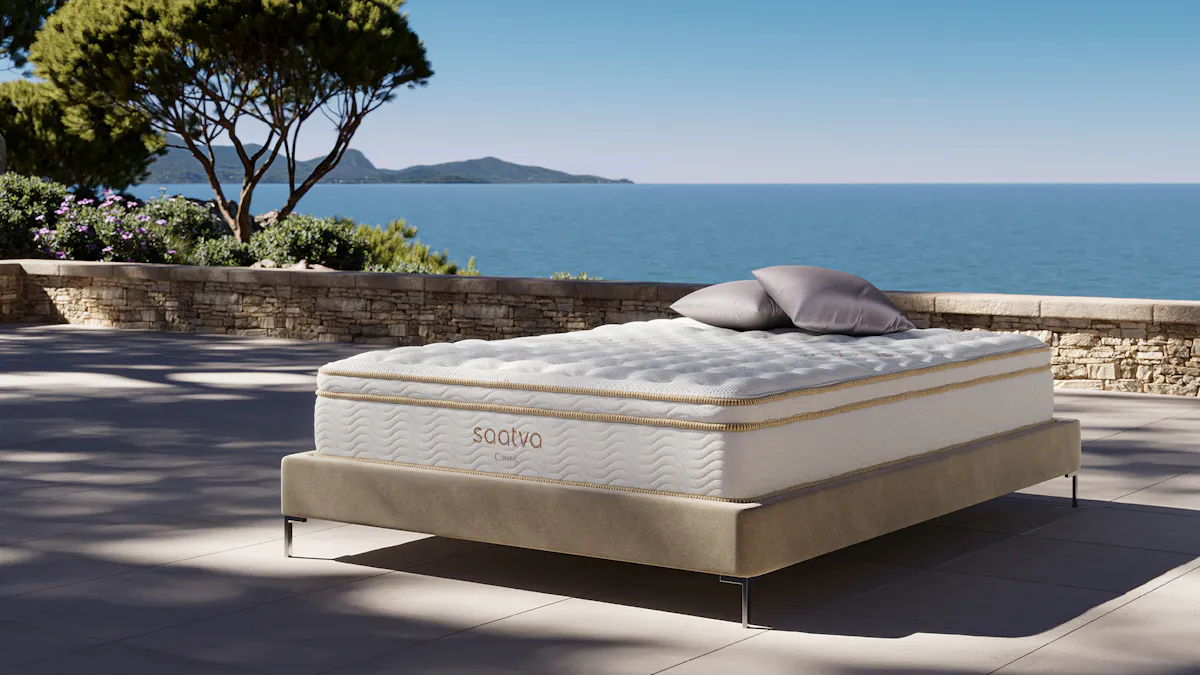
Shopping as well as reading? Here is one current option worth comparing: the Saatva Classic. Check today’s price, sizing and return terms on the official product page before you order.
Saatva Classic
- 365-night home trial and lifetime warranty, per saatva.com
- Handcrafted in the USA, free white-glove delivery
- Flexible financing available
FAQ
How does mattress rent to own work?
You take possession of a mattress under a recurring-payment agreement, with ownership governed by the written terms. Check how many scheduled payments are required, the total amount needed for ownership, when title transfers, and what happens if you return the mattress or miss a payment.
Is a mattress for rent to own the same as financing?
Not necessarily. The name used in an advertisement doesn’t establish the agreement’s legal or financial structure, so read the contract and ask the seller to explain whether you are renting, financing, or following another path to ownership.
Can rent-to-own mattresses come without a credit check?
NoCreditSleep describes no-credit-check access as part of the appeal of some rent-to-own offers. Don’t treat that phrase as a complete explanation of eligibility or payment consequences; ask what other checks, reporting terms, or collection provisions appear in the agreement.
The Nut’s rule: If the seller won’t provide the total ownership cost and return conditions in writing, the size of the recurring payment doesn’t matter.
Are rent-to-own mattresses sanitary?
The agreement type alone can’t answer that question. Because the VRTO guide specifically identifies hygiene standards as something shoppers should examine, ask whether the exact unit is new and sealed, how returned mattresses are handled, and where the written hygiene policy can be found.
How do I decide whether rent-to-own is worth it?
Compare the complete scheduled ownership cost with the current direct-purchase price for the identical mattress, then evaluate the difference against the access and flexibility the agreement provides. I’d proceed only if the mattress condition, ownership language, payment consequences, and exit terms are all clear and acceptable.