
 by
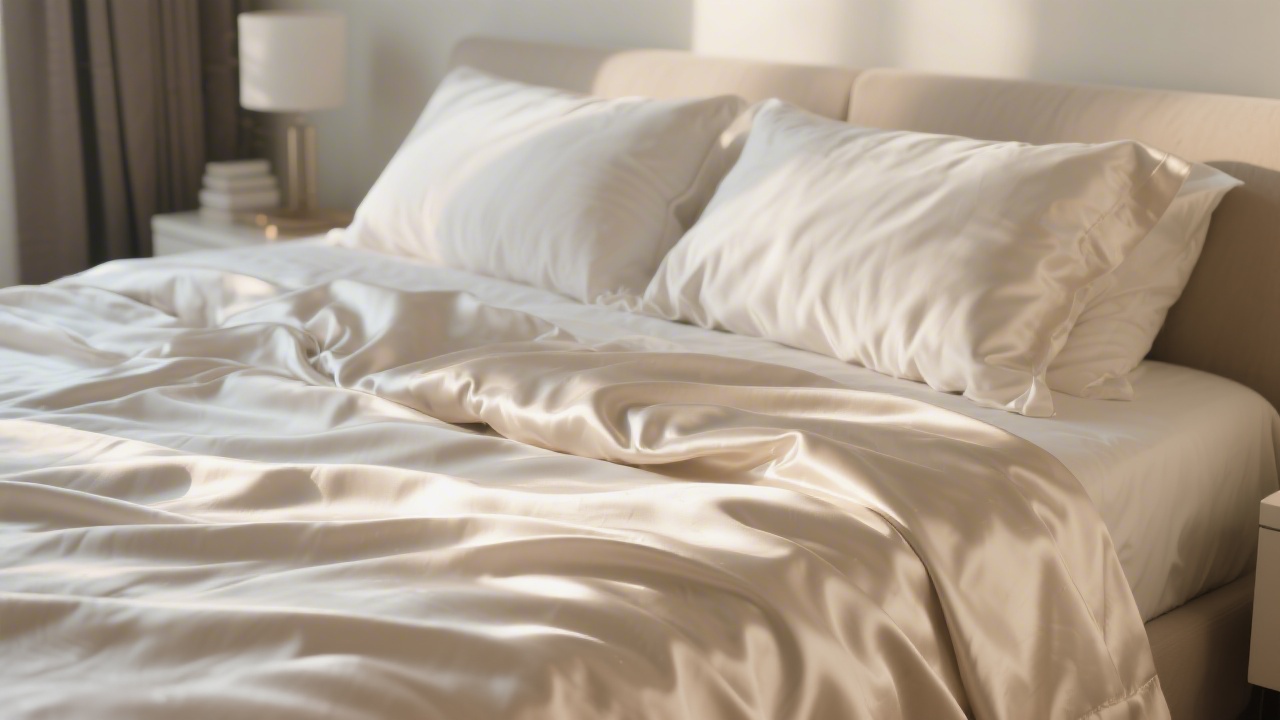
by Silk sheets are made from natural silk filaments woven into a fabric that is smooth against skin, naturally temperature-regulating, and resistant to dust mites. Real silk sheets cost $200 to $600 for a queen set — several times more than cotton or bamboo alternatives that deliver similar sleep quality for most people.
Quick answer: Real mulberry silk at 22 momme or higher is worth the investment if you have sensitive skin, hair breakage concerns, or chronic temperature regulation issues. For everyone else, Saatva Percale or high-quality Tencel delivers 80% of the benefit at 25% of the cost.
Saatva Percale Sheet Set
Long-staple organic cotton, crisp cool feel, machine washable. The premium alternative to silk without the price or care complexity.
Real Silk vs Alternatives: What We Tested
Mulberry silk sheets (22 momme)
We tested a 22 momme mulberry silk set for 60 nights. The feel is genuinely distinct — smoother than any cotton, with a cool-to-touch quality that is not replicated by synthetic satin. Temperature regulation is excellent: neither actively cooling nor warming. The sheets require hand washing or very gentle machine cycles, and minor snags appear within the first 10 washes if a zipper or rough fingernail catches the fabric.
Saatva Percale (long-staple cotton)
Percale cotton at 300 thread count feels crisper and cooler than silk in warm weather. It is significantly more durable, machine washable without special care, and maintains its quality after dozens of washes. For sleeping purposes, the sensory difference from silk is noticeable when you first touch the fabric but largely disappears within minutes of lying down.
Bamboo lyocell (Tencel)
Bamboo-derived Tencel is the closest functional alternative to silk. It is moisture-wicking, temperature-regulating, and soft. At $80 to $150 for a queen set, it undercuts silk significantly while matching or exceeding silk's cooling properties in testing.
Polyester satin (silk impersonator)
Polyester satin has the visual sheen of silk but none of the function. It traps heat, pills quickly, and feels slick rather than smooth. Avoid any product labeled "satin" that does not specify the fiber content as silk, cotton, or Tencel.
Silk Sheets Comparison
| Type | Feel | Cooling | Care | Queen Set Price |
|---|---|---|---|---|
| Mulberry Silk 22mm | Exceptionally smooth | Moderate | Delicate only | $280–$600 |
| Saatva Percale Cotton | Crisp, cool | Very good | Machine wash | $165–$215 |
| Bamboo Tencel | Soft, draping | Excellent | Machine wash | $80–$150 |
| Sateen Cotton | Silky, warm | Poor | Machine wash | $60–$140 |
| Polyester Satin | Slick | Very poor | Machine wash | $20–$50 |
Top Picks
Best real silk: Ettitude Signature Sateen (silk alternative) / Slip Silk Pillowcase Kit
For committed silk buyers, look for 100% mulberry silk with at least 19 momme, an OEKO-TEX certification, and a brand that offers care instructions and return policy. Slip is the most reviewed brand for silk pillowcases; for full sheet sets the market is fragmented with quality varying significantly.
Best premium alternative: Saatva Percale Sheet Set
Long-staple organic cotton, 400 thread count equivalent, GOTS certified, and machine washable. Delivers the clean, crisp feel preferred by most sleepers at $165 to $215 for a queen set. Our top recommendation for 90% of buyers considering silk.
Best value alternative: Bamboo Tencel
If skin sensitivity or hot sleeping drives your interest in silk, bamboo Tencel is the direct competitor at one-third the cost. Moisture-wicking, cool, and machine washable without special care.
Saatva Percale Sheet Set
The premium cotton alternative to silk. Machine washable, GOTS certified, cool-to-touch. Free shipping.
Frequently Asked Questions
What is the difference between mulberry silk and regular silk?
Mulberry silk is produced by silkworms fed exclusively on mulberry leaves, resulting in long, uniform filaments that create a smoother, more durable fabric. Regular silk can include wild silk from other species, with shorter, less consistent filaments. For bed sheets, look for 100% mulberry silk.
What momme weight is best for silk sheets?
Momme (mm) measures silk weight per unit area. For sheets, 19 to 25 momme is ideal — durable enough for regular washing but not excessively heavy. Sheets under 16 momme are prone to snags and tears. Luxury brands typically use 22 to 25 momme.
Are silk sheets actually cooler to sleep on?
Silk is naturally temperature-regulating rather than purely cool. It reduces the thermal peaks that wake you up — cooler than polyester satin in summer, warmer than percale cotton in winter. For pure cooling, bamboo lyocell outperforms silk.
How do you wash silk sheets?
Hand wash or machine wash on a delicate cycle with cold water and a pH-neutral silk detergent. Never use bleach or fabric softener. Air dry away from direct sunlight. High heat destroys silk protein structure permanently.
Are silk sheets worth the price?
For people with skin conditions like eczema, hair prone to breakage, or temperature regulation issues, silk's natural protein composition provides genuine benefits. For healthy sleepers without these concerns, high-quality cotton percale or bamboo sheets at one-quarter the price deliver similar sleep quality.