
 by
by
Editor's pick, bed frame
Organic latex pick
PlushBeds Botanical Bliss, 100% organic Talalay latex, GOLS + GOTS certified, GREENGUARD Gold, 100-night trial, 25-year warranty.
Saatva Santorini Bed Frame
From $1,295 · Solid kiln-dried pine & oak · Upholstered headboard · White-glove delivery · Lifetime warranty
TL;DR
Bed frame buying = material (solid wood best), weight capacity, box spring requirement, assembly complexity, and aesthetic. Saatva Santorini ($1,295) is our premium pick for solid kiln-dried wood + lifetime warranty.
Jump to section
- What Are the Best-Selling Slatted Bed Bases?
- 8 Most Comfortable Slatted Bases for Your Mattress
- Is A Slatted Bed Base Better?
- What Is the Purpose Of A Slatted Bed Base?
- Are Slatted Bed Bases Strong?
- Can I Put Any Mattress on A Slatted Base?
- What Can I Use Instead of Slats?
- Which Is Better Solid Slat or Sprung Slat?
- Are Curved Slats Better Than Flat Ones?
- Why Choose a Slatted Bed Base Over Traditional Box Springs?
Our #1 Recommended Mattress
Matching bed frame and base: Puffy lineup
A new mattress rarely performs at its best on an aging box spring or sagging slats. Puffy runs a full foundation catalog sized to match their mattresses: bed frames in upholstered and platform styles, a Smart Bed kit that bundles mattress plus adjustable base, and accessories like bedding and frames with integrated storage.
The adjustable base pairs are worth considering if you read in bed, snore, or have reflux, head elevation of 30°+ is clinically associated with reduced snoring and GERD symptoms. Puffy's smart-bed set is built around their own mattresses so firmness and profile fit out of the box.
Ownership terms: CertiPUR-US foams where applicable, made in USA for core mattresses, lifetime mattress warranty, standard base warranty.
Saatva Classic. From $1,095
365-night trial · Lifetime warranty · Free white-glove delivery
We earn a commission if you make a purchase through our links, at no extra cost to you. Full disclosure.
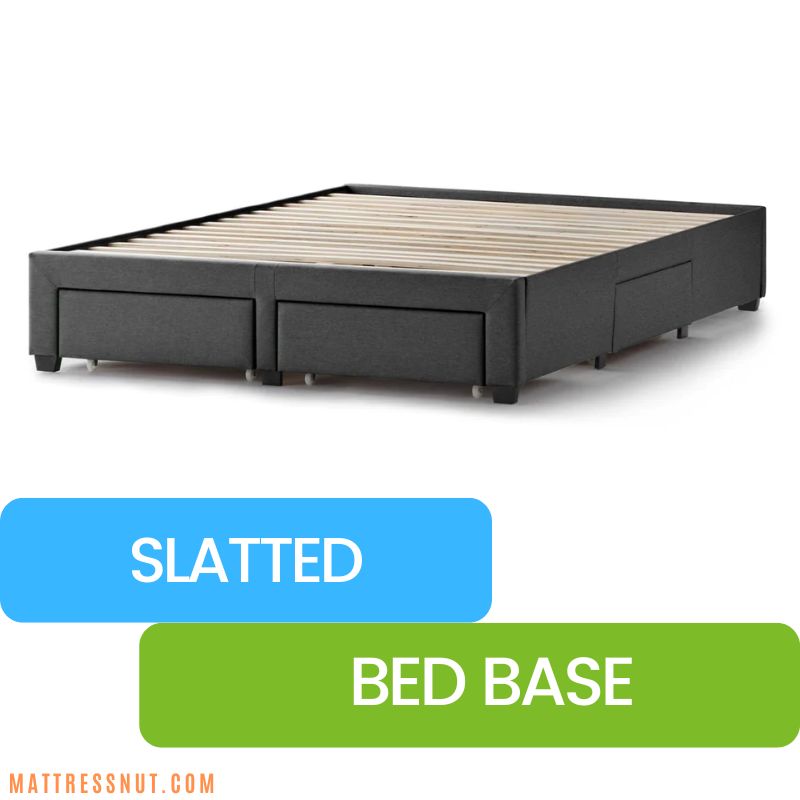
Have you opted for a wonderful mattress but are facing issues with the natural sleep? It is high time you invest in a solid foundation that supports your mattress well and makes you sleep comfortably throughout the night. It is necessary to place it well over the bed slats or a box spring set.
The bed slats are the impeccable alternative to the traditional box springs because they are accessible in terms of assembling, cheap, easy to deliver and keep the bed close to the ground. You can easily place mattresses over your bed slats. These slats offer a supportive platform allowing the mattress to sit on comfortably and make you fall asleep (also check 10 top rated mattresses with great comfort). They are gaining popularity because they are lightweight, small, and easy to set up.
To help you, we have reviewed the best slatted bed bases.
What Are the Best-Selling Slatted Bed Bases?

8 Most Comfortable Slatted Bases for Your Mattress
PlushBeds Watson Platform Bed Base
- Supportive
- Four Drawers
A slatted bed base with enough storage
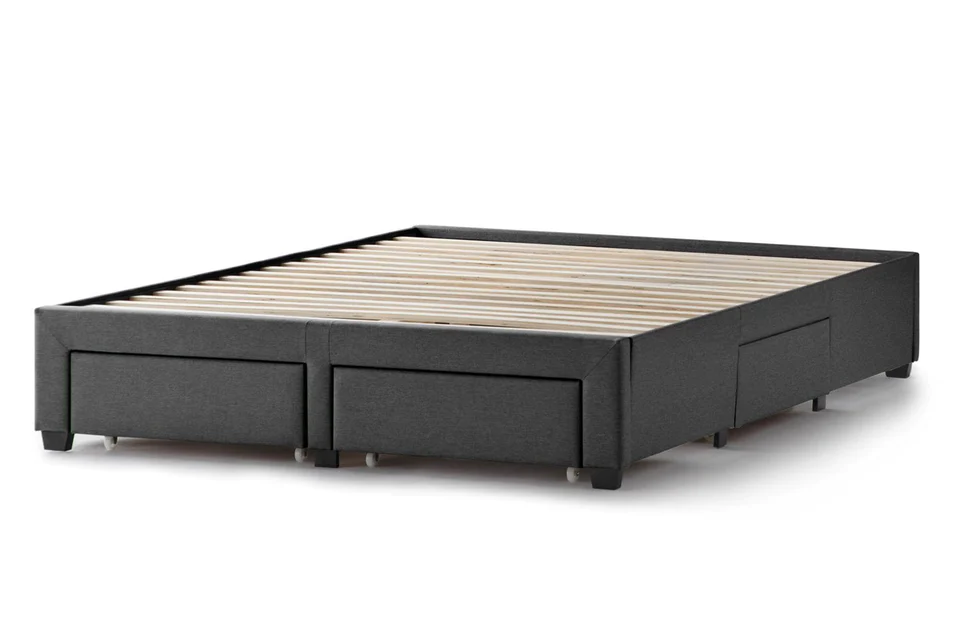
The Watson platform bed base by Plushbeds helps update your bedroom’s decor. It offers storage space in your bedroom, featuring the modern design of the bed base. What you’ll love about this base is that it comes with four drawers you can pull off. It is an excellent support base but no longer comes with a box spring. You can easily complete the entire look using the Carlisle or the Hennessy headboard.
The stunning features of this bed base include the addition of a storage space, which allows the mattress to protect without the need for a box spring. The premium linen-looking fabric with a modern look gives that luxurious texture to the entire bed.
It is functional and sleek, with under-bed large drawers gliding smoothly. Using the bedroom space, you can easily use it to store your accessories, linens, or blankets. This full bed base comes in five different versatile-looking fabrics. You can choose whichever you like the best, ranging from light or deep modern neutrals with trending accent colors.
This platform bed base maximizes the entire space with a sleek look featuring the corner legs slightly above the ground. Choose this Watson bed base using minimal decor.
Protect the mattress’s warranty with the bed base, which comes with a belt and center, offering maximum comfort and support. The wooden corner legs give an aesthetically appealing look to your entire bedroom. These bed bases meet the requirements of California because they do not include flame retardant chemicals.
Futon Shop Hemp Upholstered Platform Bed

- Sturdy and elegant
- Natural platform slated bed system
Contemporary, minimalistic bed base
Next on the list of best bed bases is the Natural Home’s hemp upholstered platform bed base. This platform bed base is available in a variety of sizes, including California King, Queen, Full Double, Twin, XL Queen, and Eastern King. The fabric is available in different colors, ranging from natural hemp, blue hemp, or grey hemp.
Apart from that, you can add headboard is available in different colors ranging from natural to grey in different sizes. It has a minimalistic contemporary concept has a clean finishing that goes well with the upholstered collection. This sturdy bed base is high quality, but the base is simple with an elegant solid look with a natural platform.
The solid wood ranges from the legs to the frame to the entire slating system. The natural leg made with solid wood offers extra support to the entire bed base. The low-profile design with square legs gives this bed base a timeless, elegant look that fits well with the entire bedroom decor.
Give a personal touch to the entire room, using highly durable and superior quality cotton or fabric that releases and removes all the moisture. It is dust resistant and antimicrobial. The plant fibers used in these bed bases help absorb water, and it is an energy saver because it helps fight global warming.
Naturepedic Deluxe Foundation
- Extra slats to increase support
- Easy assembly
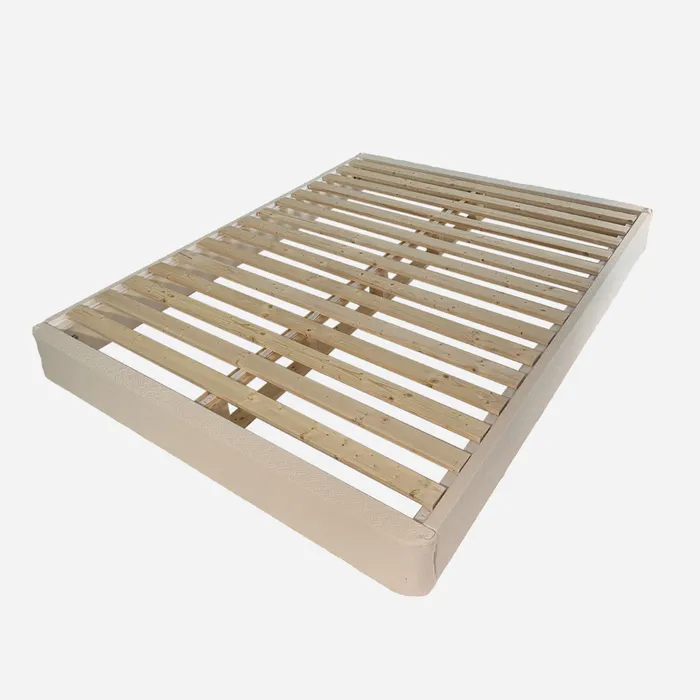
A slatted bed base without any chemicals
The Naturepedic Deluxe organic bed foundation is a stronger foundation that has worked for years. It goes well with your mattress. This is free from any polyfoam or flame retardants. It is easy to transport and can be assembled easily within minutes. This bed base comes with a 100-night sleep trial and a 25-year warranty with free returns.
It fits well with different mattress sizes ranging from twin, twin XL, full, queen, split king (also check the top rated split king mattresses), and split cal king. In addition, it is available in two different styles, from the 7-inch standard size to the two-inch ultra-low profile size.
You can easily pair this organic foundation with mattresses because it has premium quality materials, making it a long-lasting choice for support due to its sturdiness. The best thing about these bed bases is using North American wood, which is luxurious in terms of additional strength and support.
This high-quality foundation maintains the mattress integrity with a noticeable difference. The slats in this bed base prevent the bottom of the mattress from sagging or sinking.
The organic cotton in the bed base comes in the purest foam. It is a perfect alternative to all the synthetic fabrics, which use chemical compounds or antibacterial treatments.
Happsy Organic Foundation
- Sturdy Pine Wood
- Premium Organic Cotton
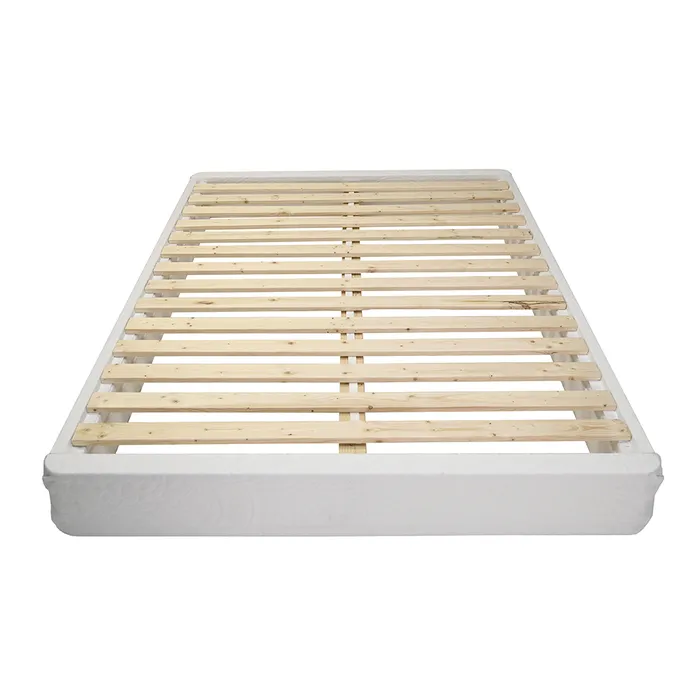
A compatible slatted bed base for all mattresses
Happsy creates a safe and healthy environment for your sleep. It allows you to indulge in a peaceful sleep.
The best thing about this foundation is that it works well for adults and kids’ beds. It is designed in such a way that it uses premium quality organic cotton fabric with a sturdy pinewood inclusion. This bed base’s design is convenient and shipped flat with easy delivery and ultimate system setup; you can add a Happsy organic sheet with your foundation to create the top decor in your bedroom.
Happsy is a brand that started to create healthy choices for users using organic materials. It makes affordable products for users. The best thing about this brand is that it encourages healthy living along with the products to offer a better sleep experience with the best materials.
No more breaking and leaching of wood with its foundation as it is crafted in such a way that it comes with the ultimate support. It is easy to set up, and the system comes with Velcro, which allows you to attach it to the foundation easily.
Ziors Platform Bed

- Sturdy Design
- Stability System
Saatva Santorini Bed Frame
Solid kiln-dried pine & oak · Upholstered headboard · White-glove delivery · Lifetime warranty. Saatva is one of the few direct-to-consumer brands to offer extended trial windows (45–365 nights depending on product) and long warranties in this category.
- Price: From $1,295
- Free white-glove shipping on mattresses and frames; standard on bedding
- ID.me discounts for military, veterans, first responders, teachers, seniors
- Direct-to-consumer pricing (no middleman markup)
- GREENGUARD Gold certified across most product lines
Disclosure: we may earn a commission from this link at no extra cost to you.
A Widened support slat design, stronger than a normal frame.
This platform bed is the ideal choice for contemporary minimalists looking for a mattress support system that is solid and long-lasting. Ziors modern bed frames with Wide and Thick Edges are matchless in terms of strength, stability, and level support for your memory foam, hybrid mattress (check the best selling hybrid mattresses), and so on. The ultimate strength, steel&wood structure design, multiple points bed-legs, and wider wooden slats give outstanding comfort and extend the life of the mattress.
Ziors Bed base is free of squeaking and sliding. It has non-shake, and structural twisting thanks to its unique integrated construction, reinforced leg structure, and silent cushioning gasket.
This bed base’s rails, slats, and legs can support a significant amount of weight. To keep the frame clean, all you need is a soft cloth, some mild soap, and some water, and you can wipe it down whenever it becomes dirty.
This wooden frame has uniform spacing between slats to maximize air passage. You may use the Midnight Luxe mattress that helps you sleep highly cool. The cover is permeable, and the coils provide enough circulation to keep the foam from collecting too much heat.
This bed frame does not require a box spring, results in a height clearance of around 14 inches below, and offers a comfortable climb into the bed height. Boxes, storage boxes, drawers, and other items may be readily placed beneath the bed to create a distant storage capacity that is easy to access.
Ziyoo Mattress Foundation

- Slats Support
- Storage Space
A sleek heavy-duty bed frame.
Heavy Duty Platform Bed Frame with Wooden Slats by ZIYOO Manufacturer pledges and constantly works to make a good night’s sleep more comfortable so that everyone may obtain the rest they need and desire.
This Platform Bed Frame is a stylish and functional option for someone moving into their first apartment or who frequently changes residences. There is a clearance of 16 inches under the bed, and it is an excellent choice for those who reside in cramped quarters and want additional storage space.
The slats of this bed frame contain sturdy wood, while the structure is durable steel. It is 20% stronger than a standard frame and can handle 3000 lbs of static pressure. Meanwhile, a weight capacity of up to 3000 pounds assures that you may use any mattress with the frame, including latex hybrids, high-profile pillow-tops, and other somewhat heavy mattress types.
You can put your mattress directly on this SmartBase, so there will no longer be a requirement for a box spring when you use this Mattress Foundation from Ziyoo.
You may use the TEMPUR-Topper Supreme memory foam mattress topper that contours to your body and cushions the spine. This topper, in particular, has a medium feel that molds well without sinking significantly, making it an ideal alternative for back pain sufferers (also check 10 amazing mattresses for back pain).
Ziyoo Full bed frame with a one-of-a-kind integrated construction helps reduce noise and prevent the mattress from sliding around.
This bed base comes with all the tools you need to start, and the straightforward design allows easy assembly in a few simple steps. In addition, this essential, attractive platform bed frame is the lightest of any type, making it easy for a single person to install and transport.
Nectar Platform Bed
- Premium Support
- Incredible Comfort
Better sleep starts with better support.
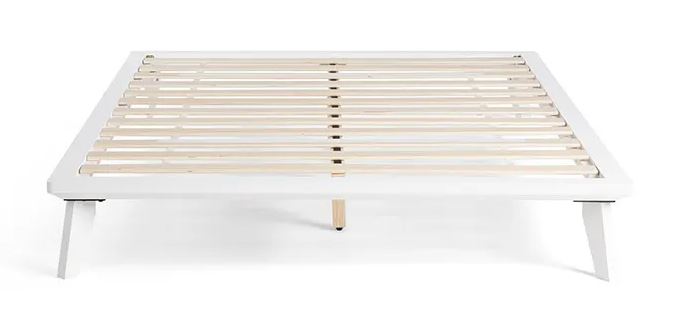
The nectar Platform Bed is uncomplicated yet elegant, making it a versatile option for any room in the house. This platform bed base, made of solid wood and natural spruce, provides exceptional stability under any mattress for a restful night’s sleep.
This platform bed features chic legs that measure 10 inches in height and are gently slanted to give the appearance of a mid-century design. With slats placed four inches apart, it helps to avoid drooping and sagging of the mattress.
People who want more storage space may find the bed’s leg height of 10 inches appealing since it gives for 8.5 inches of clearance under the mattress. Also, you can choose a full, a queen, or a king size for the bed, as well as one of three different color schemes: white, black, or golden oak.
The bed will be delivered in three separate boxes, making it easy to transport into your house. You won’t have trouble putting together your platform bed; it just takes a few minutes. For your convenience, all parts, instructions, and accessories are neatly packed inside a box. All you need is someone to provide a hand!
However, because it is low to the ground, this platform bed may not be suitable for people with limited mobility. So instead, you can use the nectar memory foam mattress on this platform bed. The four foam layers intend to provide support, pressure relief, and spinal alignment. On top of that foam, the quilted cooling cover’s upper surface enables you to sleep more easily.
Helix Natural Wood Frame
- Premium Natural Materials
- Durable
Support your mattress with style.
Are you looking for a modern bed frame with a simple design and eco-friendly materials? Then you’ve come to the correct place! Helix has released a new bed frame with all these things and more.
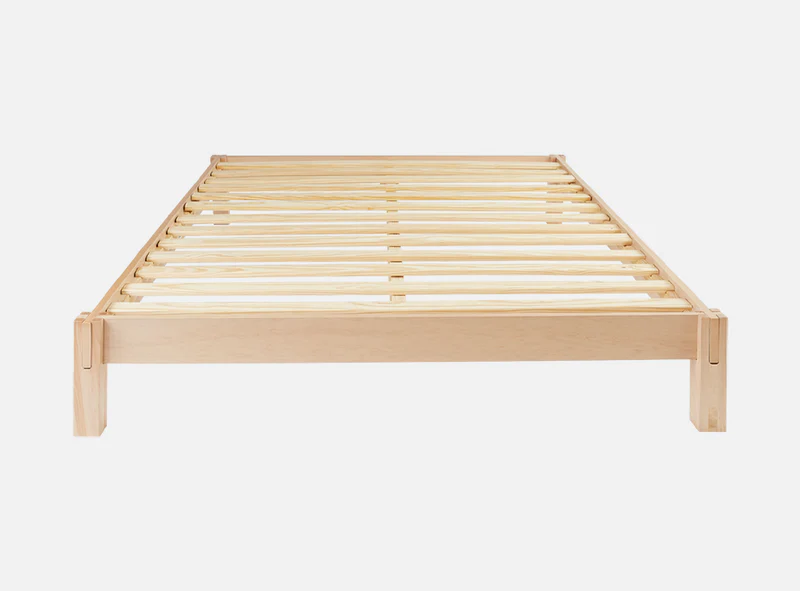
With this light wood frame, Helix focuses on long-lasting, straightforward construction and no-tool installation for the easy-to-use nester. Top-tier craftsmanship provides a design that will not overpower your colorful linen sheets, and you can sleep soundly knowing you’re resting on excellent sustainable wood.
There are four-bed rails, four legs, and twelve or more slats, which vary according to the size you buy. Local artisans in the United States handcraft each part of the bed. The components are carefully fitted together and thoroughly inspected to guarantee superb craftsmanship and the absence of flaws.
You may use Silk & Snow’s Flax Linen Sheets from 100% European flax imported from Belgium and France. The fabric of these sheets gets softer with each usage.
The Helix Natural Wood Bed Frame construction contains three distinct types of wood. The bed rails composition has plywood and hardwoods such as Maple, Pine, and other Regional hardwoods.
The slats are entirely constructed of Southern Yellow Pine. Although pine is not the most attractive wood, it is among the most sustainable timber types in the country. Southern Yellow Pine is also quite strong, making it ideal for bed slats.
This bed frame’s legs comprise 100% Appalachian Maple from North Carolina. Maple is a beautiful hardwood, and you can see that in the clean finish form of this bed.
Another advantage of the Japanese-style joinery used in this bed is that it does not generate as much noise as standard metal bed frames. The hardwood joints fit so well that no noisy metal bits are clunking together as you move or leap into the bed.
Is A Slatted Bed Base Better?
When purchasing a bed, it is critical to consider which one best suits your needs. If you are buying a solid base, it can make your mattress look softer and feel firmer. However, if you choose the bed base with slats, it will retain the originality of the mattress. These bases are much better, especially for thin and soft mattresses (also check the best selling soft mattresses). However, the solid basis works well for heavy people and individuals with firmer mattresses (check 10 great mattresses for overweight person).
What Is the Purpose Of A Slatted Bed Base?
A slat is a long plank using metal or solid wood. This slatted bed base beneath the bed frame or within a mattress foundation has a spacing of around 2-2.75 inches, which helps support the mattress. The base has an even weight distribution, preventing your mattress from sagging or sinking (also check the best selling toppers for sagging mattress).
Are Slatted Bed Bases Strong?
The slatted bed base is stronger because it is made using solid slats. They use sturdy wood like pine, which is solid. The slated bed bases are created with supportive material, ideal for people who like firm surfaces. If you seek an overall firm feel, choosing solid slats that go well with all the mattresses is better.
Can I Put Any Mattress on A Slatted Base?
Yes, all the mattresses pair well with the bed base. No matter what the mattress manufacturer indicates, the base goes well with all the mattresses.
What Can I Use Instead of Slats?
If you don’t have slats underneath your bed, you can opt for plywood, a perfect alternative to your mattress. A plywood sheet supplies support to the mattress, making you feel like you have firm over your sleeping surface. The slats are usually crafted using 1 in 4 lumbar, but they prepare with 1 in 3 boards.
Which Is Better Solid Slat or Sprung Slat?
As you already know, several types of bed frames are available on the market. You must wonder which one is better: the solid slats or the sprung slat bed base.
The solid slats are better for people who like a firm sleep. However, the sprung slats offer a cushioning effect and ultimate support to the entire body while sleeping on a mattress.
Are Curved Slats Better Than Flat Ones?
The curved slats are more promising than the solid slats, but we have recently seen that they result in more differences when you support the mattresses with the sprung slats. In general, it is better to replace sprung slats with solid slats, but in the end, it all depends on your sleeping preferences and mattress choice.
Why Choose a Slatted Bed Base Over Traditional Box Springs?
Slatted bed bases are becoming increasingly popular as an alternative to traditional box springs. They offer several advantages, including ease of assembly, affordability, and a lower profile that keeps the bed closer to the ground. Also, slatted bed bases provide a supportive platform for mattresses, ensuring a comfortable and restful night’s sleep.
How Do Slatted Bed Bases Enhance Mattress Durability?
One of the primary benefits of slatted bed bases is their ability to provide consistent support across the entire surface of the mattress. This even distribution of weight helps prevent sagging or sinking in specific areas, thereby extending the lifespan of the mattress. Also, the spaces between the slats allow for better airflow, which can help regulate temperature and prevent moisture buildup.
Upgrade: Full Saatva Base Collection
| Saatva Lineal | $1,595+ | Shop |
Are There Specific Mattresses Best Suited for Slatted Bed Bases?
While slatted bed bases are versatile and compatible with various mattress types, it’s essential to ensure that the mattress you choose is suitable for this kind of support. Memory foam, hybrid, and latex mattresses are commonly used with slatted bases. However, it’s crucial to check the manufacturer’s recommendations, as some mattresses may require a specific type or spacing of slats to maintain their integrity and warranty.
Our Recommendation
Hope this entire guide helps you get your hands on the best bed slats that fit well with your mattress. They make you feel comfortable, supportive, and extremely convenient. They are affordable with durable materials.
When buying bed slats, it is important to have accurate measurements regarding your bed frame, as these measurements allow you to order the perfect mattress foundation system. Look at the products listed above and enjoy the ideal shopping experience for your mattress to sleep peacefully throughout the night.
Try Saatva risk-free →
Related Guides
Related guides on MattressNut
- Slatted Bed Frame Guide: Slat Spacing, Types, and Mattress Compatibility
- Adjustable Base vs Adjustable Bed: What Is the Difference (2026)?
- Slatted Bed Frame Mattress Guide: Which Mattresses Work (and Which Don't)
- Best mattress for slatted bed frame, 6 great ones we ranked
- Adjustable Base vs Platform Bed: Which Foundation Is Better?
- Do you need a boxspring with IKEA slatted bed base?