
 by
by Sleep Quality Affects More Than You Think
If sleep quality is affecting your health, your mattress matters. The Saatva Mattress is our top pick for pressure relief, spinal alignment, and temperature regulation.
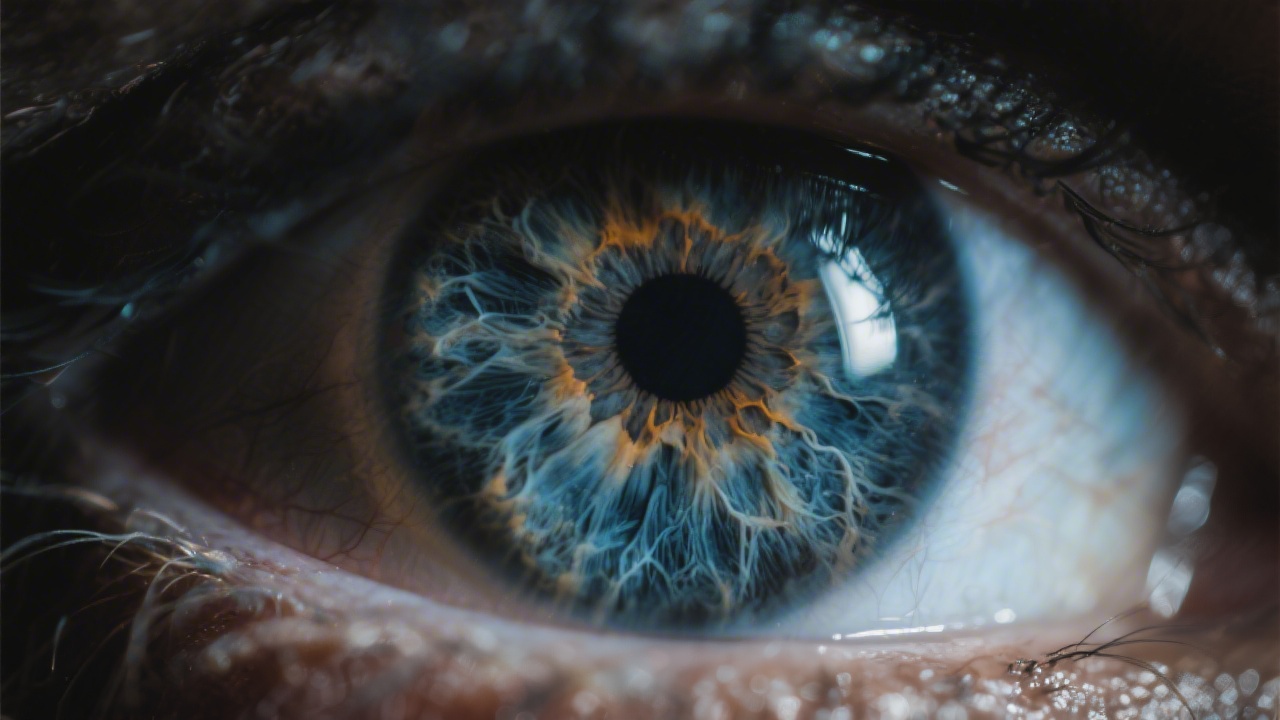
The eyes are among the body's most metabolically active tissues — and among the most vulnerable to the consequences of poor sleep. Most people know that tired eyes feel gritty and look red after poor sleep. What is less appreciated is the accumulating evidence linking chronic sleep disruption to serious, long-term eye disease: glaucoma, macular degeneration, and optic neuropathy.
What the Eyes Do During Sleep
Corneal Repair and Regeneration
The corneal epithelium undergoes continuous renewal, and this regeneration is significantly more active during sleep. During sleep, the eyelids provide a closed, humidified environment reducing evaporative stress. Corneal epithelial cell division peaks during NREM sleep stages. Growth factors (including EGF and HGF) that drive corneal repair are secreted at higher levels during sleep. Chronic sleep deprivation measurably impairs corneal epithelial integrity.
Tear Film Stabilization
Dry eye disease affects 5-15% of adults and increases substantially with age. During sleep, the lacrimal glands rest and restore tear production capacity, the closed eye eliminates evaporative loss, and mucin is replenished. Studies consistently find objective tear film stability (measured by tear breakup time) is reduced after sleep deprivation. Chronic poor sleep is a risk factor for dry eye disease progression.
Intraocular Pressure Normalization
Intraocular pressure (IOP) follows a circadian pattern, decreasing by 10-20% during sleep in most people. This nighttime reduction is thought to be protective for the optic nerve and trabecular meshwork — the drainage tissue whose failure causes glaucoma. Sleep disruption may prevent this normalization.
Sleep Disorders and Serious Eye Disease
Glaucoma
- A 2019 UK Biobank study (409,000+ participants) found that insomnia, frequent daytime napping, and both very short and very long sleep durations were associated with significantly higher glaucoma risk
- Normal-tension glaucoma is particularly associated with sleep apnea, suggesting hypoxia as a direct mechanism of optic nerve injury independent of IOP
- Floppy eyelid syndrome — strongly associated with OSA — is itself associated with glaucoma
For sleep apnea: the intermittent oxygen desaturations of OSA create repeated hypoxic-reperfusion injury at the optic nerve. See: Best Mattresses for Sleep Apnea.
Age-Related Macular Degeneration (AMD)
AMD is the leading cause of vision loss in adults over 60. Short sleep duration and poor sleep quality are associated with higher AMD incidence in prospective data. Proposed mechanisms include sleep deprivation-induced oxidative stress damaging the retinal pigment epithelium, elevated inflammatory cytokines (IL-6, TNF-alpha) promoting subretinal inflammation, and reduced melatonin — a potent antioxidant in retinal tissue — from poor sleep.
Anterior Ischemic Optic Neuropathy (AION)
AION — sudden vision loss from reduced blood flow to the optic nerve — has a documented association with sleep apnea, with OSA present in 70-89% of AION patients in some case series. The nocturnal hypotension combined with apnea-related hypoxia creates the conditions for optic nerve ischemia, which often presents as vision loss on waking.
Screen Time, Sleep, and the Eye Health Double Threat
Blue-spectrum light from screens before bed suppresses melatonin and delays sleep onset — creating both a sleep disruption and a direct retinal exposure issue. The retinal ganglion cells containing melanopsin (the blue-light photoreceptor) are the same cells damaged in glaucoma. See: Sleep Hygiene: Evidence-Based Habits.
Practical Steps for Eye-Protective Sleep
- 7-8 hours consistently — allows full corneal repair cycle and IOP normalization
- Treat sleep apnea — the most actionable intervention for preventing serious eye disease associated with poor sleep
- Limit screens 60-90 minutes before bed — reduces both blue-light melatonin suppression and circadian disruption
- Sleeping position: face-down sleeping increases IOP significantly — back or side sleeping is preferable for those with elevated IOP or glaucoma risk
- Complete darkness: allows full melatonin secretion — including its retinal antioxidant effects
For the broader picture: Sleep and Heart Health, Understanding Sleep Disorders.
Better Sleep for Lifelong Eye and Whole-Body Health
If sleep quality is affecting your health, your mattress matters. The Saatva Mattress is our top pick for pressure relief, spinal alignment, and temperature regulation.
Frequently Asked Questions
How does sleep deprivation affect the eyes?
Sleep deprivation reduces tear film stability, impairs corneal epithelial repair, disrupts intraocular pressure normalization, and reduces retinal oxygenation. Chronic effects include increased risk of glaucoma and macular degeneration.
Does poor sleep increase glaucoma risk?
Yes. A 2019 UK Biobank study found insomnia and abnormal sleep duration were associated with significantly higher glaucoma risk. Disrupted IOP regulation and optic nerve hypoxia from sleep apnea are the proposed mechanisms.
What is the connection between sleep apnea and eye disease?
Sleep apnea is associated with normal-tension glaucoma, floppy eyelid syndrome, papilledema, and AION — through intermittent nocturnal hypoxia that directly damages the vascular supply to retinal and optic nerve tissue.
Can insufficient sleep cause permanent vision damage?
Acute deprivation causes temporary effects. Chronic deprivation — particularly years of untreated sleep apnea — may contribute to irreversible optic nerve injury or accelerated macular degeneration.
How much sleep do eyes need to repair themselves?
Corneal epithelial regeneration peaks during NREM sleep. A minimum of 7 hours allows a complete repair cycle; less than 6 hours is associated with measurable reductions in tear film stability and corneal epithelial integrity.
Our Top Mattress Pick
The Saatva Classic consistently ranks #1 for comfort, support, and long-term durability.
Key Takeaways
Sleep and Eye Health is a topic that depends heavily on individual needs and preferences. The most important thing is to consider your specific situation — your body type, sleep position, and personal comfort preferences — before making any decisions. When in doubt, take advantage of trial periods to test before committing.