
 by
by Sleep Comfort for Chronic Kidney Disease
Sleep Lab Pick · Current Sale
Current Sale: Amerisleep's current sale runs sitewide. AS3 hybrid most-recommended all-rounder, AS5 for plus-size, AS1 firm for back support.
If sleep quality is affecting your health, your mattress matters. The Saatva Mattress is our top pick for pressure relief, spinal alignment, and temperature regulation.
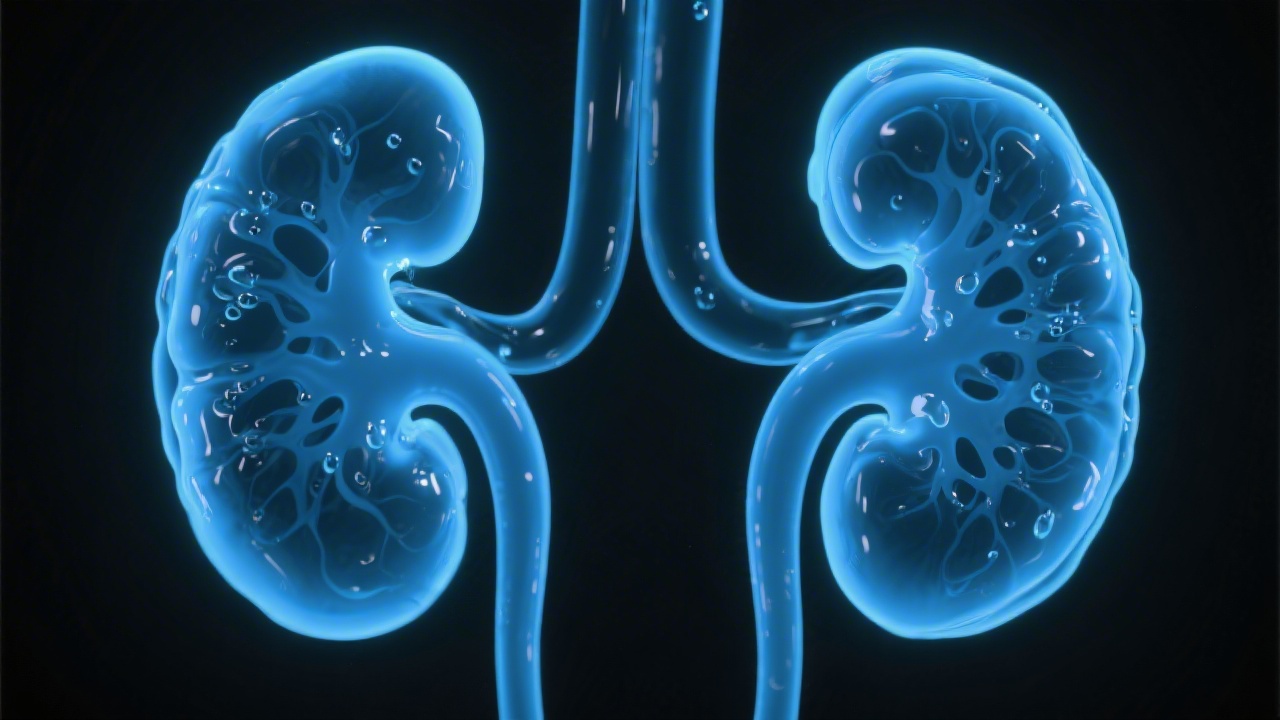
Chronic kidney disease affects more than filtration. The uremic environment that builds when kidneys fail - the accumulation of toxins, the disruption of hormones, the fluid imbalances - creates one of the most sleep-hostile physiological states in medicine. Up to 80% of CKD and dialysis patients report clinically significant sleep disturbance.
This matters beyond comfort. Sleep is when the body repairs tissue, regulates inflammation, and recovers from metabolic stress. For someone managing CKD, poor sleep is not a symptom to manage around - it is a driver of disease progression.
The CKD Sleep Burden: Why It Is So Severe
CKD disrupts sleep through multiple simultaneous mechanisms. Unlike most sleep disorders, CKD patients rarely have just one issue - they typically have several operating together.
Restless Legs Syndrome (40-70% of Dialysis Patients)
Restless legs syndrome (RLS) - an irresistible urge to move the legs that worsens at rest and at night - is the most prevalent sleep disorder in CKD. The mechanism involves uremic toxin accumulation, iron deficiency (common in CKD from EPO resistance and inflammation), and disruption of dopaminergic pathways. In dialysis patients, RLS prevalence reaches 40-70%. Even in earlier-stage CKD (stages 3-4), prevalence is 20-25%.
Sleep Apnea (50-60%)
Obstructive sleep apnea prevalence in CKD is 4-5x higher than in the general population. Lying down causes fluid that accumulated in the legs during the day to shift to the neck and upper airway, increasing obstruction. Sleep apnea in CKD creates a vicious cycle: OSA increases blood pressure and promotes systemic inflammation, both of which accelerate kidney damage. See: Best Mattresses for Sleep Apnea.
Uremic Pruritus (Nocturnal Itching)
Uremic pruritus - skin itching caused by toxin accumulation - affects 50-70% of dialysis patients and frequently causes nocturnal awakenings. It peaks in the evening and at night, creating chronic sleep fragmentation.
Pain and Neuropathy
Uremic peripheral neuropathy - tingling, burning, and pain in the extremities - affects up to 60% of dialysis patients. Combined with musculoskeletal pain from renal osteodystrophy, CKD patients face significant pain-related sleep disruption.
Nocturia
As kidney function declines, the ability to concentrate urine at night diminishes. Nocturia - waking to urinate 2+ times per night - is nearly universal in advanced CKD and a primary cause of sleep fragmentation.
The Bidirectional Relationship: Does Poor Sleep Harm Kidneys?
Increasingly, evidence suggests that poor sleep is not just a consequence of CKD - it may drive its progression. Sleep deprivation activates the sympathetic nervous system and renin-angiotensin system, raising nocturnal blood pressure. Short sleep increases inflammatory cytokines that promote glomerular injury. See: Sleep and Inflammation and Sleep and Diabetes.
A 2019 prospective study in JASN found that CKD patients with sleep disturbances had 1.4-1.8x higher risk of reaching end-stage renal disease over 4 years compared to those without sleep disorders.
Sleep Management in CKD: Practical Approaches
- Optimize dialysis adequacy - adequate clearance of uremic toxins reduces RLS severity and pruritus
- Iron supplementation - correcting iron deficiency reduces RLS severity
- CPAP for sleep apnea - both for symptom relief and potential kidney-protective effects
- Head elevation (30°) - reduces fluid redistribution to the airway
- Pressure-relief bedding - neuropathic pain is position-sensitive; pressure-relieving foam or hybrid mattresses reduce pain-related arousals
- Temperature regulation - dialysis patients have impaired thermoregulation; breathable mattress materials reduce thermal discomfort
Designed for Pressure Relief and Temperature Management
If sleep quality is affecting your health, your mattress matters. The Saatva Mattress is our top pick for pressure relief, spinal alignment, and temperature regulation.
Frequently Asked Questions
Frequently asked questions
Our top kids pick
Saatva Youth — from $849
Dual-sided mattress: firm side for younger kids, plusher side to flip as they grow. Eco-INSTITUT-certified foam, hypoallergenic cover, 365-night trial, lifetime warranty.
What's the right firmness for a child's mattress?
Firm for toddlers, medium-firm for ages 5+. Kids are lighter than adults. A mattress that feels medium-firm to an adult feels soft to a 50 lb kid. Go firmer than you would for yourself. Infants/toddlers: always firm (AAP recommendation) to reduce SIDS risk.
How long does a kids' mattress last?
6–8 years for quality kids' mattresses. Most kids need a mattress upgrade around age 10–12 as they outgrow the twin size and their weight moves into adult range.
Do kids need an organic or non-toxic mattress?
Indirectly yes. Kids breathe faster and weigh less, which makes VOC exposure relatively larger per body weight. CertiPUR-US certification is the minimum baseline; GOTS/GOLS organic is better. The Saatva Youth uses hypoallergenic fabric and eco-INSTITUT-certified foam.
What mattress size for kids?
Toddlers: crib mattress until age 3, then toddler bed. Ages 4–9: twin (38"×75"). Ages 10+: twin XL (38"×80") or full (54"×75") if they want room. Queen is overkill until teenage years.
Why do people with kidney disease sleep so poorly?
CKD disrupts sleep through multiple pathways simultaneously: restless legs syndrome, sleep apnea, uremic pruritus, neuropathic pain, and nocturia. Many CKD patients have 2-3 sleep disorders at once.
Does poor sleep make kidney disease worse?
Evidence increasingly suggests yes. Sleep deprivation activates the renin-angiotensin system, increases blood pressure, and promotes inflammation - all of which accelerate CKD progression.
What is restless legs syndrome and how is it connected to CKD?
RLS causes irresistible urges to move the legs, worse at rest and at night. In CKD it is caused by iron deficiency, uremic toxins, and dopaminergic pathway disruption. It affects 40-70% of dialysis patients.
Should kidney disease patients use sleep aids or melatonin?
Most prescription sleep aids require dose adjustment in CKD. Low-dose melatonin (0.5-3mg) has shown some benefit and is generally considered safer, but should be discussed with a nephrologist.
What mattress features matter most for kidney disease patients?
Pressure-relieving materials for neuropathic pain, edge support for repositioning, and breathable materials to reduce heat retention that can worsen pruritus.
Key Takeaways
Sleep and Kidney Disease is a topic that depends heavily on individual needs and preferences. The most important thing is to consider your specific situation - your body type, sleep position, and personal comfort preferences - before making any decisions. When in doubt, take advantage of trial periods to test before committing.
★ LUXURY INNERSPRING PICK
Your Mattress Might Be the Problem. Try a Saatva for 365 Nights
✓ 365-Night Trial · ✓ Free White Glove Delivery · ✓ Lifetime Warranty