
 by
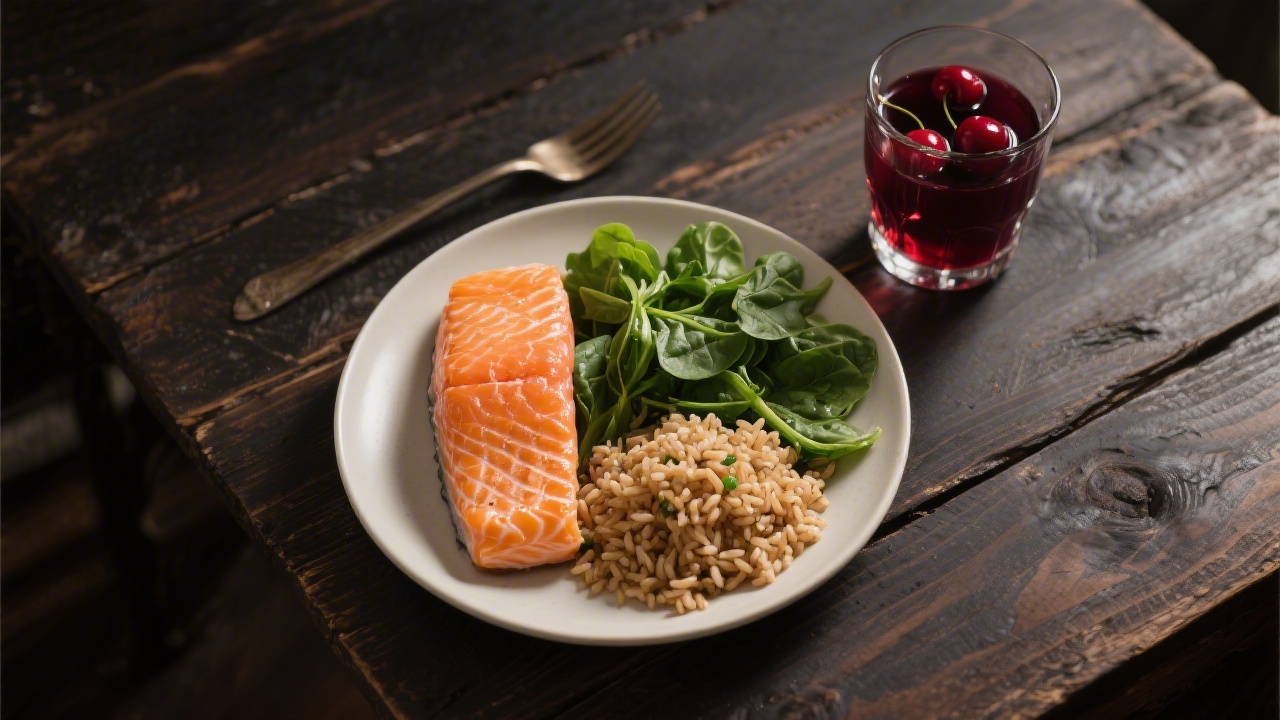
by Sleep and nutrition have a bidirectional relationship that most people underestimate. Poor sleep drives junk food cravings through ghrelin and leptin disruption. Poor nutrition fragments sleep through blood sugar instability, nutrient deficiencies, and gut microbiome disruption. Understanding both directions of this relationship opens up practical interventions on the nutrition side that meaningfully improve sleep quality without supplementation.
Upgrade your sleep with the right mattress
The supplements above work best on a supportive mattress. The Saatva Classic consistently tops our comfort and longevity tests.
A Better Mattress Makes Every Nutrition Improvement Count More →
The Tryptophan-Serotonin-Melatonin Pathway
Sleep quality depends significantly on melatonin synthesis, which begins with dietary tryptophan. The conversion pathway is: L-tryptophan → 5-HTP → serotonin → melatonin. Each step requires cofactors — primarily magnesium, zinc, vitamin B6, and iron — that must be adequate in the diet for the pathway to function optimally.
A diet low in tryptophan (seen in heavily processed, carbohydrate-dominant diets with minimal protein) reduces melatonin production capacity. A diet deficient in conversion cofactors produces the same outcome even if tryptophan intake is adequate.
Blood Sugar and Sleep Architecture
Blood glucose management through the night is one of the most clinically relevant but underappreciated sleep-nutrition interactions. High-glycemic evening meals trigger an insulin spike followed 3-4 hours later by a glucose trough. This trough activates cortisol and adrenaline — stress hormones that produce the classic 3 AM waking with a racing heart or anxious feeling that many people attribute to stress rather than their dinner.
Key dietary adjustments that stabilize overnight blood sugar:
- Finish the last substantial meal 2-3 hours before bed
- Pair carbohydrates with protein and fat at the evening meal (slows glucose absorption)
- Choose complex carbohydrates over simple sugars in the evening
- If you wake frequently overnight, experiment with a small protein + fat snack before bed (cheese, nuts)
The Gut-Sleep Axis
The gut microbiome produces approximately 90% of the body's serotonin. A disrupted microbiome (low diversity, inflammatory species dominant) reduces serotonin production, which impairs the conversion pathway to melatonin. Large epidemiological studies have found associations between microbiome diversity and sleep duration and quality.
Dietary strategies that support microbiome diversity and thereby support sleep:
- Fermented foods — yogurt, kefir, kimchi, sauerkraut (introduce beneficial bacteria)
- Prebiotic fiber — Jerusalem artichokes, garlic, onions, asparagus, leeks (feed beneficial bacteria)
- Polyphenol-rich foods — berries, dark chocolate, olive oil, green tea (selectively favor Lactobacillus and Bifidobacterium species)
- Reduce ultra-processed foods — associated with dysbiosis and reduced microbiome diversity
Key Nutrients for Sleep Quality
| Nutrient | Sleep Role | Best Food Sources |
|---|---|---|
| Tryptophan | Melatonin precursor | Turkey, eggs, cheese, pumpkin seeds |
| Magnesium | GABA modulation | Dark leafy greens, almonds, pumpkin seeds |
| Vitamin B6 | Serotonin synthesis cofactor | Salmon, chickpeas, banana, potato |
| Vitamin D | Serotonin regulation | Fatty fish, egg yolk, fortified foods |
| Omega-3 (DHA) | Serotonin production, anti-inflammatory | Salmon, mackerel, sardines, walnuts |
| Zinc | Melatonin synthesis cofactor | Oysters, beef, pumpkin seeds, legumes |
Dietary Patterns and Sleep: What the Research Shows
A 2020 meta-analysis in Sleep Medicine Reviews examined 16 studies on diet quality and sleep. Mediterranean diet adherence was consistently associated with better sleep quality scores, shorter sleep latency, and lower rates of insomnia. Diets characterized by high processed food, sugar, and saturated fat intake were associated with shorter sleep duration and more sleep disturbances.
The Western dietary pattern — high in refined grains, sugar, red meat, and processed foods — is associated in multiple cohort studies with 30-40% higher risk of insomnia symptoms compared to Mediterranean or whole-food patterns.
Alcohol: The Most Misunderstood Sleep Disruptor
Alcohol deserves specific attention because it improves subjective sleep onset while objectively worsening sleep architecture. It accelerates sleep onset by 5-12 minutes on average but then suppresses REM sleep in the first half of the night and causes sleep fragmentation in the second half as it metabolizes. Users report they "sleep better" with a drink — their data says otherwise. Regular evening alcohol use is one of the most common and reversible causes of non-restorative sleep in adults.
Practical Dietary Adjustments for Better Sleep
- Eat your last large meal 2-3 hours before bed
- Choose protein + complex carbs + vegetables at dinner over simple starches
- Include magnesium-rich foods daily (a handful of pumpkin seeds or dark leafy greens)
- Eat fatty fish 2-3 times per week
- Cut off caffeine by noon (or 1 PM at the absolute latest)
- Eliminate evening alcohol if sleep quality is a priority
- Consider a small protein + fat snack before bed if you wake frequently overnight
Related Sleep Guides
Frequently Asked Questions
What dietary pattern is best for sleep?
The Mediterranean diet has the strongest association with good sleep quality in large-scale epidemiological studies. It emphasizes whole grains, vegetables, olive oil, fish, legumes, and moderate dairy — all of which support tryptophan availability, magnesium intake, and anti-inflammatory status.
Does sugar before bed affect sleep?
Yes, significantly. High sugar intake close to bedtime causes a blood glucose spike followed by a reactive drop several hours later. This blood sugar trough activates cortisol and adrenaline, which can cause early morning waking (3-4 AM) even when initial sleep onset was normal.
How does the gut microbiome affect sleep?
The gut produces approximately 90% of the body's serotonin, the precursor to melatonin. A disrupted gut microbiome (dysbiosis) reduces serotonin production and impairs the tryptophan-serotonin-melatonin conversion pathway. Diets high in fermented foods, fiber, and polyphenols support microbiome diversity and thereby indirectly support sleep.
Does skipping dinner affect sleep quality?
Extended fasting or very low-calorie evenings can trigger mild hypoglycemia overnight, which activates the sympathetic nervous system and fragments sleep. A small, low-glycemic evening snack (nuts, a boiled egg, or complex carbs) mitigates this without the sleep disruption of a large meal.
Can caffeine affect sleep even if I don't feel it?
Yes. Caffeine's half-life is 5-7 hours (and up to 10 hours in some individuals). You can have no subjective alertness effect from a 2 PM coffee yet still have sleep architecture disruption — less slow-wave sleep, increased stage 1 light sleep — measurable on a sleep study. Many people with 'normal' sleep patterns actually have caffeine-suppressed deep sleep.
Upgrade your sleep with the right mattress
The supplements above work best on a supportive mattress. The Saatva Classic consistently tops our comfort and longevity tests.