
 by
by Our Pick: If you want the most capable sleep platform available today, Saatva is the current benchmark.
Sleep monitoring has gone from polysomnography performed only in clinical sleep labs to $30 consumer apps claiming sleep stage detection. The gap between consumer marketing and clinical reality is large — but it's closing faster than most people realize. This guide maps the current accuracy landscape across monitoring modalities and traces the technology pipeline that will be available to consumers in 5–10 years.
The Accuracy Hierarchy: Where Sleep Monitoring Stands Today
Consumer Wearables: 60–80% Accuracy for Stage Detection
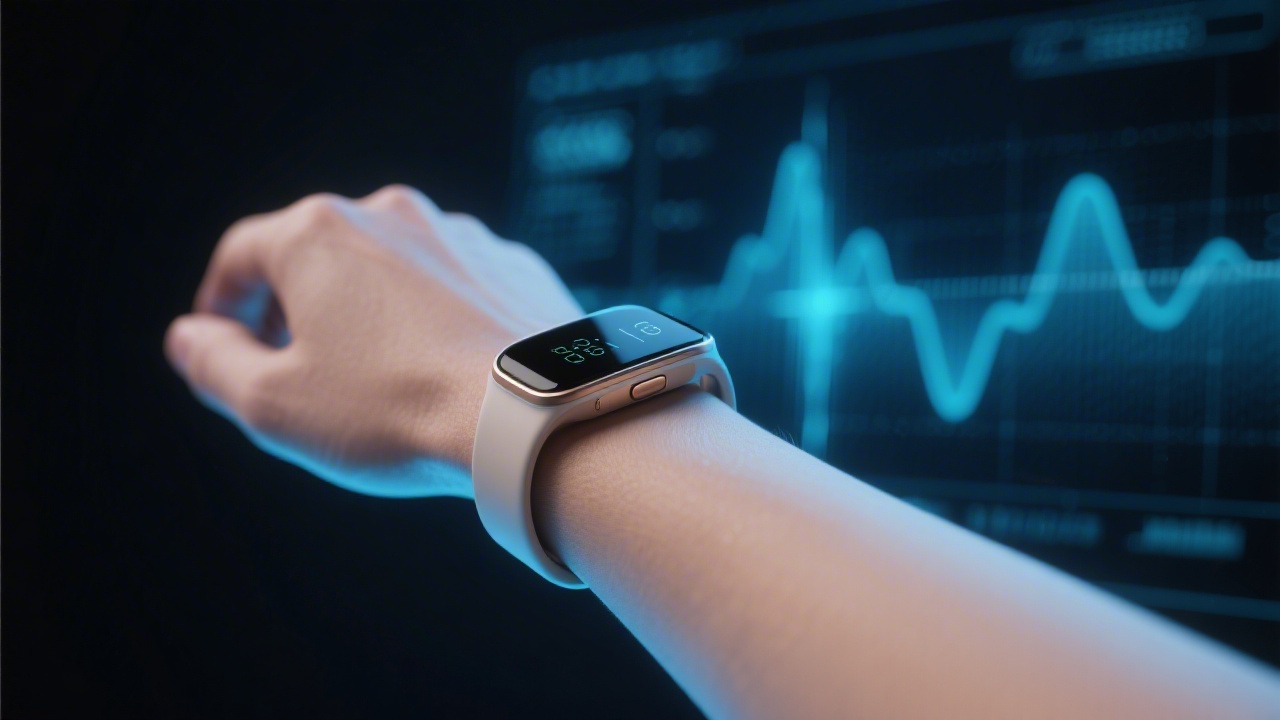
Fitness trackers and smartwatches (Fitbit, Apple Watch, Garmin, Oura Ring) use accelerometry and photoplethysmography (PPG) to estimate sleep stages. Independent validation studies show:
- Sleep/wake detection: 80–90% accuracy (reliable)
- REM detection: 65–75% accuracy (moderate)
- N3 (deep sleep) detection: 50–65% accuracy (unreliable for individual nights)
- Heart rate during sleep: Within 5% of ECG (reliable)
The Oura Ring Gen 3 performs at the top of consumer tier, with several validation studies showing 79% epoch-by-epoch accuracy versus PSG. The Apple Watch Ultra, with its additional accelerometer precision, reaches similar performance.
For a specific wearable assessment, see our Garmin sleep tracking review and broader sleep data interpretation guide.
Smart Mattresses: 75–85% Accuracy, No Contact Required
Ballistocardiography (BCG) embedded in mattresses measures cardiac and respiratory micro-vibrations transmitted through the sleep surface. Without any wearable contact, current smart mattresses achieve:
- Heart rate: Within 3–5% of ECG (competitive with wearables)
- Respiratory rate: Within 2 breaths/minute in controlled settings
- Sleep/wake detection: ~85% accuracy
- Sleep stage detection: 70–80% accuracy in best implementations
The contact-free nature is the key advantage. No charging, no wearing, no compliance barrier. See our smart mattress comparison for current models.
EEG-Based Consumer Devices: 85–95% Accuracy
Consumer EEG headbands (Dreem 2, Muse S) achieve clinical-grade sleep stage detection by directly measuring brain electrical activity. Accuracy versus PSG: 85–90% epoch-by-epoch. The barrier is wearability — EEG headbands are uncomfortable for many people to wear all night, and long-term compliance is low outside research settings.
Clinical Polysomnography: 95%+ Gold Standard
In-lab sleep studies measuring EEG, EOG, EMG, airflow, respiratory effort, and SpO2 remain the diagnostic gold standard. This will not change — but its role is shifting from routine monitoring to complex case diagnosis as consumer monitoring improves.
The Technology Pipeline: 2026–2035
Near-term (2–3 years)
- Radar-based contactless monitoring: Google, Apple, and Samsung are all developing radar-based sleep monitoring (similar to Google's Soli chip) that achieves EEG-comparable respiratory and movement sensing without contact or wearing. FDA clearance for respiratory monitoring is in active review.
- SpO2 integration in mattresses: Oxygen saturation monitoring currently requires a finger probe. Emerging reflectance-mode optical sensors embedded in mattress covers can detect SpO2 from skin contact on the sleep surface — enabling passive apnea screening.
- Cardiac event detection clearance: FDA clearance for AFib detection from smart mattress BCG is anticipated based on current clinical trial data.
Medium-term (3–7 years)
- Clinical-grade home sleep apnea testing via mattress: The current home sleep apnea test (HSAT) requires a multi-sensor kit worn overnight. BCG + SpO2 + radar could deliver equivalent diagnostic accuracy passively. This would dramatically expand apnea screening in the 80% of sleep apnea patients who remain undiagnosed.
- EHR-integrated passive monitoring: Longitudinal sleep data from mattresses and wearables feeding directly into electronic health records as a routine vital-sign equivalent
- AI-driven early warning systems: Heart failure decompensation, infection onset, and neurodegeneration signals detectable 5–10 days early from passive sleep data
Long-term (7–10 years)
- Genetic risk stratification integration: Consumer monitoring data contextualized against individual genetic sleep risk profiles — personalizing both the alert thresholds and the intervention recommendations
- Implantable micro-sensors: For high-risk patient populations, implantable devices providing continuous clinical-grade monitoring without any consumer behavior change
- Population sleep surveillance: Aggregate anonymized sleep data enabling early pandemic detection, shift work policy reform based on real population outcome data, and sleep-aware urban planning
What Consumers Should Know About Their Current Data
The most important near-term insight: treat consumer wearable sleep data as longitudinal trends, not nightly precision. A single night showing "45 minutes of deep sleep" is not clinically meaningful. A consistent 6-week trend of declining deep sleep percentage alongside decreasing HRV and increasing resting heart rate is a signal worth investigating with a physician. See our sleep quality assessment and sleep improvement plan for how to act on what you're seeing.
Frequently Asked Questions
How accurate are fitness tracker sleep stages?
Consumer fitness tracker sleep stage detection achieves 60-80% accuracy versus clinical polysomnography. Sleep/wake detection is most reliable (80-90%). Deep sleep (N3) detection is least reliable (50-65%). The Oura Ring Gen 3 and Apple Watch Ultra perform best in independent validation studies. Treat nightly sleep stage data as indicative rather than precise; focus on multi-week trends.
Will sleep monitors eventually replace sleep labs?
For screening and ongoing monitoring, consumer devices are rapidly approaching clinical-grade accuracy for many parameters. Smart mattresses already rival wearables for heart rate and respiratory rate monitoring without any contact. For complex diagnostic cases — particularly when EEG is required for seizure evaluation, narcolepsy diagnosis, or parasomnias — in-lab polysomnography will remain irreplaceable.
What is radar-based sleep monitoring?
Radar-based sleep monitoring uses millimeter-wave radar (similar to Google's Soli chip technology) to detect sub-millimeter body movements from across the room — including respiratory movements and cardiac vibrations transmitted through the body surface. Google's Nest Hub second generation already includes basic sleep monitoring via radar. The technology is developing toward clinical respiratory monitoring accuracy without any contact or wearable required.
How long before smart mattresses can diagnose sleep apnea?
FDA clearance for mattress-based sleep apnea screening is anticipated within 3-5 years, based on current clinical trial data combining BCG vibration sensing, respiratory rate monitoring, and SpO2 sensing from mattress-embedded optical sensors. This will not replace in-lab diagnosis for complex cases, but will serve as a passive screening tool identifying which patients need formal evaluation — addressing the 80% of sleep apnea cases that go undiagnosed.
What is the most accurate consumer sleep tracker available now?
Independent validation studies generally rank the Oura Ring Gen 3 and Withings ScanWatch at the top of consumer sleep tracking accuracy. For mattress-based monitoring, Eight Sleep Pod and Sleep Number 360 series perform best. EEG-based headbands like the Dreem 2 achieve the highest accuracy among wearable consumer devices (85-90% versus PSG) at the cost of wearing comfort and compliance.
Our Recommendation
Looking for a mattress that supports better sleep tonight? Saatva delivers consistent quality without the tech premium.
Our Top Mattress Pick
The Saatva Classic consistently ranks #1 for comfort, support, and long-term durability.