 by
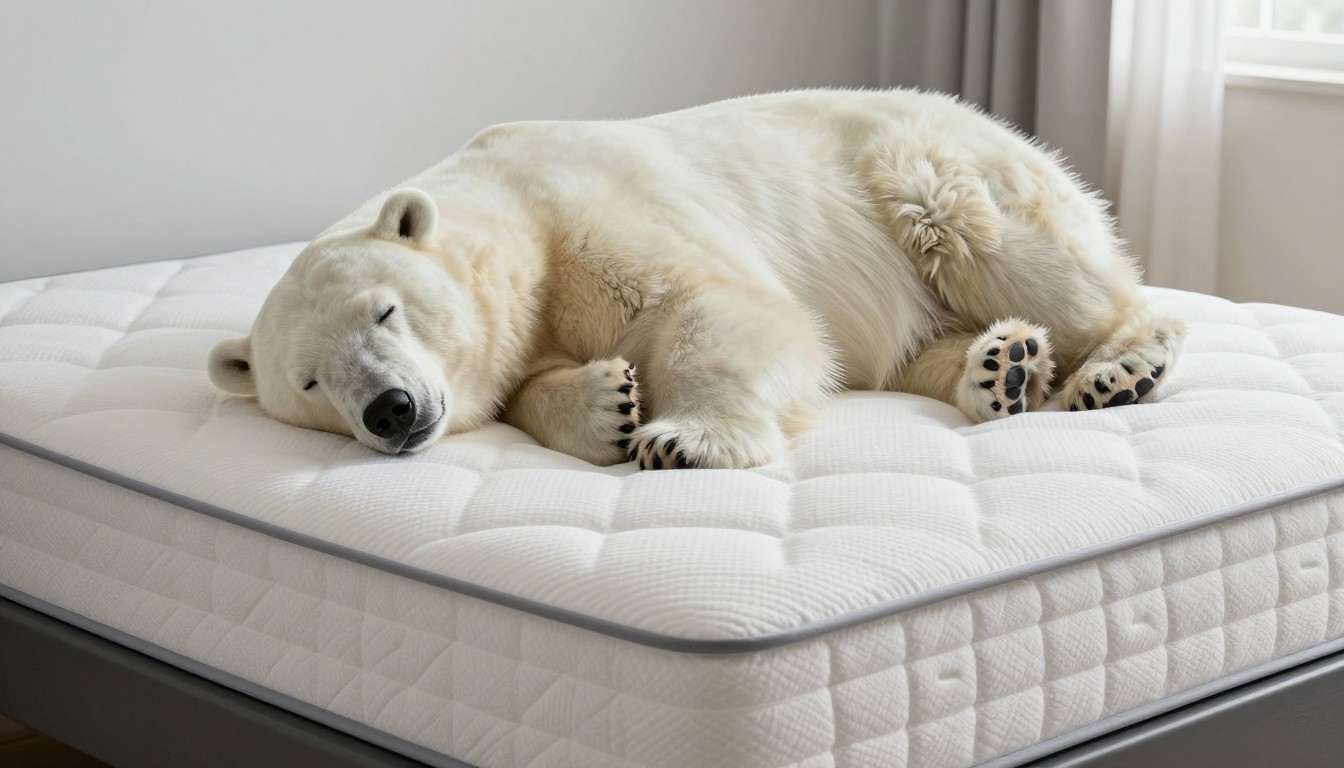
by Quick answer: “Sleep polar bear” appears to point to Polar Bear Sleep, a Canadian memory-foam retailer. I’d treat its comfort promises as a starting point, then verify the exact listing and written policies before buying.
- Polar Bear Sleep presents memory-foam mattresses and pillows on its official website.
- The company describes itself as Canadian and positions its products around hotel-style comfort.
- A Trustpilot reviewer praised the company’s responsive, pressure-free customer service.
Updated July 2026 · Reviewed for accuracy
My take is simple: this search term doesn’t reveal enough to call any Polar Bear Sleep mattress an automatic buy. The brand’s public messaging makes a clear comfort pitch, but mattress value lives in the details, especially foam layers, support construction, return terms, and the exact model you’re considering.
I like that Polar Bear Sleep is direct about selling memory-foam mattresses and pillows. I don’t like filling in the missing construction story with assumptions. If you’re searching “sleep polar bear,” use the name as a cue to slow down and read the listing closely.
Polar Bear Sleep is the likely mattress meaning behind this search
Polar Bear Sleep’s own website describes the business as a Canadian seller of premium memory-foam mattresses and pillows, built around the idea of comfortable, deeper sleep. That tells me the brand is focused on foam sleep products, not wildlife facts or sleep-tracking hardware.
The phrase itself is broad enough to create confusion. Search results can also surface polar-bear information, Polar-branded sleep tracking, and unrelated articles. For a mattress shopper, the useful destination is the Polar Bear Sleep official site, then the specific mattress page rather than a general brand promise.
That distinction matters because “memory foam” is a category, not a full specification. Two foam mattresses can feel nothing alike if their comfort layers, transition materials, support core, cover, and overall build differ. A soft top layer may create easy pressure relief, while the foam below it determines whether the bed keeps your body from sinking out of alignment.
The Nut’s rule: A brand description can tell you what a company wants to deliver. The mattress listing has to show how it plans to deliver it.
Memory foam can feel excellent, but construction decides the result
Memory foam is the headline material Polar Bear Sleep uses in its public storefront. According to the brand, its mattresses are designed for comfort and support, but those are outcomes, not construction details. I’d want the product page to explain the foam stack in plain language before I attached much meaning to either word.
A useful listing identifies the role of each layer. The top should explain its pressure-relieving or contouring job. The layer beneath it should explain how it eases the change from soft comfort foam to firmer support foam. The base should explain how it stabilizes the mattress. Without that map, a shopper is being asked to infer too much from a material label.
Foam also deserves a durability conversation. A mattress can initially feel plush and accommodating, then change if its comfort materials lose resilience. That doesn’t mean every foam bed will wear poorly. It means the quality and purpose of each layer matter more than a vague claim that the mattress is “premium.”
Heat is another point worth separating from marketing language. Memory foam tends to contour closely, and close contouring may feel warmer to some sleepers. A cooling cover, perforated foam, or a more open support design can change that experience, but I would only credit those features if the specific Polar Bear Sleep listing names them.
If sleep quality is your larger concern rather than a mattress-only question, the habits around bedtime matter too. My guide to yoga nidra for sleep covers a relaxation practice that doesn’t depend on buying a new bed.
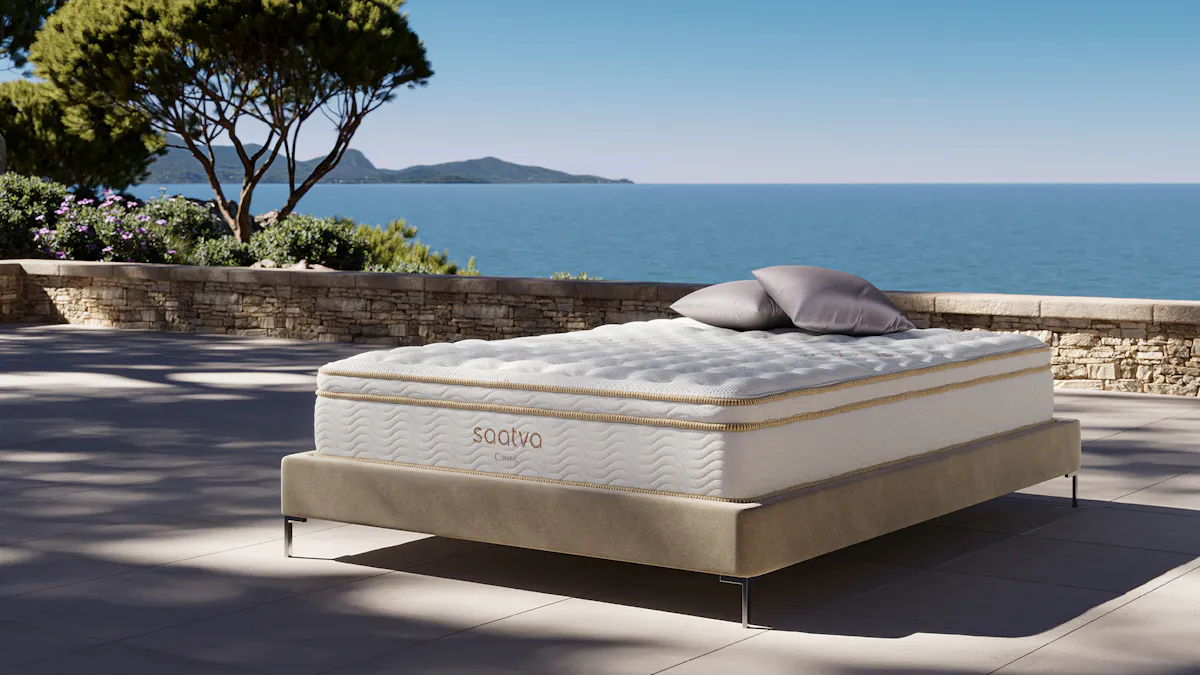
Comparing options? The Saatva Classic is the pick we keep coming back to — see the final verdict ↓
The brand’s comfort language needs model-by-model verification
Polar Bear Sleep says it aims to bring hotel-quality rest home. Per the company’s website, that is part of its positioning. I read it as an invitation to inspect the mattress, not as proof that every sleeper will get the same feel.
“Hotel feel” can mean several things to different people. Some readers picture a cushioned surface with gentle sink. Others mean a flatter, more buoyant bed that is easy to move around on. Still others mean a clean, substantial finish. Those are separate qualities, and a useful mattress page should make them easier to distinguish.
Start with your sleeping position. Side sleepers often need enough surface give around the shoulders and hips. Back sleepers usually need a steadier feel through the midsection. Stomach sleepers often prefer less deep sink, because a heavily contouring surface can let the hips settle too far. These are fit questions, not promises that can be answered by a brand slogan.
Then consider body movement. Foam often absorbs motion more quietly than a spring system because it compresses locally instead of transferring movement across a connected coil structure. Still, the amount of motion isolation depends on the exact foam build. A product page should describe the materials clearly enough for you to judge the trade-off against responsiveness.
What I’d verify on the listing
- The complete layer description, including what sits beneath the comfort foam.
- The stated feel and which sleeping positions the maker says it suits.
- Whether the cover or foam has a named cooling feature.
- The written return, delivery, and warranty terms that apply where you live.
- Whether the listed mattress is the same model discussed in current owner feedback.
Owner feedback is useful for service, not a substitute for specifications
A Trustpilot reviewer of polarbearsleep.com describes a very positive service experience, saying the company took time to answer questions without pressure. That is encouraging as a snapshot of customer contact, particularly for shoppers who expect to ask questions before committing.
I would keep that feedback in its lane. A merchant review can help you understand how a company communicates, but it cannot tell you the exact firmness, support depth, heat retention, or long-term feel of every mattress model. Those answers have to come from the product’s own details and from owner comments that clearly name the same mattress.
Read feedback for patterns rather than isolated praise or frustration. Look for repeat comments about whether the mattress matched the stated feel, how easy the company was to reach, and whether the delivery and return process aligned with the written terms. A single account may be genuine and helpful, but it is still one person’s situation.
Be cautious with feedback that never identifies the product. A pillow buyer, a mattress buyer, and a shopper asking a customer-service question may all review the same merchant page. Their experiences can be useful, but they should not be blended into a claim about a particular mattress.
Sleep data can be misleading in a similar way. If you use a wearable to judge whether a new setup helps, my overview of wrist actigraphy and sleep explains what wrist-based tracking can and cannot tell you.
Support, edges, and movement are the questions a foam listing must answer
A foam mattress needs a stable support core because the upper comfort layers are only part of the job. The support section is what limits deep compression and gives the mattress its underlying shape. If a listing only talks about softness at the surface, I’d consider its explanation incomplete.
Edge support is equally practical. People sit while dressing, sleep close to the perimeter, or simply want the whole surface to feel usable. Foam can provide a secure edge, but that depends on how the perimeter and support layers are built. I would not assume a reinforced edge unless the manufacturer says so for that model.
Ease of movement is another personal trade-off. Slow-responding foam can give a close, cradled sensation, which some sleepers love. Other sleepers dislike the feeling of having to push against the surface when changing position. Neither preference is wrong. The useful question is whether the listed materials suggest a quick response or a deeper, slower contour.
Couples should think through those trade-offs before ordering. If one person values motion absorption and the other dislikes a deep hug, the mattress needs to satisfy both concerns well enough. That is a better conversation than chasing a broad “best mattress” label.
Check the purchase terms before treating a comfort claim as low-risk
The official storefront is where I’d confirm the current purchase terms for the exact Polar Bear Sleep mattress. Policies can differ by product, location, sale status, and the condition required for a return. The written terms matter more than an assumption based on another retailer’s policy.
Read the delivery language closely. A mattress that arrives compressed may need time to expand, and the seller’s instructions should explain appropriate setup and care. If a mattress has a removable cover, a particular foundation requirement, or a stated adjustment period, those details belong in the official documentation.
Read the warranty language with the same care. A long warranty can sound reassuring, but the exclusions and claim process tell you what protection actually means. Look for coverage conditions, foundation requirements, handling instructions, and what the company says about visible material changes.
Price should be handled with the same discipline. I would check the current price on the official site, confirm what is included, and compare the full purchase terms before deciding whether the mattress represents good value. A mattress is not a bargain simply because the headline looks attractive. It has to match the construction and policy package you are receiving.
A sensible buying sequence
Identify the exact model. Read every layer description. Match the stated feel to your sleep position. Check the written terms. Then read owner feedback that unmistakably refers to that same mattress.
My verdict on a “sleep polar bear” mattress search
Polar Bear Sleep looks like a legitimate starting point for someone seeking a memory-foam mattress from a Canadian company. Its own site presents a straightforward comfort-and-support message, and the Trustpilot feedback supplied here is favorable about customer service. That is enough to justify a closer look, not enough to skip the comparison work.
I’d consider it if the exact mattress listing clearly explains its foam construction, stated feel, cooling approach, and written purchase terms, and if those details match your needs. I’d skip it for now if the listing leaves you guessing about the support core, edge design, or what the policies cover.
If you decide that a foam-only design does not give you enough construction detail or responsiveness, the Saatva Classic is a reasonable alternative to investigate separately. Keep the comparison honest: assess its official specifications and policies on their own terms rather than assuming it solves every concern by default.
The final call is less glamorous than a brand slogan. Buy the mattress whose documented build and terms make sense for how you sleep. That is the part that lasts after the box, the branding, and the first impression are gone.
FAQ
What does “sleep polar bear” mean?
For mattress shoppers, it most likely refers to Polar Bear Sleep, a company that sells memory-foam mattresses and pillows. Search results can also include unrelated polar-bear content and Polar sleep tracking, so checking the destination matters.
Is Polar Bear Sleep a mattress company?
Yes. Polar Bear Sleep describes itself on its official website as a Canadian company offering memory-foam mattresses and pillows. The exact features depend on the individual product listing, so I would review that page before drawing conclusions.
Are memory-foam mattresses good for side sleepers?
They can be, because foam may contour around shoulders and hips. The right choice still depends on how deeply the mattress allows those areas to sink and whether the support layers keep the torso level.
What should I ask before buying from Polar Bear Sleep?
Ask for the full layer breakdown, the stated feel, any named cooling features, and the exact written delivery, return, and warranty terms. Those answers are more useful than broad comfort language because they describe the mattress you would actually receive.
Can yoga help if I’m not sleeping well?
A calmer bedtime routine may be worth exploring alongside your mattress decision. My guide to yoga for sleep focuses on gentle practices that can fit into an evening wind-down routine.
FINAL VERDICT
Before you settle: if sleep polar bear is what brought you here, the Saatva Classic is the value pick on this page — check its current price, trial and warranty terms on the official product page. Confirm current price, dimensions and terms on the official product page before ordering.
OUR CATEGORY-MATCHED PICK · UP TO $625 OFF
Saatva Classic
- 365-night home trial and lifetime warranty, per saatva.com
- Handcrafted in the USA, free white-glove delivery
- Flexible financing available