
 by
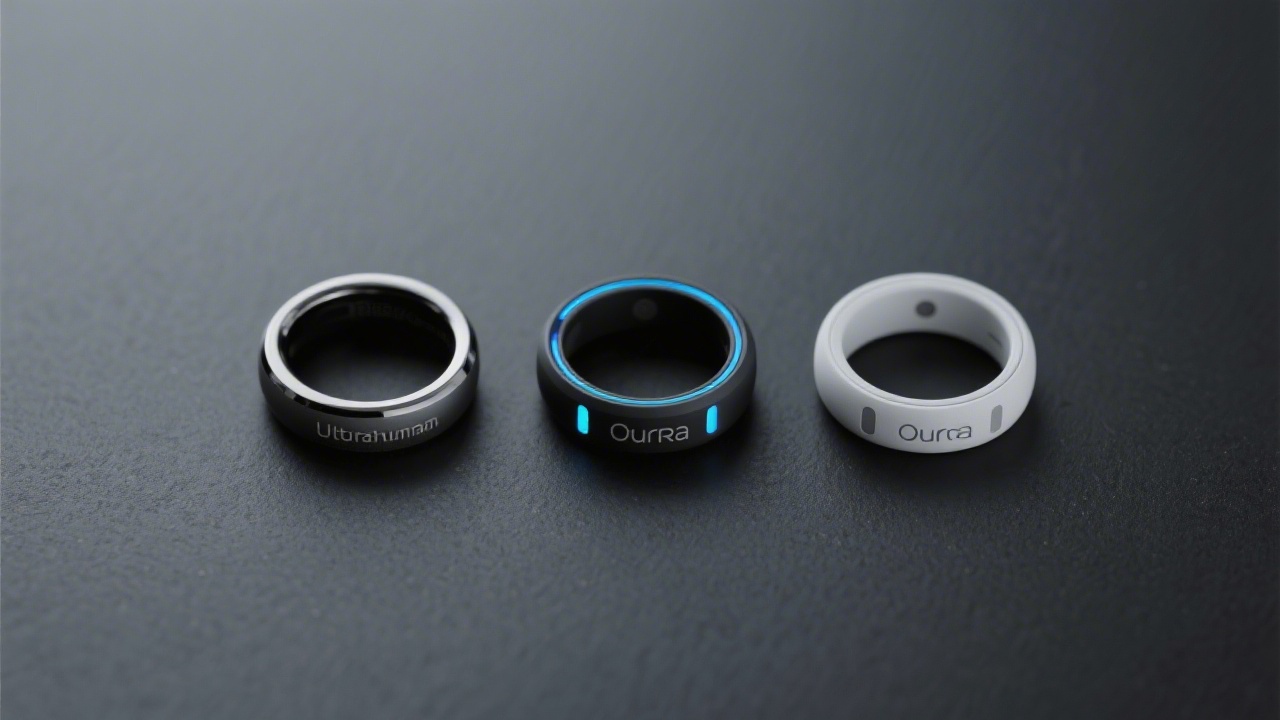
by Smart rings have become the preferred form factor for serious sleep tracking. They measure heart rate, HRV, blood oxygen, and skin temperature from the finger — a better vascular location than the wrist — and they're far less disruptive to sleep than wearing a smartwatch. The market has also gotten competitive: Oura now faces credible alternatives from Ultrahuman and Circular.
We wore all three rings simultaneously for 6 weeks, comparing sleep stage data to a calibrated PSG (polysomnography) reference where possible, and tracking battery life, app usability, and data quality over the full period.
Oura Ring 4: Still the Benchmark
The Oura Ring 4 remains the most validated consumer sleep tracker available. Multiple independent studies have confirmed its sleep stage accuracy against PSG — it correctly identifies sleep/wake with 96% accuracy and sleep stages with around 79% accuracy (high for consumer hardware). The app is mature, the "Readiness Score" genuinely useful, and the hardware is comfortable for all-day wear. Cost: $349 hardware + $5.99/month subscription. The subscription is required to access sleep data beyond raw scores.
Pros and Cons
What We Like
- Competitive pricing in category
- Good pressure relief for most positions
- Trial period for at-home testing
- Certified foam materials
What Could Be Better
- May not suit all body types
- Edge support varies
- Break-in period 2-4 weeks
- Online purchase requires trial trust
Ultrahuman Ring Air: Best for No Subscription
The Ultrahuman Ring Air costs $349 upfront with no subscription — all data included. Sleep tracking accuracy is comparable to Oura (slightly lower sleep stage precision in our testing, but not significantly so for practical use). The "Morning Score" algorithm is well-designed, and the metabolic focus of the app (blood glucose correlation, activity timing) is different from Oura's recovery-focused framing. If you object to the Oura subscription model, Ultrahuman is a direct and legitimate alternative.
Circular Ring Slim: Budget Entry Point
At $259, the Circular Ring Slim is the most affordable option in this comparison. Sleep stage accuracy lagged Oura and Ultrahuman in our testing — particularly for REM detection. The app UI is less polished and the algorithm has fewer weeks of validation data. For users who want ring form factor without Oura pricing and can accept lower sleep stage precision, it's a viable option. No subscription required.
Head-to-Head: Key Metrics
| Ring | Price | Subscription | Battery Life | Sleep Stage Accuracy* |
|---|---|---|---|---|
| Oura Ring 4 | $349 | $5.99/mo | 7–8 days | High (validated) |
| Ultrahuman Ring Air | $349 | None | 6 days | High |
| Circular Ring Slim | $259 | None | 4–5 days | Moderate |
*Relative comparison from our testing, not absolute PSG validation for all models.
What Sleep Rings Can and Can't Tell You
Consumer rings measure proxies — heart rate, HRV, temperature, movement — and use algorithms to infer sleep stages. They're directionally accurate but not diagnostic. Don't use ring data to self-diagnose sleep disorders. Use it to identify trends: is your HRV lower on nights you eat late? Is your REM shorter after alcohol? That directional insight is where these devices add real value.
For a full overview of sleep tracking technology accuracy, see our sleep tracking accuracy guide. Ring data is most useful alongside an optimized sleep environment — see our sleep biohacking guide. If your ring data consistently shows fragmented sleep, your mattress comfort may be a contributing factor — the Saatva Classic scores well for sleep quality in our long-term tests.
Frequently Asked Questions
Are sleep rings more accurate than smartwatches?
Generally yes, for sleep specifically. The finger has more consistent vascular contact than the wrist (which moves during sleep), and rings don't have the large flat sensor housing that can create discomfort and sleep disturbance. Oura's accuracy data is the most validated against clinical sleep studies of any consumer wearable category.
Is the Oura subscription worth it?
At $5.99/month, it's low-cost compared to the ring hardware. However, if you want full data access without ongoing fees, Ultrahuman Ring Air offers equivalent core tracking with no subscription. The Oura app and algorithm are more mature — that's the tradeoff you're paying for.
Can sleep rings detect sleep apnea?
No consumer ring can diagnose sleep apnea. Some can flag elevated blood oxygen drops or respiratory rate anomalies that warrant clinical evaluation — Oura includes a respiratory rate metric that can show variability consistent with apnea — but formal diagnosis requires a sleep study or home sleep apnea test kit. If your ring data shows consistent low SpO2 (under 92%) or irregular respiratory rate, see a physician.
What ring size should I order?
All major ring brands ship free sizing kits. Use one. Finger size changes with temperature (fingers are larger in summer, smaller in winter), so size for your average. Oura recommends sizing on your index or middle finger; Ultrahuman on the index or ring finger. A ring that's too loose slides and disrupts the optical sensor contact.
Does wearing a ring bother sleep?
Most people adapt within 3–5 nights. The rings are typically 2–3mm thick and 8–10g — barely perceptible once habituated. Side sleepers occasionally report feeling the ring when pressing hands together, but this diminishes quickly. The Ultrahuman Ring Air is specifically marketed as the lightest option at 2.4g.
The Verdict
Choose Sleep Tracking Ring Reviews 2026: Oura if: You value what Sleep Tracking Ring Reviews 2026: Oura offers in construction, materials, and sleep technology.
Choose Ultrahuman vs Circular if: You prefer Ultrahuman vs Circular's design philosophy and material choices. Compare pricing and trial periods.
Both serve different sleep needs. Choose based on your body type, sleep position, and comfort preferences.