
 by
by 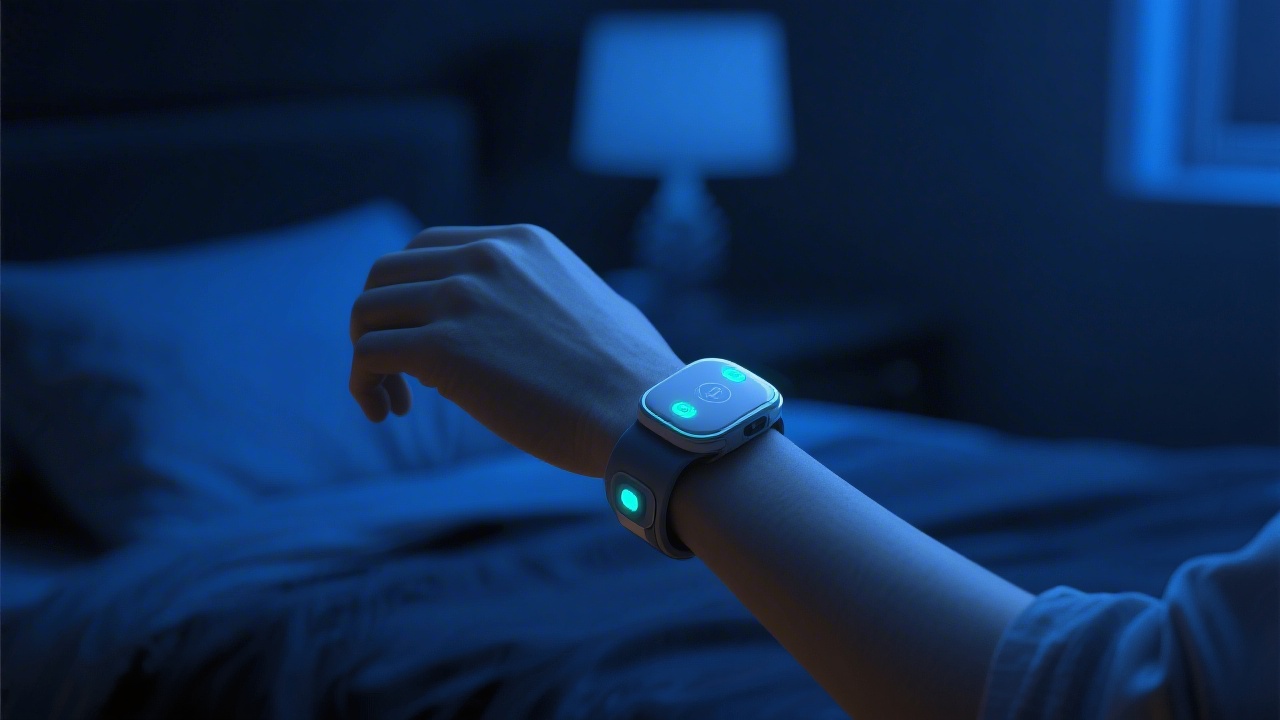
Looking for a mattress that supports better sleep? The Saatva Classic is consistently rated among the top mattresses for sleep quality, spinal alignment, and temperature regulation. See current pricing and availability →
Sweat does not only cool the body. It is also a window into the autonomic nervous system. Electrodermal activity (EDA) — commonly called skin conductance or galvanic skin response (GSR) — measures how electrical conductivity of the skin changes with eccrine sweat gland activity. During sleep, these changes reveal stress arousal events that heart rate and movement alone cannot capture.
What Is Electrodermal Activity?
EDA measures the skin’s electrical conductance, which increases as eccrine sweat glands activate in response to sympathetic nervous system arousal. Unlike the sweat produced by thermal regulation, eccrine sweat in emotional and stress responses originates almost exclusively from sympathetic cholinergic activation — meaning it reflects psychological and physiological arousal rather than physical exertion.
Measurement sites matter: palmar and plantar skin (hands and feet) have the highest eccrine gland density. Wrist-worn wearables measure a weaker signal but use amplified sensors to compensate. Fitbit Sense and Fitbit Sense 2 were the first major consumer wearables to include continuous EDA sensing; the Google Pixel Watch 2 and 3 have continued this feature.
EDA and Nighttime Stress Events
During undisturbed sleep, EDA values remain low and relatively stable. Sudden EDA spikes during sleep indicate autonomic arousal events, including:
- Nighttime anxiety and panic episodes: EDA rises sharply 30–90 seconds before full waking in panic-related awakenings, suggesting the sympathetic activation precedes conscious awareness.
- Sleep-disordered breathing (SDB) events: Apnea and hypopnea events produce EDA spikes as hypoxia triggers sympathetic arousal. EDA-based algorithms can detect SDB with 70–80% sensitivity when combined with SpO2 data.
- Nightmares and REM behavior disorders: EDA is elevated throughout REM in people with PTSD and nightmare disorder, and further spikes during nightmare events.
- Spontaneous micro-arousals: Even brief (3–15 second) cortical arousals produce measurable EDA changes that fragment sleep continuity without fully waking the sleeper.
What the Research Shows
A 2021 study in Psychophysiology using simultaneous PSG and wrist EDA recording found that EDA-defined arousal events correlated at 0.72 with PSG-scored respiratory-related arousals, and at 0.81 with self-reported stress levels the following morning. The EDA signal provided additive information beyond what heart rate alone captured in 34% of cases.
In a separate 2023 dataset from the Empatica E4 wristband, overnight EDA patterns distinguished individuals with burnout from healthy controls with 76% accuracy — supporting the use of EDA as a passive biomarker for stress load. This complements what we know about sleep and stress resilience from other measurement approaches.
How EDA Fits Into the Wearable Biosensor Landscape
Current-generation wearables measure EDA in two primary modes:
- Continuous passive monitoring: EDA sampled every few seconds throughout the night, used to generate a stress load index or arousal frequency count.
- On-demand EDA scan: A 2-minute guided session (as in Fitbit Sense) that measures EDA response to a prompt, used for daytime stress detection rather than sleep analysis.
Overnight continuous EDA is more relevant to sleep health. However, it significantly increases battery drain, which is why many devices do not enable it by default. Users interested in sleep EDA data typically need to activate it in device settings.
Interpreting Overnight EDA Data
Most consumer apps translate raw EDA data into a simplified stress score or arousal count. Key indicators to look for:
- High EDA arousal frequency (more than 5–8 events per hour) in non-REM stages suggests fragmented sleep from autonomic over-activation
- Sustained elevated EDA baseline (rather than discrete spikes) during sleep is associated with chronic stress states rather than acute stressors
- EDA elevation concentrated in the early sleep period (first 2–3 hours) often reflects difficulty with parasympathetic handoff at sleep onset
Understanding how respiratory rate patterns during sleep interact with EDA provides additional context, since many EDA spikes are triggered by respiratory events.
Reducing Overnight EDA Arousal
Practical strategies to reduce sympathetically-driven nighttime arousal:
- Consistent pre-sleep routine with parasympathetic activation (diaphragmatic breathing, progressive muscle relaxation)
- Reducing sleep environment temperature to the optimal range of 65–68°F (18–20°C)
- Addressing underlying contributors: caffeine timing, alcohol (which dramatically increases overnight EDA activity), screen light exposure before bed
- For those with elevated overnight EDA despite behavioral changes, referral for clinical evaluation of anxiety disorders, sleep apnea, or PTSD is appropriate
Frequently Asked Questions
What does a high EDA reading during sleep mean?
Elevated EDA during sleep indicates sympathetic nervous system arousal events. This can result from nighttime stress responses, sleep-disordered breathing events, nightmares, or spontaneous micro-arousals. It does not by itself diagnose any specific condition but suggests fragmented or stress-elevated sleep.
Does alcohol increase skin conductance during sleep?
Yes. Alcohol consumption suppresses EDA during the first part of the night as GABA activity is enhanced. As alcohol metabolizes in the second half of the night, it produces a rebound sympathetic activation with markedly elevated EDA, increased heart rate, and sleep fragmentation.
Which wearables track EDA continuously overnight?
As of 2025, Fitbit Sense 2, Google Pixel Watch 2 and 3, and Empatica E4 (research-grade) offer continuous overnight EDA monitoring. Apple Watch does not currently include EDA sensing. Some Polar and Garmin models have announced EDA features in newer generations.
Is EDA the same as a lie detector test?
Polygraph tests measure EDA (along with heart rate, blood pressure, and respiration) as part of their detection protocol. However, the physiological signal is the same; the application is different. Consumer sleep EDA is measuring autonomic arousal, not deception.
Can I reduce nighttime EDA arousal without medication?
Yes. Behavioral interventions with the strongest evidence for reducing overnight EDA include slow diaphragmatic breathing before sleep, progressive muscle relaxation, consistent sleep scheduling, caffeine curfew after 1 p.m., and alcohol elimination. MBSR (mindfulness-based stress reduction) programs have been shown to reduce EDA arousal frequency by 20-30% over 8 weeks.
Looking for a mattress that supports better sleep? The Saatva Classic is consistently rated among the top mattresses for sleep quality, spinal alignment, and temperature regulation. See current pricing and availability →
Our Top Mattress Pick
The Saatva Classic consistently ranks #1 for comfort, support, and long-term durability.