 by
by Non-toxic bedroom was the only makeover I could afford to care about last fall. My old sheets felt scratchy by midnight, the comforter had that new-plastic smell, and I kept waking up at 3 a.m. irritated by things I couldn’t quite name.
I had $400 for the whole reset. Not a new mattress.
Not a dramatic renovation. Just one small bedroom, a queen bed, and a decision to stop buying bedding because it looked good in a product photo.
The Moment I Stopped Ignoring the Problem
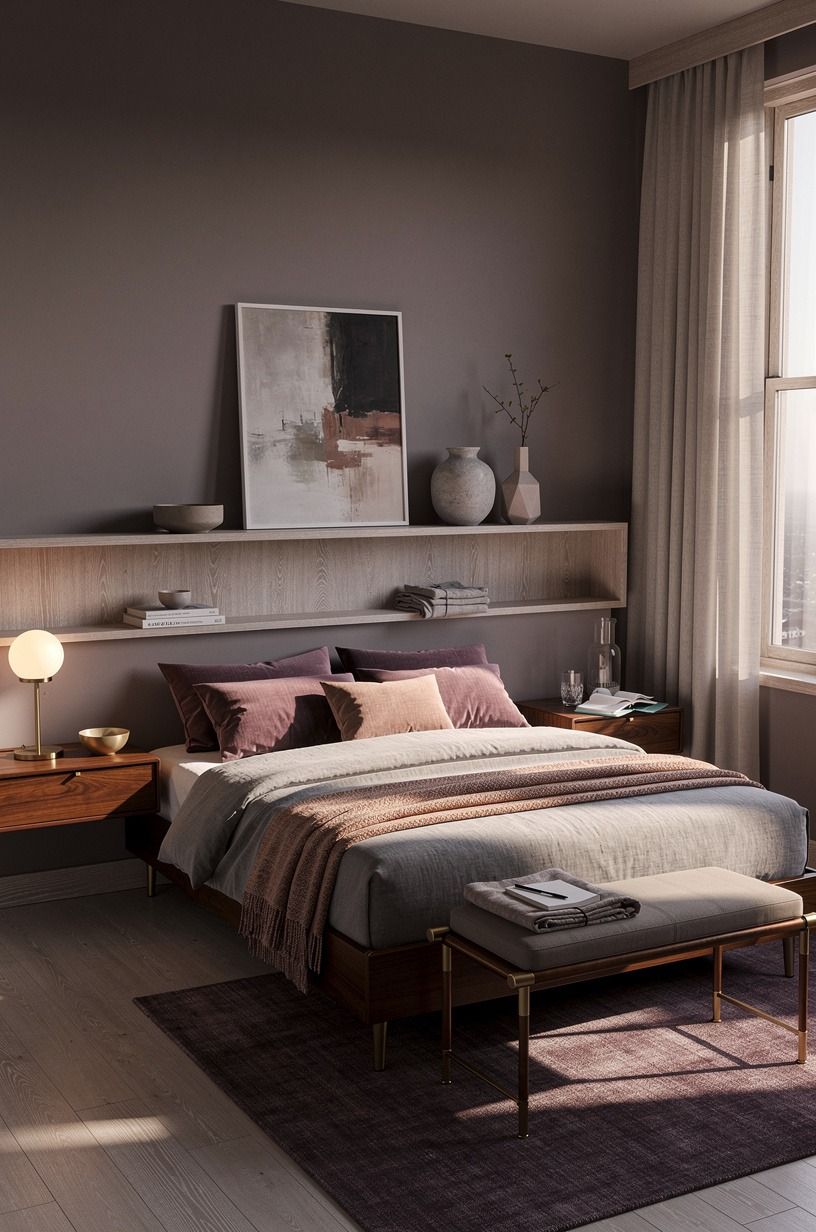
The room looked fine from the doorway. Beige walls. A secondhand oak nightstand.


A bed piled with bedding I’d collected in pieces and never really liked. But lying in it was different.
The fabrics trapped heat, the pillows went flat, and I’d started opening the window even on chilly nights because the room felt stale.
I’m not claiming a bedroom can fix your health. It can’t. But changing the fabrics closest to my skin made my sleep feel less fussy, and that mattered to me more than another decorative pillow ever could.
And I knew where to start: the sheets.
I Put the Sheets Before Every Other Upgrade

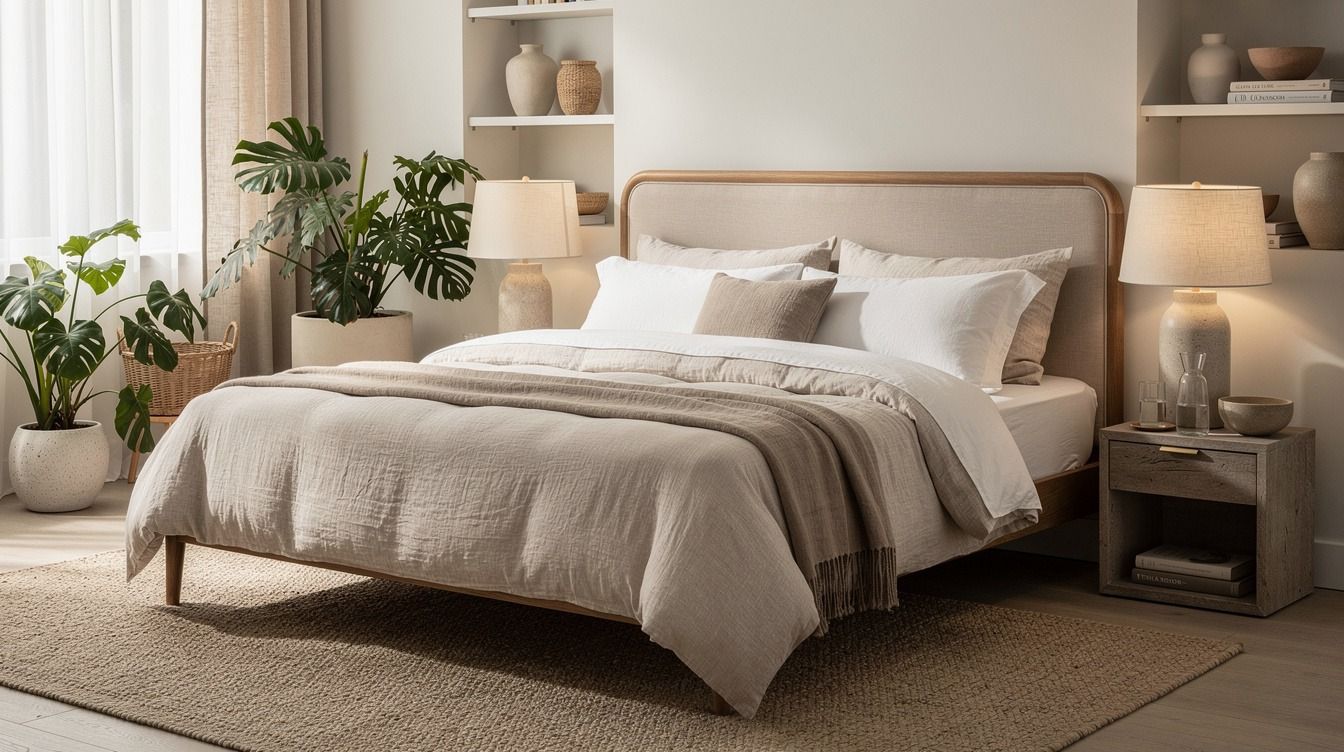
I bought Organic Cotton Sheets first, even though I’d been tempted to spend that part of the budget on a new headboard. I’d choose sheets again.
Every time. You touch them for eight hours, while a headboard mostly performs for the wall.
The first wash changed my mind about what I wanted from the room. They weren’t slick or hotel-stiff.
They felt dry, soft, and a little rumpled in the good way. Like a worn-in button-down.
I kept the bed unmade for most of that first week because I liked seeing them in the morning light.
But I didn’t go full white. White bedding looks crisp for a day, then asks you to live like a person who never drinks coffee in bed. I chose a warm natural tone and let the wrinkles stay.
If you’re starting from a similarly patchwork setup, my five non-toxic bedroom swaps cover the other changes I considered before spending more.
I Replaced the Puffy Comforter I Never Liked
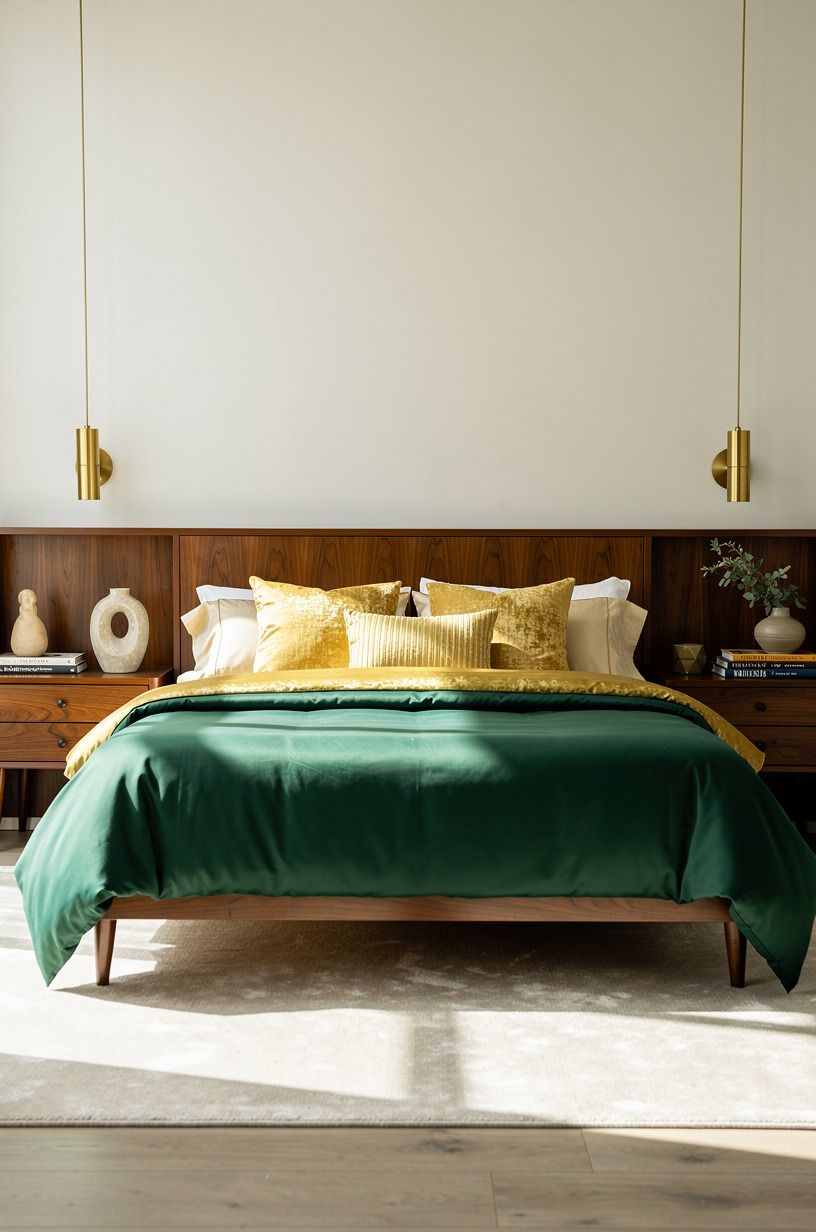
Next came the Down Alternative Comforter, which was a bigger emotional decision than it should’ve been. I had convinced myself my old comforter was “still fine” because it wasn’t torn. But it was flat in the middle, lumpy near the edges, and somehow too warm and too cold at once.
This one gave the bed a softer, fuller shape without making it look like a marshmallow. I like a bed that looks inviting, not overstuffed. There’s a difference.
And I stopped using six throw pillows. Two sleeping pillows, one quilted accent pillow, done.
The room felt calmer because I wasn’t clearing a pile of props off the bed every night. Small thing. Huge relief.
I Added Texture Where My Old Room Felt Flat
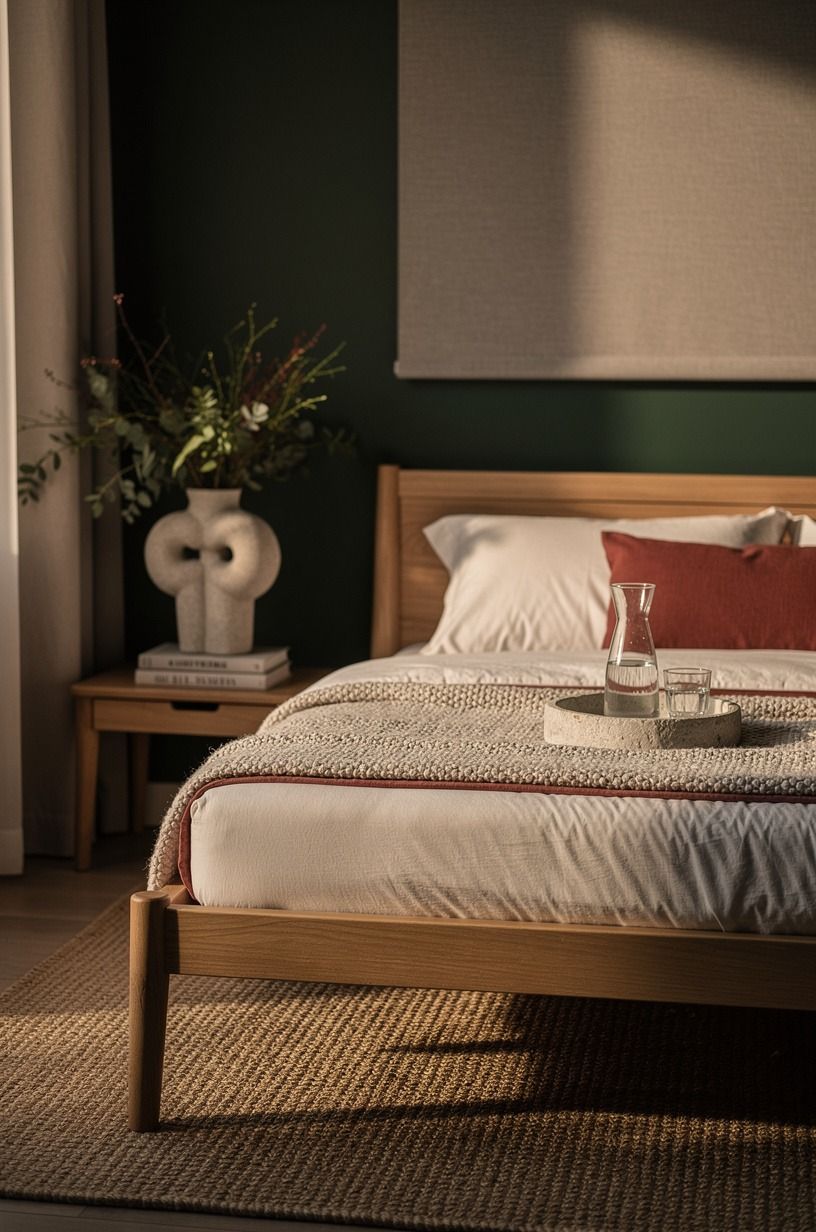
The bed still needed weight, especially once the weather turned. I folded an Organic Velvet Quilt across the lower third, not perfectly centered because I’ve learned that perfect styling makes me weirdly nervous.
Velvet was my risk. I worried it would look too formal against my plain walls, and for two weeks I regretted it. It caught every bit of lint, and I considered returning it.
But once I stopped trying to keep it pristine, the soft pile gave the room a deeper, more grounded look.
I’d skip a shiny synthetic coverlet here. It photographs neatly, sure, but it can make a small bedroom feel cold. The quilt brought in that slightly shadowy, warm texture I wanted without asking the rest of the room to match it.
For more ideas that lean quiet rather than overly styled, I still love this take on a quiet luxury non-toxic bedroom.


The Piece My Whole Bedroom Is Built Around
Natural materials, a 365-night home trial, free white glove delivery. Decide in your own room, not a showroom.
I Made the Bed Feel Finished With One Useful Pillow
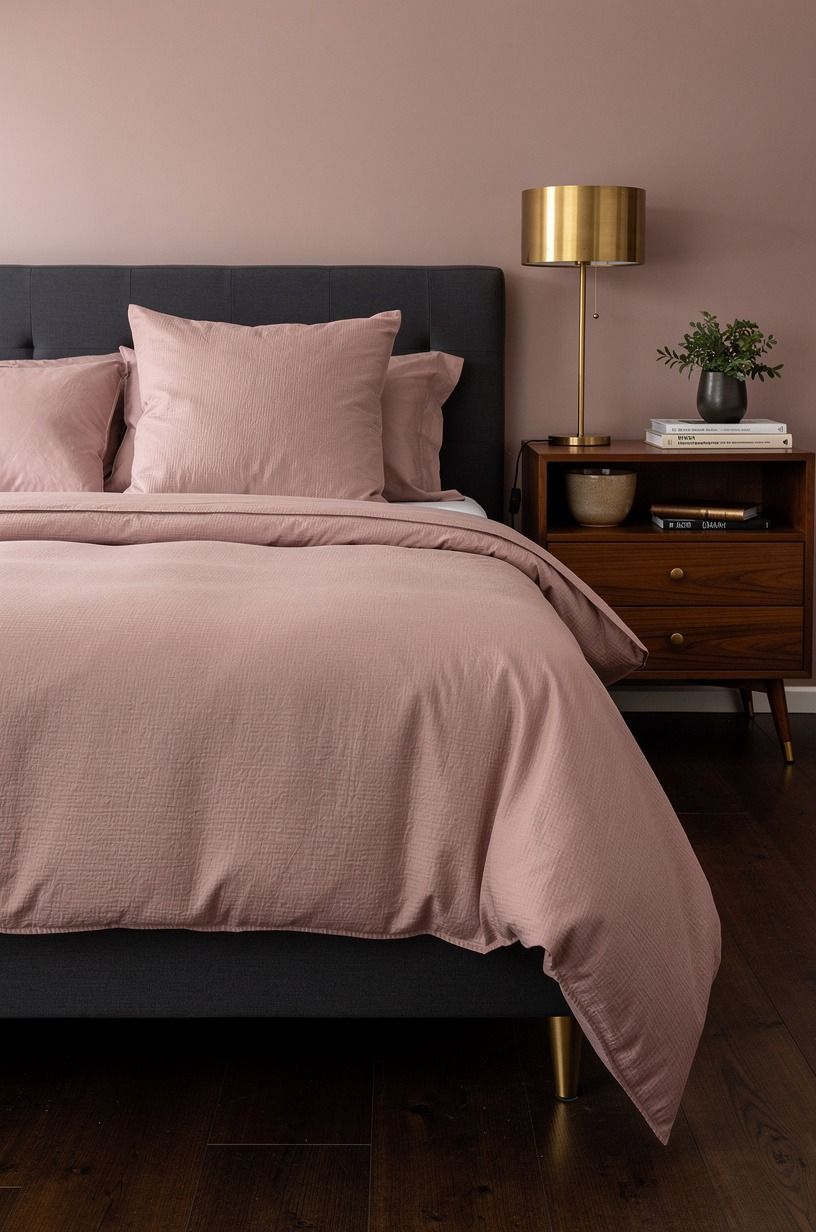
I used Organic Quilted Pillow as the one accent piece that earns its place. It sits against my regular pillows during the day, then moves to the reading chair at night. No decorative object has to be precious in my house.
I wasn’t sure a quilted pillow would matter. But the stitched texture broke up all the flat fabric, and the bed stopped looking like a catalog display.
It looked lived-in. Mine.
But I wouldn’t buy several. One has presence. Four would feel like I’d fallen for a trend and couldn’t find the exit.
I Changed the Background Before Adding More Stuff
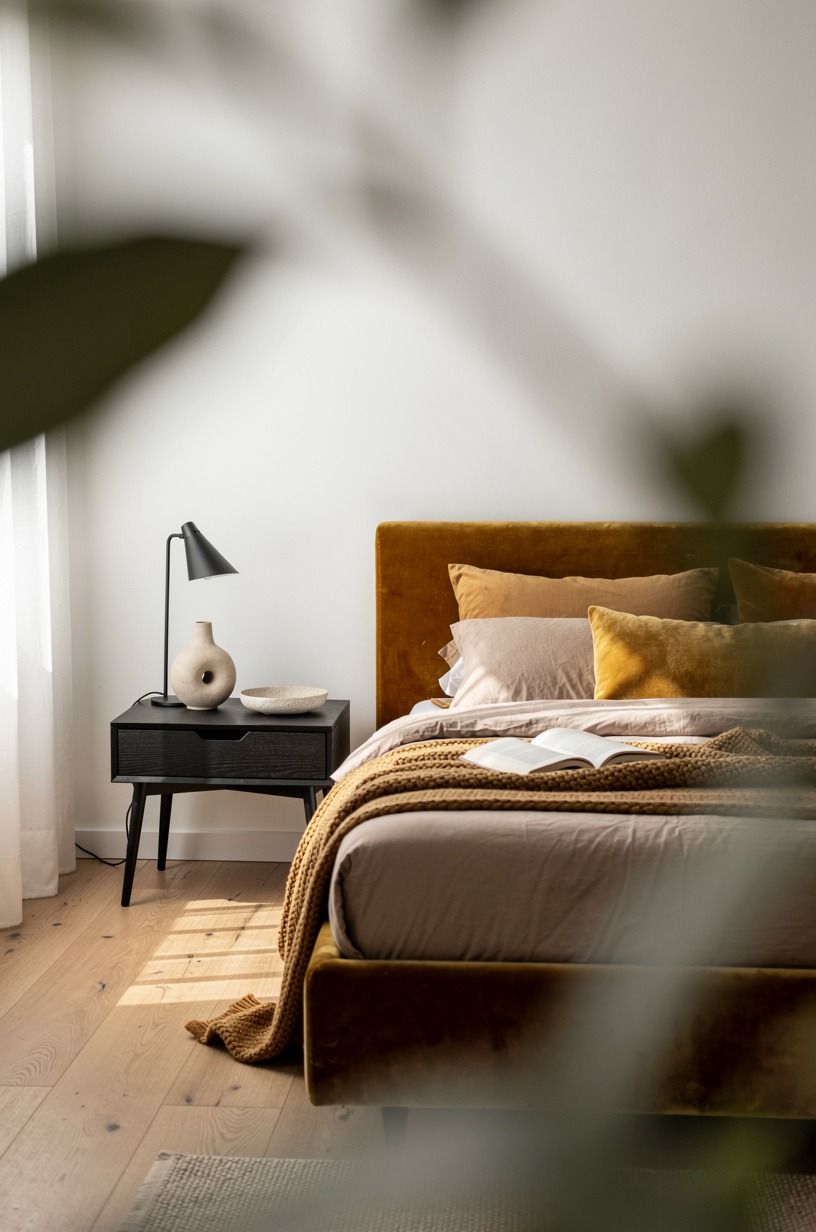
The bedding made my old gray-beige walls look especially dull, so I used the remaining budget on a small paint reset and a few practical details. I chose Benjamin Moore Pale Oak OC-20, which has enough warmth to keep the room from looking washed out when the afternoon gets blue.
My queen bed is 60 by 80 inches, and that measurement saved me from one of my usual mistakes: buying furniture that looks tiny beside it. I kept the nightstand close to mattress height, around 24 to 28 inches, and cleared its top down to a lamp, a water glass, and one paperback.
And I added a cotton shade to the lamp. That was it. No gallery wall.
No new dresser. The light now pools softly over the oak tabletop instead of bouncing around the room like a dentist’s office.
Where the $400 Went, in Broad Strokes
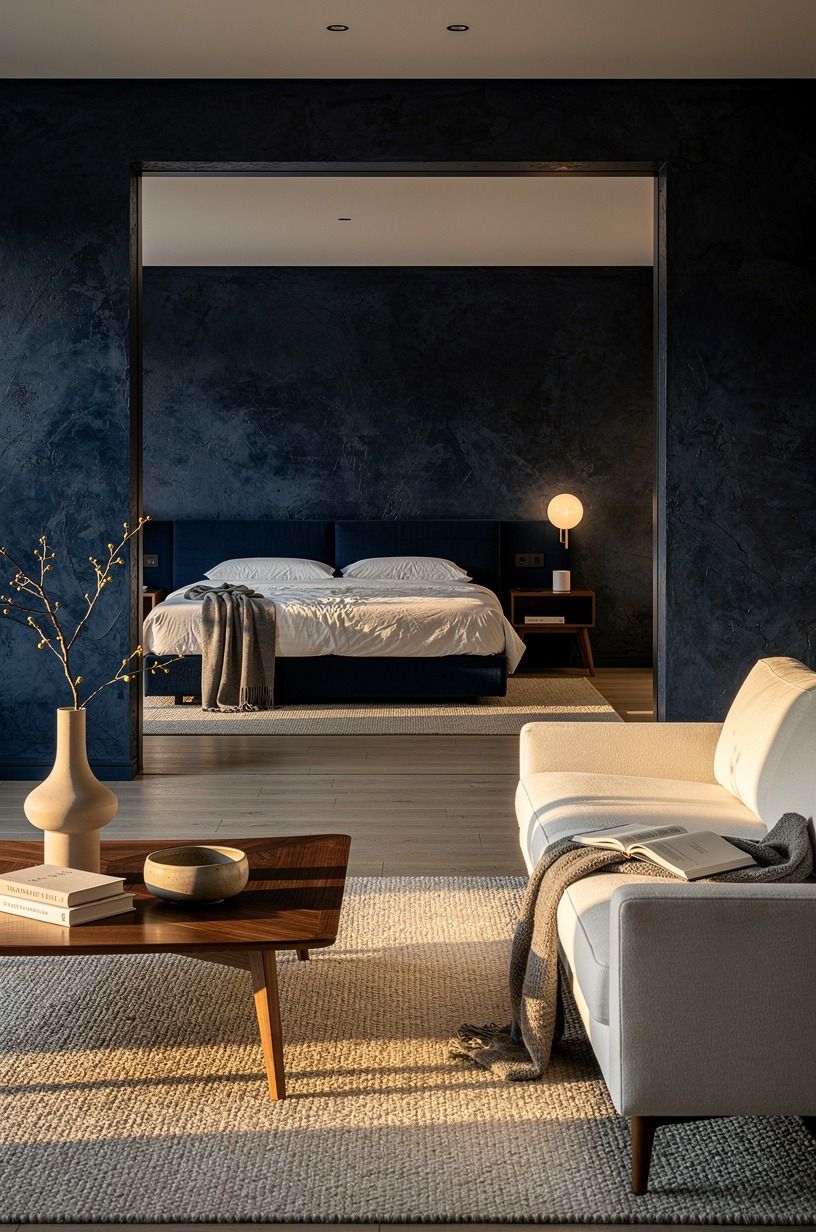
I kept the money focused on the bed first, then spent the rest on paint, laundry supplies, and the boring pieces that make a room easier to maintain. That was my line in the sand. I didn’t want a non-toxic bedroom that needed another shopping trip to function.
Typical bedroom updates can run $200 to $800 for bedding, paint, shades, and art, so my $400 version sat in the middle of that basic range. I made it work by leaving the mattress, furniture, rug, and window hardware alone.
I think that’s the part people miss. You don’t need to replace every object to change how your room feels. You need to stop spending your budget on items that only look useful.
If your room is a rental, I’d borrow a few ideas from this renter-friendly non-toxic bedroom before touching the walls.
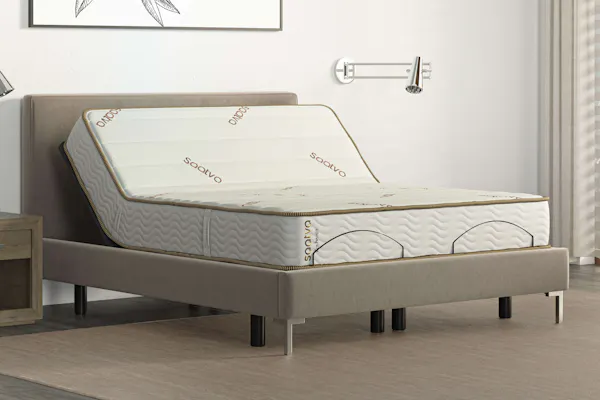 My pick for a healthier bedroomZenhavenTalalay latex, organic cotton, 365-night trial, lifetime warranty, free white glove delivery.See the Zenhaven
Build Your Own Healthier Bedroom
Sale pricing runs on orders over $1,000, and the 365-night trial gives you a full year of nights to be sure.
What I’d Do Differently, and What I’d Keep
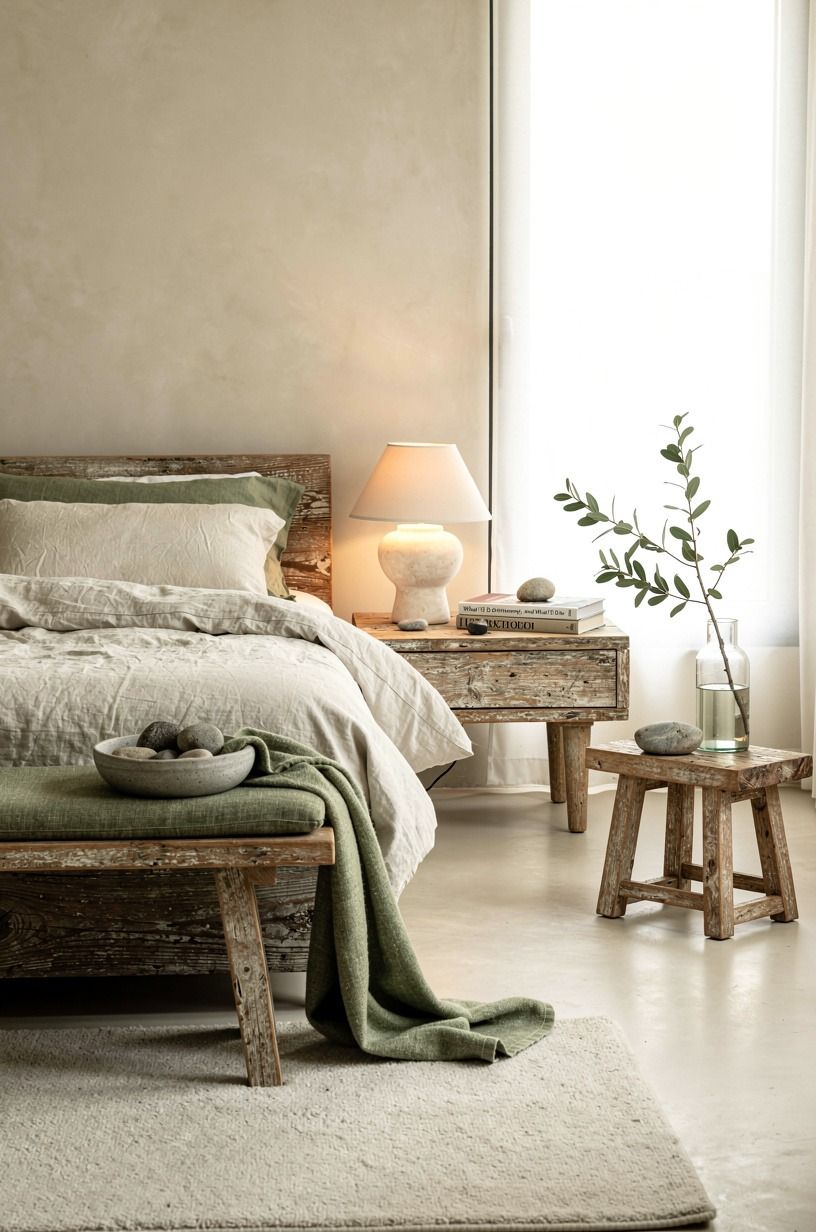
I’d buy the sheets first again, but I’d wait a week before choosing the quilt color. I ordered mine while staring at a screen late at night, which is how I nearly picked a shade too cool for the room.
The velvet worked out. It just wasn’t instant.
I also wouldn’t chase the word “non-toxic” as if it means flawless. Materials, budget, laundry habits, and what you can live with all matter. What worked for me was choosing fewer pieces I wanted against my skin and using the rest of the room as it already was.
Now, when I walk in, the last light catches the quilt’s soft texture and the pale oak nightstand holds my half-finished book.