 by
by The 5-layer hotel bed, made with natural fabrics started because I was awake at 3 a.m., peeling my cheek off a pillowcase that felt oddly slick and listening to my old mattress sigh every time I moved.
My bedroom looked fine in daylight. At night, though, it felt like a place I stored laundry. I wanted that crisp, quiet hotel feeling without turning my bed into a white, fussy display I’d be afraid to sleep in.
I admitted the old setup wasn’t working
The turning point was the smell. My old mattress had that plasticky, closed-up scent that hit me whenever I changed the sheets, and I’d spent months pretending an open window solved it. It didn’t.


I decided the bed had to do more than photograph well. I wanted breathable layers, washable fabrics, and a room that felt calm when I came in tired. Not clinical.
Not precious.
And I had a firm opinion right away: I’d skip a pile of decorative pillows. They look polished for about six minutes, then live on the floor.
I cleared the bed before adding anything
First, I took everything off. The polyester throw.
Two flat pillows I’d kept from guilt. A faded duvet cover that had gone vaguely gray at the seams.
Bare mattress. Bare frame. Better already.
I chose a Saatva Classic as the foundation because I wanted one decision to carry the whole bed, rather than trying to disguise a surface I didn’t enjoy sleeping on. I’ve learned that no amount of linen can rescue a bed that feels wrong underneath you.
For anyone trying to sort that part first, this guide on making a bed feel like a hotel helped me think beyond just the top layer. The room went quiet when I stopped adding things for the sake of adding things.
I started with cotton against my skin
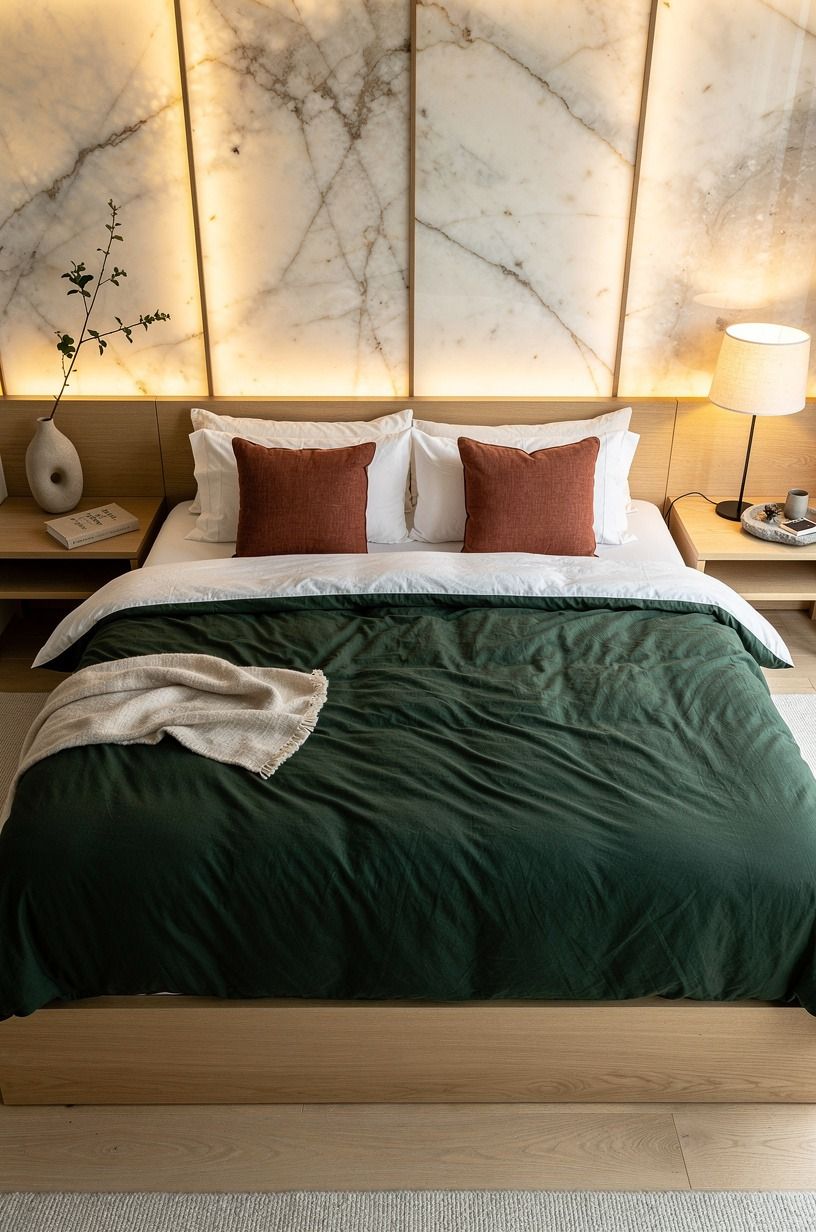
My first real layer was Organic Cotton Sheets, and this was the purchase that changed the nightly experience fastest. I wanted that dry, cool hand-feel you get in a good hotel, not fabric that traps warmth and makes you kick the covers off at 2 a.m.
I washed them before making the bed. Twice, because I’m picky about that slightly softened finish.
But I wasn’t sure the natural, lightly rumpled look would feel polished enough. For two weeks, I kept tugging the top sheet tighter each morning.
Then I stopped. The relaxed fold at the foot of the bed made the whole room feel more lived-in, and I think perfectly pressed bedding can look a little nervous in a real home.
Soft cotton. A crease or two. Fine.
I gave the comforter room to breathe
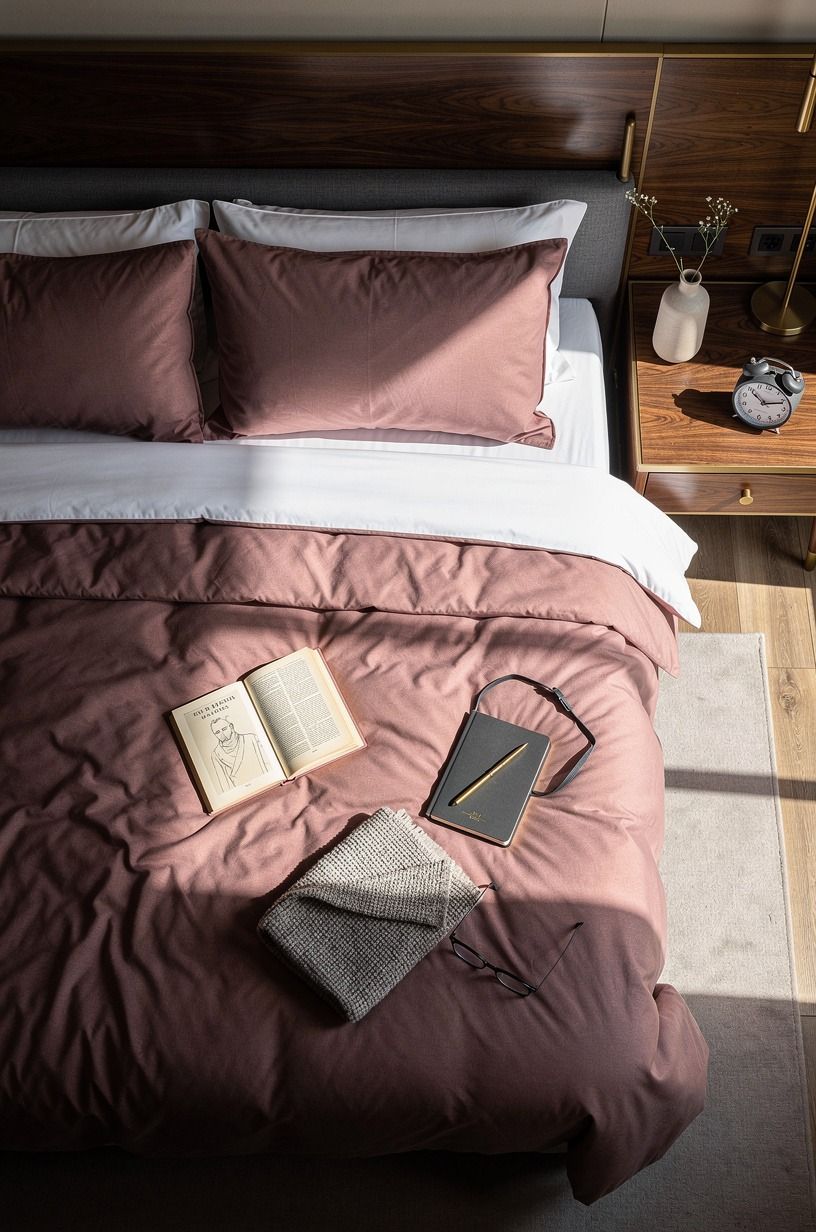
The second layer was a Down Alternative Comforter, inside a simple cotton cover, with enough drape to fall over both sides of the mattress instead of sitting like a stiff rectangle on top.
I folded it back by hand rather than making a sharp hotel corner. That’s my preference. I’d rather see a generous, inviting mound of bedding than a bed that looks like nobody is allowed to touch it.
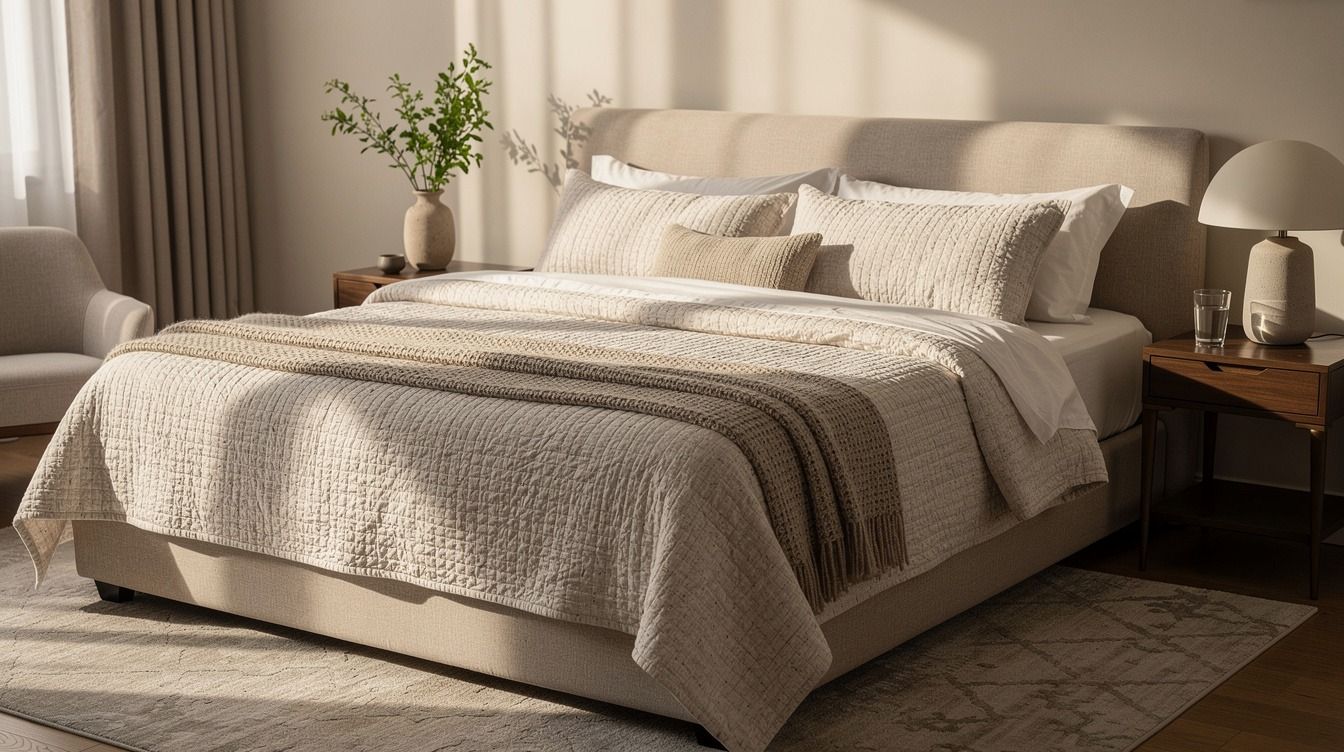
And this is where the five layers started making sense: mattress, fitted sheet, top sheet, comforter, then the final textured cover at the bottom. You don’t need seven blankets. You need contrast you can feel.
I kept the wall behind the bed in Benjamin Moore White Dove OC-17, which made the cotton look warm instead of blue. I’d choose that over a cool gray every time for a bedroom, especially if your morning light is thin and flat.


The Piece My Whole Bedroom Is Built Around
Natural materials, a 365-night home trial, free white glove delivery. Decide in your own room, not a showroom.
I stopped overbuying pillows
The pillow situation used to be embarrassing. Too many shapes, no support, and one silk case I never liked but somehow kept.
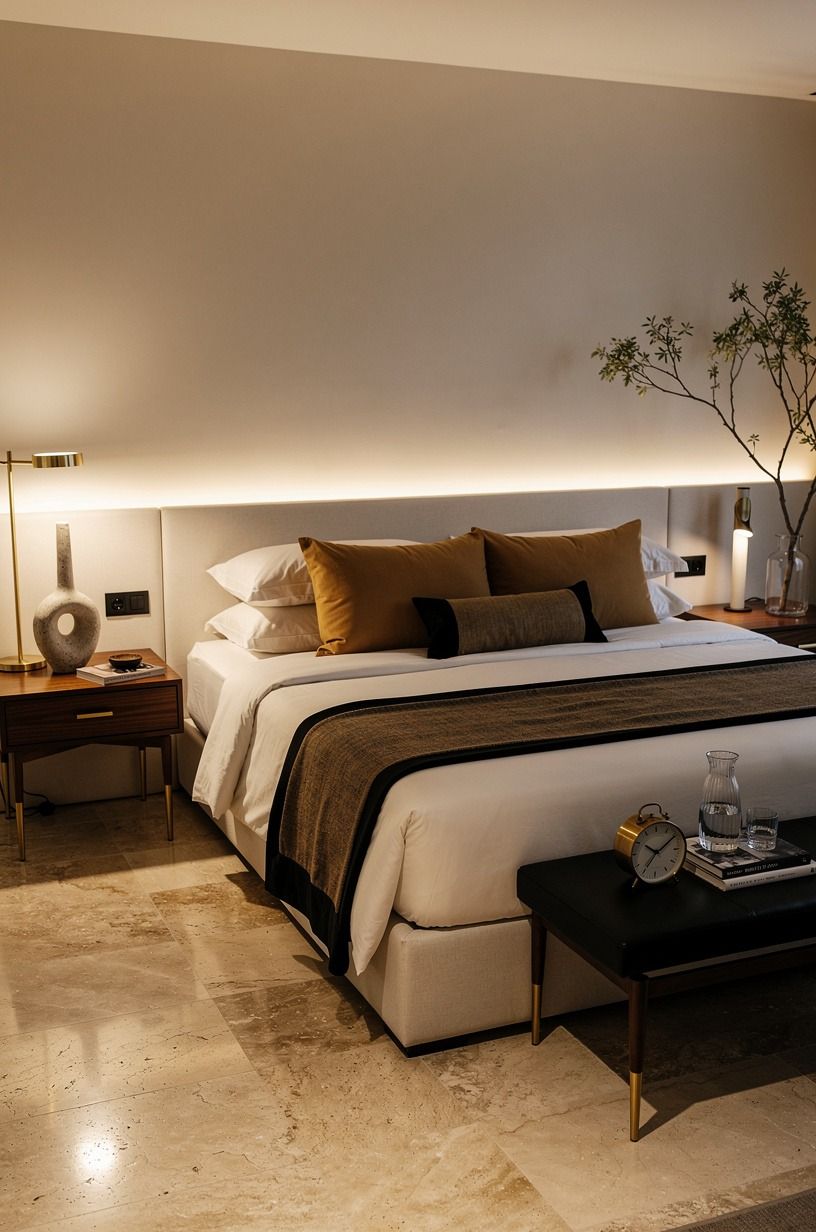
I pared it back to sleeping pillows plus an Organic Quilted Pillow in front, which added a little structure without creating a decorative barricade. I like a bed you can climb into without doing math.
But here’s my reservation: the quilted texture is subtle. If you want a dramatic, magazine-style headboard moment, it won’t give you that by itself. I had to let the small details do the work, including a narrow oak bench and a low amber lamp on each side.
My own rule is three light sources in a bedroom: overhead, task, ambient. The lamps mattered more than another blanket ever could. For more of that soft evening effect, I borrowed a few ideas from this piece on how to get the hotel bed look with organic cotton.
I added the fifth layer only at the foot
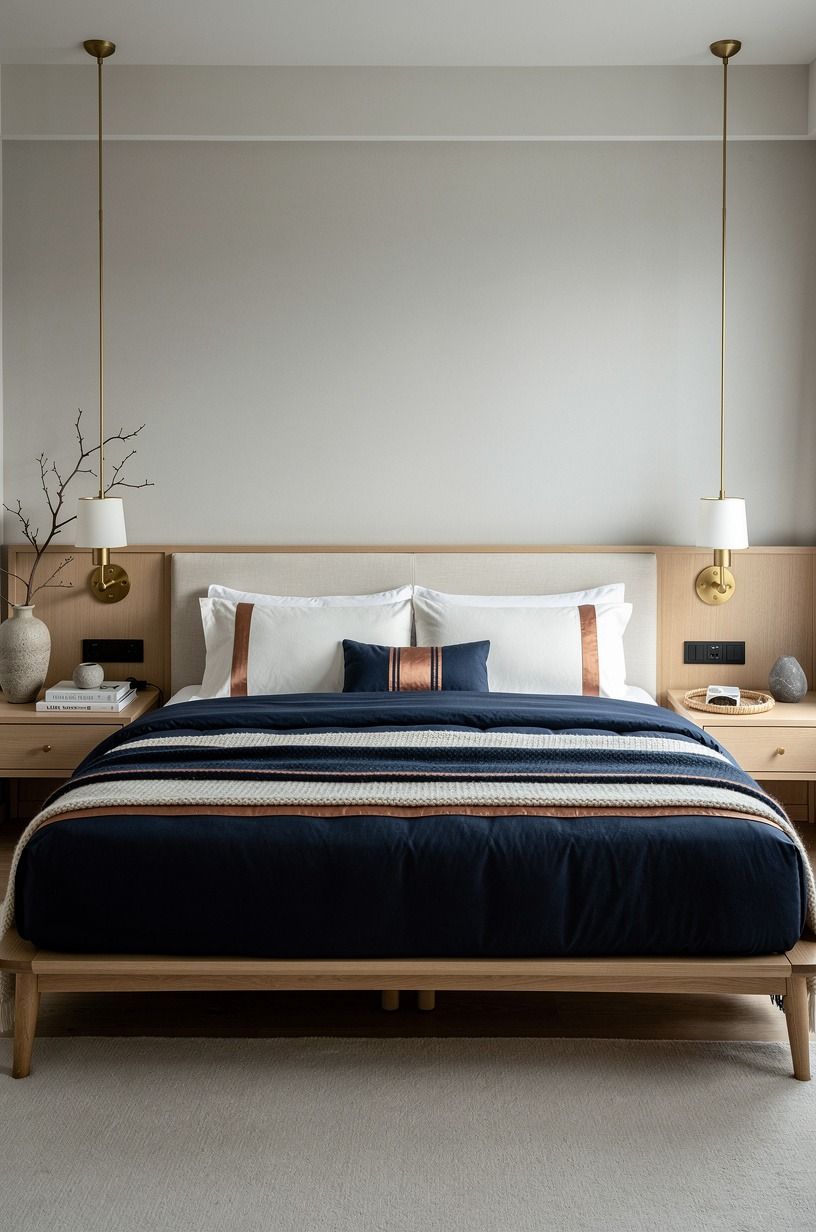
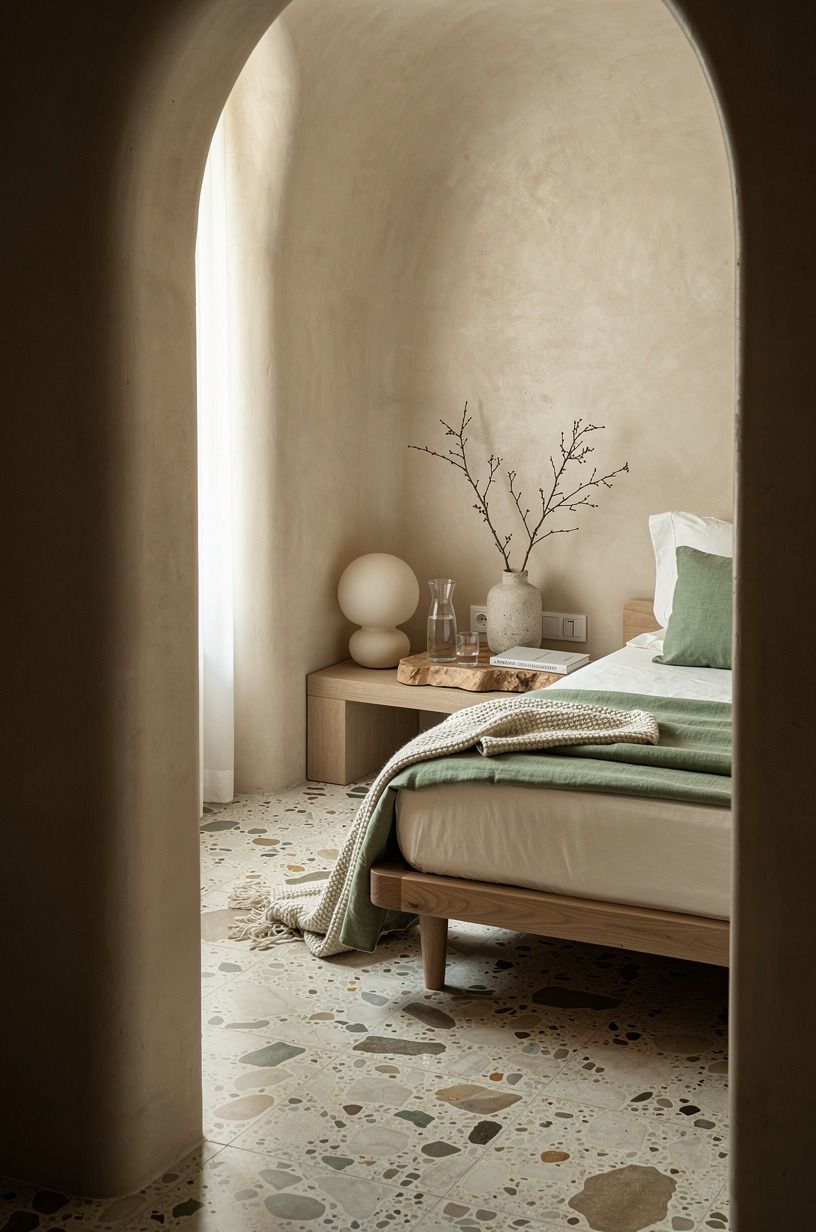
The final layer was a loose woven blanket, folded across the lower third of the bed. Not tucked.
Not arranged into a perfect stripe. I wanted something I could pull up during an early fall morning without undoing the whole setup.
I went back and forth on color. Cream felt safe, but too much cream can make a bedroom look like a waiting room. I chose a muted oat tone with a little natural variation instead, and it softened the white bedding without making the room dark.
And yes, I leave it slightly crooked sometimes. That’s the point.
If your mattress is too plush or too rigid beneath all these layers, I’d solve that first instead of buying more bedding. This explanation of how to make a hotel bed firmer is useful if you’re trying to figure out what feeling you’re chasing.
What I’d do differently next time
I’d buy fewer pieces at the beginning. I got impatient and brought home two extra pillow shams that never earned their place. They were fine, just unnecessary.
I’d also spend more time touching fabrics in person. Natural materials aren’t automatically comfortable, and I don’t think rough linen earns points simply because it’s linen. My favorite layer is the one that feels gentle against my hands after a long day, not the one with the most impressive label.
The finished bed isn’t a replica of a hotel room. I don’t want that. It’s warmer, quieter, and a little imperfect, which is exactly why I sleep better in it.
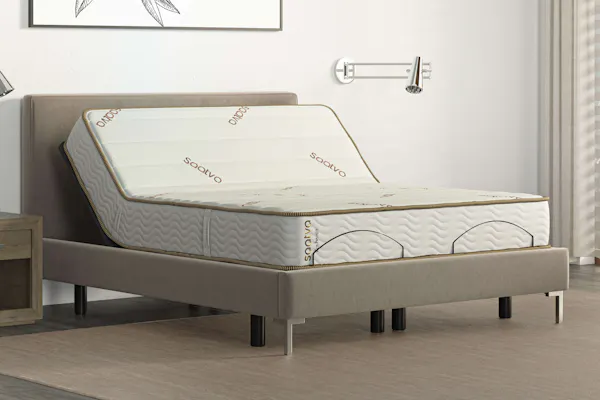 My pick for a healthier bedroomZenhavenTalalay latex, organic cotton, 365-night trial, lifetime warranty, free white glove delivery.See the Zenhaven
Build Your Own Healthier Bedroom
Sale pricing runs on orders over $1,000, and the 365-night trial gives you a full year of nights to be sure.
Where I’d start first
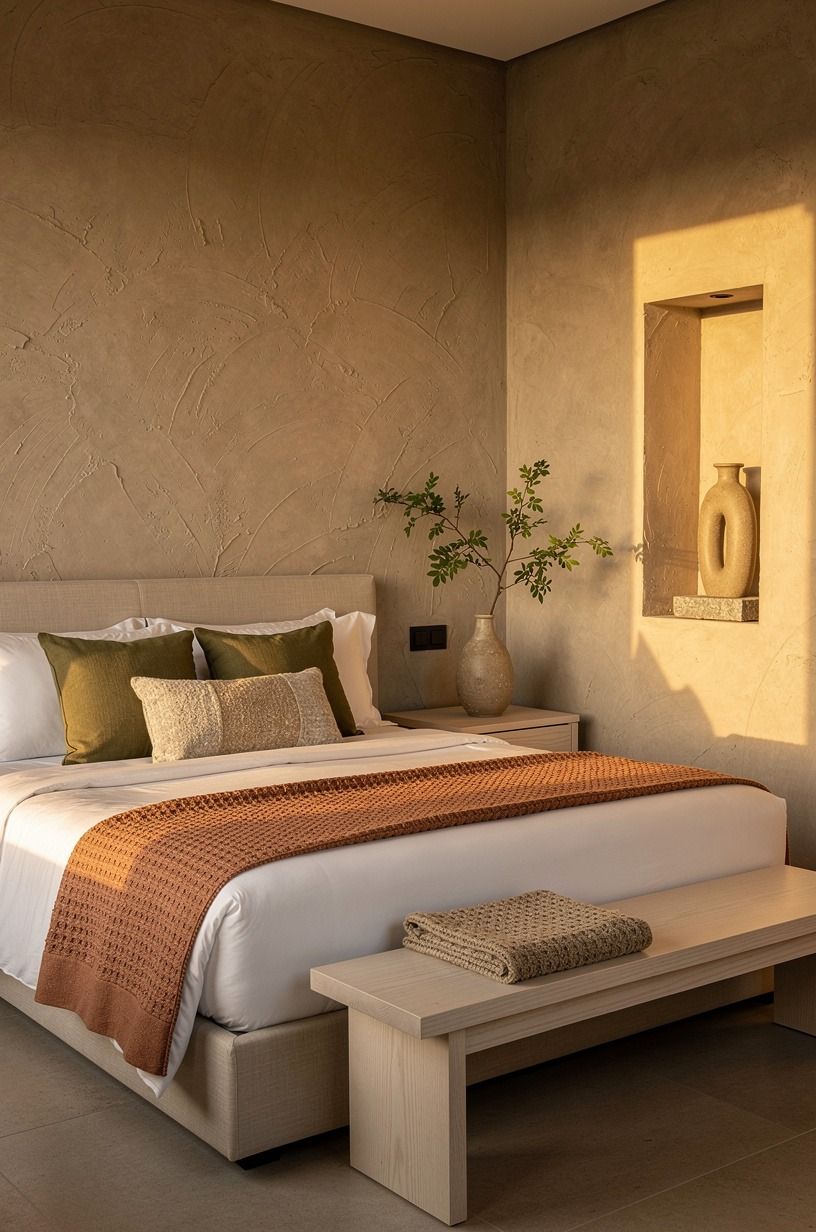
If I had to pick one, I’d start with the sheets. You can’t layer warmth over fabric that makes you want to get out of bed. Start there.
Tonight, the oat blanket is folded low, and the lamp throws a small pool of light across the wrinkled cotton.