 by
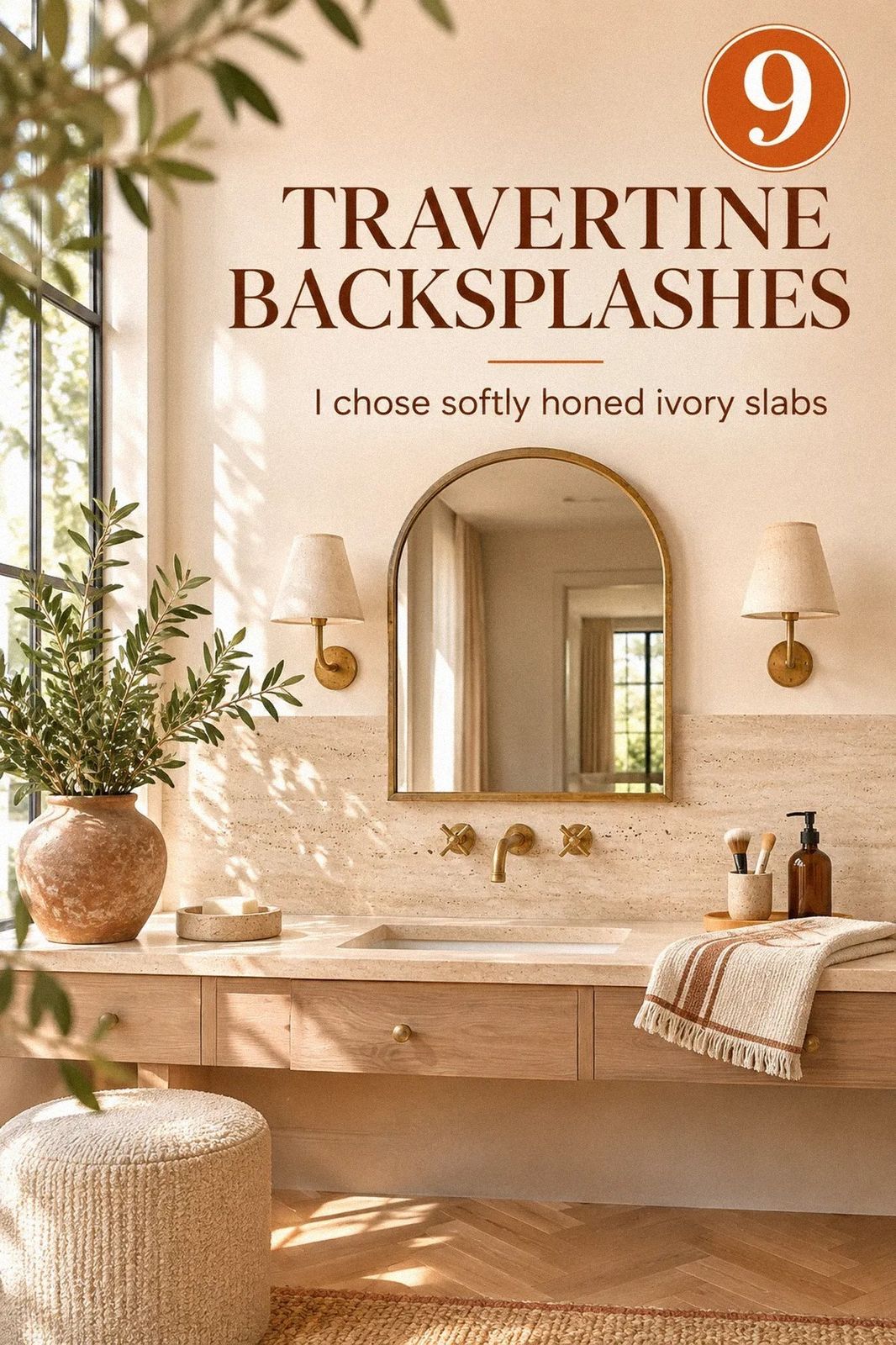
*Travertine backsplash ideas can add warmth behind a vanity without turning a small bathroom into a full renovation. I learned that after staring at my cold white wall every morning, usually before coffee, with a chipped mirror reflecting the worst possible lighting.
The change started as a small weekend decision. It became a lesson in choosing one material carefully, then letting everything around it stay quiet.
Dust everywhere. Still, the finished wall made the bathroom feel earthy, calm, and far more inviting.
Why I Finally Changed the Cold Wall
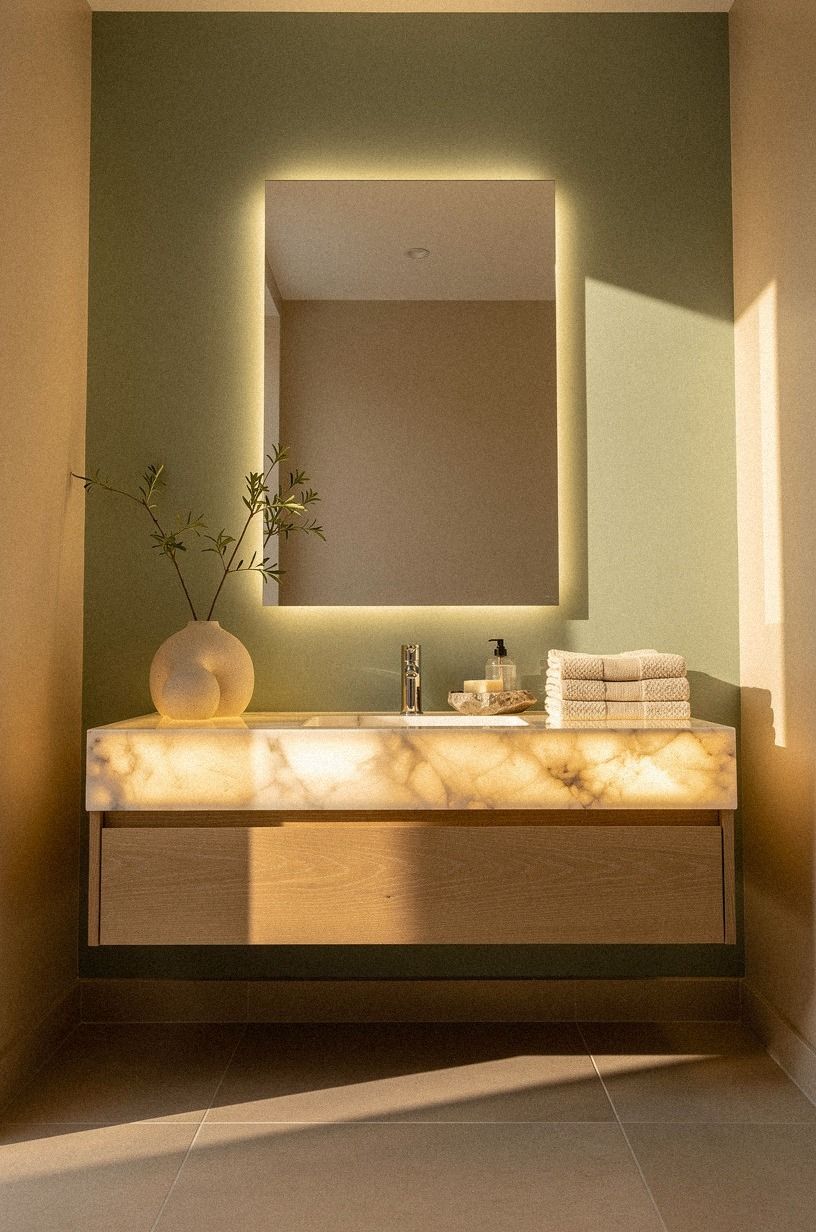
The bathroom had the full builder-basic setup: glossy white paint, a narrow vanity, chrome hardware, and a wall that felt more like a utility corner than part of my home. I kept adding soft towels and a little vase, but nothing fixed the hard glare around the sink.


I wasn't looking for a dramatic renovation. I wanted the vanity to feel anchored. My opinion was clear after saving eleven different images: travertine had more warmth than marble-look porcelain, and the irregular surface gave the room some life without making it busy.
And I needed the project to stay contained. The shower tile was fine, the plumbing worked, and I didn't want a renovation that would swallow every Saturday. A backsplash felt like the right boundary.
Here's What It Looked Like Before
The before photo says most of it. The vanity sat against a blank wall with a small mirror above it, and the overhead bulb cast a sharp yellow patch across the sink. The counter collected toothpaste, hair ties, and the occasional loose earring.
I had painted the room years earlier in a pale neutral that looked harmless on a sample card but flat beside the cool tile. The wall was clean. It just had no texture, no weight, and no reason to draw the eye.
But I didn't want a dark bathroom. I wanted a warm backdrop that would still let the room breathe. That ruled out a heavily veined stone and pushed me toward honed travertine with soft cream, sand, and muted brown movement.
I Chose a Honed Travertine Wall Tile
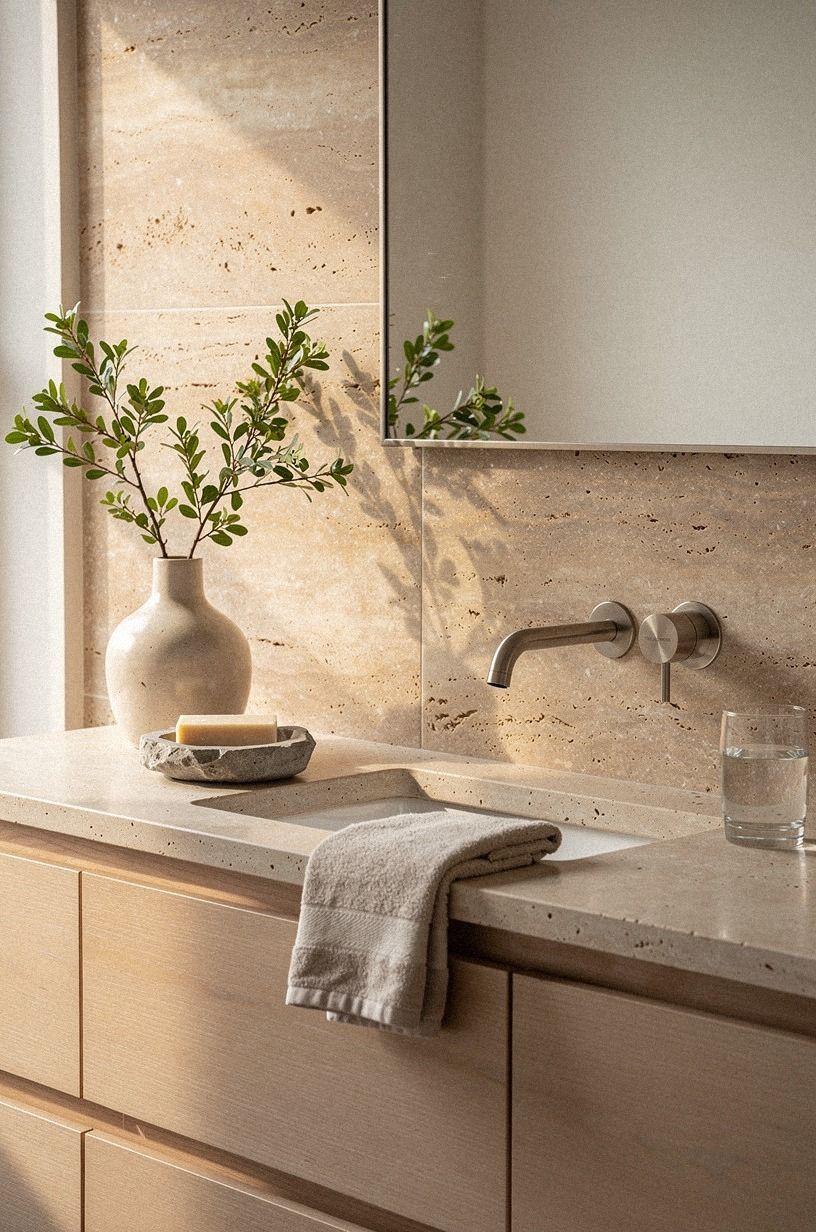
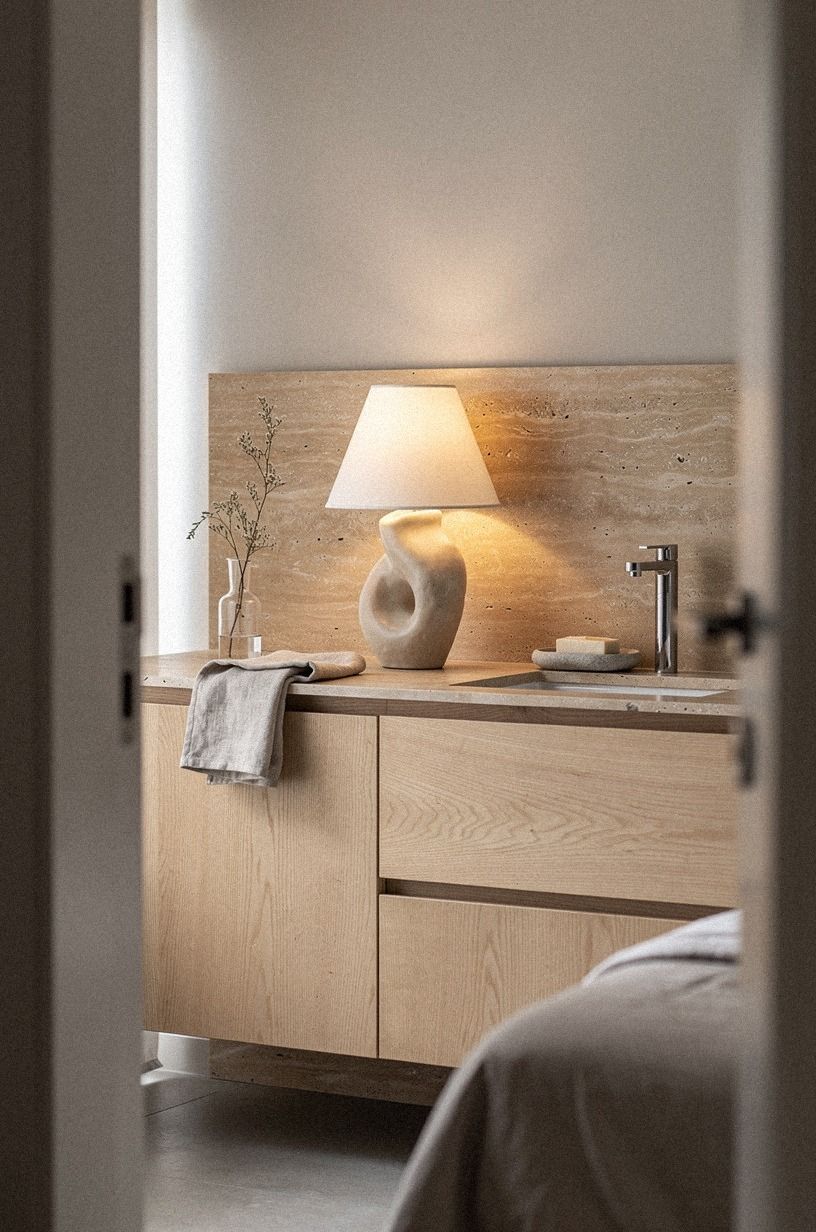
I chose a small-format honed travertine tile rather than a polished slab because the surface felt more natural under my fingers. It had tiny pits and uneven color, which made it look gathered over time instead of printed in a factory pattern.
My favorite part was the way the stone changed during the day. Morning light made it look pale and sandy. By evening, the same wall picked up a deeper caramel tone from the lamp near the door.
That shift was the whole reason I skipped bright white subway tile.
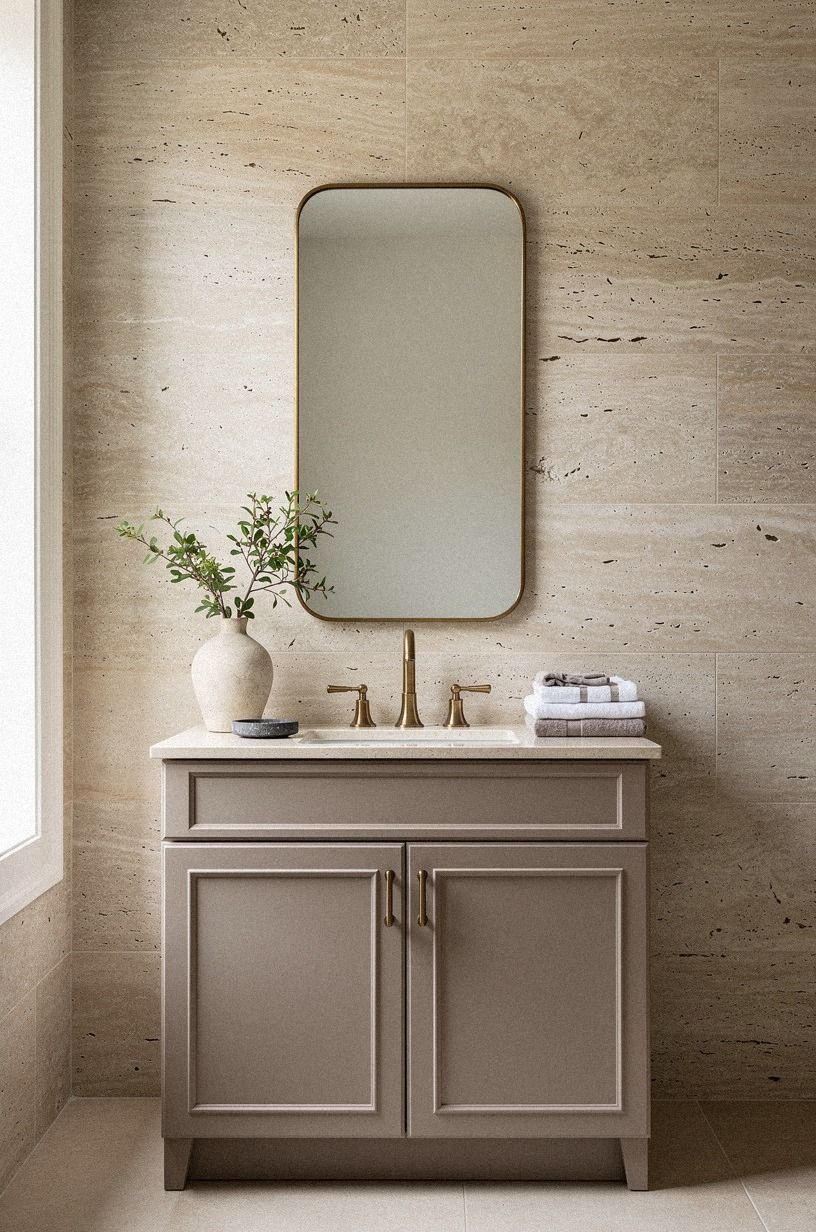
I used the travertine bathroom tile layout ideas as a reference before committing to the pattern. I wanted narrow grout lines, but not so narrow that the individual pieces disappeared.
And I kept the tile area tight, stopping at the underside of the mirror rather than covering the entire wall. That decision saved visual space. It also meant the stone looked intentional instead of like a rushed attempt to hide a bad paint job.
I Let the Vanity Set the Scale
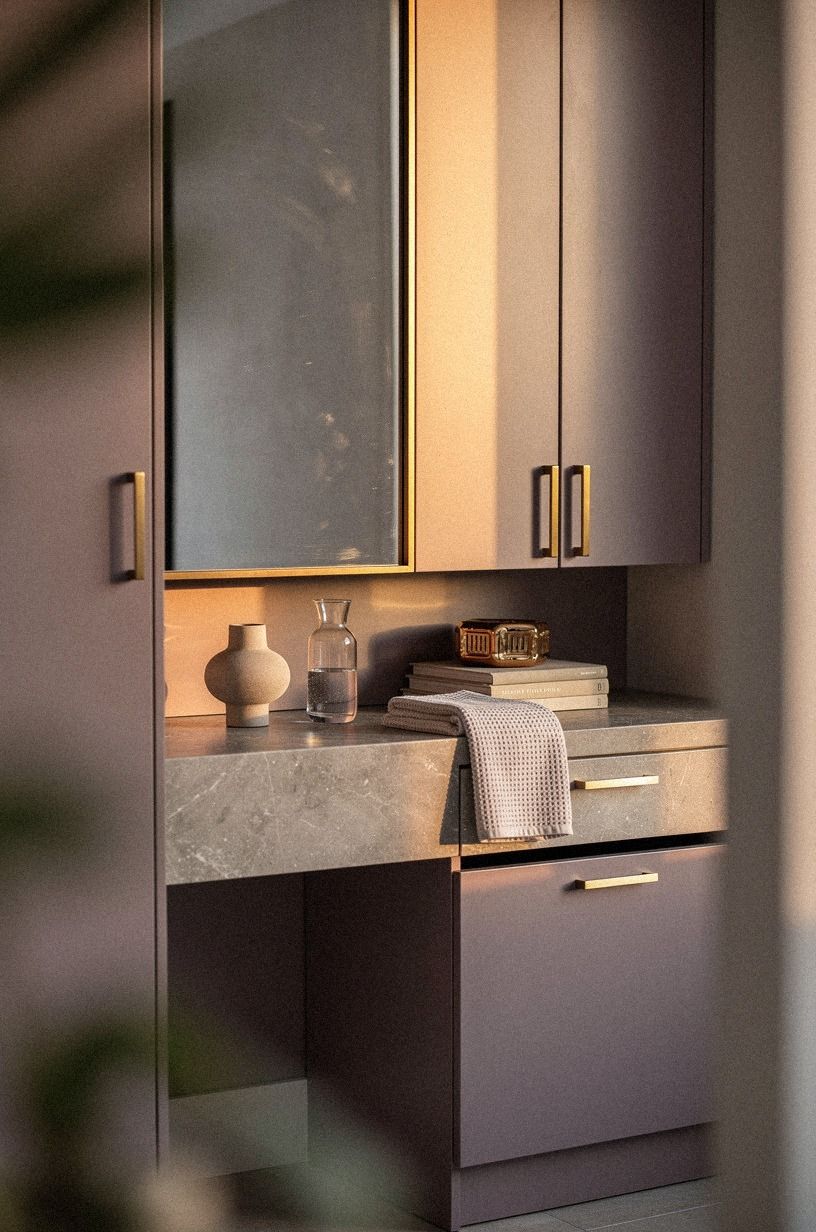
The vanity was only a modest width, so I didn't want oversized pieces fighting it. I measured from the counter to the mirror, checked the outlet position twice, and left enough room around the faucet for cleaning.
The standard vanity height range is 32 to 36 inches, and mine sat comfortably within that range. That mattered because the backsplash needed to support the proportions, not make the sink feel boxed in.
I kept the existing cabinet and changed only the hardware to a muted aged finish. My opinion is that a small bathroom usually needs fewer competing finishes, not more. The travertine already had movement, so I skipped patterned knobs and shiny chrome.
The counter now looked better with simple details: a folded towel, a low ceramic cup, and one amber glass bottle. Nothing tall. Nothing fussy.
The Piece My Whole Bedroom Is Built Around
Natural materials, a 365-night home trial, free white glove delivery. Decide in your own room, not a showroom.
I Made the Bedroom Part of the Decision
The vanity belonged to my small en-suite, and the project happened during a stretch when my sleep was already messy. I was waking at 3 a.m., noticing every unfinished detail, then making another renovation decision before sunrise.
I started by replacing the old mattress with Zenhaven, because I wanted the bedroom to feel less improvised while the bathroom was being pulled apart. It wasn't a medical fix, and I wouldn't promise that result to anyone else, but I slept more comfortably on it.
Then I changed the bedding to Organic Cotton Sheets, which felt crisp without making the room look stark. A week later, I added an Organic Quilted Pillow because my old pillow had lost its shape. Small changes, but I noticed them every night.
And I put an Organic Mattress Pad under the sheets after the first warm week. I wasn't sure it was necessary. I ended up liking the slightly softer feel, although I regret waiting until after the tile dust had already reached the bedroom.
The connected rooms began to feel calmer together. The warm stone in the bathroom and the quieter bedding in the bedroom made the whole morning routine less jarring.
I Installed the Stone Slowly
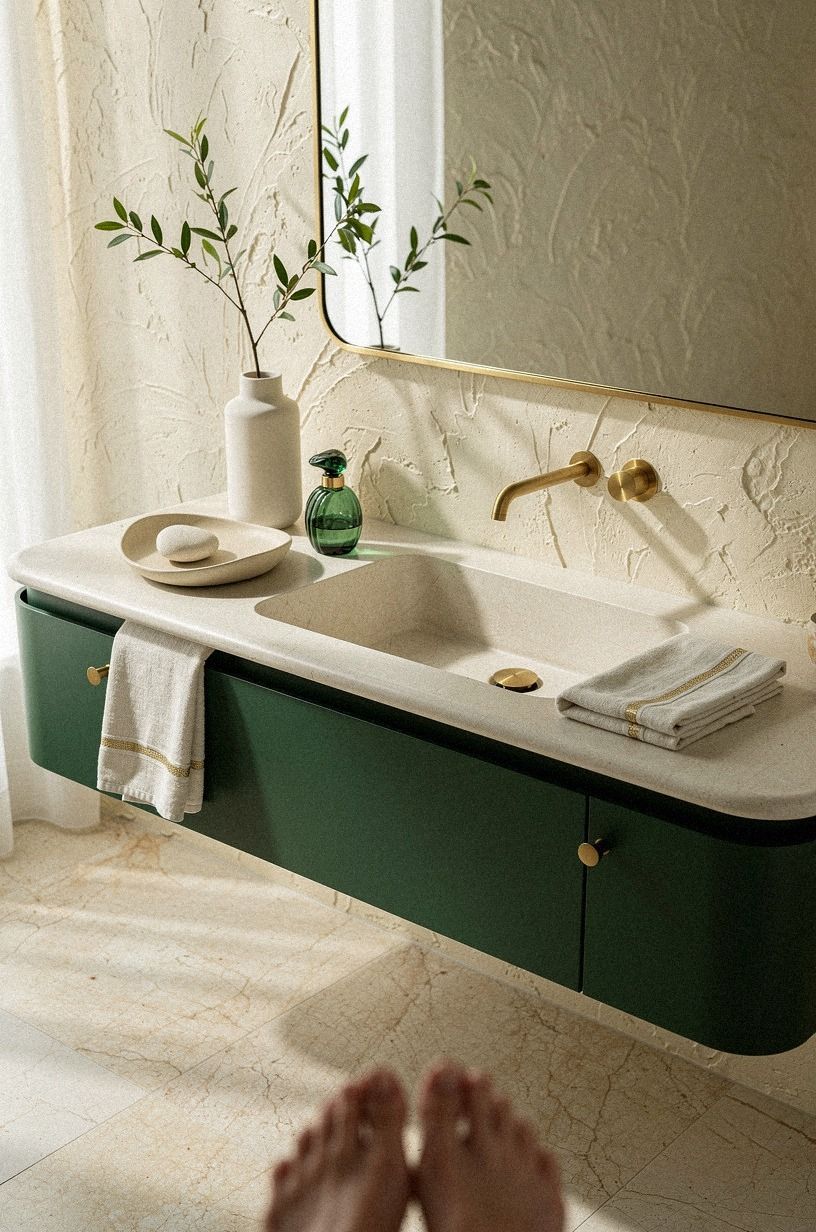
I planned to finish the backsplash in one day. That was optimistic.
The first row took the longest because the counter wasn't perfectly level, and every small adjustment changed the line above it. I dry-laid the pieces first, marked the centerline, and kept the most interesting color variation near the middle of the vanity.
But I nearly made the mistake of placing the darkest pieces in one cluster. From across the room, that area looked heavy. I spread them out instead, and the wall immediately felt more balanced.
I used warm grout rather than stark white. That choice was non-negotiable for me. White grout would have outlined every irregular edge and made the travertine look busier than it was.
After sealing, I waited before styling the counter. The stone needed time to settle visually. A little patience helped, though patience is not my strongest renovation skill.
For another reference, I looked at these travertine bathroom vanity ideas for a luxe stone look and paid attention to how little decoration those rooms needed. The stone did enough work by itself.
I Kept the Paint Soft and Warm
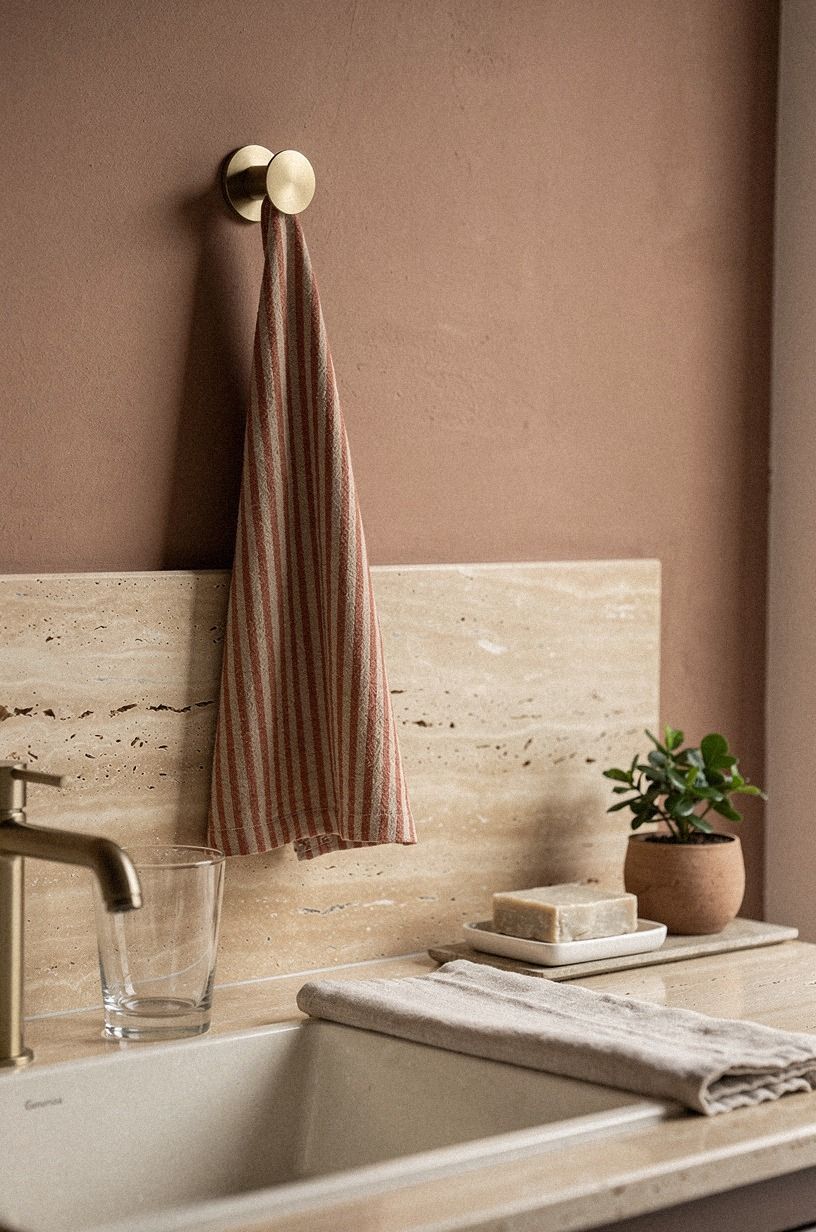
The original wall color had a gray undertone that made the travertine look dull. I tested Benjamin Moore Chestertown Buff HC-9 on the surrounding wall and liked the way it pulled out the warmer flecks without making the bathroom yellow.
I also tested Sherwin-Williams Sea Salt SW 6204, but I rejected it for this room. The green-gray undertone looked lovely beside the white tile, yet it made my travertine appear pinker than I wanted.
That was the moment I understood that paint samples need to be viewed beside the actual stone, not alone on a wall. I kept the softer buff shade and used it only outside the tiled area.
And I added one small framed print near the door, not above the vanity. The mirror already had enough presence. I thought a second focal point would make the room feel crowded.
The result was gentle and earthy. Not dramatic. Better than dramatic.
What I’d Change If I Started Again
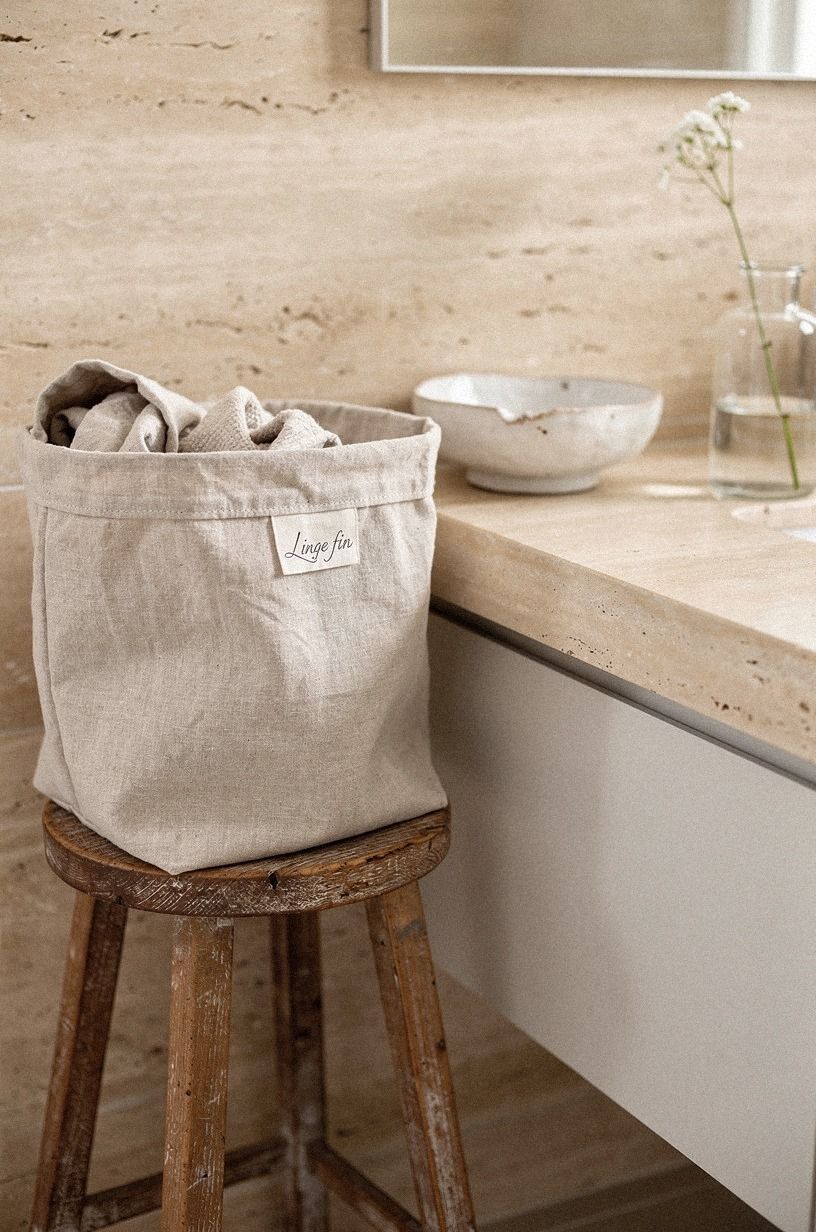
I would order extra tile. My first layout plan looked simple, but the cuts around the outlet and vanity edge used more pieces than expected. I also would have sealed the wall sooner after installation, because the unsealed surface picked up a faint mark near the faucet.
I wasn't sure the natural pits would be practical. They do collect a little dust, and the surface needs a softer cloth than the glossy tile I had before.
That is my real reservation. If you want a completely low-maintenance wall, polished porcelain will be easier.
But I still prefer the travertine. The uneven texture hides tiny splashes, and the color keeps the bathroom from feeling sterile.
I would skip a busy mosaic next time, though. The small room needed the quieter pattern.
For a larger connected bathroom, I might repeat the stone in the shower or floor. In this space, I stopped at the vanity. The travertine shower ideas for an earthy, textured look helped me see why keeping one stone zone was the smarter choice.
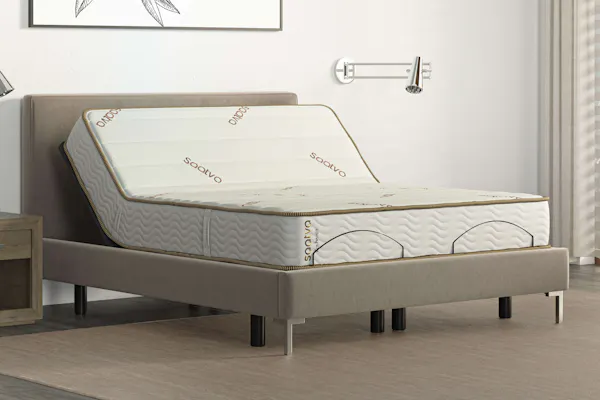 My pick for a healthier bedroomZenhavenTalalay latex, organic cotton, 365-night trial, lifetime warranty, free white glove delivery.See the Zenhaven
Build Your Own Healthier Bedroom
Sale pricing runs on orders over $1,000, and the 365-night trial gives you a full year of nights to be sure.
The Bathroom Now
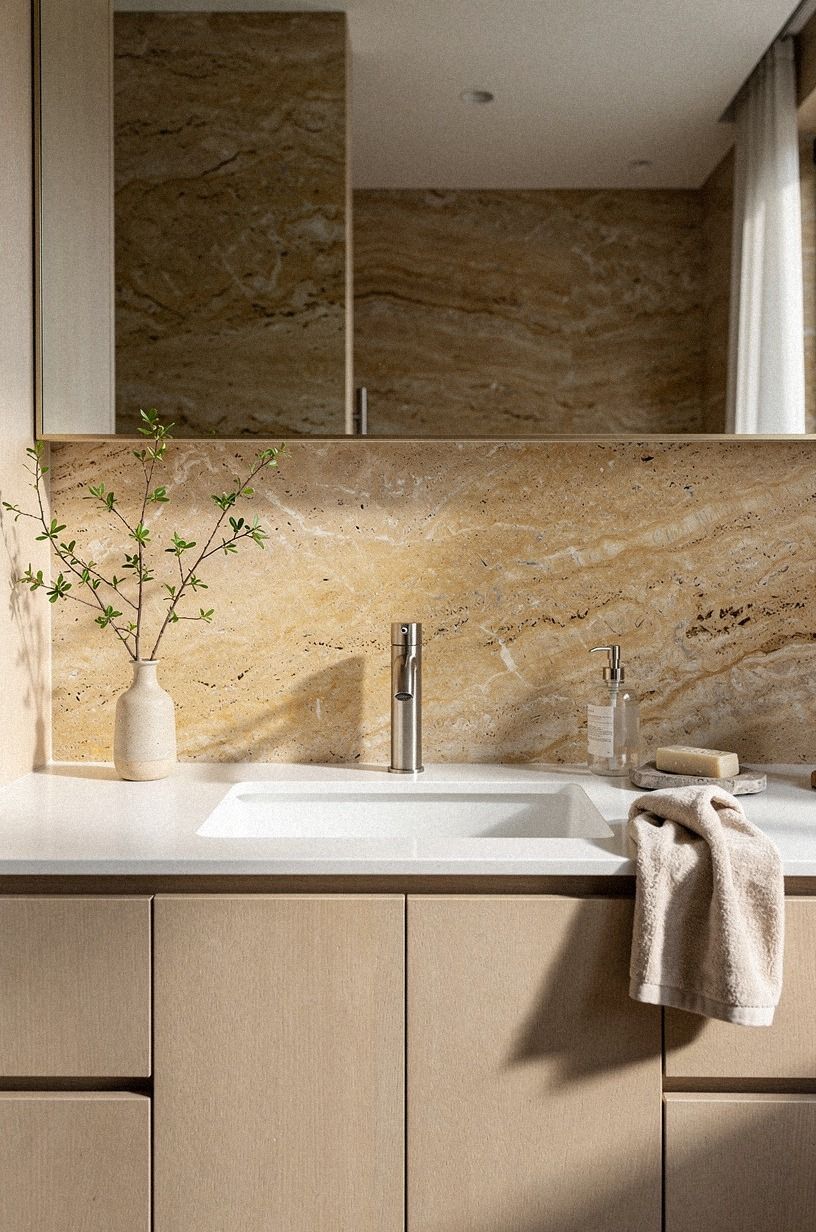
The bathroom feels warmer before I turn on the light. The honed stone catches a soft stripe of morning sun, the mirror no longer floats against a blank wall, and the vanity counter stays mostly clear.
If I had to choose one change, I'd start with the backsplash because it gave the room texture without forcing a full renovation. My only regret is waiting so long to test the stone beside the paint. Now, the last thing I see before leaving is the small caramel-colored tile beside the faucet.
{ "meta_title": "Travertine Backsplash Ideas for a Warmer Vanity",