
 by
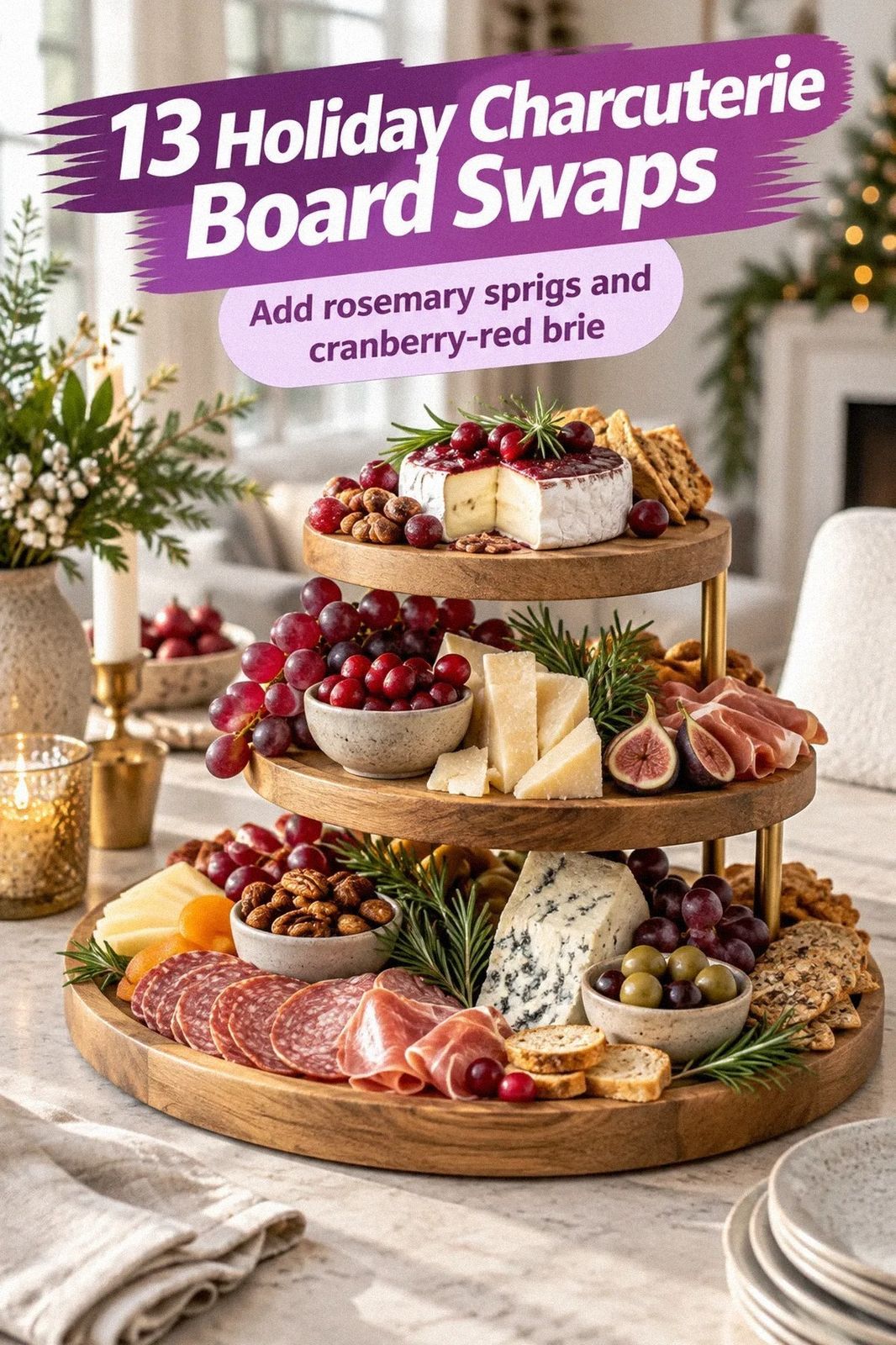
by Holiday charcuterie board ideas for a crowd can feed a party without turning your kitchen into a serving line. I used to pile everything flat, and guests couldn't reach the good stuff. Now I build height, color, and clear paths so your board feels warm, generous, and easy to graze. You'll see the difference fast!
- Layer the Three-Height Board for Holiday Charcuterie
- Build the Two-Wood Rule Into a Rustic Party Board
- Frame Christmas Charcuterie With a Wreath of Fruit
- Stack the Three-Height Light Arrangement
- Let the Grazing Arc Guide Your Holiday Appetizers
- What Makes a Party Board Feel Abundant?
- Anchor the Board With a Holiday Cheese Center
- Mix Sweet Over Extra Meat for a Brighter Board
- Arrange a Small-Space Holiday Charcuterie Ladder
- Use the Four-Corner Party Board
- Serve a Warm Wood and White Cheese Palette
- Turn One Board Into a Full Holiday Appetizer Bar
- Pair Christmas Charcuterie With a Personal Detail
1Layer the Three-Height Board for Holiday Charcuterie
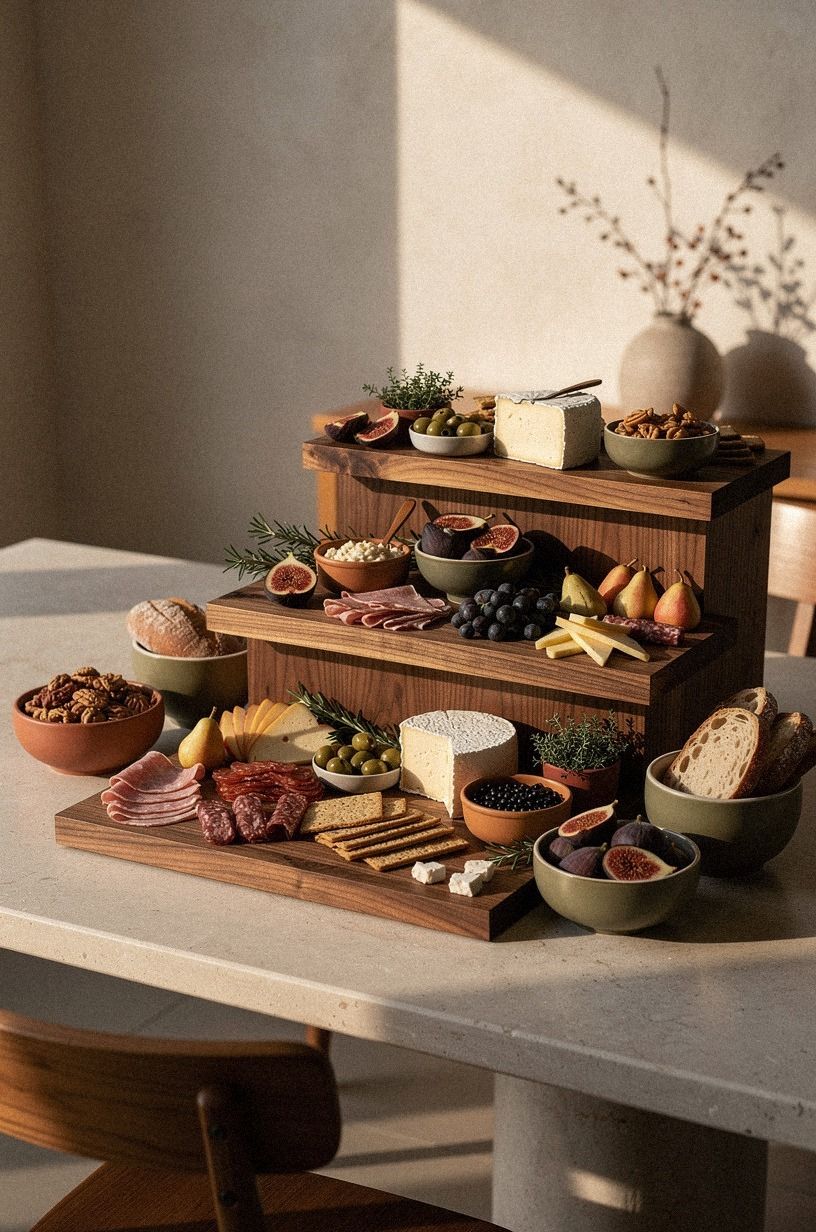
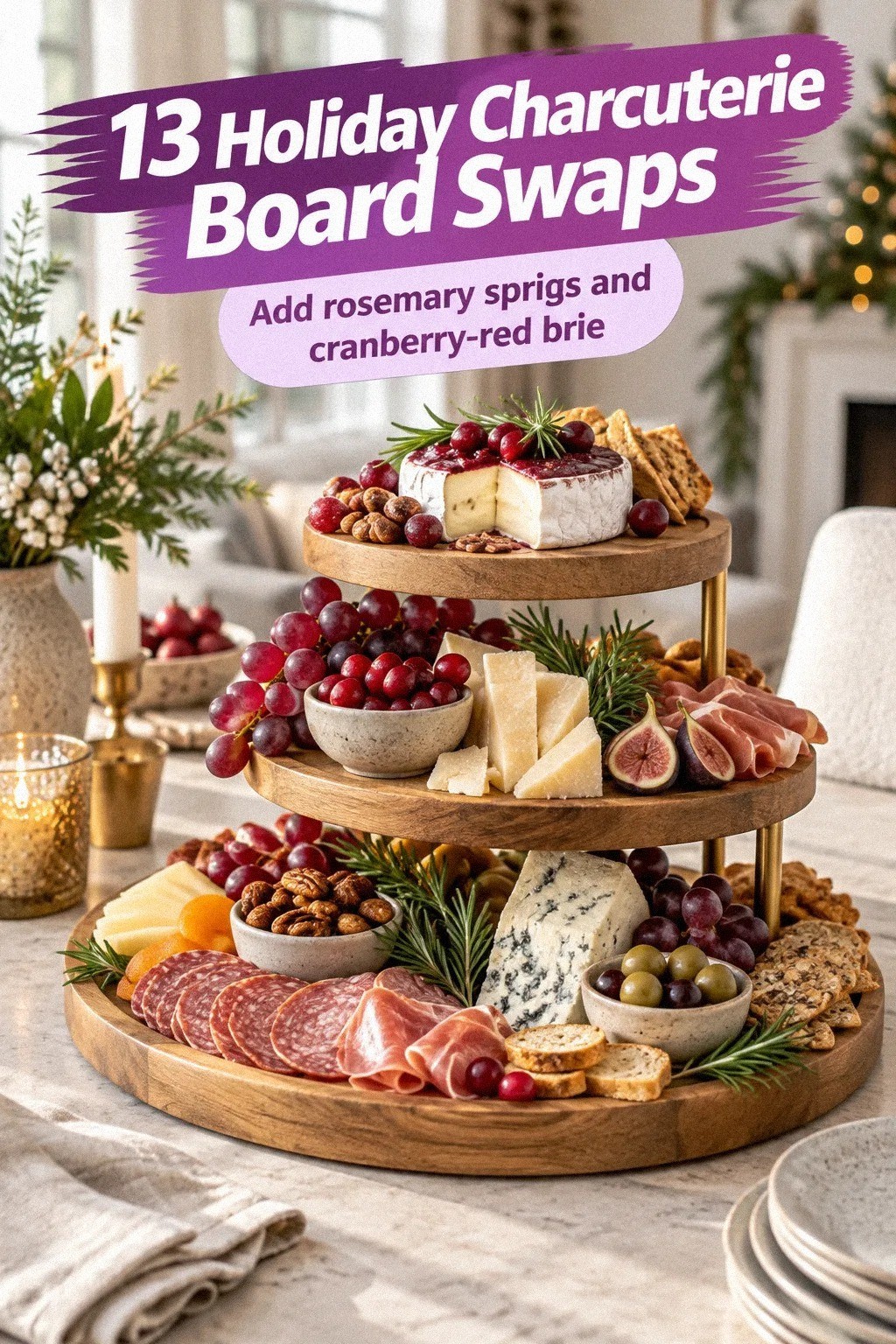
Start with three levels: one low board, one raised bowl, and one small pedestal. Your guests won't have to hover over the centerpiece, and you'll fit more food without making the spread look crowded. I like a book-matched walnut serving board because its grain adds a refined rustic note beside pale cheese and red fruit.
Put firm foods at the lowest level. Add crackers and sliced meat around the middle.
Then give your eye one tall point, such as a bowl of olives or a stack of breadsticks. You'll want the tallest piece near the back, so your board still reads clearly from across the room.
Low level: sliced cheddar, salami folds, grapes. Middle level: ceramic bowl, crackers, dried apricots. High level: breadsticks, rosemary stems, pomegranate halves.
The board should feel inviting and relaxed. If you're serving in a small dining area, borrow ideas from these renter-friendly holiday tablescape ideas, especially the use of vertical pieces. A short board with height will feed more people than a wide, flat one.
For a tight budget, use a cake stand, an upside-down bowl, or a sturdy mug beneath a small plate. Guests will see the layers immediately, and the arrangement will feel surprisingly elegant.
2Build the Two-Wood Rule Into a Rustic Party Board
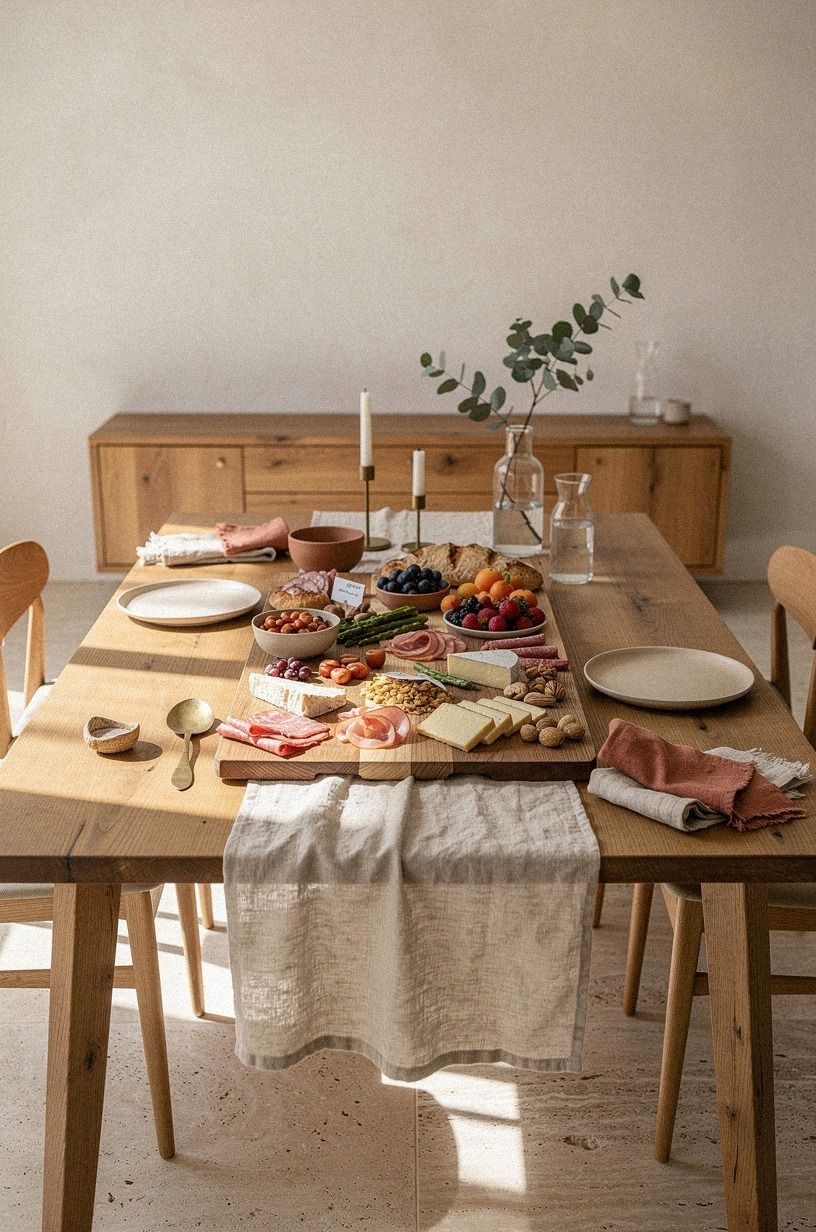
Two surface tones give your holiday appetizers a gathered look. Choose one main serving surface in warm travertine and add a smaller tray in pale beech or maple. You don't need a matching set, and I wouldn't buy one if your kitchen already has serving pieces with different finishes.
Keep the travertine under the meat and cheese. Let the lighter tray hold fruit, crackers, or a soft spread.
Your eye will separate the foods naturally, while the contrast makes the whole arrangement feel sophisticated. Far too many boards look dull because every surface is the same beige.
Try this arrangement when you're feeding eight or more guests:
Warm travertine: cheddar, blue cheese, salami. Pale beech: pears, figs, seeded crackers. Small aged-brass bowl: honey, mustard, or jam.
And don't polish every surface until it shines. A few visible grain marks make your setup feel lived-in and warm.
That contrast is gorgeous! If you're hosting in a rental, this outdoor kitchen guide for entertaining a crowd has useful traffic-flow ideas, even if your board stays indoors.
A mixed-surface setup is worth the small cost when it helps you use pieces you already own. Your guests need room to move, and a layered board can make a modest serving area feel abundant.
3Frame Christmas Charcuterie With a Wreath of Fruit
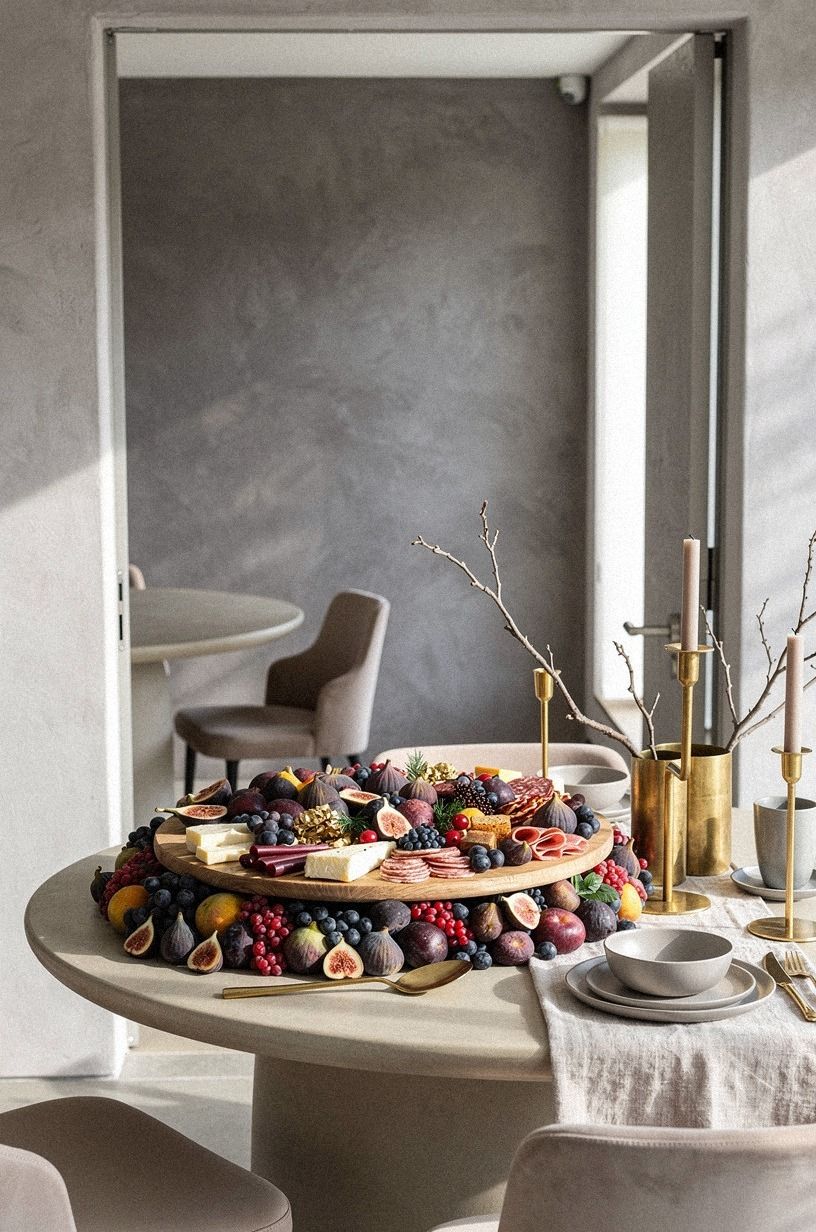
A ring of fruit gives your board a clear shape, and it keeps the center open for cheese and dips. Use green seedless grapes as the base, then add pear slices, cranberries, and a few pomegranate seeds. Your board will look abundant before you add a single meat rose.
I prefer fruit around the edge because guests can grab it without reaching over the savory foods. You can also refresh the outer ring halfway through the party while the cheese stays in place. That's useful if you're serving for several hours and don't want to rebuild the whole display.
For a balanced wreath, think in repeating colors:
Green: grapes, rosemary, cucumber slices. Red: cranberries, pomegranate, dried cherries. Gold: pear, honey, toasted nuts.
But skip delicate apple slices unless you'll brush them with lemon juice. They darken quickly, and the brown edges make your board look tired. If you're using an unlacquered brass platter developing a soft patina, the fruit will look especially bright and cheerful.
You can see another approach to holiday hosting in this guide to winter holiday travel sleep, which includes practical ways to make seasonal gatherings feel less hectic. The wreath works especially well when the rest of the table is simple, because its color becomes the lively focal point.
4Stack the Three-Height Light Arrangement
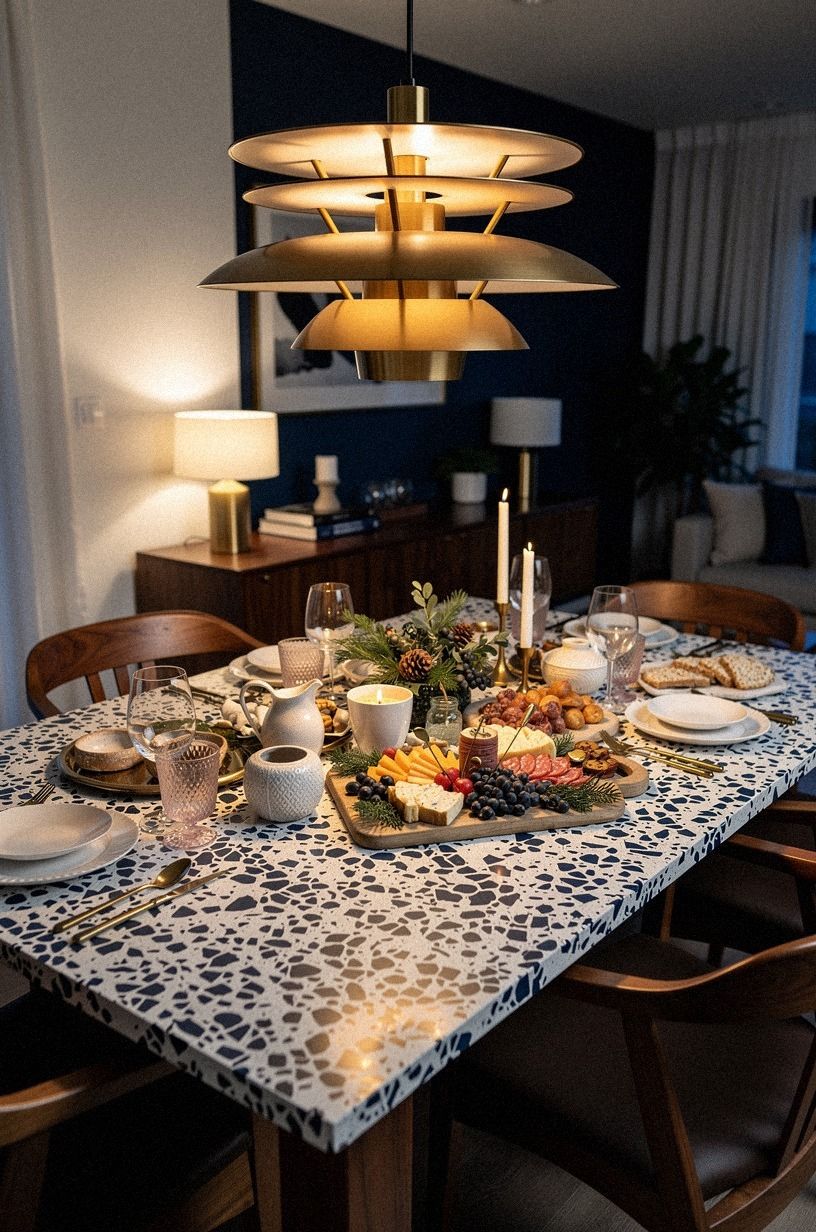
Your board needs light as much as it needs food.
5Let the Grazing Arc Guide Your Holiday Appetizers
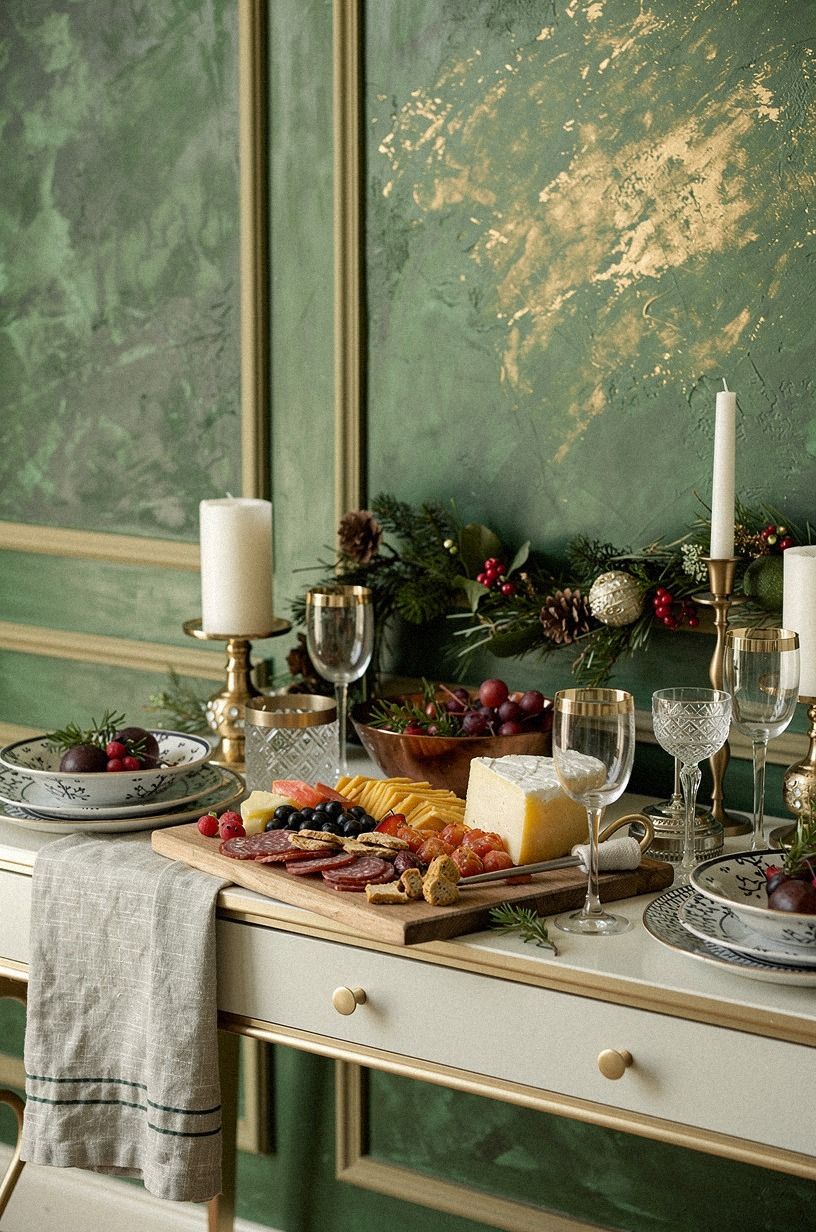
Arrange food in a shallow curve instead of a rigid grid. The grazing arc method leads your guests from crackers to cheese, then toward fruit and sweets. Your board will feel relaxed, and nobody will need to ask where the spread begins or ends.
Start with the largest pieces first. Place a wedge of cheese near one corner, add folded meat along the curve, and fill the empty spaces with small snacks. I like a hand-applied Venetian plaster backdrop nearby because it adds quiet texture without making the table feel formal.
The arc can be wide or tight depending on your board:
Wide curve: large rectangular board for twelve guests. Tight curve: round platter for four to six guests. Double arc: two connected trays for a long buffet.
What's the point of filling every inch if people can't reach anything? Leave narrow gaps between food groups so your guests can see the options. You'll get more compliments from a board that's easy to use than one that's packed like a grocery shelf.
Add a few ceramic ramekins for wet foods, and your crackers won't soften before dinner.
For a larger gathering, think about the serving path around the board. The traffic-flow principles in this outdoor kitchen entertaining guide translate beautifully to an indoor buffet.
6What Makes a Party Board Feel Abundant?
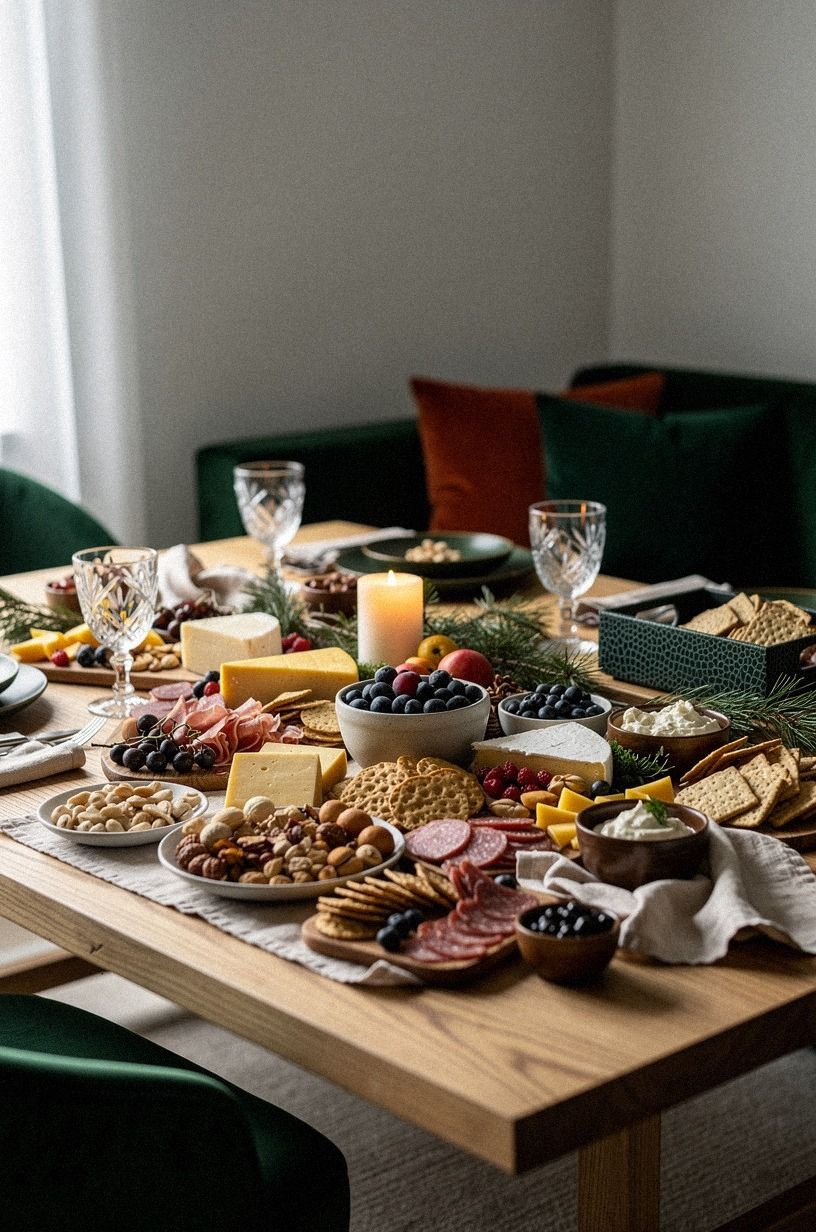
Abundance comes from repetition, not from buying twenty different foods.
7Anchor the Board With a Holiday Cheese Center
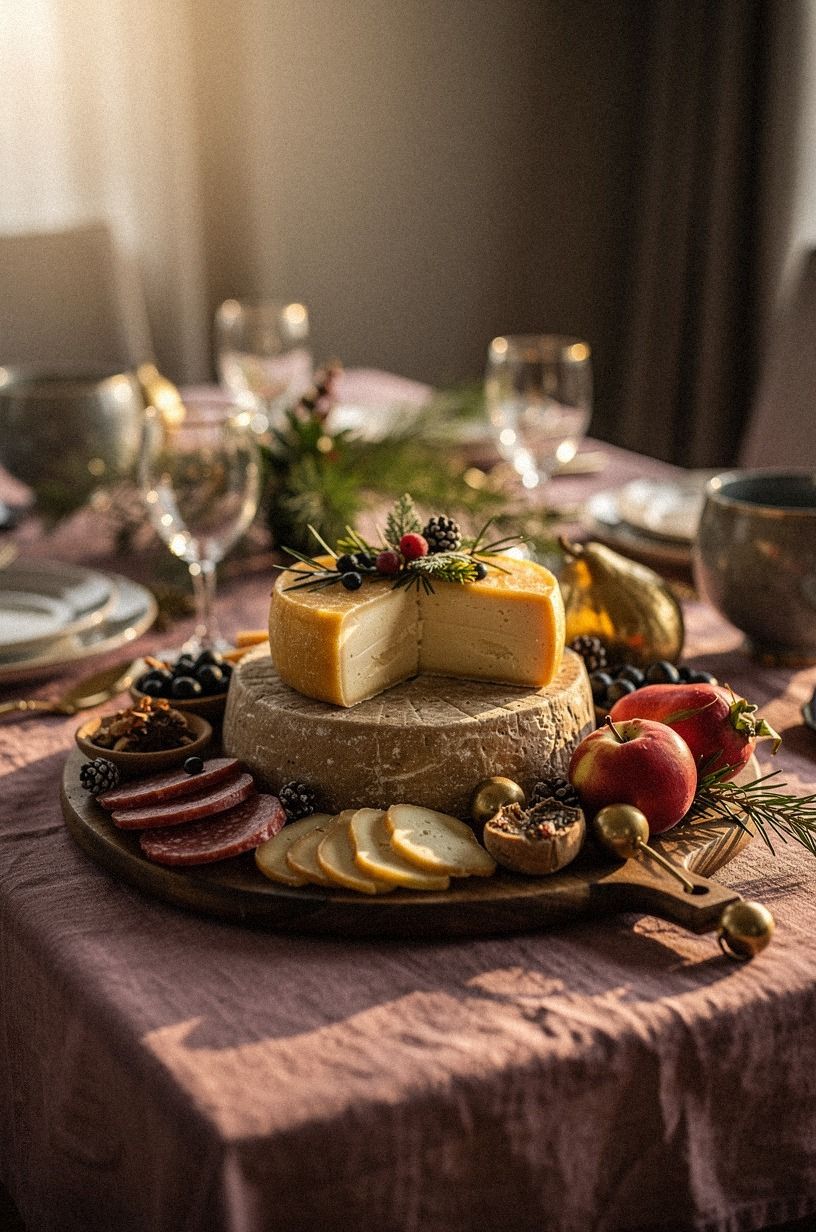
Choose one cheese as the center of gravity. A large wedge of aged manchego with a firm ivory paste gives your guests something recognizable, while its sharp flavor keeps the board from tasting flat. You'll want to cut a few pieces from the wedge and leave the rest intact so people understand what they're eating.
Set the center cheese slightly off-center. That small shift makes the board feel organic rather than staged. I don't recommend putting the biggest item dead in the middle, because it divides the tray and creates awkward reaching from both sides.
Build outward with foods that support the cheese:
Near the wedge: quince paste, honey, toasted almonds. Beside the rind: pear slices and seeded crackers. At the outer edge: folded prosciutto and dried cherries.
And label anything with a strong flavor. Your guests might love blue cheese, but they shouldn't have to guess which piece it is. Pair the board with a washed Belgian linen runner, and keep descriptions short, such as “nutty,” “creamy,” or “bold.” Those words help shy guests choose without turning your board into a tasting exam.
A few thoughtful labels can be a surprisingly valuable upgrade for a busy party. Guests serve themselves faster, and you won't spend the evening explaining every bowl.
8Mix Sweet Over Extra Meat for a Brighter Board
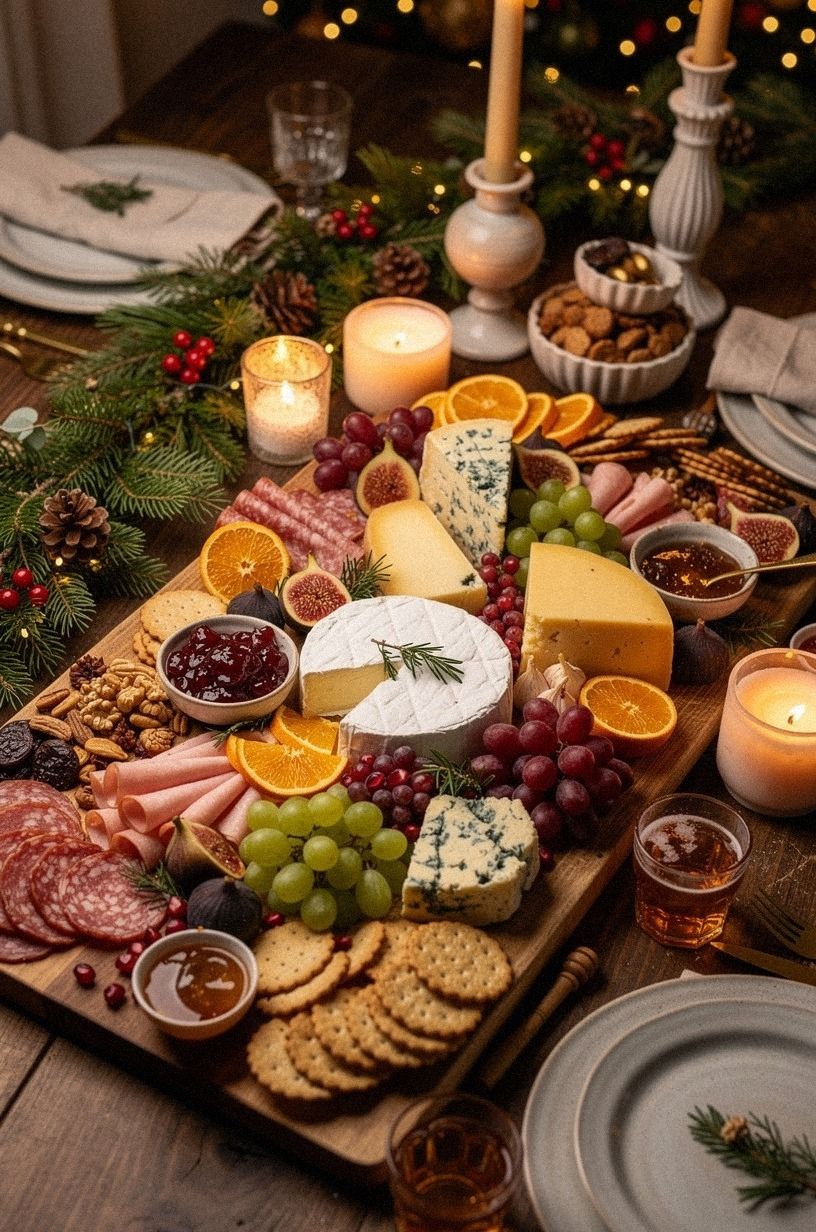
A party board doesn't need another pile of salami. Add sweetness instead, especially if your menu already includes savory appetizers. Dried Turkish apricots bring color and a chewy texture, while fresh pears soften the stronger meats and cheeses.
Use sweet foods as bridges. Put honey near goat cheese, cherry preserves beside brie, and candied pecans near a sharp cheddar.
Your guests can combine bites without needing a separate sauce station. I prefer this approach because it feels more generous and less heavy after the first plate.
A useful sweet-and-savory mix looks like this:
Fresh: pears, grapes, figs. Dried: apricots, dates, cherries. Spreadable: fig jam, honey, cranberry relish.
But don't use five sticky items on one tray. You'll lose the crisp contrast, and crackers will become messy.
Give your board one or two rich accents and let the fruit do the rest. If you need a serving surface that travels well, this bunkie board guide offers a surprisingly useful lesson in choosing a stable, flat base.
A stable base is worth the cost when people are reaching across the table. Nobody wants the brie sliding toward the floor during the first toast!
9Arrange a Small-Space Holiday Charcuterie Ladder
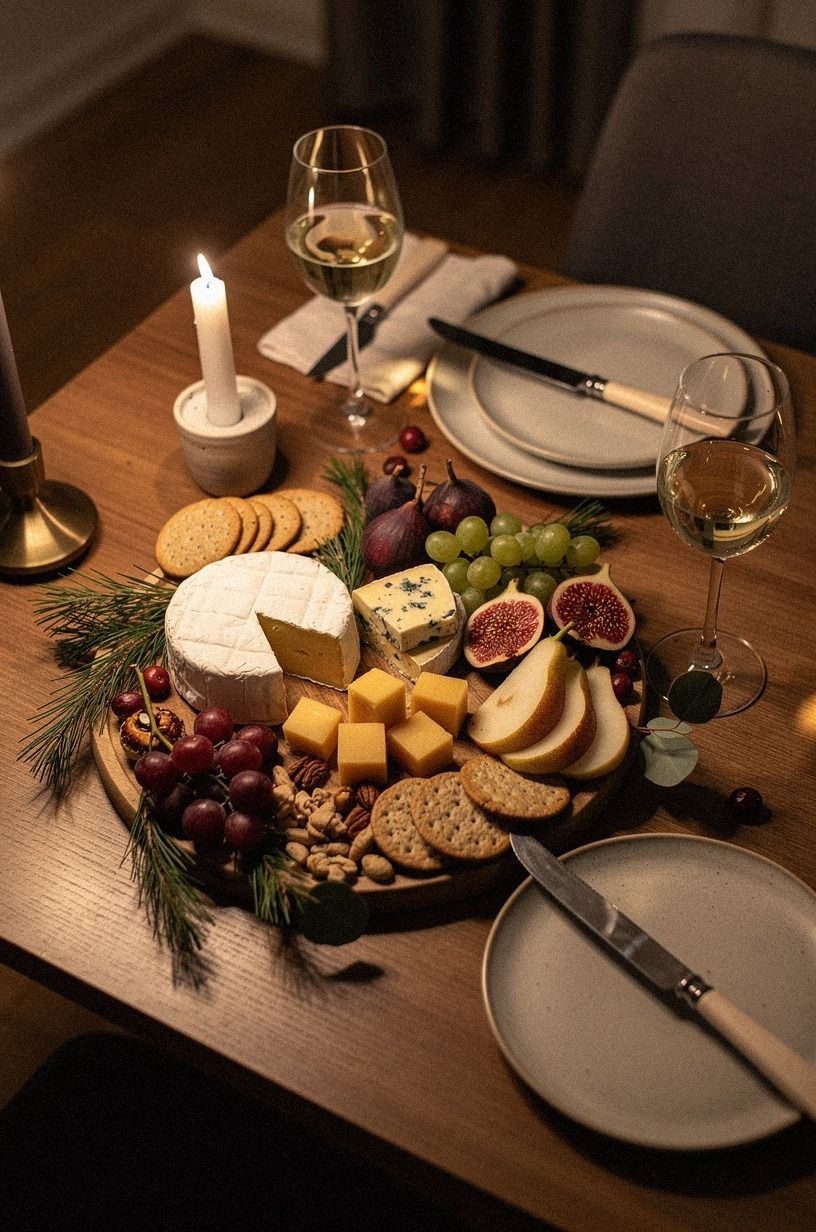
A narrow ladder arrangement on Nero Marquina black marble with white veins works when your table is small or your buffet is already busy.
10Use the Four-Corner Party Board
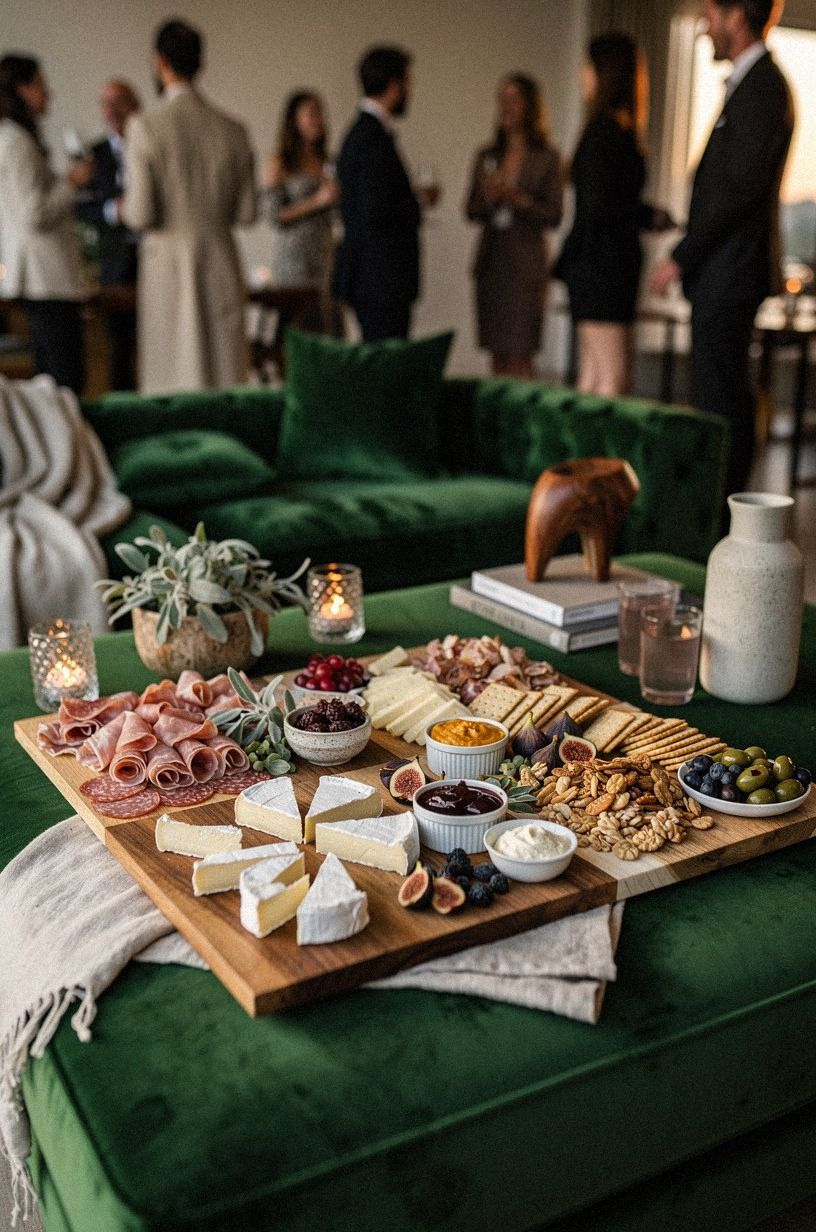
The four-corner layout gives your guests four obvious starting points. Put cheese in one corner, meat in another, fruit in a third, and crackers in the fourth. Your board will feel calm even when people gather around it from different sides.
Choose a rectangular maple tray for this arrangement and place it over a deep-pile mohair velvet runner. Round boards are lovely, but their curved edges can blur the sections. I learned that a square layout helps children and older guests serve themselves without asking which bowl belongs to which food.
Add one unifying item across the center, such as rosemary sprigs or a line of toasted nuts. Keep those accents edible or easy to remove. You don't want dried stems mixed into the cheese.
Try this map:
Top left: cheddar and gouda. Top right: prosciutto and salami. Bottom left: grapes and pears.
Bottom right: crackers and breadsticks.
If your table seats twelve or more, make two smaller four-corner boards instead of one giant tray. Guests will move more easily, and your food won't disappear from one crowded side. This outdoor kitchen guide built for entertaining a crowd also makes a good reference for separating service zones.
A pair of smaller trays can be a smart budget choice because you may already own suitable plates. It also lets you place one board near the drinks and one near the dining table.
11Serve a Warm Wood and White Cheese Palette
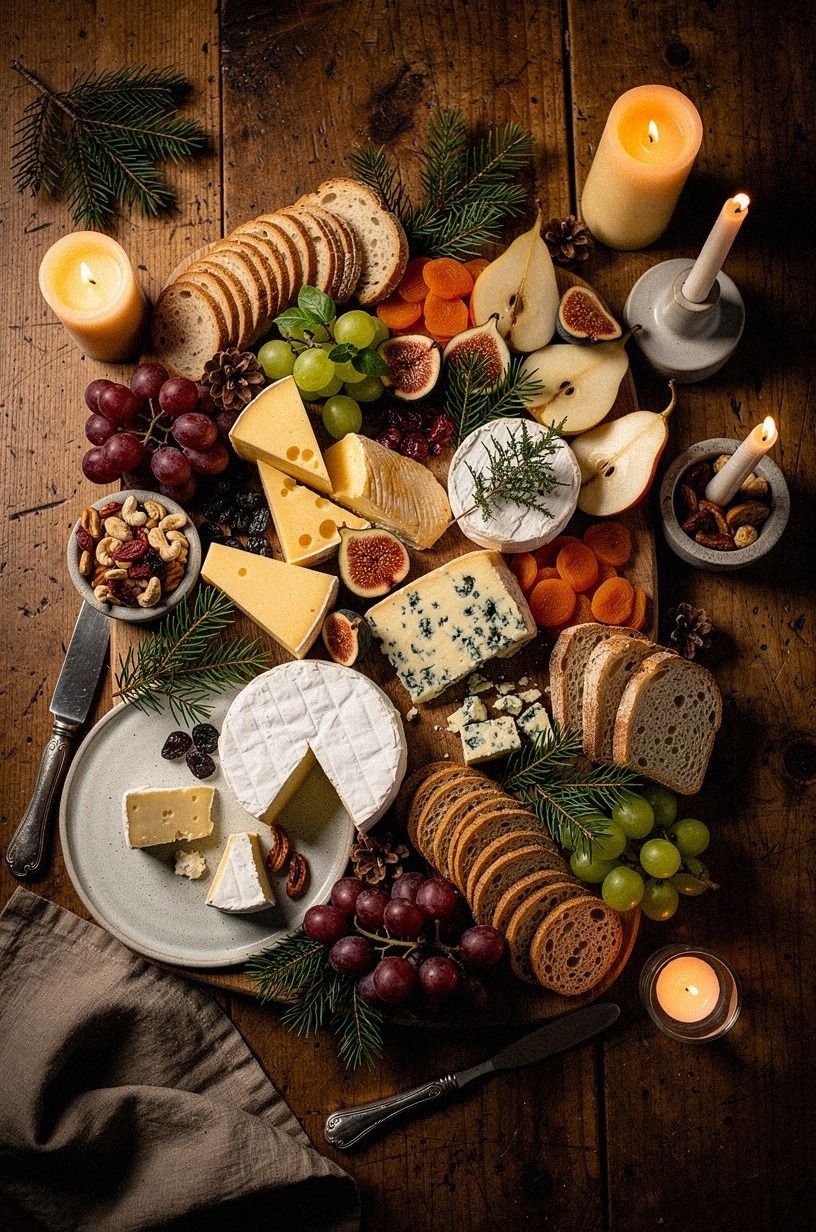
A limited color palette can make your board look refined without requiring expensive food. Pair warm wood, ivory cheese, olive-toned herbs, and one terracotta-colored fruit. Your guests will notice the calm composition before they notice that most ingredients came from an ordinary grocery run.
Use Benjamin Moore Saybrook Olive HC-114 on nearby cabinetry if you're styling a full holiday serving area. The muted green works better than a stark blue-white because it lets the cheese and fruit carry the color. I wouldn't pair a cool gray wall with icy white plates unless you want a sharper, more modern mood.
Build the palette with:
Warm white: brie, chèvre, ivory napkins. Wood brown: walnut board, pecans, seeded bread.
Olive green: rosemary, grapes, sage leaves. Terracotta: cranberries, cherries, pomegranate.
You can also use Farrow & Ball Red Earth No.64 nearby for a softly earthen backdrop, with Carrara marble serving pieces adding subtle gray veining. Your board won't look overdecorated, and the food will remain the focus. If guests are staying over after dinner, this winter holiday sleep guide can help you plan the quieter part of the evening too.
This palette is worth the cost when you want an elegant result from ordinary ingredients. The colors do much of the styling work for you.
12Turn One Board Into a Full Holiday Appetizer Bar
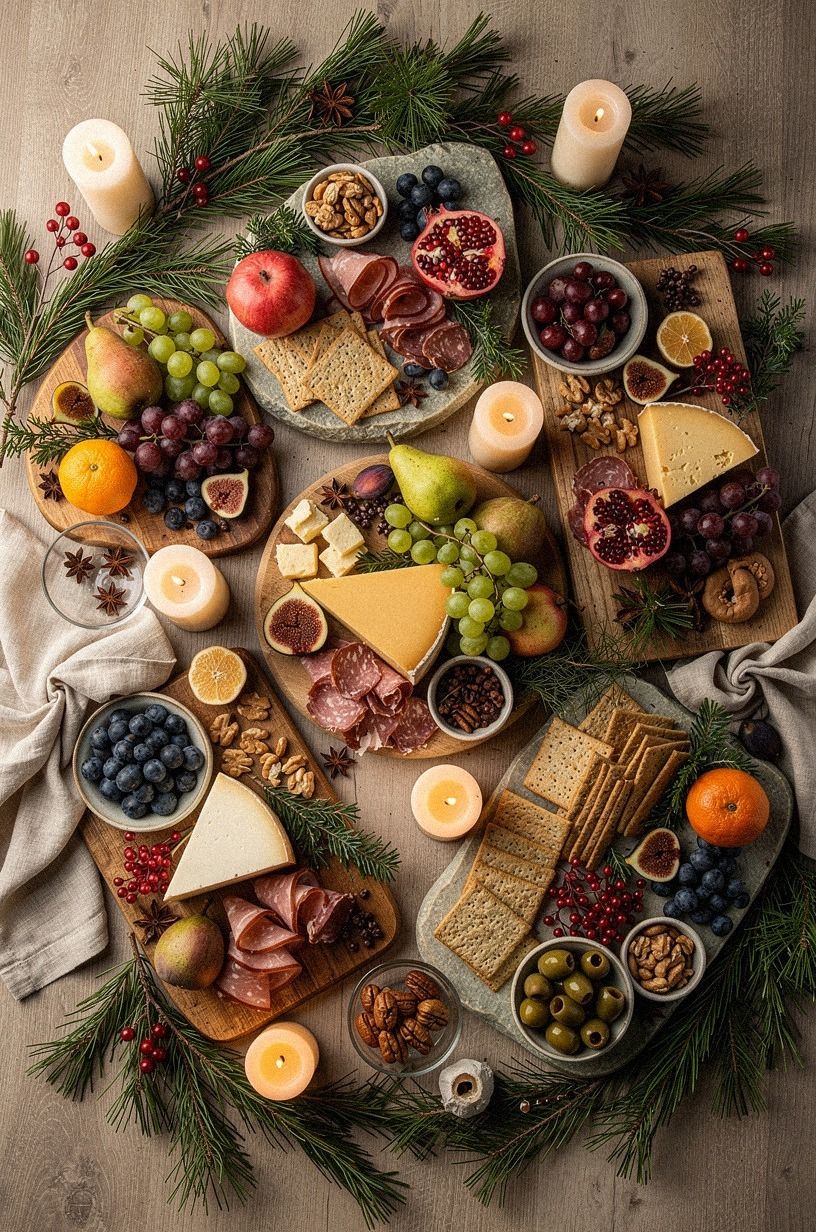
When your crowd is large, turn the board into a small serving station. Add a second plate for warm bread, a bowl for olives, and a stack of napkins beside the main tray. Your guests will spread out instead of lining up for one crowded surface.
Choose a reclaimed weathered teak platter as the anchor, then add white ceramic dishes for anything wet or oily. I like the contrast because it keeps the station earthy but clean. Put tongs near meat, a small knife near cheese, and a spoon beside every spread.
You'll reduce the awkward reaching that makes large gatherings feel disorganized.
A complete appetizer bar might include:
Main board: cheese, meat, fruit, crackers. Side bowl: marinated olives or cornichons.
Warm plate: sliced baguette or flatbread. Small dish: cranberry relish or mustard.
Don't place every item on the board itself. Your food needs breathing room, and your guests need a clear place to set a plate. If your party moves outdoors, this guide to indoor-outdoor kitchen ideas for seamless entertaining can help you plan the serving order.
A larger station can deliver excellent value because it lets one board serve several functions. The surrounding bowls handle the overflow, while the main tray stays attractive and easy to navigate. Now that's a party board!
13Pair Christmas Charcuterie With a Personal Detail
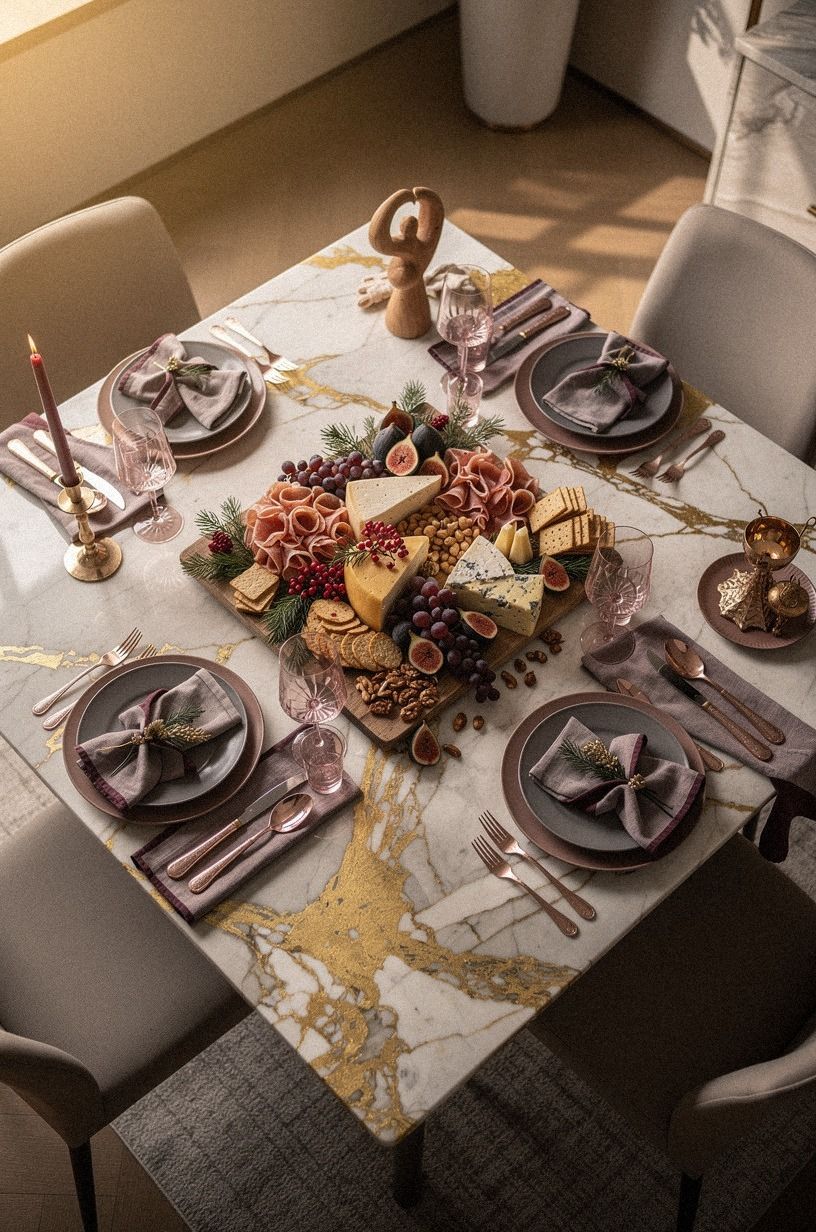
One personal detail makes a holiday board memorable. A handwritten card or small keepsake looks especially warm beside Calacatta marble with gold veining, where the material adds a quiet festive note without competing with the food.
The Three-Source Rule Behind a Better Party Spread
I've hosted enough holiday gatherings to know that the board isn't the only thing guests remember. They remember whether they could reach the food, whether the room felt too bright, and whether someone had to move three decorations just to find a napkin.
A generous board can't rescue a cramped serving path. Your setup has to work at the speed of real people.
My rule is simple: give every food station three kinds of support. It needs a surface, a tool, and a visual cue. The surface might be a walnut serving board.
The tool could be a cheese knife or small spoon. The cue might be a handwritten label, a rosemary branch, or a repeated color.
When those three pieces are present, your guests understand the station without asking you to explain it.
I made the mistake of treating decoration as the main event. One year, I covered the table in greenery, candles, and tiny ornaments, then realized there was no comfortable place to put a plate.
It looked festive for five minutes. It wasn't practical. Now I keep the center lower than the food and place candles at the far edge, where their glow can still reach the board.
The surrounding room can also affect your total cost. These figures apply to room updates, not the food itself.
You don't need the high tier to host well. A bright lamp, a washable runner, and a board that fits your table will do more for your guests than custom millwork. If you're deciding where to spend, choose the item that improves movement first.
This outdoor kitchen entertaining guide has useful ideas for thinking through service paths and gathering zones.
The Questions Worth Answering First
What is the best holiday charcuterie board idea for a small crowd?
A narrow ladder board or four-corner layout works best because it keeps food reachable from both sides. Choose a rectangular maple tray, three cheeses, two fruits, and one bowl of olives. Your guests won't need a huge table, and you'll still have room for plates.
Where can I buy holiday charcuterie board pieces on a budget?
Look at IKEA, Wayfair, Target, Facebook Marketplace, and local thrift shops. A wooden cutting board can serve as your base, while small bowls can come from a mismatched set. You don't need specialty pieces, and you won't need affiliate links to find workable options.
This bunkie board guide also explains why a stable, flat base matters.
How much does a holiday charcuterie board makeover cost?
A food-focused setup can vary widely, but the free parts include herbs from your kitchen, serving plates you own, and handwritten labels. For the surrounding room, typical US updates range from $200-$800 for budget changes and $1,500-$5,000 for mid-range improvements. These outdoor kitchen ideas can help you think through layout before spending on furniture.
Can I create a holiday charcuterie board on a budget?
Yes, and you can start with one cheese, one meat, grapes, crackers, and a homemade spread. Use Benjamin Moore White Dove OC-17 nearby if you're repainting, but don't repaint for the board alone. Your layout, lighting, and food contrast matter more.
This winter holiday sleep guide has additional ideas for making the whole evening feel comfortable.
Is a holiday charcuterie board worth it in a small space?
Yes, because a small table encourages a tighter, more useful arrangement. Use one long board, one bowl, and one plate instead of several scattered dishes. Your guests will move more easily, and the smaller setup can feel intimate rather than limited.
The serving-zone advice in this indoor-outdoor entertaining guide applies to compact indoor gatherings too.
Is a holiday charcuterie board a good idea for a rental?
Yes. Use a removable linen runner, freestanding lamps, tension rods for nearby textiles, and serving pieces that don't require wall changes. A stoneware bowl can add height without damage, and you can pack everything away when the party ends.
These small dining room holiday ideas are useful when every inch matters.
Where I'd Start First
If I had to pick one, I'd start with the wreath-and-pear board. The fruit gives you height, color, and a fresh bite without another tray, so the spread won't look like a pile of beige cheese. Pin it for later, then browse our renter-friendly holiday tablescape ideas when you're setting the room.