
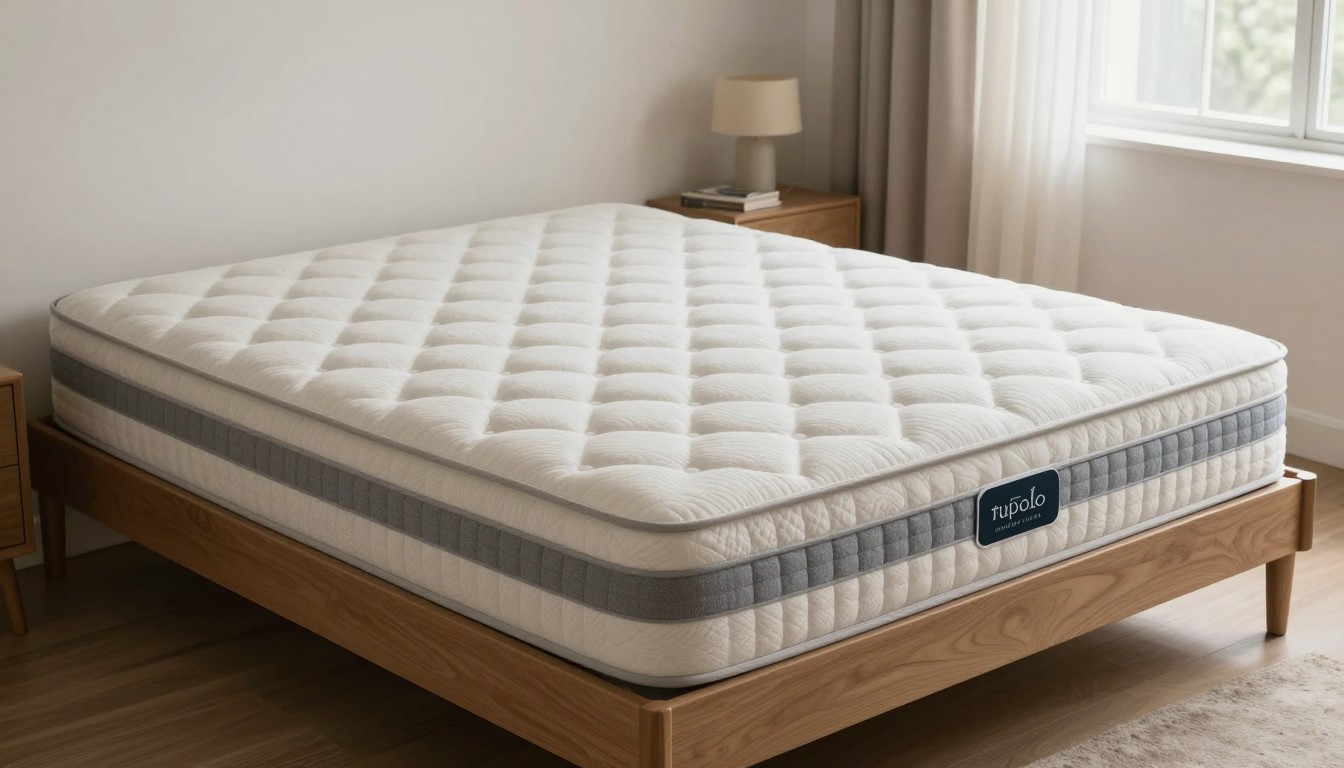
 by
by Quick answer: For Tupelo Best Mattress & More shoppers, I recommend the mattress whose construction, comfort, and written store policies fit your needs, not the model with the loudest sale tag.
- Mattress labels don’t reveal every internal material or its quality.
- Comfort returns and defect warranties are separate policies that should be checked in writing.
- The useful comparison is the delivered total plus policy terms, not the display price alone.
Updated July 2026 · Reviewed for accuracy
If you’re searching for Tupelo Best Mattress & More, don’t let the store name make the decision for you. A local seller can provide a useful place to compare mattress feels, but the right choice still comes down to construction, support, and the terms printed on your order.
I’d use the showroom to narrow the field, then verify everything that affects long-term ownership. That includes the exact model name, internal materials, delivered cost, return conditions, and warranty coverage.
This guide shows you how to do that without relying on unverified inventory claims, temporary pricing, or a few comfortable minutes under showroom lighting.
What the Tupelo Best Mattress & More Search Tells You
A retailer-style search phrase identifies a place to begin shopping, not a particular mattress worth buying. It tells you nothing reliable about the support core, comfort layers, firmness, durability, or current store policies attached to any model.
That distinction matters because showroom names and mattress names can sound equally polished. The model label might emphasize cooling, orthopedic support, luxury materials, or hotel comfort while leaving the useful construction details hard to find. I care more about what’s under the cover than what’s printed across the foot of the bed.
Before visiting, confirm the seller’s current address, opening hours, and contact information directly. Ask whether the models you want to examine are actually on display. Inventory changes, and a website image doesn’t establish that a particular mattress is available to try or take home.
Verify before you shop:
- The exact business location and current opening hours
- Whether the mattress category you want is on the floor
- Whether listed prices include delivery or setup
- Who handles returns, exchanges, and warranty claims
- Whether a displayed mattress is new, discontinued, or a floor model
Don’t assume a store carries a brand, firmness, or size until the seller confirms it. Don’t assume a manufacturer’s general policy automatically applies to the transaction, either. The paperwork attached to the exact model and seller is what matters.
If you’re still deciding what “best” should mean for your body and budget, my guide to choosing the best mattress explains why there isn’t one universal answer. Support needs, preferred feel, sleeping habits, and ownership terms all change the result.
Read the Mattress From the Inside Out
The support core does the structural work. Comfort layers control much of the pressure relief and surface feel. A thick-looking mattress can still contain vague or lightly described materials, so overall height and a plush cover aren’t enough for me.
Ask the salesperson for a complete layer description rather than a marketing summary. For foam, that means identifying the foam type and asking whether meaningful material specifications are available. For a coil bed, ask how the coil unit is built, whether the edge uses a distinct reinforcement system, and what materials sit above it.
Quilting deserves attention as well. A deeply cushioned top can create an inviting first impression, but you still need to know what produces that softness. Ask whether the surface feel comes from fiber, foam, latex, or a combination, and whether the cover can be removed or replaced.
| Construction | What to inspect | Useful question | Common uncertainty |
|---|---|---|---|
| All-foam | Comfort layers, transition layer, base foam, and cover | Are the foam types and material specifications disclosed? | Similar-looking foams may have different compositions and qualities |
| Hybrid | Coil system, edge structure, transition material, and comfort stack | What separates this build from the seller’s standard innerspring? | The word “hybrid” alone doesn’t describe the quality of its layers |
| Innerspring | Coil design, padding, perimeter, and upholstery materials | Which layers create the feel above the springs? | A familiar category name can hide substantial construction differences |
| Latex | Latex type, blend, layer arrangement, cover, and other padding | Is the material description available in writing? | The label may not explain the full composition |
Category labels are useful for orientation, but they don’t rank mattresses by quality. Two hybrids can use different coil units, different transition materials, and completely different comfort stacks. The same caution applies to foam and latex beds.
I’m also wary of treating a long list of branded layer names as a specification sheet. If the seller can’t translate those names into ordinary material descriptions, you don’t have enough information to make a construction-based comparison.
Ask for the model name exactly as it appears on the law label and sales order. Retailers and manufacturers sometimes use closely related names, so a small wording difference can make later policy or warranty research much harder.
The Nut’s construction rule: If one mattress has a clearer layer breakdown than another, that transparency is useful. It still doesn’t guarantee durability, but it gives you something concrete to compare.
Match the Feel to Your Body and Sleep Habits
Your shoulders, hips, and midsection interact with a mattress differently. That’s why I won’t prescribe a firmness from a sleep position alone. Body shape, weight distribution, mobility, pillow choice, and the mattress beneath you all affect how a surface feels.
Side sleepers often focus on whether the shoulder and hip can settle without creating an obvious pressure point. Back sleepers should notice whether the pelvis feels supported rather than suspended above or swallowed by the surface. Stomach sleepers commonly need to watch for a midsection that drops farther than feels comfortable.
Combination sleepers have another test: movement. A mattress may feel pleasant while you’re still but awkward when you roll, sit up, or change position. Try the motions you actually make at home rather than lying flat and waiting for an instant verdict.
Use the showroom deliberately:
- Lie in your normal sleeping position and let the surface settle
- Roll over and notice whether the comfort layers resist movement
- Check whether your shoulder or hip feels crowded
- Sit near the edge if that’s part of your normal routine
- Have both sleepers try the bed together if it will be shared
- Use a pillow reasonably similar to the one you use at home
Firmness and support aren’t synonyms. Firmness describes the immediate resistance you feel at the surface. Support is about how the whole construction holds your body. A softer comfort layer can sit above a substantial support core, while a firm surface can still feel poorly matched to your shape.
Couples should discuss differences openly before shopping. If one person likes a cushioned surface and the other prefers a flatter feel, ask what exchange or comfort-adjustment options exist. Don’t let one partner test the mattress while the other tries to imagine it.
Heat sensitivity also deserves a practical discussion, but I wouldn’t accept a cooling label as proof. Ask what material or construction feature supports the claim. A cool fabric at first touch isn’t the same thing as understanding how the entire mattress handles warmth during sleep.
For edge use, sit and lie near the side instead of pressing it with your hand. Hand pressure tells you very little about how the perimeter interacts with body weight. If getting out of bed is a concern, make that movement part of your evaluation.
Compare Written Policies Before Display Prices
The sales invoice can matter as much as the mattress label. A seemingly attractive display price becomes less useful if delivery, setup, removal, exchange charges, or return conditions aren’t clear until after payment.
Ask for the total delivered quote in writing. It should identify the exact mattress, its condition, included services, and any separate charges. If a foundation, frame, protector, or other item affects return eligibility, that condition should also appear in the written terms.
| Policy area | What to ask | Why it matters |
|---|---|---|
| Comfort return | Can the mattress be returned, and what conditions apply? | A comfort issue may not qualify as a manufacturing defect |
| Exchange | Are exchanges allowed, and are charges or product restrictions involved? | An exchange policy may work differently from a refund policy |
| Delivery | Does the quote include setup, packaging removal, and scheduling? | “Delivery” can describe different levels of service |
| Warranty | Who handles a claim, and what documents or foundation are required? | Coverage may depend on the written exclusions and claim process |
| Floor model | Is the item sold as-is, and do normal policies still apply? | Displayed merchandise may carry different conditions |
A manufacturer warranty and a store comfort policy address different problems. The warranty generally concerns qualifying defects under its written terms. Disliking the firmness or feel may fall under a separate store policy, if such a policy applies at all.
Read the exclusions rather than stopping at the headline. Check rules involving stains, damage, support systems, transportation, inspection, and proof of purchase. Keep the order, policy, model label, and delivery paperwork together.
Don’t rely on a verbal exception. If a salesperson offers a different return condition, delivery promise, or included service, ask for it on the sales order before paying.
Timing can affect advertised offers, but a discount isn’t automatically a good deal. Compare the final delivered quote and the mattress construction with what you could buy under ordinary conditions. My guide to the best time to buy a mattress explains how to think about sale timing without letting a countdown make the choice.
If you’re comparing local and online sellers, use the same standard for both. The overview of where to buy a mattress covers the trade-offs between trying a bed locally and relying on written online policies.
A Better Way to Shop in Tupelo
A useful shopping visit starts with the same worksheet for every mattress. Write down the complete model name, construction type, stated firmness, layer information, total delivered quote, and policy details. Consistent notes prevent a plush showroom surface from crowding out every other consideration.
Begin with your non-negotiables. These might involve surface feel, ease of movement, edge use, compatibility with an existing frame, delivery access, or the needs of a partner. Keep preferences separate from requirements so you know where compromise is reasonable.
Then narrow by feel and construction together. A mattress should feel promising in your normal positions, but it should also come with enough information to explain that feel. If you like a model but can’t identify what’s inside, ask for documentation before deciding.
My take-home checklist:
- Exact model name and condition
- Plain-English description of the support and comfort layers
- Written delivered total
- Written return and exchange conditions
- Warranty document and claim contact
- Delivery, setup, and removal details
- Any foundation or protector requirements
Leave the store if you feel rushed. A mattress is too personal and too difficult to judge from slogans for pressure to improve the decision. A current offer can be checked again; unclear construction and unclear policies remain unclear.
At home, compare your notes line by line. Remove models that miss a non-negotiable or come with unacceptable terms. Among the remaining options, favor the mattress with the strongest combination of suitable feel, understandable construction, and manageable ownership conditions.
Be especially careful with floor samples and clearance merchandise. They may still suit a buyer, but the condition and policy need to be explicit. “As-is” language deserves a full explanation before money changes hands.
If no model meets your needs, don’t force a winner. Expanding the search is better than accepting a mattress simply because it was the least objectionable option in one showroom.
My Verdict: What “Best Mattress & More” Should Mean
The best mattress in Tupelo is the one you can understand before buying and live with after delivery. The store sign doesn’t settle that question. Neither does a luxury cover, a dramatic model name, or a temporary display price.
I’d favor a model that feels appropriate in your actual sleeping positions, discloses its basic construction, and comes with written terms you’re willing to accept. If any of those pieces is missing, the uncertainty belongs in your comparison.
The “more” in a mattress-store name shouldn’t distract you, either. Frames, foundations, protectors, pillows, setup, and removal can affect the transaction, but each item should earn its place. Ask whether an accessory is required for compatibility or policy compliance, then verify that answer in writing.
Bottom line: Use Tupelo Best Mattress & More as a shopping lead, not as the verdict. Judge the exact mattress, the complete delivered deal, and the written ownership terms.
That approach isn’t as exciting as picking the softest display or chasing the largest sale message. It is far more useful. You’ll know what you bought, why it suits you, and what happens if the mattress doesn’t work as expected.
ONE OPTION WORTH COMPARING
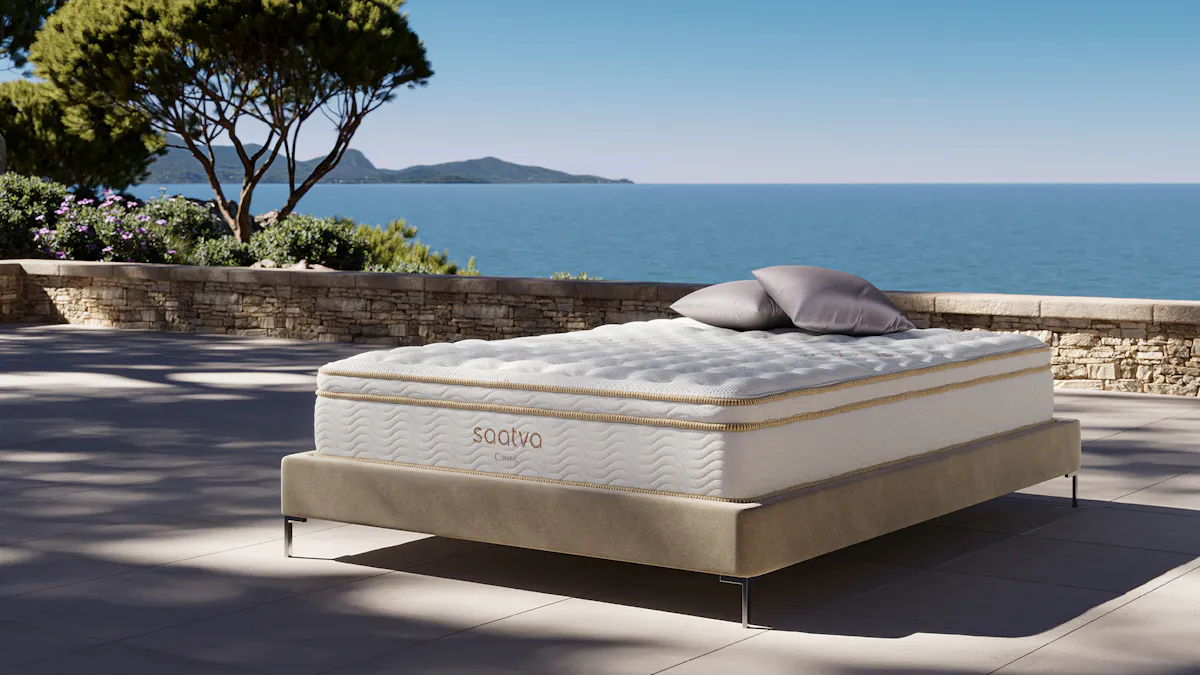
Shopping as well as reading? Here is one current option worth comparing: the Saatva Classic. Check today’s price, sizing and return terms on the official product page before you order.
Saatva Classic
- 365-night home trial and lifetime warranty, per saatva.com
- Handcrafted in the USA, free white-glove delivery
- Flexible financing available
FAQ
Is Tupelo Best Mattress & More a mattress model?
The phrase doesn’t identify a specific mattress construction or model. Treat it as a local shopping query, then verify the exact seller and model details directly before making comparisons.
What should I ask a local mattress store before buying?
Ask for the exact model name, internal construction, total delivered quote, return terms, exchange conditions, and warranty document. Get any special promise written on the sales order rather than relying on a verbal explanation.
How can I judge mattress durability in a showroom?
A showroom visit can’t prove long-term durability. You can reduce uncertainty by examining the construction disclosure, asking for meaningful material details, checking how the cover and edges are built, and reading what the warranty actually treats as a defect.
Is a firmer mattress always more supportive?
No. Firmness describes how resistant the surface feels, while support depends on how the whole mattress holds your body. I’d judge both by lying in your normal positions and noticing alignment, pressure, and ease of movement.
Should I buy a mattress because it’s on sale?
A sale only matters if the mattress suits you and the final delivered terms are competitive. Check the current price directly with the seller, compare the complete quote, and don’t let a promotional deadline replace construction and policy checks.