
 by
by Quick answer: I’d consider the Saatva Pillow, but I can’t call it a universal winner. Match each option’s current dimensions, care details, and purchase terms to your child before choosing.
- For the Saatva Pillow, saatva-mattress.com reports 4-inch, 5-inch, 6-inch, and 7-inch specifications, but the cited details don’t identify what each measurement represents.
- Amerisleep’s LatexLuxe product page states a 5-year warranty.
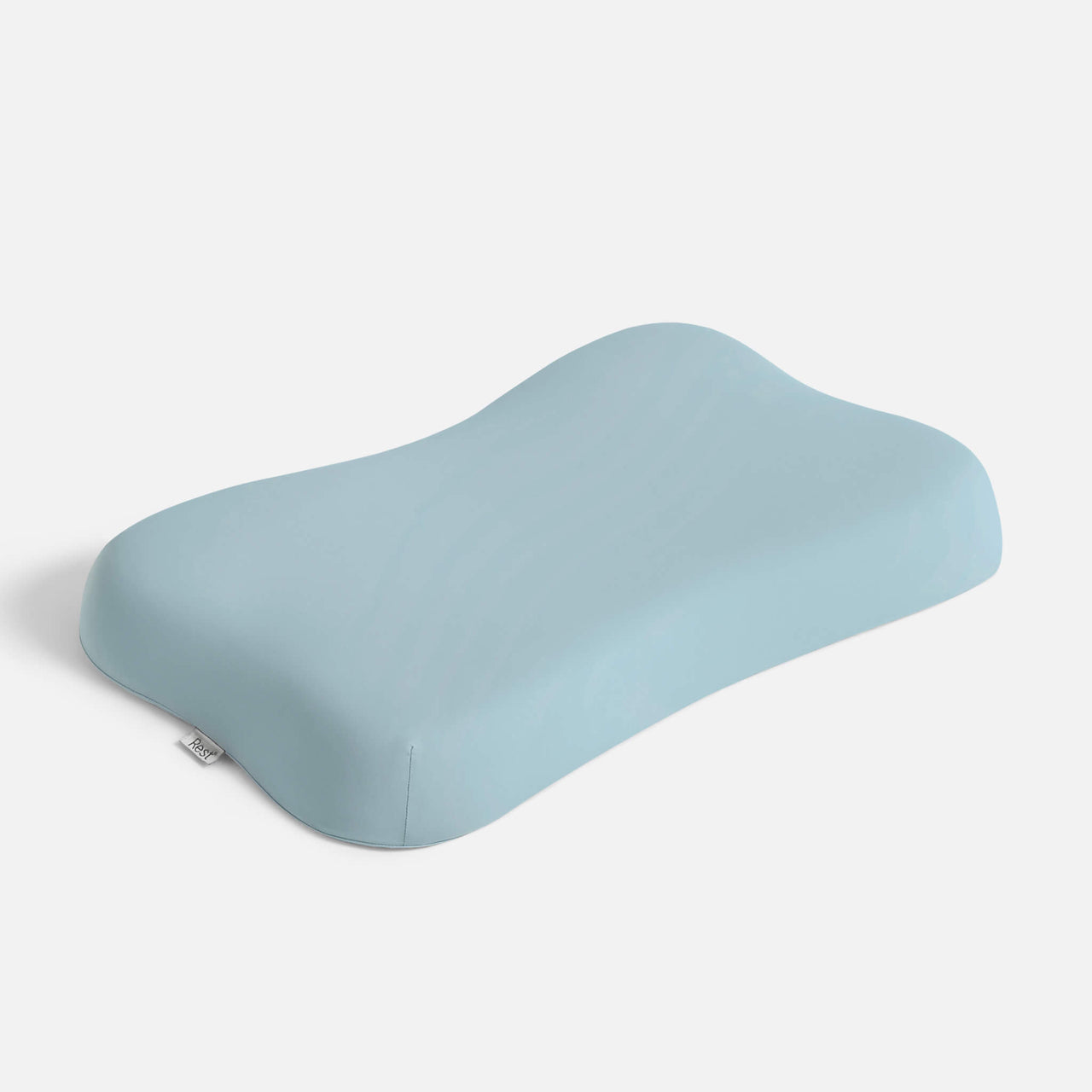
- Rest.com lists the Evercool® Cooling Pillow at 26 inches by 15.8 inches by 3 inches and $199.
Updated July 2026 · Reviewed for accuracy
VERIFIED COMPARISON
For best pillows for 7 year olds, compare the Saatva Pillow with the other verified options below using documented dimensions, ownership terms and fit factors.
3 VERIFIED OPTIONS COMPARED
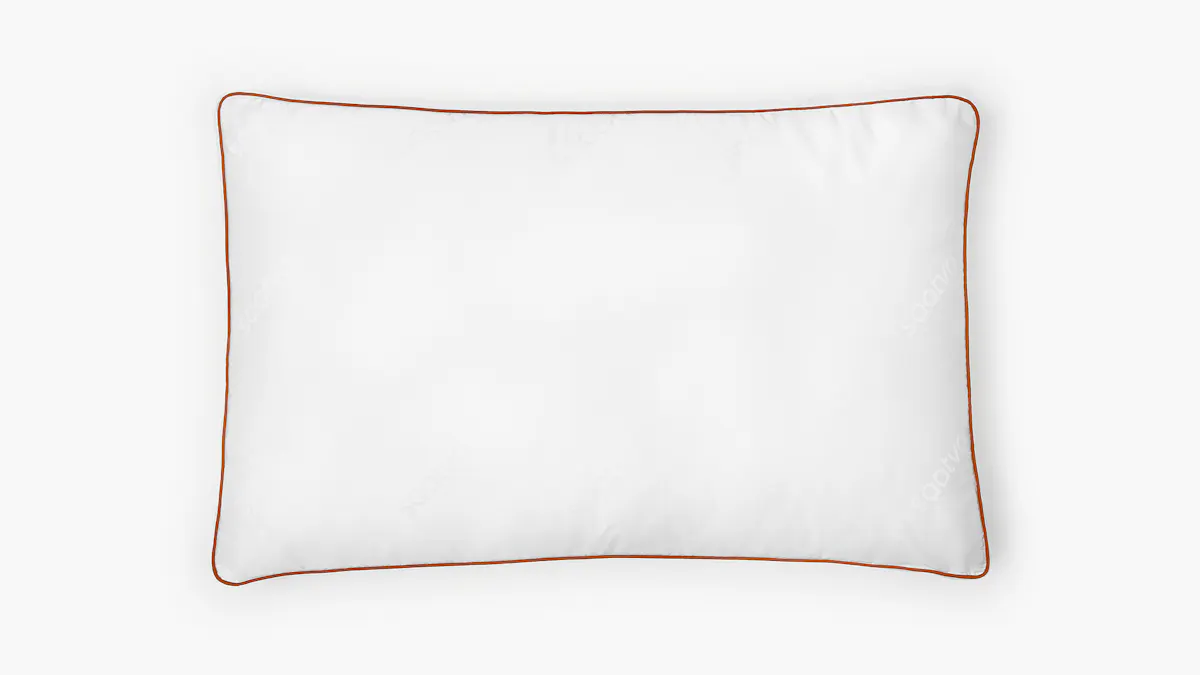
Saatva Pillow
- Option Documented detail What still needs confirmation Saatva Pillow Saatva-mattress.com reports 4-inch, 5-inch, 6-inch, and 7-inch product specifications without explaining what each figure measures.
- One of 3 products compared with bound source facts
- Order direct from the brand — current price, trial and warranty terms are on the official product page
3 verified options compared
At age 7, the label “kids’ pillow” tells me less than fit does. I want enough support for the child’s usual sleeping position without a profile that looks obviously bulky under the head. The documentation for these options is uneven, so I’m separating what their cited pages establish from what parents still need to confirm.
What pillow fit means for a 7-year-old
A useful fit check begins with the child lying in the position they normally choose. I’d look at whether the pillow seems to push the head away from a relaxed position, whether the child keeps sliding off it, and whether they repeatedly fold or bunch it to get comfortable. Those observations tell me more than an age label printed on a package.
The Common Mom’s children’s-pillow overview separates toddler and youth choices while emphasizing comfort and support. That’s a sensible starting framework, but “youth” is still a broad category. Children of the same age can use different sleep positions, beds, and existing pillows, so I wouldn’t buy from the category name alone.
Sleep position deserves particular attention. A child who settles on the stomach may respond differently to a prominent pillow than one who usually sleeps on the side. My stomach-sleeper pillow guide explains the profile questions worth asking, although an adult pillow recommendation shouldn’t automatically be treated as suitable for a child.
- Watch the child in their usual sleeping position rather than posing them upright with the pillow.
- Compare the proposed pillow with the one already used comfortably.
- Check whether the child tries to fold, stack, or avoid the pillow.
- Confirm the exact finished dimensions instead of relying on labels such as “kids” or “standard.”
Care details matter too. Stuck at Home Mom highlights hypoallergenic and machine-washable options as useful shopping considerations, but those terms aren’t substantiated for every pillow in this comparison. I’d verify the cover fabric, fill, cleaning instructions, and any allergy-related language on the current product page or sewn-in label before treating them as benefits.
What the documented product details actually show
The three options don’t arrive with equal information. One has several unlabeled inch figures, another has a stated warranty term, and the third has a complete set of dimensions plus a listed price. That makes a conventional ranking unreliable.
| Option | Documented detail | What still needs confirmation |
|---|---|---|
| Saatva Pillow | Saatva-mattress.com reports 4-inch, 5-inch, 6-inch, and 7-inch product specifications without explaining what each figure measures. | Current overall loft, length, width, fill, firmness, cleaning method, and purchase terms. |
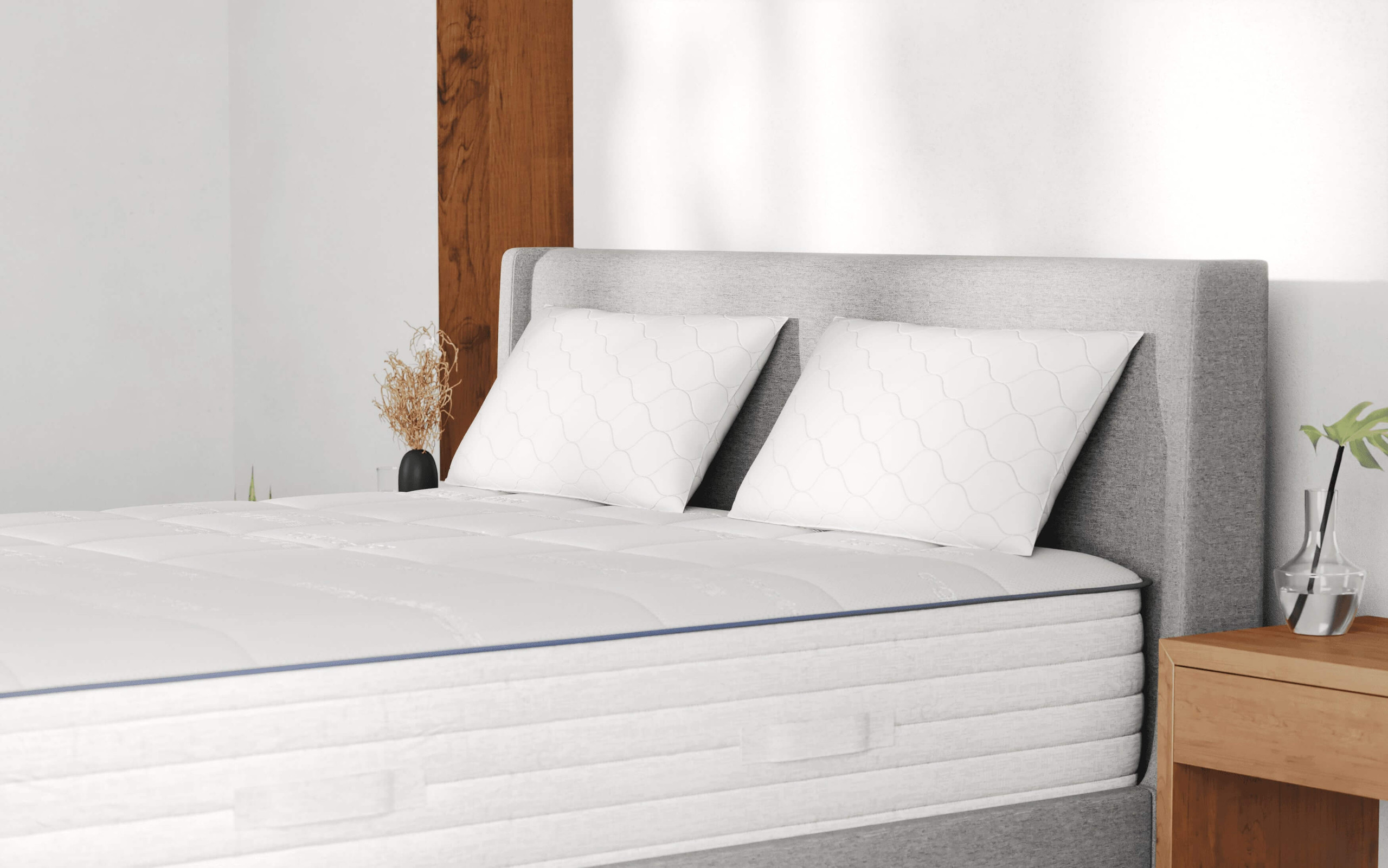
| LatexLuxe Pillow | Amerisleep.com states a 5-year warranty on its LatexLuxe product page. | Dimensions, overall loft, construction, feel, cleaning method, and the warranty’s current conditions. |
| Evercool® Cooling Pillow | Rest.com lists dimensions of 26 inches by 15.8 inches by 3 inches and a price of $199. | Fill, firmness, cover care, purchase terms, and substantiation for any temperature-related performance. |
This table is a decision map, not a scorecard. A complete dimension set can help with fit, while a warranty can clarify post-purchase coverage. Neither automatically establishes comfort, durability, washability, or suitability for a particular child.
For parents willing to verify every measurement: Saatva
Saatva-mattress.com reports 4-inch, 5-inch, 6-inch, and 7-inch specifications for the Saatva Pillow. Because those figures aren’t clearly labeled in the cited details, I won’t describe them as separate loft choices, finished heights, or component measurements. That distinction could materially change how a parent judges fit.
I’d reserve this option for a specification-first shopper who is prepared to confirm the current configuration before buying. If one figure represents overall loft while another refers to a component or variant, comparing the wrong number with a child’s present pillow would produce a poor fit assessment.
- What each reported inch figure describes.
- The finished height of the exact configuration being considered.
- The pillow’s length and width.
- The fill, cover, firmness, and cleaning directions.
- The current return and warranty conditions.
The brand is recognizable, but recognition doesn’t resolve missing measurements. My view is simple: don’t select a configuration until its finished profile can be compared directly with the child’s current pillow and normal sleep position.
For shoppers focused on documented coverage: LatexLuxe
Amerisleep.com’s LatexLuxe product page states a 5-year warranty for the LatexLuxe Pillow. That’s the only concrete product-specific term I can substantiate for this comparison, making documented coverage its clearest use case.
A warranty length isn’t proof that a pillow will feel comfortable or remain unchanged through ordinary use. It also doesn’t explain what qualifies for service. A parent who gives post-purchase coverage extra weight should still read the current terms, exclusions, claim procedure, and care requirements before relying on that stated period.
- Whether the pillow’s profile suits the child’s sleeping position.
- What materials are used in the exact current version.
- Whether the cover or complete pillow can be washed.
- How the product feels under a child’s head.
The product name alone isn’t enough for me to assert a particular fill composition or performance benefit. Until dimensions and construction are confirmed, this remains a warranty-led option rather than a fully documented fit recommendation.
For a known-size and fixed-budget decision: Evercool
Rest.com lists the Evercool® Cooling Pillow at 26 inches by 15.8 inches by 3 inches and $199. Those published dimensions give parents a concrete footprint and profile to compare with the child’s bed, pillowcase, and current pillow, while the listed price makes an immediate budget check possible.
The word “Cooling” in the name isn’t comparative performance evidence. I can’t substantiate a temperature result, material advantage, or child-specific cooling benefit from the documented specifications, so I’d treat temperature control as an open question rather than the reason to choose it.
- Compare the stated profile with the pillow the child already uses.
- Check that the footprint suits the bed and intended pillowcase.
- Verify the current construction and care instructions.
- Decide whether the documented size justifies the listed cost for your household.
A complete size still can’t guarantee comfort. It simply removes some guesswork. This option makes the most sense for a parent who already knows that the documented format is appropriate and who won’t infer unverified performance from the name.
How I narrowed the comparison and how I’d choose
My method is to prioritize product-specific facts that a parent can verify, separate physical dimensions from contractual terms, and refuse to turn a brand or model name into a performance claim. The information isn’t strong enough for a defensible winner, but it is sufficient to identify which questions each option answers.
- Start with the child, not the product page. Observe the child’s normal sleep position and how they use their present pillow.
- Use the existing pillow as a reference. Note whether the child avoids it, folds it, or seems settled on it.
- Verify finished dimensions. Make sure every measurement applies to the exact version under consideration.
- Read the material and care descriptions. Don’t assume washability, allergy-related properties, firmness, or cooling from a name.
- Review purchase terms separately. A warranty and a return policy answer different questions, and their current wording controls.
- Make the comfort decision last. Specifications should narrow the field, not substitute for an individual fit judgment.
MomJunction says its children’s-pillow compilation considered user feedback while assessing comfort, quality, and long-lasting use. I see feedback as a way to discover recurring questions, not as a replacement for exact dimensions, current care labels, or written terms. No owner-feedback finding supplied here establishes a performance advantage for these products.
Portability should be treated as a separate use case. A pillow that stays on the child’s bed doesn’t face the same space constraints as one packed for a trip. If travel is the real priority, my travel-pillow guide for kids focuses that decision more narrowly.
My verdict is deliberately conditional. Choose only after the exact profile, care requirements, and written terms have been checked against the child’s needs. If those basics remain unclear, none of the options has earned the purchase yet.
FAQ
What pillow height is right for a 7-year-old?
I can’t substantiate one universal height for every 7-year-old. Compare the finished profile with the child’s sleep position and present pillow, then reject any option whose exact height can’t be confirmed.
Should a child’s pillow feel firm or soft?
I wouldn’t choose from a “firm” or “soft” label alone because those descriptions can be subjective. Look at how the child rests on the pillow, whether they keep altering it, and what the current product page says about its construction.
Does a child need a cooling pillow?
Not automatically. A cooling term in a product name should be treated as a claim to verify through materials and published performance information, not proof that the pillow will feel cooler for a particular child.
Should I insist on hypoallergenic and machine-washable materials?
Stuck at Home Mom highlights hypoallergenic and machine-washable options as useful considerations for children’s pillows. Whether they are necessary depends on the household, but parents should verify the exact wording and cleaning directions instead of assuming those features apply.
How often should a child’s pillow be replaced?
I can’t support a fixed replacement interval from the cited information. Follow the product’s care guidance and reassess if the pillow becomes damaged, can’t be cleaned as directed, or no longer seems comfortable for the child.
COMPARISON TAKEAWAY
Use the documented measurements, ownership terms and fit factors above to choose among these 3 options for best pillows for 7 year olds.
Saatva Pillow