
 by
by Quick answer: A full upholstered platform bed with a modern, floor-hugging profile works best when the hidden frame is as convincing as the fabric. I’d check the mattress-support surface, center reinforcement, exterior footprint, headboard proportion, upholstery care, and delivery route before judging the look. Skip this style if under-bed storage, easy floor access, or a higher sitting position matters more than the low silhouette.
- Best fit: A room that benefits from a visually grounded bed and does not depend on storage beneath it.
- Main construction check: The load path from the mattress through the platform, center support, frame joints, and feet.
- Main fit check: The complete furniture footprint, not merely the nominal mattress size.
- Main upkeep check: The manufacturer’s stated fabric-care method and access around the lower rails.
- Biggest mistake: Choosing from a styled photograph before checking support, proportions, and room access.
Updated July 2026. The useful details on this page are category-level buying checks. Product availability, configurations, fabrics, prices, and policies can change, so those belong on each manufacturer’s current page.
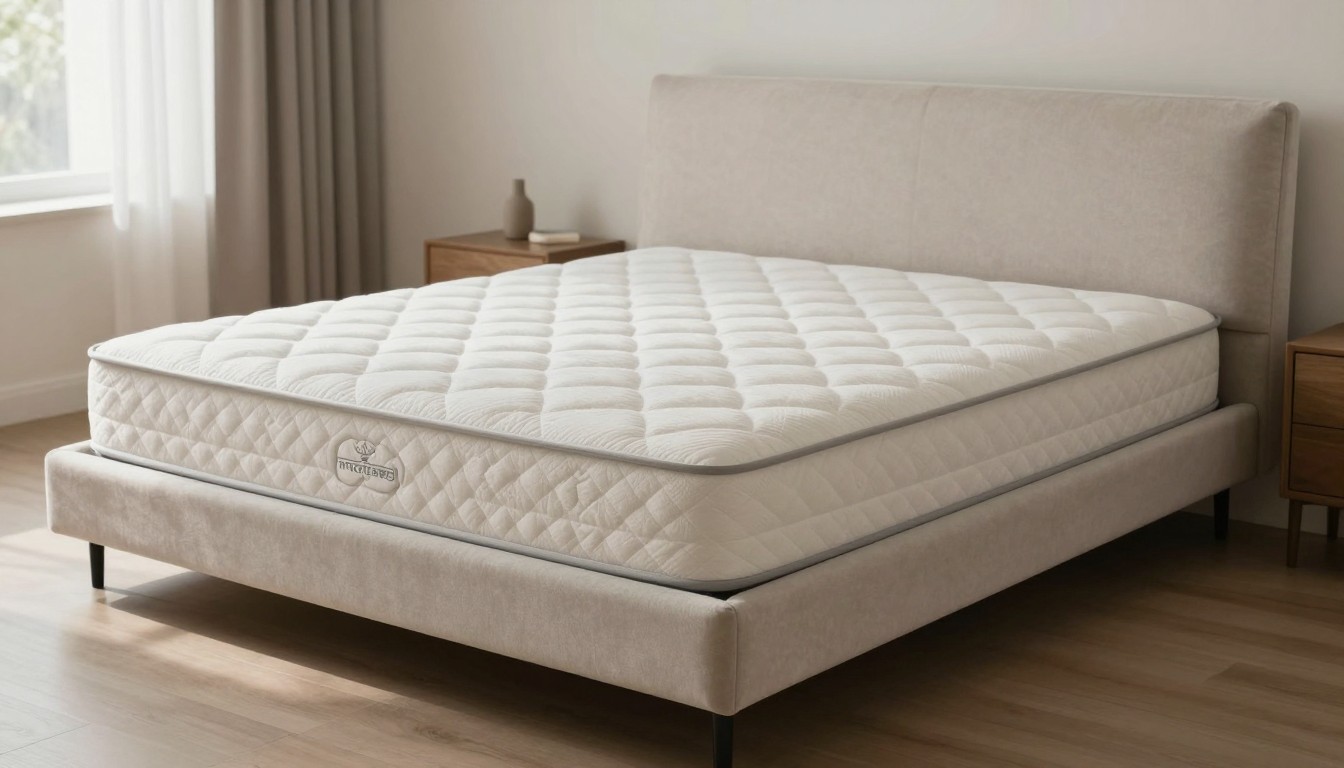
If you searched for an “upholstered platform modern to the floor platform bed frame full,” the natural furniture term is a low-profile full upholstered platform bed. That means a fabric-covered frame with an integrated mattress-support system and a silhouette that appears close to the floor. It does not necessarily mean the mattress or frame rests directly on the flooring.
What modern and close to the floor should actually mean
A floor-hugging silhouette is different from placing a mattress on the floor. The first is a furniture design. The second changes how the mattress is supported and exposed. With an upholstered platform frame, the perimeter rails, foundation, joints, and feet still have jobs to do even when the base is visually concealed.
I separate visual height from functional height. A recessed base can make broad upholstered rails appear to meet the floor while leaving structural parts hidden underneath. Small visible feet can create a similar effect. Product photographs may not show that distinction clearly, especially when deep bedding covers the lower rail.
The full-size label tells you which mattress category the frame is meant to accept. It does not tell you how much room the upholstered rails, headboard, foot end, or concealed base occupy. That outside footprint is the measurement that determines whether a door opens freely, a dresser remains usable, and a walking path still feels comfortable.
The Nut’s take: Don’t buy the word “low-profile.” Buy a measured relationship between the mattress, visible headboard, surrounding furniture, and floor space. A bed can look beautifully grounded in a wide product photograph and feel bulky in a tighter room.
A genuinely low appearance also affects how bedding hangs. A long duvet may pool against the floor, hide the frame, or gather dust along its edge. A more tailored cover can reveal the upholstery but may change the relaxed look you had in mind. Plan the frame and bedding as one visual composition.
If you mean an even more literal setup with the sleeping surface near floor level, the practical distinctions in our floor bed frame guide are worth reading. An upholstered platform adds fabric care, concealed structure, headboard proportion, and assembly questions that a simpler floor setup may not have.
Read the hidden load path before choosing upholstery
The mattress load begins at the support surface, moves through the cross structure and center reinforcement, then reaches the perimeter frame, feet, and floor. That path matters more to me than decorative tufting. Upholstery can hide the joints that deserve the closest inspection, so the assembly diagram is often more informative than the staged bedroom image.
The word platform indicates that the frame includes an intended support surface. It does not describe that surface precisely. It could involve slats, a panel-style deck, modular sections, or another manufacturer-defined arrangement. The label alone does not tell you how components attach, how the middle is supported, or which mattress constructions are compatible.
- Support surface: Identify what directly carries the mattress and whether loose components are secured.
- Center structure: Look for the manufacturer’s explanation or diagram of support beneath the middle of the bed.
- Connection points: Inspect how rails, headboard, foot end, and internal supports fasten together.
- Floor contact: Note where the frame transfers weight to the floor and how those contact points work with your flooring.
- Mattress instructions: Match the bed’s foundation description with the support directions supplied for your mattress.
Slats deserve more than a passing glance. Their material, orientation, attachment, and relationship to the center structure affect how the foundation behaves. I would not infer those details from a generic rendering. If a page omits a clear underside photograph or assembly document, ask the manufacturer for the missing information.
A panel-style surface raises a different set of questions. Find out how the sections are supported, how they stay in position, and what the mattress maker says about the required foundation. The right answer depends on the actual bed and mattress, not on a broad assumption that every platform works with every mattress.
Construction checkpoint: I want the product information to explain the support deck, middle reinforcement, rail connections, and mattress compatibility in plain terms. If all I can learn is the fabric color and headboard shape, I do not yet know enough about the bed.
Measure the furniture footprint and the delivery route
Upholstered rails extend beyond the mattress opening, sometimes with padding, piping, or a projecting headboard profile. Measure the actual mattress you plan to use, then map the frame’s published exterior measurements onto the room. Do not substitute the nominal full-size label for the finished furniture dimensions.
Painter’s tape is useful here. Outline the outside rails on the floor and mark the headboard width against the wall. Add the space needed to pull bedding into place. This exposes conflicts with baseboards, outlets, wall vents, curtains, closet doors, and drawers before a large upholstered piece enters the room.
The route into the bedroom deserves the same attention. Upholstered panels can be awkward around stair turns and narrow halls even when the assembled bed fits the room. Read how the frame is packaged, which pieces arrive separately, and where assembly occurs. Also check what the delivery service includes rather than assuming setup or packaging removal is part of the order.
- Record the mattress footprint and the frame’s interior opening.
- Map the full exterior width and length supplied by the manufacturer.
- Mark the headboard’s outer edges and its relationship to wall fixtures.
- Allow working room for sheets, fitted covers, and occasional hardware access.
- Trace the path from the entrance to the bedroom, including turns and stairs.
- Read the assembly and delivery descriptions before arranging the room.
Floor coverings can change the setup too. A thick rug may affect how hidden feet or center supports meet the floor. A partly covered base can also sit unevenly if some contact points are on the rug and others are not. Use the manufacturer’s leveling and placement directions for the exact frame.
I would also photograph the planned location before ordering. A straight-on room photo makes window trim, plugs, switches, and wall-mounted items easier to notice. The goal is not decorative perfection. It is to prevent the headboard from covering something you need or forcing the bed into an awkward offset.
Upholstery is a working material, not a color chip
The headboard gets the attention, but the lower rails often face more daily contact from bedding, shoes, pets, vacuums, and hands during assembly. Look at where seams, piping, folds, or decorative details sit. Those areas affect both the visual style and how easily visible dust can collect.
A small online swatch cannot show everything about texture. If the manufacturer offers fabric samples, compare them in the bedroom’s daytime and evening light. A coarse weave, soft pile, smooth textile, and mottled finish can read very differently even when their listed color names sound similar.
Care instructions should influence the choice before checkout. Read the stated cleaning method, any limits on cleaning products, and the treatment recommended for spills. Do not assume that a removable-looking panel or cover can actually be taken off. Unless the manufacturer says otherwise, treat fixed upholstery as fixed.
- Is the same upholstery used on the headboard, side rails, and foot end?
- Are fabric samples available for the configuration you are considering?
- Does the stated care method fit the cleaning routine you will realistically follow?
- Do seams, buttons, channels, or piping sit where bedding will rub against them?
- Will the chosen shade contrast with pet hair, lint, flooring, or wall color?
- Can the lower edges be reached without pulling the frame away from the wall?
Buttonless and tufted surfaces create different visual rhythms, but neither term proves construction quality. Decorative buttons, channels, or seams describe the face of the upholstery. They do not tell you what supports the mattress or how firmly the headboard joins the rails.
Light fabric can reduce the visual weight of a broad bed, while a dark or saturated fabric can make the frame feel more anchored. That is a room-design judgment, not a durability ranking. I would choose the surface that suits the room only after confirming its care requirements.
Practical fabric rule: Choose for the least forgiving part of your routine. If pets brush the rails, bedding drags along the foot end, or the room gathers visible lint, evaluate the fabric under that condition rather than under showroom lighting.
Mattress height can undo the low-profile effect
A low base does not determine the final sleeping height. The mattress sits above the platform, and its profile can change how much of the upholstered headboard remains visible. A thick mattress may make a restrained headboard look short. A slimmer mattress may preserve the floor-level impression but place the top surface lower than expected.
Mark the likely top of the mattress on the wall using the frame and mattress information you already have. Then place your usual pillows against that line. This shows the headboard area that remains visible and the portion available to lean against. It also reveals whether nearby artwork or a window will feel crowded.
The visual relationship matters at the foot end as well. If the mattress rises far above a low upholstered rail, the bed may look top-heavy. If the rail is deep and the mattress sits low within it, fitted-sheet changes may feel less convenient. Product photographs should be read with the displayed mattress and bedding in mind, since your setup may sit differently.
- Compare the mattress profile with the frame’s support-surface position.
- Estimate how much headboard remains exposed above the mattress and pillows.
- Check how deeply the mattress sits inside the surrounding rails.
- Consider access to the mattress corners while changing fitted sheets.
- Picture the frame with your normal duvet rather than the styling used in product photography.
Do not add a box spring merely to change the height unless both manufacturers allow that arrangement. The platform is part of the bed’s support design, and an extra foundation can alter height, headboard proportion, and how the mattress sits inside the rails.
A low sleeping surface is also a daily-use choice. Sit on a chair or bench at a comparable height and consider how that position feels during your normal routine. This simple room exercise is more informative than assuming a fashionable silhouette will suit the way you use the bed.
Low rails affect storage, cleaning, and floor access
A floor-hugging frame gives up much of the open volume associated with taller legs. If storage bins are part of your bedroom plan, treat under-bed clearance as a required specification. Do not infer usable storage from a shadow beneath the rail or from photographs taken at a low angle.
For a layout built around concealed storage, our guide to a full-size bed frame with storage addresses that need more directly. Storage should be an intentional feature of the design, not a hope attached to an especially low upholstered frame.
Cleaning access can be just as important. Check whether your vacuum head, floor tool, or cleaning robot can reach beneath the base. If it cannot, decide how the bed will be moved or how dust around the hidden contact points will be handled. Follow the maker’s moving instructions rather than pulling on padded rails.
- Rug placement: Decide whether the frame sits fully on the rug, fully off it, or across its edge.
- Floor cleaning: Check access beneath the center and along the wall-side rail.
- Bedding clearance: Note whether the duvet will rest on the floor.
- Baseboards: Account for trim that prevents the headboard from sitting flush.
- Utilities: Keep needed outlets, vents, and wall controls accessible.
Protective pads or cups may seem like an easy fix for hard flooring, but they can change the contact height if used inconsistently. Use only a floor-protection approach compatible with the frame’s instructions, and make sure every intended support point remains properly engaged.
The low look is worthwhile only if these compromises suit the room. Hidden dust, trapped bedding, blocked storage, or inaccessible outlets can make a visually clean design feel fussy in daily use.
Joints and hardware shape long-term durability
Movement commonly reveals itself at connection points. On an upholstered bed, those points may sit behind fabric, inside corner brackets, or beneath the foundation. Study the assembly drawings to see how often the frame changes direction and where separate pieces join.
I pay particular attention to the headboard-to-rail connection. A padded headboard may look substantial while relying on a relatively compact fastening area. The manufacturer’s hardware layout tells you more than the apparent thickness of the upholstery.
The middle of the frame deserves equal scrutiny. Look for a clearly explained center structure and note how it reaches the floor or connects to the surrounding frame. If the setup depends on adjustable supports, read how the manufacturer wants them positioned on your type of flooring.
- A complete parts list that matches the assembly illustrations.
- Clear rail-to-headboard and rail-to-foot-end connections.
- An explained support path beneath the center of the mattress.
- Hardware that remains accessible for the maintenance described in the manual.
- Specific moving, disassembly, and reassembly directions.
Noise cannot be judged from upholstery alone. Fabric may cover hard edges, but sound can still come from moving joints, unsecured support pieces, uneven floor contact, or hardware that needs attention. Follow the assembly sequence and any ongoing hardware guidance supplied for the frame.
Dragging an assembled upholstered bed can load joints in a way they were not intended to handle. If the bed must move, use the manufacturer’s directions for lifting, separating components, or reassembling. The padded rail is a finished surface, not automatically a carrying handle.
Durability lens: The strongest-looking headboard is not necessarily the most convincing frame. I want a coherent support path, sensible joints, clear instructions, and access to the hardware that may need routine attention.
Modern style comes from proportion, not a label
A recessed base, broad rail, restrained seam pattern, and simple headboard outline can all contribute to a modern floor-level appearance. A seller can also use the word modern for a frame that looks quite different in person. Break the style down into visible components instead of relying on the category label.
Start with the headboard outline. A wide rectangular headboard creates a different room presence from a shaped or winged design. Then examine the rail depth, foot-end treatment, seam placement, visible feet, and the transition between the headboard and side rails.
Photographs taken from the doorway are especially useful because that is how you will often see the bed. Side views reveal how far the headboard projects from the wall and how the foot end affects circulation. Close-ups help with fabric texture but can hide the overall scale.
- Does the base appear genuinely low, or is the effect created by deep bedding?
- How much of the supporting structure remains visible from the side?
- Does the headboard feel balanced with your planned mattress and pillows?
- Will seams and decorative details compete with patterned bedding?
- Does the foot end leave a comfortable route through the room?
A neutral frame can adapt when bedding changes, but neutral does not have to mean featureless. Texture, edge piping, shallow channels, and subtle color variation can carry the design. The useful choice is the one that still fits the room after the styled pillows and showroom lighting are removed.
For a wider category view, the best upholstered bed frame guide can help you identify silhouettes and practical tradeoffs. Return to the room plan afterward, because the most attractive frame on a screen is not automatically the best-proportioned frame for your space.
A fit-first buying sequence
A useful product page should answer structural and practical questions before it asks you to fall in love with the upholstery. I would move through the purchase in the following order.
- Confirm that the exact configuration is intended for a full mattress.
- Match the frame’s support design with the mattress manufacturer’s instructions.
- Map the complete exterior footprint, headboard outline, and bedding space in the room.
- Inspect the center structure, joints, floor-contact points, and assembly diagrams.
- Read the upholstery description and care method for the selected fabric.
- Check packaging, access requirements, delivery scope, return terms, and current price.
- Save the product information and assembly instructions for setup and future maintenance.
If a listing does not show the information you need, contact the manufacturer before ordering. Ask a narrow question and request the answer for the exact size and upholstery configuration under consideration. A broad assurance that the bed is “sturdy” is less useful than a diagram or written description of the support structure.
Compare like with like. One page may display exterior furniture measurements while another emphasizes the mattress size. One image may show a thick mattress and another a slimmer one. Normalize those differences on your room sketch instead of treating the photographs as directly comparable.
My stop signal: I would pause if the exact size lacks a clear support description, complete exterior measurements, usable assembly guidance, or fabric-care instructions. A good-looking headboard cannot fill those gaps.
Optional product pages after the category checks
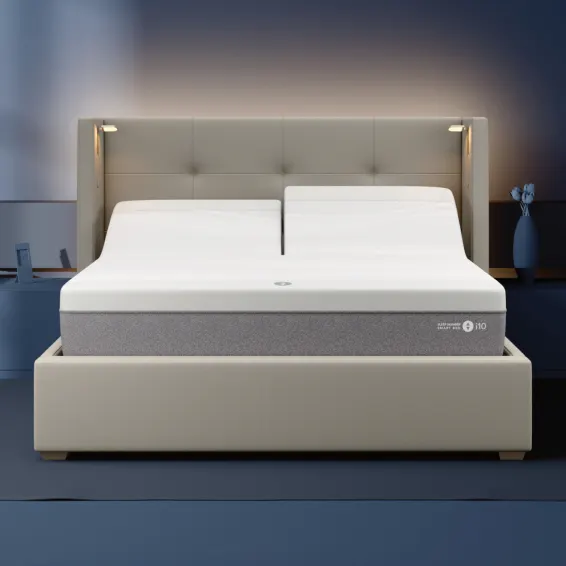
The existing manufacturer links are best treated as places to inspect live details, not as a ranked shortlist. The Sleep Number Box Tufted Buttonless Bed page is a current product page to examine after completing the room and support checks above. You can also See the Saatva Cassis and confirm the current full-size details, then Compare the Saatva Amalfi’s current details before deciding. I would verify configuration availability, exterior measurements, support construction, fabric care, assembly, delivery, price, and policies on each live page rather than inferring them from a product name or photograph.
Who should buy this style, and who should skip it
Low upholstered rails exchange open space beneath the bed for a more grounded visual line. That trade can work well if the room feels calmer with less visible furniture structure and if a padded headboard suits how you arrange pillows or sit in bed.
This category also makes sense when you want the frame and headboard to read as one coordinated piece. The platform can remove the visual stack created by a separate exposed metal frame and freestanding headboard, provided the mattress is compatible with the built-in support design.
- Consider it if: You prefer a low silhouette, do not depend on under-bed bins, and are comfortable caring for fixed upholstery.
- Pause if: Your mattress support instructions do not clearly match the frame.
- Skip it if: Easy access beneath the bed, generous floor clearance, or a higher sitting surface is essential to your routine.
- Choose another layout if: The complete footprint blocks storage furniture, doors, vents, or comfortable paths through the room.
A smaller bedroom does not automatically need the lowest bed. Broad upholstered rails can consume useful floor area even while making the frame appear visually quiet. A simpler frame with more open space underneath may feel lighter in practice.
Likewise, a large room does not automatically need a tall headboard. A low frame can create a deliberate horizontal focus, especially beneath windows or artwork, as long as the measured proportions work. Room scale is a relationship, not a style rule.
My verdict on a modern full upholstered platform bed
A full upholstered platform bed should be chosen from the inside out. Start with the mattress-support surface and center structure. Move outward to joints, rails, upholstery, and room footprint. Judge the low modern silhouette only after those pieces make sense together.
I like this category for a bedroom that benefits from a grounded, finished centerpiece and does not need open storage beneath the mattress. I would skip it when the listing hides essential construction details or when the low rails interfere with cleaning, bedding, room access, or the preferred sitting height.
Final take: The right frame is not simply upholstered, full size, and close to the floor. It is the frame whose support design matches the mattress, whose complete footprint fits the room, and whose fabric you are prepared to maintain.
ONE OPTION WORTH COMPARING
Shopping as well as reading? Here is one current option worth comparing: the Box Tufted Buttonless Upholstered Bed. Check today’s price, sizing and return terms on the official product page before you order.
Box Tufted Buttonless Upholstered Bed
- Do not add a box spring merely to change the height unless both manufacturers allow that arrangement
- The Sleep Number Box Tufted Buttonless Bed page is a current product page to examine after completing the room and support checks above
View the Box Tufted Buttonless Upholstered Bed product page →
FAQ
Do I need a box spring with an upholstered platform bed?
A platform bed is intended to provide a mattress-support surface, but the name alone does not settle the question for every setup. Read the frame instructions and the support requirements for your exact mattress. Do not add a box spring solely for extra height unless both manufacturers permit that arrangement.
Will a full upholstered platform bed fit a standard full mattress?
It should be sold for the matching mattress category, but confirm the interior opening for the exact configuration. Also record the exterior furniture measurements, since padded rails and the headboard extend beyond the mattress and determine the real room fit.
Can I store items underneath a modern-to-the-floor bed?
Only if the manufacturer identifies usable clearance or built-in storage for that frame. A floor-hugging silhouette usually leaves less open space than a visibly raised base, and product photographs are not reliable measurements of storage access.
What should I look for in the platform support?
Identify what directly supports the mattress, how that surface attaches, what reinforces the center, and where the structure meets the floor. Then match those details with the mattress maker’s foundation instructions and study the assembly diagram for the precise configuration.
Which upholstered bed should I consider first?
Start with the frame whose current manufacturer page gives you the clearest answers about support, full-size fit, complete footprint, upholstery care, assembly, and delivery. Style should break the tie only after the structural and room-fit questions are settled.