
 by
by Cotton beats viscose on durability, breathability, and total cost of ownership. Viscose beats cotton on silky hand-feel and price-per-luxury-feel. For hot sleepers, cotton percale is the clear call. If you want slinky drape and accept replacing the set every 18 to 24 months, viscose works. The catch: most "bamboo" sheets sold in the US are bamboo viscose, and the FTC has been fining brands that hide that fact.
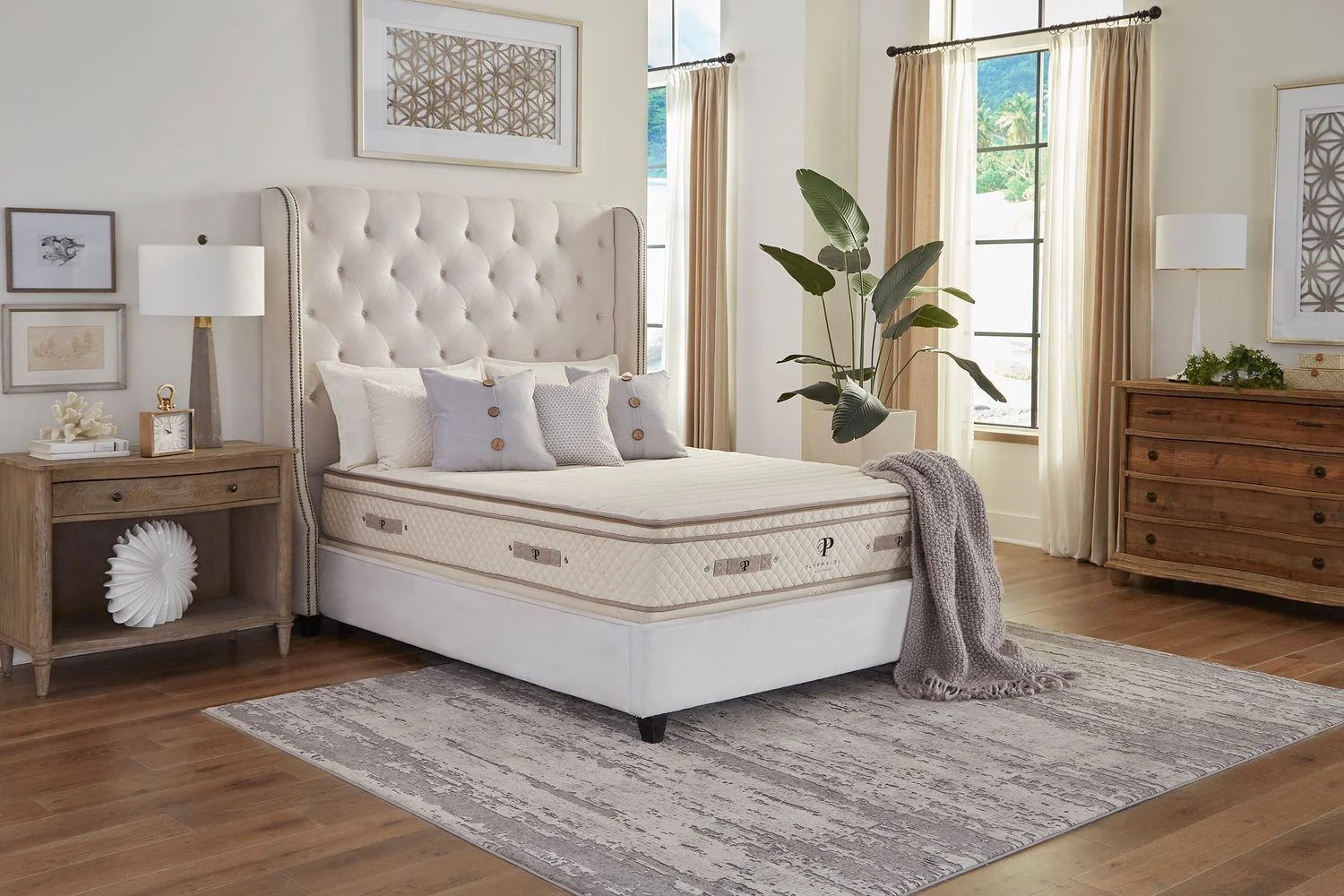
PlushBeds Organic Cotton Sheets
9.0/10
- GOTS-certified organic long-staple cotton, no synthetic pesticides or bleach
- Available in percale (cool, crisp) and sateen (smooth, warmer) weaves
- Outlasts bamboo viscose by 2 to 4 years in real-use conditions
- No greenwashing: PlushBeds discloses the full supply chain
- Premium price vs midmarket cotton sets
- Percale can feel stiff the first few washes
If you want organic certification and durability without paying viscose-replacement cycles, PlushBeds organic cotton sheets are the most transparent pick at this tier. GOTS-certified from field to finished product.
Disclosure: MattressNut is reader-supported. We may earn a commission when you purchase through links on this page, at no extra cost to you. Our editorial picks are independent of commercial relationships.
Viscose vs Cotton Sheets 2026: Which Fabric Sleeps Better (And Lasts Longer)?
This guide breaks down what each fiber actually is, how the chemistry of viscose affects what you sleep on, and the scenarios where one clearly beats the other. We pull from the FTC Green Guides (2023-2024 update), the Textile Exchange 2024 fiber report, and the Higg Materials Sustainability Index, plus a year of Reddit r/Bedding reviews.
Quick Verdict by Sleeper Type
- Hot sleeper: Cotton percale (200-280 TC). Cotton wicks faster and doesn't trap humidity.
- Cold sleeper or cool bedroom: Cotton sateen (300-400 TC) or viscose. Both feel warmer to the touch.
- Soft-feel obsessive: Bamboo viscose or modal. Silkier drape than any cotton.
- Eco-conscious shopper: GOTS-certified organic cotton or TENCEL lyocell. Skip standard viscose.
- Budget under $60: Cheap cotton percale outlasts cheap bamboo viscose by years.
- Allergy-prone: Organic cotton. Less residual chemical load than rayon-process fibers.
What Viscose Actually Is
Viscose is a regenerated cellulose fiber. Cellulose, usually from wood pulp or bamboo, is treated with sodium hydroxide (NaOH) and carbon disulfide (CS2) to create a thick, viscous solution. That solution is forced through spinnerets to form fibers, washed, and spun into yarn. The xanthate route was invented in the late 19th century and still dominates global rayon production.
The fiber that comes out the other end is technically plant-derived but heavily chemically reconstituted. The drape is fluid and slinky. The hand-feel resembles silk at a fraction of the price. The weakness, hidden by marketing, is what CS2 does to workers and waterways, and what wet conditions do to viscose strength.
Rayon vs Viscose vs Modal vs Lyocell
Rayon is the umbrella term for all regenerated cellulose fibers. Viscose is one specific type of rayon made via the CS2/NaOH process. Modal is a viscose variant with modified processing that gives the fiber higher wet strength, useful for sheets that survive more washes. Lyocell, sold under the brand name TENCEL by Lenzing, uses a closed-loop NMMO (N-methylmorpholine N-oxide) process that recovers more than 98% of the solvent. Lyocell is the eco-friendly cousin. The other three are not.
The Bamboo Marketing Trap
According to Textile Exchange's 2024 report, more than 85% of bamboo textiles on the global market are bamboo viscose, not mechanically processed bamboo. The bamboo plant is the starting material, but the finished fiber is rayon. The FTC has issued fines totaling over $3.1 million since 2021 against brands marketing chemically processed bamboo as "natural bamboo" or "organic bamboo." Under the FTC Green Guides, the legally correct label is "rayon made from bamboo" or "viscose from bamboo." If a sheet listing says simply "bamboo" or "100% bamboo," it is almost certainly viscose.
What Cotton Actually Is
Cotton is harvested from the seed hairs of the Gossypium plant. Once picked, the fibers are cleaned, carded into a continuous web, and spun into yarn. No solvents, no xanthate, no closed-loop chemistry needed. Long-staple cotton (fibers 1.5 inches or longer, such as Pima, Egyptian, or Supima) makes the smoothest, strongest sheets because the fewer fiber ends per inch of yarn mean less pilling and more tensile strength.
Cotton's downsides are real. Conventional cotton uses around 10,000 to 20,000 liters of water per kilogram of fiber and accounts for roughly 16% of global insecticide use. GOTS-certified organic cotton fixes most of that: no synthetic pesticides, predominantly rain-fed irrigation, and a verified supply chain. PlushBeds and Saatva sell GOTS-certified options at the mid-premium tier.
Performance Comparison: Side-by-Side
| Property | Viscose / Bamboo Viscose | Cotton |
|---|---|---|
| Softness | Very soft, silky, fluid drape | Soft, crisp or smooth depending on weave |
| Breathability | Moderate; holds humidity | High; airflow through percale weave |
| Moisture handling | Absorbs ~50% of weight; slow release | High absorbency, faster release |
| Wet strength | Loses 30-50% strength when wet | Strong wet or dry |
| Durability | 1-3 years with regular use | 3-7 years with quality construction |
| Pilling | Pills around year 1-2 | Minimal pilling on long-staple sets |
| Shrinkage (first wash) | 5-10% | 3-5% |
| Care | Cold water, gentle, low heat dry | Warm or hot wash safe |
| Queen set price | $40-$250 | $30-$300 |
| Hot sleeper rating | Decent but humid in summer | Excellent in percale weave |
Environmental Impact: The Honest Picture
Neither fiber is innocent. The relevant question is which version of which fiber.
Viscose Production Footprint
The CS2 process emits carbon disulfide, a volatile compound documented to cause neurological damage in textile workers exposed to it long-term. Wastewater from viscose production carries sodium hydroxide, sulfuric acid, and residual CS2 if not properly treated. Sourcing wood pulp from ancient or endangered forests has driven NGO campaigns (Canopy's CanopyStyle initiative) to push producers toward FSC-certified sources. The Higg Materials Sustainability Index lists biogenic carbon content for regenerated cellulose at roughly 0.39 kg C/kg.
Cotton Production Footprint
Conventional cotton is thirsty. Estimates of water use vary widely (10,000 to 20,000 liters per kilogram is the commonly cited range, depending on region and irrigation method). Pesticide load is substantial. Organic cotton certified under GOTS removes synthetic pesticides, requires non-GMO seed, and audits the chain from field to finished product. Rain-fed organic cotton (common in India and parts of Africa) cuts water draw dramatically compared with irrigated conventional cotton.
If Eco Is the Tiebreaker, Pick Lyocell
TENCEL lyocell, made by Lenzing in Austria, runs the entire fiber regeneration inside a closed loop that recovers over 98% of the NMMO solvent. The hand-feel sits between cotton percale and bamboo viscose: smooth, cool, and breathable. Sijo, Buffy, and Boll & Branch's Eucalyptus line all run around $180 to $300 per Queen set. For shoppers who want the silk-like drape of viscose without the CS2 footprint, lyocell is the cleaner answer.
Top Sheet Brands by Fiber, 2026
Organic Cotton Sateen
PlushBeds organic cotton sheets come GOTS-certified with long-staple cotton and a 100-night trial, making them one of the cleanest picks in this category. Saatva Lofton 300 TC organic cotton sateen runs about $245 to $265 for a Queen set, dual GOTS and Fair Trade Certified, with a 45-day return window. Boll & Branch Signature sateen sits at $268 with similar certifications and a 30-day window. Brooklinen Luxe 480 TC undercuts both at $209 with OEKO-Tex (chemical residue tested) instead of GOTS, but adds a 365-day return that no premium competitor matches.
For shoppers who want the cleanest combination of certifications and a verified supply chain, the PlushBeds organic sheet line and the Saatva Lofton organic sateen are the two we keep returning to at this tier.
Cotton Percale for Hot Sleepers
Saatva's organic cotton percale (200 TC, GOTS, Fair Trade) lands around $195 to $245 Queen. It is the brand's cooler-sleeping option, with the crisp matte hand of a luxury hotel sheet. Brooklinen Classic Percale is the cheaper alternative at around $149. For under $60, a basic cotton percale from any midmarket retailer outperforms most bamboo viscose sets on cooling.
Bamboo Viscose
Cariloha bamboo viscose runs $200 to $250 Queen. Layla bamboo viscose lands at $150 to $200. Mellanni bamboo viscose on Amazon sells for $40 to $80. The Amazon tier is genuinely soft on day one but expect pilling and color fade inside 18 months. Cariloha's heavier construction lasts longer but still falls short of cotton sateen at the same price.
Lyocell / Eucalyptus
Sijo TENCEL lyocell sits at $200 to $250 Queen. Buffy Eucalyptus is similar at $180 to $220. Boll & Branch Eucalyptus runs $250 to $300 with GOTS-equivalent certification. All three sleep cool, drape softly, and avoid the CS2 baggage of standard viscose.
How to Read a Sheet Label Without Getting Tricked
- "100% viscose from bamboo" = standard chemical viscose process. Not eco-friendly despite the bamboo origin.
- "Bamboo lyocell" or "TENCEL bamboo" = closed-loop NMMO process. Eco-superior.
- "Modal" = viscose variant with better wet strength. Still rayon, still CS2 process.
- "OEKO-Tex 100" = the finished fabric was tested for chemical residue. Says nothing about how the fiber was grown.
- "GOTS" = organic cotton with verified chain of custody and environmental criteria.
- "Fair Trade Certified" = labor and wage standards at the production facility.
- "TENCEL" = branded lyocell from Lenzing. Reliable.
- "100% natural bamboo" = red flag. The FTC requires that chemically processed bamboo be labeled rayon/viscose.
Best Pick by Use Case
For Hot Sleepers
Cotton percale beats viscose every summer. Percale's open 1-over-1-under weave creates measurable airflow that wicks moisture and dries fast. Bamboo viscose absorbs sweat but holds it close to the skin, which feels humid and clammy at 3am. The Saatva organic percale and Brooklinen Classic Percale are the two we keep returning to.
For Cold Sleepers and Cool Bedrooms
Cotton sateen (300 TC and up) or bamboo viscose both feel warmer to the skin. Sateen wins on durability, with a 3 to 7 year lifespan vs 1 to 3 for viscose. The Saatva Lofton sateen is our default winter recommendation, with Saatva's flannel option for true cold-room sleepers.
For the Silky-Feel Obsessive
This is viscose's home turf. The fluid drape of bamboo viscose against bare skin is genuinely different from any cotton, including silk-finish sateen. The trade-off is real: expect to replace the set every 18 to 24 months and accept some pilling. Cariloha and Layla are the most consistent options at the premium end.
For the Eco-Conscious Shopper
GOTS-certified organic cotton or TENCEL lyocell. Skip standard viscose unless the brand specifies FSC-sourced pulp and EU BAT (Best Available Techniques) production. The PlushBeds organic sheets, the Boll & Branch Signature, and the Sijo TENCEL are the three cleanest options we audited.
For Allergy-Prone Sleepers
Organic cotton. The chemical residue load is the lowest of any sheet category, and dust mites struggle in tightly woven percale because the surface offers less harbor than the looser sateen weave. OEKO-Tex Standard 100 certification confirms that the finished fabric tested below threshold for harmful substances.
For the Sub-$60 Budget Buyer
Cheap cotton percale lasts longer than cheap bamboo viscose. A $30 to $50 cotton percale set from a midmarket retailer will outlast a $50 Amazon "bamboo" set by a year or more. The premium feel of cheap viscose is real but short.
Care Guide That Actually Extends the Life of Your Sheets
Viscose Care
Wash cold on the gentle cycle. Mild detergent only. Skip bleach and skip fabric softener (softener coats the fiber and ruins drape). Low tumble dry or, ideally, line dry. Iron low if needed. Expect 5% to 10% shrinkage on the first wash. Rotate two sets to push the lifespan to the upper end of 2 to 3 years.
Cotton Care
Warm or hot wash is safe for white cotton; warm for dyed. Tumble medium. Bleach only on whites and only sparingly. Iron medium-high if you want the crisp hotel look on sateen. Expect 3% to 5% shrinkage. High-quality long-staple cotton actually softens with the first 5 to 10 washes.
The Thread Count Myth Both Fibers Exploit
Thread count is the number of threads woven into one square inch of fabric, counting both vertical (warp) and horizontal (weft) yarns. Higher thread count, the marketing implies, equals higher quality. In reality, the relationship breaks down past a certain ceiling.
For sateen, the sweet spot is 300 to 400 TC on long-staple cotton. Past 400 TC, brands typically use multi-ply yarn (where two thinner yarns are twisted and counted as multiple threads) to inflate the marketing number. The fabric does not get meaningfully better past 500 TC. The Brooklinen Luxe at 480 TC is a real 480 TC of single-ply long-staple, which is rare at the price point. Many "1,000 TC" Egyptian cotton sheets on Amazon use multi-ply tricks to reach the number.
For percale, the sweet spot is 200 to 280 TC. Percale is, by definition, a tighter 1-over-1-under weave; going past 280 TC tends to compromise the cool, crisp hand-feel that defines the weave.
For viscose and bamboo viscose, thread count is less meaningful because the fiber itself is silkier and the weave pattern matters more than the count. Most bamboo viscose sheets list 300 to 400 TC by convention. The actual indicator of quality is the fiber source (lyocell vs viscose) and the brand's process disclosure.
Weave Matters More Than Thread Count
The three weaves you will encounter most often:
- Percale (1-over-1-under): matte, crisp, breathable. The standard hotel fitted-sheet weave. Cooler-sleeping than sateen.
- Sateen (4-over-1-under): lustrous, smooth, slightly warmer. The standard luxury bedding weave.
- Twill (diagonal): textured, durable, between percale and sateen in feel. Less common in bedding; more common in apparel.
If you laid out two sets of the same long-staple organic cotton, one woven percale at 200 TC and one woven sateen at 300 TC, they would feel like completely different products. Cool and crisp vs smooth and silky. Same fiber, different weave, different sleeping experience. Pick your weave first, then your thread count.
Five-Year Cost-of-Ownership Math
The lifetime math reframes the price question. Most buyers think in upfront cost per set. The honest comparison is cost per year of comfortable use.
| Scenario | Upfront | Lifespan | 5-Year Cost |
|---|---|---|---|
| Amazon bamboo viscose ($50) | $50 | 18 months | ~$167 (3.3 sets) |
| Cariloha bamboo viscose ($225) | $225 | 2-3 years | ~$450 (2 sets) |
| Cheap cotton percale ($40) | $40 | 3-4 years | ~$60 (1.5 sets) |
| PlushBeds organic cotton ($220+) | $220+ | 5-7 years | $220 (1 set) |
| Sijo TENCEL lyocell ($225) | $225 | 3-5 years | ~$340 (1.5 sets) |
The premium cotton path is, somewhat counterintuitively, the cheapest over a five-year window. The Amazon bamboo viscose, sold as a "value" play, ends up costing more than buying a quality organic set once. This is the durability gap doing its work.
What Real Buyers Say
From Reddit r/Bedding and verified product reviews logged between 2024 and 2026:
- "Viscose sheets feel like sleeping in silk but they pill after a year" (Reddit r/Bedding)
- "Cotton percale keeps me cool, viscose felt sticky in summer" (Trustpilot)
- "Bamboo viscose from Amazon ($50 set) lasted 18 months, my Brooklinen cotton is on year 4" (Reddit)
- "Love the drape of viscose but had to replace after 2 years of daily use" (Saatva review thread)
The pattern across hundreds of reviews is consistent: people who love viscose love the feel and accept the lifespan. People who switch back to cotton cite cooling and longevity.
Frequently Asked Questions
What is viscose made of?
Viscose is a regenerated cellulose fiber. Wood pulp or bamboo cellulose is dissolved in sodium hydroxide and carbon disulfide, then extruded into fibers. The result is plant-derived but chemically reconstituted, with a silky drape closer to silk than to cotton.
Is viscose better than cotton for sheets?
It depends on your priority. Viscose is softer and silkier on day one. Cotton is more breathable, more durable, and better for hot sleepers. For total cost of ownership over five years, cotton wins almost every time.
Is viscose the same as rayon?
Viscose is a type of rayon. Rayon is the umbrella term for regenerated cellulose fibers, which includes viscose (CS2 process), modal (modified viscose), and lyocell (NMMO closed-loop). All three are rayon. Only viscose is made via the standard xanthate route.
Is bamboo viscose eco-friendly?
No. Over 85% of bamboo textiles globally are bamboo viscose, made with the standard chemical process. The bamboo plant is renewable, but the fiber production is not low-impact. Look for bamboo lyocell or TENCEL if you want the silky feel with a cleaner production footprint.
How long do viscose sheets last?
One to three years with regular use. Higher-end brands (Cariloha, Layla) can stretch to three. Cheap Amazon bamboo viscose sets often fail within 18 months due to pilling and weave breakdown.
What is the FTC bamboo labeling rule?
Under the FTC Green Guides (updated 2023-2024), chemically processed bamboo must be labeled "rayon from bamboo" or "viscose from bamboo." Brands using "100% bamboo" or "natural bamboo fiber" for what is actually viscose face fines that have collectively exceeded $3.1 million since 2021.
Cotton sateen vs viscose for hot sleepers?
Neither is the right answer for summer sleeping. Cotton percale beats both for cooling. Cotton sateen sleeps warmer than percale because of its tighter 4-over-1 weave, and viscose holds humidity. For hot sleepers, the order is cotton percale, then linen, then lyocell, then sateen, with viscose at the bottom.
Fact-checked against FTC Green Guides (2023-2024 update), Textile Exchange 2024 fiber report, Higg Materials Sustainability Index, and verified retailer product pages. Reviewed and updated June 2026. MattressNut maintains editorial independence from brands featured in this guide.