
 by
by Yes, you can put a mattress directly on the floor. Plenty of people do it, whether out of necessity, preference for a firmer feel, or a minimalist bedroom setup. But doing it long-term comes with real consequences: moisture buildup, voided warranties, and a closer relationship with dust and allergens than most sleepers want. This guide covers everything honestly so you can decide whether the floor is where your mattress belongs.
Sleep Lab Editor's Pick
Skip the floor and its mold and warranty risks. Our Editor's Pick: the Saatva Classic with a matched Saatva Foundation — proper airflow, full warranty coverage, free white-glove delivery, 365-night trial.
Why People Put Their Mattress on the Floor
The appeal is straightforward. It costs nothing. No frame, no box spring, no foundation to buy. For people moving into a new apartment, waiting on furniture, or simply keeping things simple, the floor is a practical stopgap. A few other reasons come up consistently:
- Firmer feel. With a solid surface underneath, a mattress compresses less, which some back and stomach sleepers prefer.
- Lower profile. A floor-level sleeping setup suits people who prefer getting on and off a low bed, including young children or those transitioning from a crib mattress.
- No squeaking. Frames creak. Foundations squeak. The floor does neither.
- Stable surface. Unlike a slatted base with wide gaps, the floor offers even support across the entire mattress surface.
The Real Risks You Need to Know
The floor is not neutral ground for a mattress. Several problems develop gradually and are easy to miss until real damage is done.
Mold and moisture. When you sleep, your body releases heat and moisture downward into the mattress. On a frame or foundation, that moisture dissipates through airflow beneath the mattress. On the floor, there is nowhere for it to go. It pools at the bottom layer, and in humid conditions, mold can develop in as little as six to eight weeks. Memory foam and hybrid mattresses, which trap more heat than innerspring models, are especially vulnerable.
Dust, allergens, and insects. Floor level concentrates dust, pet dander, and allergens. If you have asthma or year-round allergies, sleeping inches from the floor puts you closer to exactly the particles that trigger symptoms. Insects, particularly dust mites and, in some climates, bed bugs, are also more likely to reach your mattress when it sits directly on the ground.
Cold sleeping surface in winter. Floors are cold, especially hardwood, tile, and concrete. In winter months, a mattress on the floor can make the underside significantly colder than the sleeping surface, contributing to condensation and discomfort.
Warranty voidance. This is the point most people overlook until it is too late. The majority of foam and hybrid mattress brands, including many major manufacturers, specify in their warranty terms that the mattress must be used on a proper foundation, platform, or frame with adequate support. Placing the mattress on the floor voids the warranty. If you develop a sag or indentation within the warranty period, your claim will likely be denied.
Difficulty getting up. For older adults, people with joint issues, or anyone recovering from injury, floor-level sleeping makes standing up significantly harder. The physical effort required to rise from floor level is not trivial and increases fall risk.
Floor vs. Proper Foundation: Side-by-Side Comparison
| Factor | Mattress on Floor | Mattress on Foundation or Platform |
|---|---|---|
| Cost | Free | $100-$400+ depending on type |
| Airflow beneath mattress | None | Good to excellent |
| Mold and moisture risk | High | Low |
| Warranty status | Voided for most brands | Maintained |
| Allergen exposure | Elevated (floor-level dust) | Reduced |
| Firmness feel | Firmer (solid surface) | Normal to slightly softer |
| Ease of getting in/out | Difficult for some users | Standard bed height, easier |
| Noise | Silent | Possible frame or slat noise |
| Pest and insect access | Higher risk | Lower risk |
| Long-term mattress lifespan | Shortened | Full expected lifespan |
How to Do It More Safely If You Must
If a foundation is not an option right now, a few precautions can reduce the main risks without costing much.
Use a breathable barrier. A slatted wood pallet or a purpose-built ventilating mat placed under the mattress creates a small gap between the mattress and the floor. This allows some airflow and significantly reduces moisture accumulation. Avoid solid plastic sheets or tarps, they trap humidity and make conditions worse.
Air the mattress weekly. Once a week, stand the mattress vertically against a wall for two to four hours. This releases trapped moisture and slows mold growth. It is not a perfect solution, but it helps.
Control humidity in the room. A dehumidifier set to keep relative humidity below 50% makes a measurable difference, especially in basements, ground-floor apartments, and humid climates. Moisture is the primary driver of the risks associated with floor sleeping.
Inspect the underside monthly. Flip the mattress and check the bottom surface for dark spots, musty odor, or visible mold. Catching it early gives you options. Finding it after six months usually means the mattress needs replacing.
Choose the right mattress type. Innerspring mattresses with coil systems handle floor placement better than dense foam or hybrid constructions. The coil structure provides some internal airflow. That said, most innerspring brands still void warranties for floor use, check your documentation.
For more on thickness and construction considerations, see our mattress thickness guide.
The Warranty Warning Most Buyers Miss
It is worth repeating this point clearly: most mattress warranties contain foundation requirements. The language varies, but the standard clause reads something like: "The mattress must be used on a proper foundation, platform bed, or adjustable base with adequate center support. Use of any other surface voids this warranty."
If you paid $800, $1,200, or more for a mattress and it develops a body indentation within the warranty period, the manufacturer will ask how it was supported. If the answer is the floor, the claim ends there. A quality foundation or platform bed is not a luxury add-on, it is what keeps your warranty valid and your mattress lasting as long as it should.
Why a Foundation or Platform Frame Is the Better Long-Term Answer
A proper base does three things that the floor cannot: it provides airflow, maintains warranty coverage, and keeps the mattress at a height that is functional for most adults. Entry-level platform frames start around $150 and eliminate the most serious risks associated with floor sleeping.
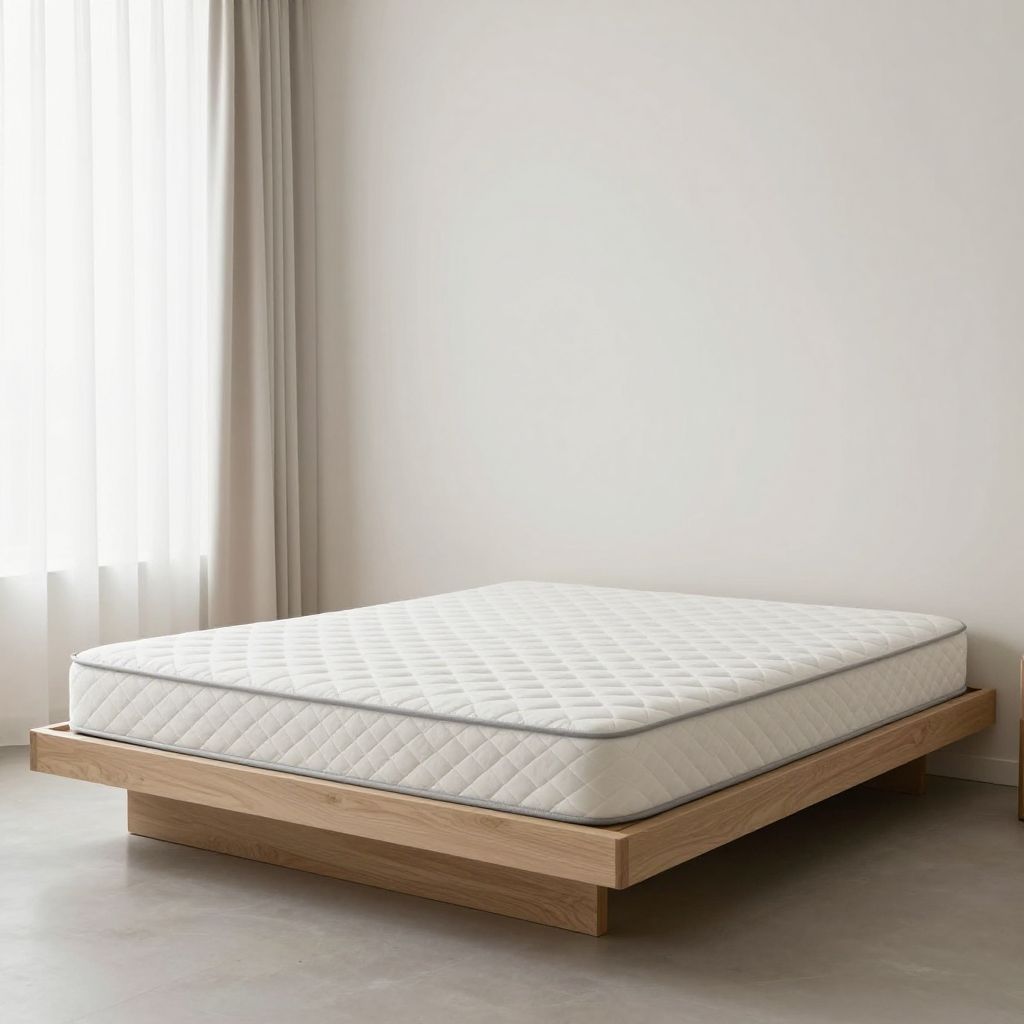
If you want the firmness of a solid surface without floor-level problems, a low-profile platform bed with a solid deck sits only a few inches off the ground, close enough to satisfy minimalist preferences, high enough to allow air circulation. Our best bed frame guide covers options at every price point.
For mattresses designed to be used with a proper foundation, and that come with clear warranty terms backing it up, the Saatva Classic paired with the Saatva Foundation is one of the strongest combinations available. The Saatva Foundation is built specifically to complement the mattress, providing even support and full warranty coverage. If you have been using a mattress on the floor and are ready to fix the setup properly, this is a worthwhile upgrade. Check current pricing on the best mattress deals page.
FAQ: Mattress on the Floor
Does sleeping on a mattress on the floor hurt your back?
It depends on your sleep position and the mattress. The firmer surface can benefit back and stomach sleepers who want less give. Side sleepers typically need more pressure relief at the hips and shoulders, a floor setup often makes discomfort worse for them over time.
How long can you keep a mattress on the floor before mold develops?
In a dry climate with good ventilation, you may go months without visible mold. In a humid room, basement apartment, or during summer months with poor airflow, mold can appear in six to eight weeks. Weekly airing and a dehumidifier extend that window significantly but do not eliminate the risk entirely.
Does putting a mattress on the floor void the warranty?
For most brands, yes. Foam mattresses (including memory foam), latex mattresses, and hybrids typically require a foundation, platform, or frame as a condition of warranty coverage. Read your warranty documentation carefully before assuming the floor is an acceptable surface.
Can you put a box spring mattress on the floor?
An innerspring mattress can physically sit on the floor. It handles the surface better than foam constructions because the coils provide some internal airflow. That said, the warranty voidance issue still applies to most brands, and moisture and allergen risks remain.
Is sleeping on the floor good for posture?
Some people report temporary relief from back tension, particularly those who sleep on firm surfaces by preference. There is no strong clinical evidence that floor sleeping improves posture long-term. Discomfort at the hips, shoulders, and knees is common for side sleepers, and cold floors in winter add another variable.
What can I put under my mattress instead of a bed frame?
A slatted wood pallet, a bunkie board, or a low-profile platform base all provide meaningful improvement over bare floor. They introduce airflow and reduce moisture buildup without requiring a full-height bed frame. See our foundation guide and bed frame options for specific picks. If mold is already a concern, also review our guide on how to get mold out of a mattress.
Will my mattress get dusty or attract bugs on the floor?
Yes, both are more likely. Floor level accumulates dust, pet hair, and dander faster than a raised surface. Insects, including dust mites and bed bugs, reach floor-level mattresses more easily. Using a mattress encasement and keeping the floor clean around the mattress helps, but getting it off the floor is the most effective solution.