
 by
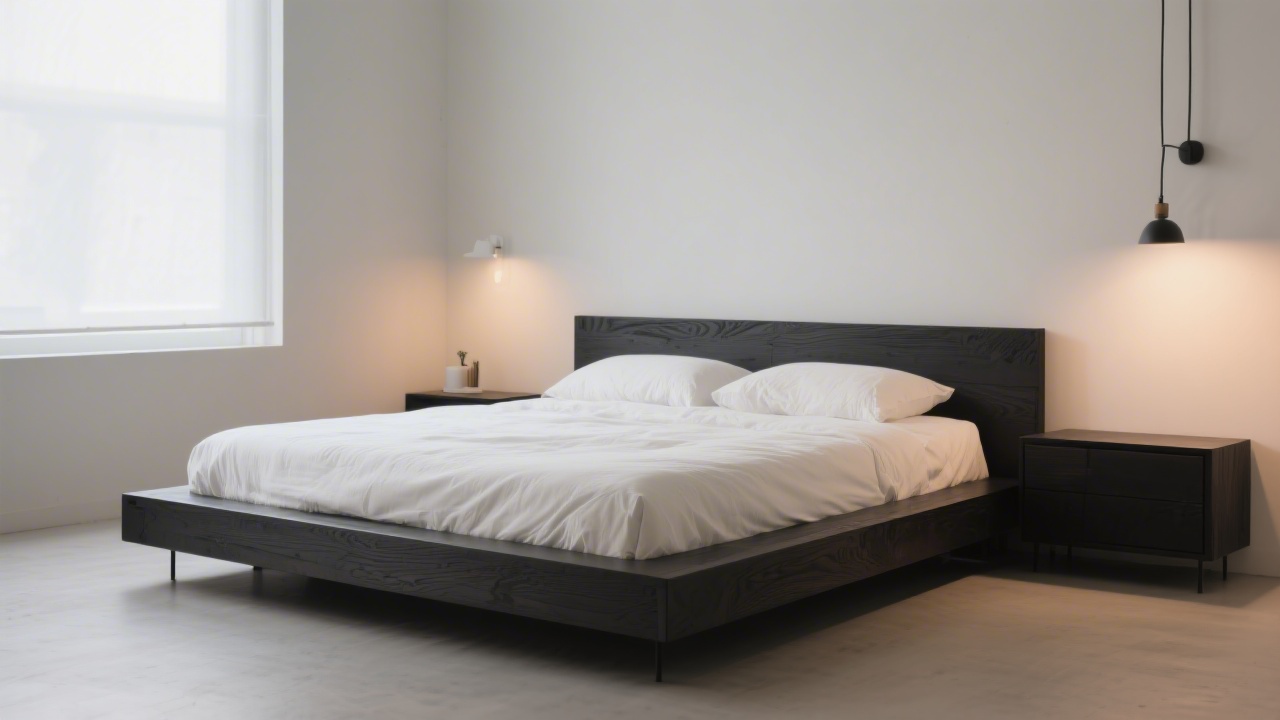
by A platform bed is a bed frame with a built-in base -- either solid wood/metal or closely-spaced slats -- that supports a mattress directly without needing a box spring. It is the most common bed frame sold today, favored for its low profile, clean lines, and compatibility with modern foam and hybrid mattresses.
Matching bed frame and base: Puffy lineup
A new mattress rarely performs at its best on an aging box spring or sagging slats. Puffy runs a full foundation catalog sized to match their mattresses: bed frames in upholstered and platform styles, a Smart Bed kit that bundles mattress plus adjustable base, and accessories like bedding and frames with integrated storage.
The adjustable base pairs are worth considering if you read in bed, snore, or have reflux. Head elevation of 30°+ is clinically associated with reduced snoring and GERD symptoms. Puffy's smart-bed set is built around their own mattresses so firmness and profile fit out of the box.
Ownership terms: CertiPUR-US foams where applicable, made in USA for core mattresses, lifetime mattress warranty, standard base warranty.
How a Platform Bed Works
Traditional bed frames are essentially four-sided rails that hold a box spring, which in turn supports the mattress. A platform bed eliminates the box spring by providing the support surface itself. The two main platform types are:
- Solid platform: A continuous deck of wood or metal slats with no gaps. Maximum support, best for foam mattresses. Slightly reduces airflow.
- Slatted platform: Evenly-spaced wooden slats (ideally 2-2.5 inch gaps or less). Better airflow; suitable for most mattress types. Slat spacing over 3 inches can cause foam impressions.
Benefits of a Platform Bed
- No box spring needed: Eliminates a $150-$400 expense and simplifies setup.
- Lower profile: Sits 6-12 inches off the floor for a modern, minimal aesthetic.
- Stability: The rigid base prevents mattress shift and sag.
- Under-bed storage: Higher-clearance platform beds (14+ inches) accommodate storage drawers or bins.
- Universal compatibility: Works with memory foam, latex, and hybrid mattresses without voiding warranties.
Drawbacks of a Platform Bed
- Low height: Getting in and out of bed can be harder for elderly sleepers or those with joint issues. (See our best mattress for seniors guide for height considerations.)
- Slat gaps: Widely-spaced slats (over 3 inches) can damage foam mattresses over time. Check slat spacing before purchasing.
- Limited compatibility with box spring mattresses: Older innerspring mattresses designed for a box spring may feel different or harder on a solid platform.
Which Mattresses Work Best on a Platform Bed?
| Mattress Type | Platform Compatibility | Notes |
|---|---|---|
| Memory foam | Excellent | Requires solid or close-slatted (2-2.5 in) base |
| Latex | Excellent | Same slat guidance as foam |
| Hybrid | Very good | Coil system handles minor slat gaps better |
| Traditional innerspring | Moderate | Built for box spring; may feel firmer on platform |
| Pillow top | Good | Works on platform; ensure slat support for pillow top weight distribution |
For our top mattress recommendations compatible with platform beds, see our best mattress overall guide and Saatva Classic review. The Saatva Classic is explicitly approved for platform base use by the manufacturer.
Verdict
Frequently asked questions about bed frames
Our top frame pick
Saatva Santorini Platform Bed — from $1,295
Upholstered platform bed with wooden slats at 2" spacing (foam-mattress-safe), rated to 1,000 lbs. 365-night trial, free white-glove delivery and assembly.
Do you need a box spring with a modern mattress?
Usually no. Most mainstream foam, hybrid, and latex mattresses are designed to work on a solid platform, slatted platform, or foundation (all of which can replace a box spring). Box springs are still needed for old-style innerspring mattresses that assume a flexible base. A modern Saatva Foundation is a direct replacement.
What slat spacing works with a foam mattress?
Slats must be 3" or less apart or the mattress warranty is usually void. 2" is safer. Wider spacing lets foam mattresses sag into the gaps within months and creates an uneven surface.
Do I need a platform bed or can I use a regular frame?
A platform bed is a self-contained frame with slats/solid deck built in. Regular frames are metal rails that need a box spring or foundation on top. Platform beds = simpler, shorter overall height. Regular frames + foundation = more traditional height, box-spring flexibility. Both work.
How much weight can a bed frame hold?
Queen frames typically handle 500–700 lbs; king frames 700–1,000 lbs. Heavy-duty frames rated to 1,500+ lbs exist for heavier sleepers. The Saatva Santorini is rated to 1,000 lbs.
Do adjustable bases work with every mattress?
Most foam, hybrid, and latex mattresses work. Traditional innerspring mattresses with interconnected coils usually don't. They lose support when flexed. If you're buying an adjustable base, confirm with your mattress brand that the model is "adjustable-base compatible".
A platform bed is the most practical and versatile bed frame choice for modern mattresses. Skip the box spring, choose a frame with slat gaps under 3 inches (or a solid deck), and pair it with any quality foam or hybrid mattress. The Saatva Classic works natively on platform bases in all three firmness options.
The Saatva Classic Works on Any Platform Bed
Luxury Firm is the most popular. 365-night home trial, free white-glove delivery, lifetime warranty.
Frequently Asked Questions
Do you need a box spring with a platform bed?
No. A platform bed's solid or slatted base replaces the box spring entirely. Adding a box spring to a platform bed would raise the sleeping height unnecessarily and can actually damage some mattress warranties.
What is the standard clearance height of a platform bed?
Most platform beds sit 6 to 12 inches off the floor (measured from the floor to the top of the platform surface). Some storage platform beds have higher clearance (14-16 inches) to accommodate under-bed drawers.
Can you use any mattress on a platform bed?
Most mattress types work on platform beds, including memory foam, latex, and hybrid mattresses. Traditional innerspring mattresses designed for box spring use may feel different on a solid platform. Always verify the manufacturer's foundation requirements -- Saatva, for example, approves their mattresses for platform use.
Are platform beds good for back pain?
Platform beds provide a firm, even surface that prevents mattress sag -- which can benefit back pain sufferers. The key variable is the mattress itself, not the bed frame. A firm, well-supported mattress on a platform bed is a solid combination for lumbar support.
What is the difference between a platform bed and a regular bed frame?
A regular bed frame uses a box spring or separate foundation to support the mattress; the frame provides perimeter support only. A platform bed has a built-in support surface (solid deck or slats) and does not require an additional foundation, resulting in a lower profile and simpler setup.