
 by
by Quick answer: If you’re asking what sheets are the coolest, start with lightweight cotton percale for a crisp, airy feel. Consider lyocell or bamboo-derived viscose if managing night moisture matters more. Linen is another breathable option if you don’t mind texture and wrinkles. Fiber matters, but the weave, fabric weight, finish, and rest of the bedding stack can change the result.
- Hot but mostly dry: cotton percale is my safest starting point.
- Hot and sweaty: lyocell or bamboo-derived viscose may handle dampness more comfortably.
- Prefer natural texture: linen can feel airy without feeling slick.
- Want a smooth finish: lyocell feels fluid, while sateen feels smoother but commonly retains more warmth than percale.
My verdict on what sheets are the coolest is simple: don’t shop by a cooling label or an oversized thread-count claim. Read the fiber content, identify the weave, and consider how heavy the finished fabric feels. Those details say far more about nighttime comfort than the marketing name on the package.
I also wouldn’t call one material universally coolest. A sleeper who feels hot but stays dry needs something different from a sleeper who wakes up damp. The first person usually benefits from airflow. The second may care more about how quickly fabric absorbs and releases moisture.
Updated July 2026 for material, construction, fit, and care guidance.
The Coolest Sheet Materials at a Glance
Cotton percale, lyocell, bamboo-derived viscose, and linen reach a cooler feel through different construction choices. Percale relies heavily on an open, balanced weave. Lyocell and viscose use smooth regenerated-cellulose fibers that tend to drape closely and manage moisture well. Linen combines absorbent fibers with a naturally textured fabric that is often woven for airflow.
The material name alone doesn’t settle the question. Cotton can be woven into airy percale or denser sateen. A lyocell blend can feel light or substantial. Linen can be loose and breezy or surprisingly heavy. I treat the fiber as the first clue, not the final verdict.
| Construction | How it handles heat | Typical feel | Main tradeoff |
|---|---|---|---|
| Cotton percale | Promotes airflow through a balanced weave | Crisp, matte, and dry | Wrinkles readily and may feel firm at first |
| Lyocell | Balances breathability with moisture management | Smooth, fluid, and initially cool to the touch | Can require gentler washing and drying |
| Bamboo-derived viscose | Absorbs moisture and drapes lightly when well constructed | Silky, soft, and less crisp than cotton | Quality and durability vary by yarn and finish |
| Linen | Pairs absorbency with an airy woven structure | Textured, relaxed, and dry | Wrinkles heavily and may feel coarse before softening |
| Cotton sateen | Uses longer surface floats that can reduce airflow | Smooth, lustrous, and more substantial | Often feels warmer than comparable percale |
| Microfiber | Can dry quickly but may limit airflow in dense constructions | Soft, smooth, and lightweight | May feel clammy to sleepers who perspire |
Cotton Percale Is the Crisp, Airy Starting Point
Percale uses a one-over, one-under weave. That balanced grid creates a matte fabric with less yarn floating across the surface than sateen. In practical terms, it usually feels lighter, drier, and less clingy against warm skin.
Cotton itself isn’t automatically cool. The same cotton yarn can become breathable percale or smoother, more insulating sateen. Fabric weight, yarn size, applied finishes, and laundering also affect the finished sheet. That’s why “cotton” on the package isn’t enough information.
Long-staple cotton may produce smoother, stronger yarn because fewer fiber ends protrude from it, but staple length doesn’t decide sleeping temperature by itself. Organic certification also concerns how the material is produced, not how cool the weave feels. For cooling, I still want to know whether the sheet is percale, sateen, jersey, or another construction.
The Nut’s read: choose cotton percale if you like a freshly laundered, hotel-style surface and tend to feel warm without becoming very sweaty. Expect wrinkles. That relaxed look is often part of the bargain with an airy cotton fabric.
Percale can initially feel firm or slightly noisy compared with silky sheets. It often relaxes through normal laundering, though the exact change depends on yarn quality and finishing. If you dislike any crispness, lyocell may be the more comfortable compromise.
Lyocell and Bamboo Viscose Handle Dampness Differently
Lyocell and bamboo-derived viscose are regenerated-cellulose fabrics. Their raw material begins as plant cellulose, but the finished fibers are manufactured rather than simply spun from a stalk or piece of wood. That distinction matters because a label such as “eucalyptus” or “bamboo” doesn’t describe the complete construction.
I look for the actual fiber name and blend percentages on the product label. “Bamboo sheets” commonly means viscose or rayon derived from bamboo. Lyocell is a separate regenerated-cellulose fiber, and TENCEL is a branded form of lyocell. Those labels are more useful than a vague plant-based description.
Both categories are known for a smooth hand and fluid drape. That surface can feel cool when you first get into bed. More importantly for sweaty sleepers, these fibers can absorb moisture without the same crisp, dry sensation as percale. The result feels softer and less rigid, although a very drapey sheet may sit closer to the body.
- Choose lyocell for: a silky surface, gentle drape, and a balance between breathability and moisture handling.
- Choose bamboo-derived viscose for: softness and a fluid feel, provided the full fiber content and care instructions are clearly disclosed.
- Check blends carefully: added cotton can provide structure, while added synthetic fiber may change airflow, drying, and durability.
- Ignore vague green language: a plant-based origin doesn’t tell you the weave, fabric weight, or expected lifespan.
Durability is where I slow down. Very soft regenerated-cellulose sheets can be sensitive to high heat, harsh washing, and abrasion. A luxurious first touch doesn’t necessarily mean the fabric will resist pilling or thinning. Clear care instructions and well-finished seams matter more than an extravagant cooling claim.
Linen Belongs in the Cooling Conversation
Linen has a more textured yarn than cotton percale or lyocell. That texture keeps the surface from feeling slick, and many linen sheets use an open enough construction to move air comfortably. Linen also absorbs moisture, which can help the bed feel less sticky in humid weather.
The tradeoff is obvious as soon as you touch it. New linen may feel coarse, slubby, or rumpled. It generally doesn’t deliver the smooth finish associated with sateen or regenerated-cellulose sheets. Some sleepers love that dry texture; others find it distracting.
Linen weight varies substantially. A heavy linen set can feel more enveloping than a lightweight cotton percale set, even if both fibers are breathable. If a seller discusses only the fiber and says nothing useful about weight or feel, I wouldn’t assume the linen option is cooler.
Best use case: linen makes sense for a hot sleeper who wants airflow, dislikes slippery fabric, and accepts visible wrinkles. It’s less appealing if immediate softness and a perfectly smooth bed are priorities.
Weave Matters More Than a Huge Thread Count
Thread count tells you how many threads have been counted within a section of fabric, but it doesn’t explain yarn quality, fabric weight, finishing, or airflow. It also isn’t directly comparable across every fiber and weave. A larger figure on the label can describe a denser sheet, a multi-ply yarn, or a counting method that doesn’t improve comfort.
Percale’s one-over, one-under grid tends to preserve an airy, crisp character. Sateen commonly uses a four-over, one-under structure, placing longer yarn floats on the face of the fabric. Those floats create its smooth sheen, but the surface generally feels denser and warmer than similar percale.
That doesn’t make sateen bad. A sleeper who runs slightly warm but hates crisp fabric may prefer a lightweight sateen. I just wouldn’t choose it solely because its thread count looks impressive. My guide to what a good thread count for sheets actually looks like goes deeper into reading that specification without treating it as a quality score.
- Read the fiber-content label before the large number on the package.
- Find the weave name rather than assuming all cotton sheets feel alike.
- Favor a lighter, less coated fabric if airflow is the priority.
- Be cautious with wrinkle-resistant or extra-silky finishes when the treatment isn’t explained.
- Use thread count as context, not as a cooling score.
Some Popular Fabrics Feel Warmer Than Expected
Cotton sateen looks polished and feels smooth, but its surface floats commonly create a more enveloping sensation than percale. It may still suit a temperature-neutral sleeper, especially in a lighter construction, but it isn’t my first stop for someone who regularly throws off the covers.
Jersey sheets are knitted rather than woven. Their stretch makes them comfortable and easy to fit, yet the fabric can cling and feel similar to a soft T-shirt. That close contact may be less appealing during hot weather than a crisp woven sheet that lifts away from the skin.
Microfiber deserves a qualified answer. A thin microfiber sheet may feel lightweight and dry quickly, but tightly packed synthetic fibers can restrict airflow and feel damp against a sweaty sleeper. The low price and easy care may still be useful, but “lightweight” and “cooling” aren’t interchangeable.
| Label to inspect | What it reveals | What it does not prove |
|---|---|---|
| Fiber content | The actual materials and any blend | Airflow or finished fabric weight |
| Weave or knit | How the yarns are arranged | Yarn strength or finishing quality |
| Thread count | A limited density measure within its category | Coolness, softness, or durability by itself |
| Cooling finish | That an added treatment may be present | How it performs or lasts without further details |
Fit Matters, but Pocket Depth Is Not a Cooling Technology
A fitted sheet must be deep enough to stay under the mattress without constantly slipping off. That’s especially important on a thick mattress, pillow-top, or bed fitted with a substantial protector. Measure the full stack rather than relying on the mattress model name.
I’d separate fit from thermal performance, though. Deep pockets don’t inherently make fabric cooler, and a snug fitted sheet doesn’t transform the weave. Proper fit simply prevents bunching, loose corners, and excess tension that can make the sleep surface uncomfortable.
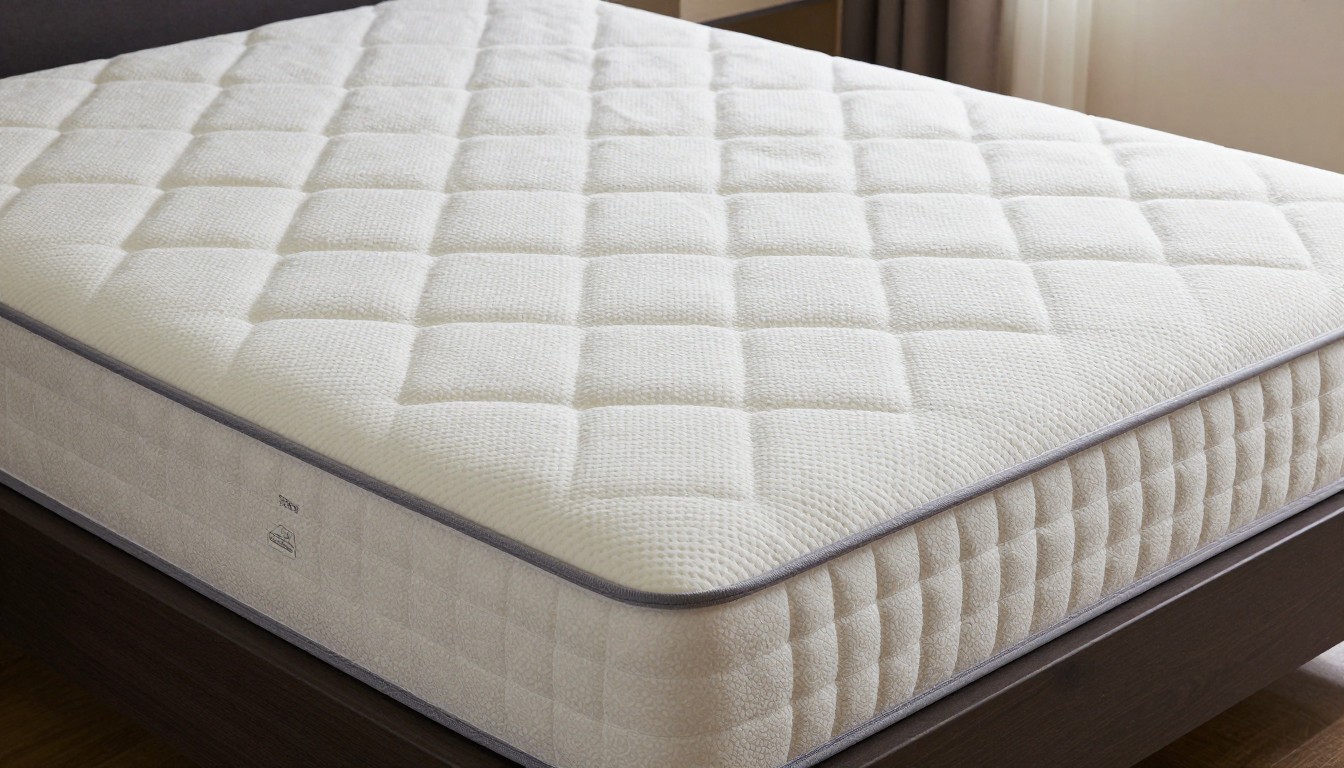
The larger heat issue may sit beneath the sheet. A thick waterproof protector, dense foam topper, heat-retentive mattress cover, or padded mattress pad can dominate how the bed feels. Even a breathable sheet has limited influence if several less-breathable layers sit directly below it.
Fit check: measure the mattress together with any topper and protector. Then compare that total with the fitted-sheet pocket information. Leave enough room for the sheet to tuck securely without buying so much depth that the corners bunch.
Care Can Preserve the Feel You Bought
Heat, detergent residue, softener, and rough washing can change how a sheet feels. Fabric softener leaves a coating intended to create a slick hand, but that residue may reduce absorbency. Heavy product buildup can also make an otherwise breathable fabric feel less fresh.
Low or moderate dryer heat is often kinder to cotton, lyocell, and viscose than an aggressive hot cycle, but the sewn-in care label should decide the method. Different yarns, dyes, seams, and finishes tolerate different treatment. Linen and cotton may handle care differently from delicate regenerated-cellulose fabric.
Overloading the washer or dryer can prevent thorough rinsing and create deeper wrinkles. Harsh drying can also encourage shrinkage or fiber wear. Give the sheets room to move, use only the detergent needed for the load, and remove them after drying rather than repeatedly heating already-dry fabric.
- Follow the care label for water and dryer temperature.
- Skip fabric softener if moisture handling is a priority.
- Rinse away detergent rather than masking residue with fragrance.
- Dry gently and avoid repeatedly heating a finished load.
- Rotate sheet sets so one fabric isn’t taking all the wear.
Cleaning also affects comfort. My explanation of what happens when you don't change your sheets covers the buildup that accumulates in bedding. Once a set is worn thin, permanently rough, or no longer stays fitted, see what to do with old bed sheets before automatically sending it to the trash.
Which Cooling Sheet Should You Actually Buy?
Start by naming the problem. If you feel overheated but rarely wake up damp, I’d begin with lightweight cotton percale. Its crisp surface and balanced weave provide the clearest airflow-first option without requiring a special cooling treatment.
If perspiration is the main complaint, compare lyocell with clearly labeled bamboo-derived viscose. Look beyond the silky display feel and examine fiber content, weave, seams, laundering instructions, and any blend. A fabric that handles moisture well but pills quickly isn’t a strong long-term buy.
If you want a dry, textured surface and don’t care about wrinkles, consider linen. If smoothness matters more than maximum airflow, a lightweight lyocell sheet may be easier to live with. Cotton sateen can be comfortable for people who only sleep mildly warm, but I’d treat its smoother construction as a warmth tradeoff.
| Your priority | My starting construction | What to verify |
|---|---|---|
| Maximum airflow with a crisp feel | Lightweight cotton percale | Percale label, fabric feel, and pocket fit |
| Moisture management with a smooth feel | Lyocell | Full blend, care label, and return terms |
| Very soft drape | Bamboo-derived viscose | Actual generic fiber name and washing guidance |
| Airy fabric with natural texture | Linen | Weight, initial texture, and return policy |
Price doesn’t establish cooling performance. Spend for disclosed materials, sound stitching, a construction you enjoy touching, and terms that let you assess the feel at home. I’d take a straightforward percale with clear labeling over a costly sheet built around an unexplained cooling treatment.
FAQ
Are bamboo sheets actually cooler than cotton?
Not in every construction. For someone asking what sheets are the coolest, bamboo-derived viscose may feel better when moisture is the main problem, while lightweight cotton percale often feels airier and drier. Check the actual fiber name because “bamboo” alone doesn’t explain the finished fabric.
Does a higher thread count mean cooler sheets?
No. A higher thread count can indicate a denser construction, and it doesn’t reveal fabric weight, yarn quality, finishing, or airflow. Compare fiber and weave first. Use thread count only as supporting information within genuinely similar sheets.
What sheet weave is coolest for summer?
Cotton percale is my most dependable airflow-first answer. Its one-over, one-under structure produces a crisp surface that tends to feel less clingy than sateen. Linen can also work well if you prefer texture, while lyocell may suit sleepers who prioritize smoothness and moisture management.
Do cooling sheets work with any mattress?
They can fit most mattresses if the pocket depth is appropriate, but sheets are only the top layer of the sleep system. A dense protector, foam topper, padded cover, heavy duvet, or warm room can outweigh the difference between two sheet fabrics. Check the entire bedding stack if changing sheets doesn’t solve the problem.
How do I keep cooling sheets working over time?
Follow the sewn-in care label, use a reasonable amount of detergent, skip fabric softener if absorbency matters, and avoid unnecessarily harsh drying. These habits help limit residue, shrinkage, and fiber wear, although normal aging will still change the fabric eventually.
ONE OPTION WORTH COMPARING
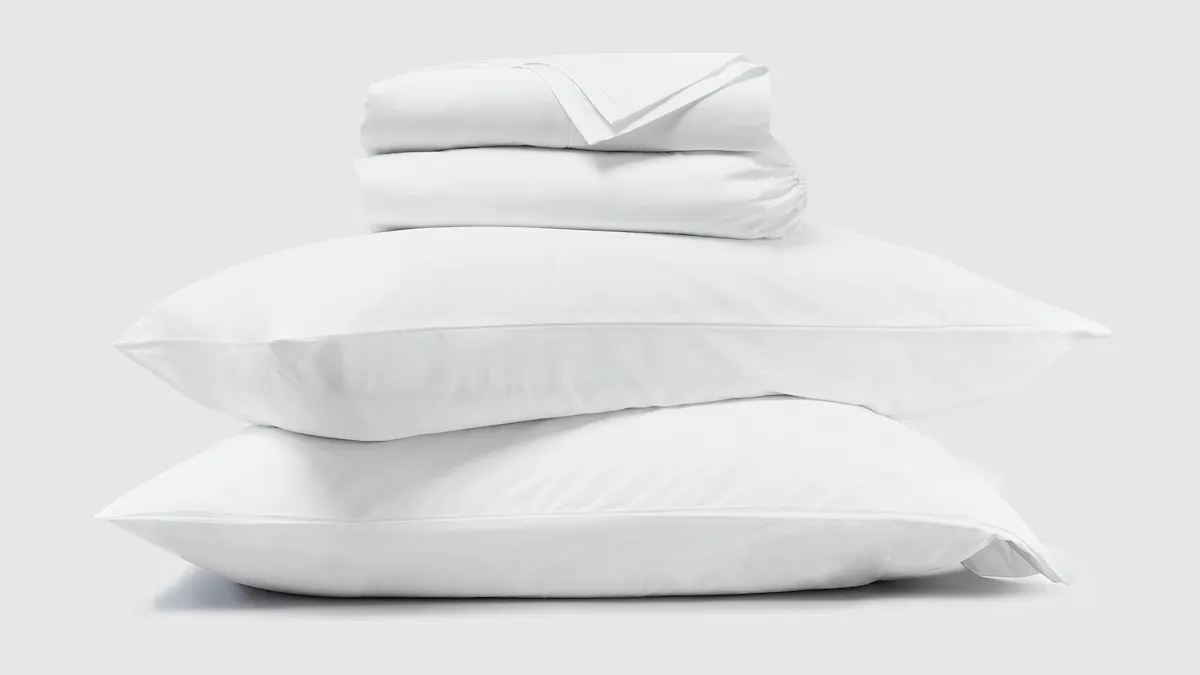
Shopping as well as reading? Here is one current option worth comparing: the Saatva Organic Cotton Sheets. Check today’s price, sizing and return terms on the official product page before you order.
Saatva Organic Cotton Sheets
- Optional Product to Compare Optional shopping context: Saatva Organic Cotton Sheets are one set you may encounter while comparing breathable bedding
One Optional Product to Compare
Optional shopping context: Saatva Organic Cotton Sheets are one set you may encounter while comparing breathable bedding. Confirm the current fiber content, weave, fitted-sheet depth, care instructions, price, and return terms on the official product page. The name alone doesn’t establish cooling performance, so judge the disclosed construction against the material priorities above.