
 by
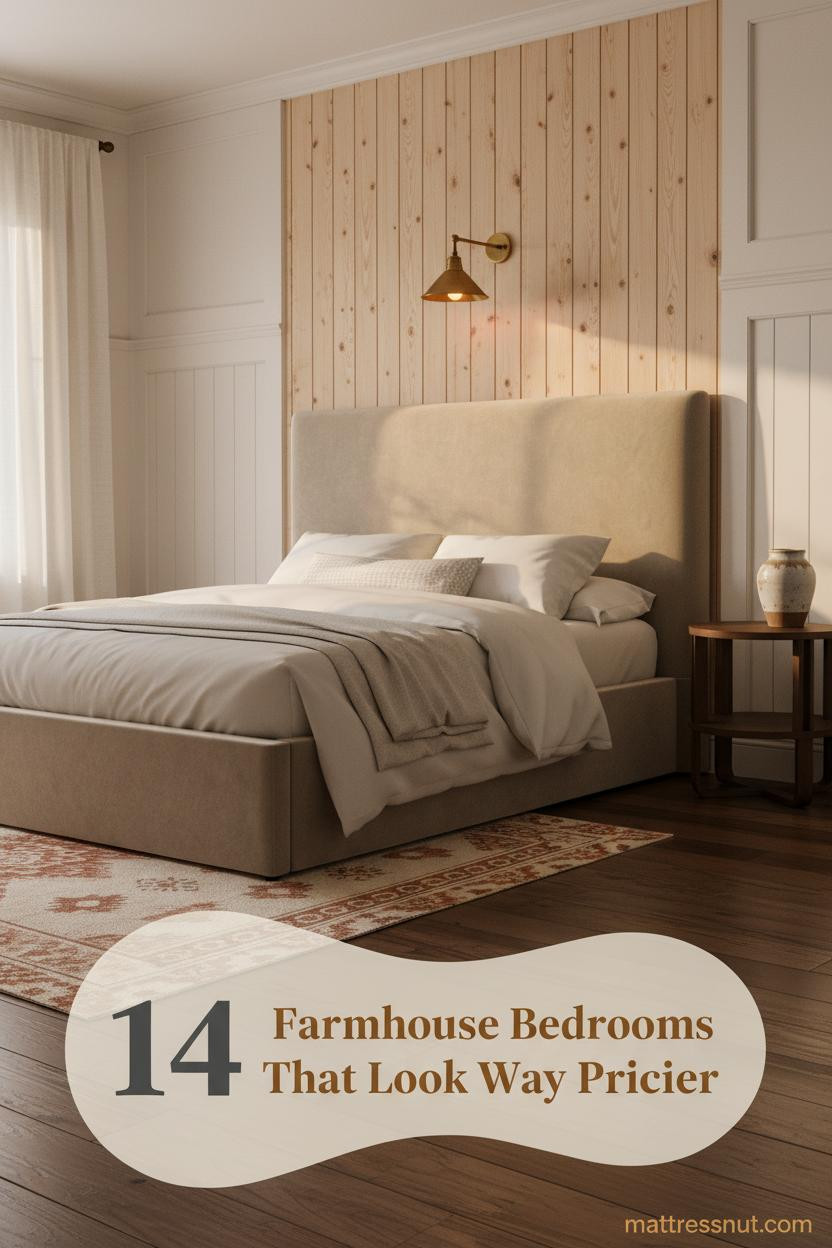
by The best farmhouse bedroom ideas don't look like they came from a mood board. They look like someone has actually been sleeping there for years.
That's the difference. Collected, not curated. Here are 14 rooms that get it right.
Vertical Pine Panels That Make the Room Feel Taller
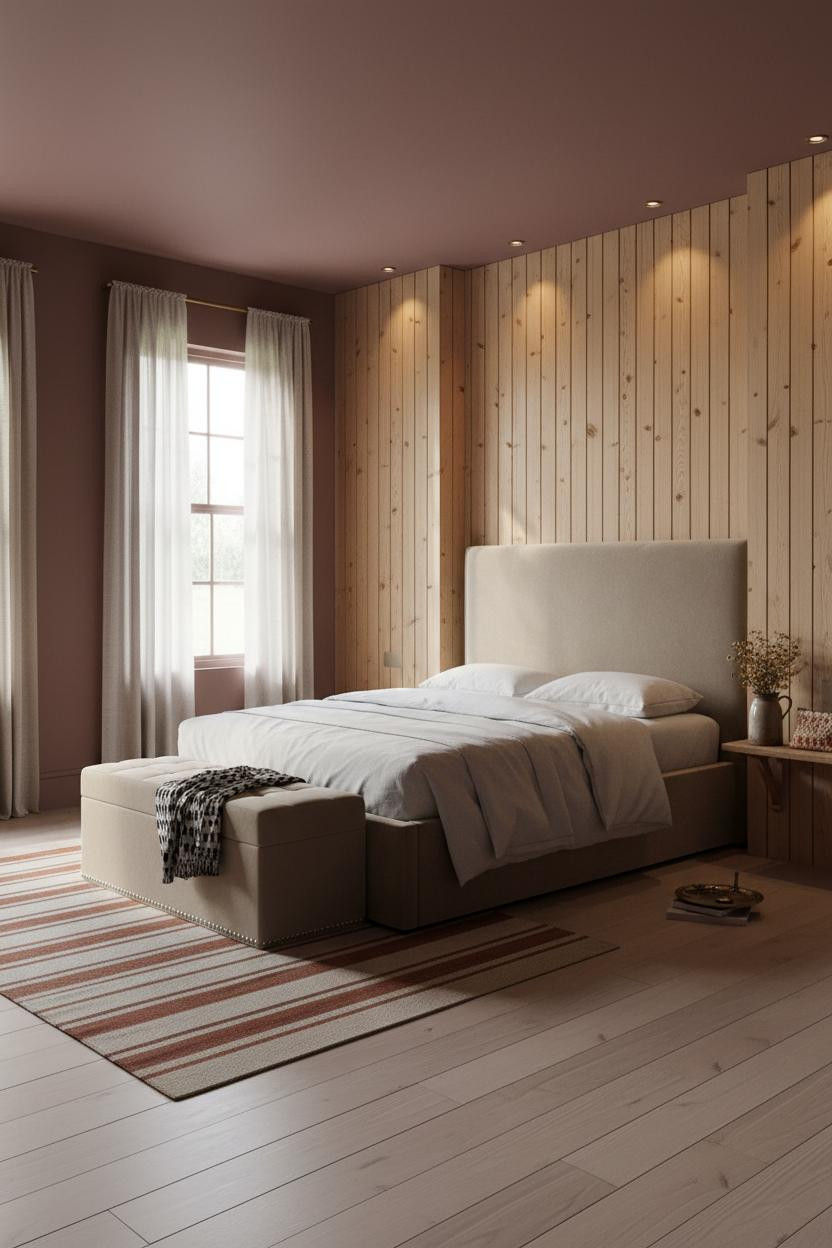

I keep coming back to rooms like this one. Something about full-height pine paneling makes the ceiling feel borrowed from a barn.
Why it lands: The vertical slats draw the eye upward, which helps balance a low ceiling in a way that paint simply can't.
The detail to keep: Pair it with a rust and cream flat-weave rug underfoot. The horizontal pattern keeps the vertical rhythm from feeling restless.
A Gallery Wall That Looks Found, Not Bought
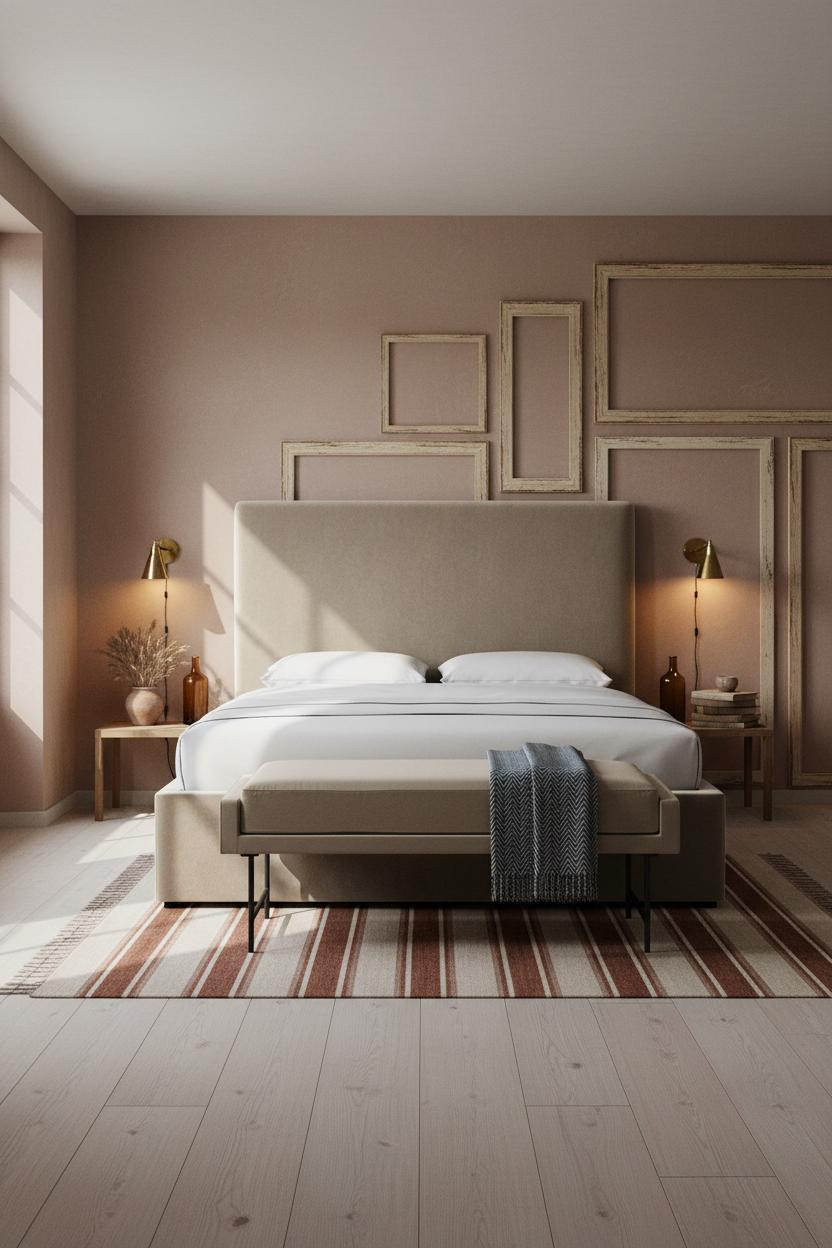
Floor-to-ceiling gallery walls only work when the frames don't match. That's the whole trick.
But the mismatched reclaimed pine frames here, rough-sawn edges and all, create something a matching set never could. The room feels collected rather than decorated.
Avoid this mistake: Don't hang them perfectly level. A frame slightly off-center is what makes it look genuinely old.
Half-Height Paneling That Earns Its Keep
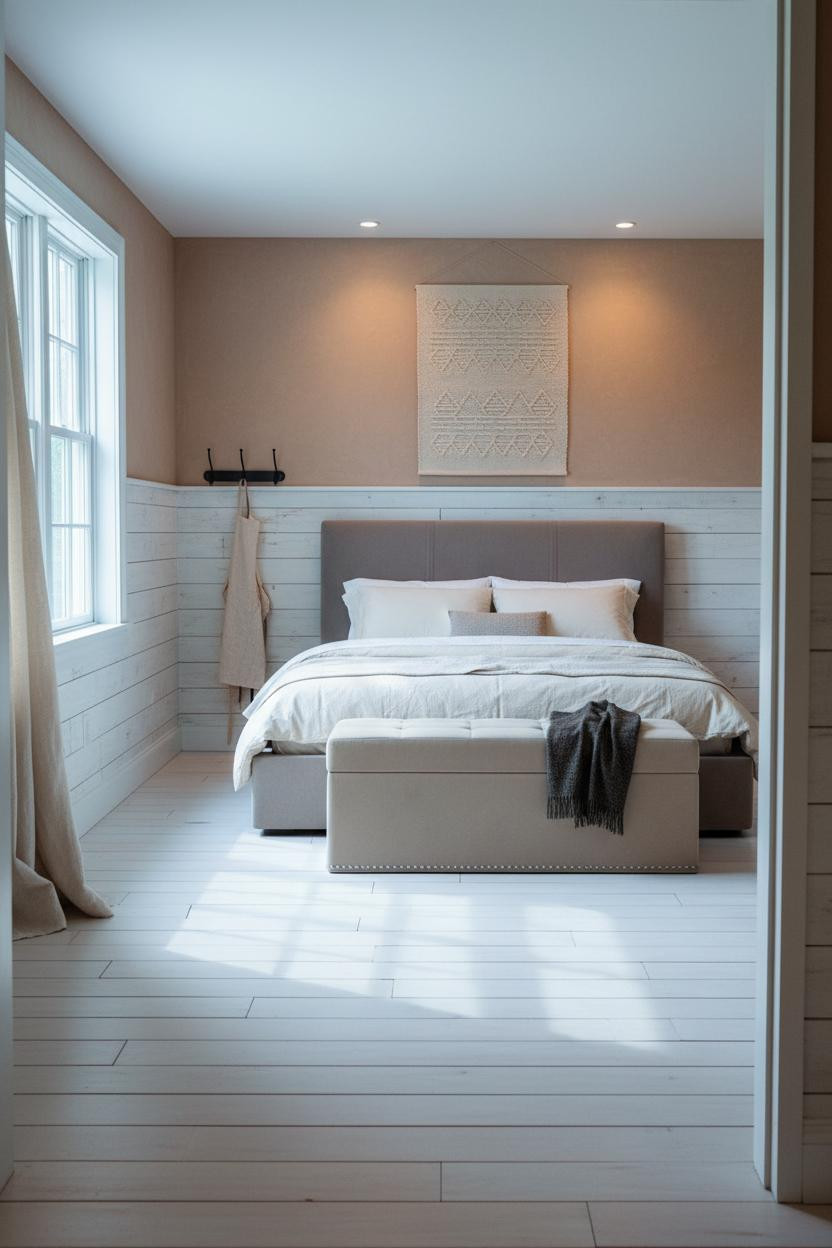

Honestly, tongue-and-groove wainscoting is one of those moves I didn't appreciate until I saw it in person.
The antique white horizontal planks ground the lower walls with texture while the rough-troweled clay plaster above stays soft. It keeps the room from feeling like a single flat surface.
Pro move: Run it the full perimeter, not just the feature wall. The wrap-around effect is what makes it feel architectural.
The Alcove Shelf Setup I Want In Every Bedroom
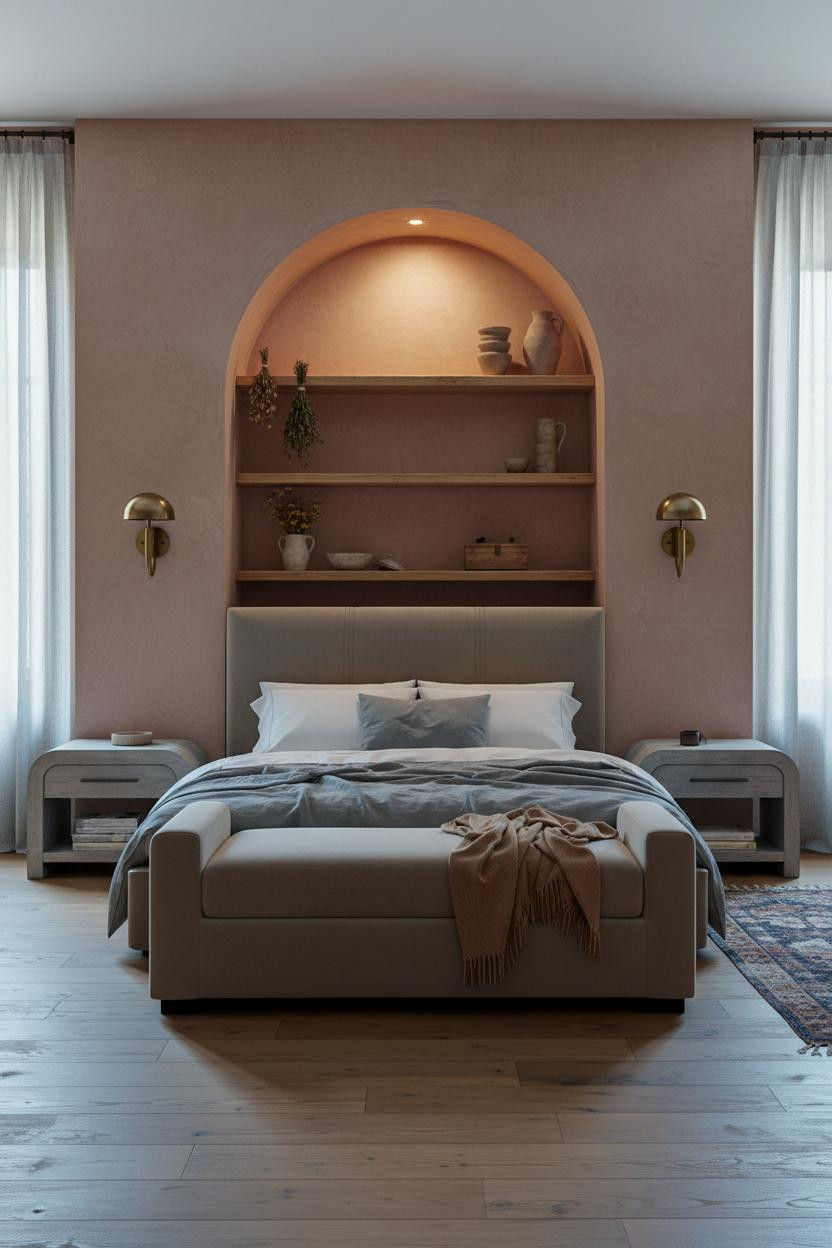

A full-height arched alcove above the bed pulls the eye upward and gives the room a sense of history that no headboard can replicate.
What gives it presence: The rough-sawn pine shelves inside the arch hold dried herbs and stacked pottery, making the whole niche feel functional rather than decorative.
Worth copying: Keep the objects on the lower shelf slightly asymmetrical. One lid askew, one item tilted. That's what makes it look lived-in.
Raw Fieldstone That Earns Every Stare
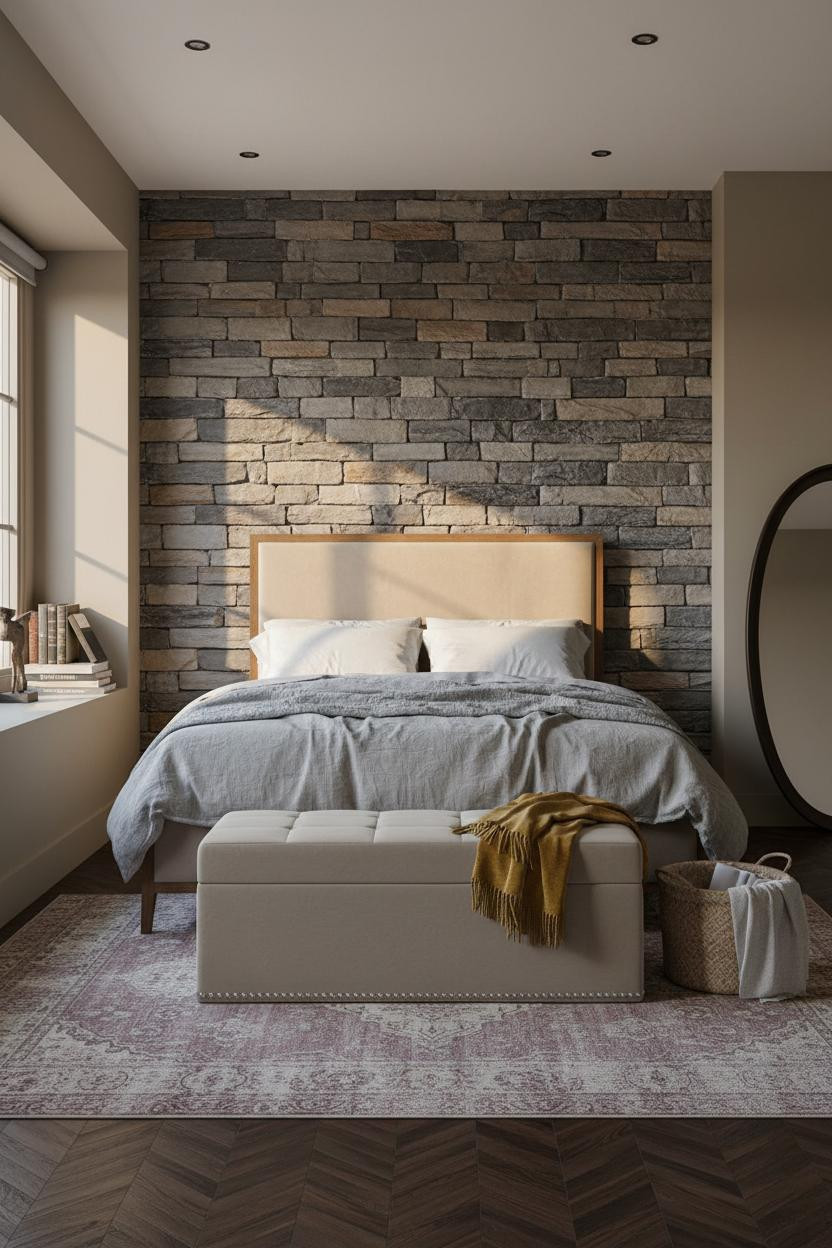

Bold choice. Not everyone wants to sleep next to a wall that looks like it was dug out of the ground.
But the hand-laid charcoal and sand fieldstone is exactly why this room works. It makes every soft surface in the room feel softer by comparison.
The smarter choice: Keep the flanking walls in warm greige. If you go stone on all four sides, the room stops feeling like a bedroom.
Sage Shiplap That Actually Stays Interesting
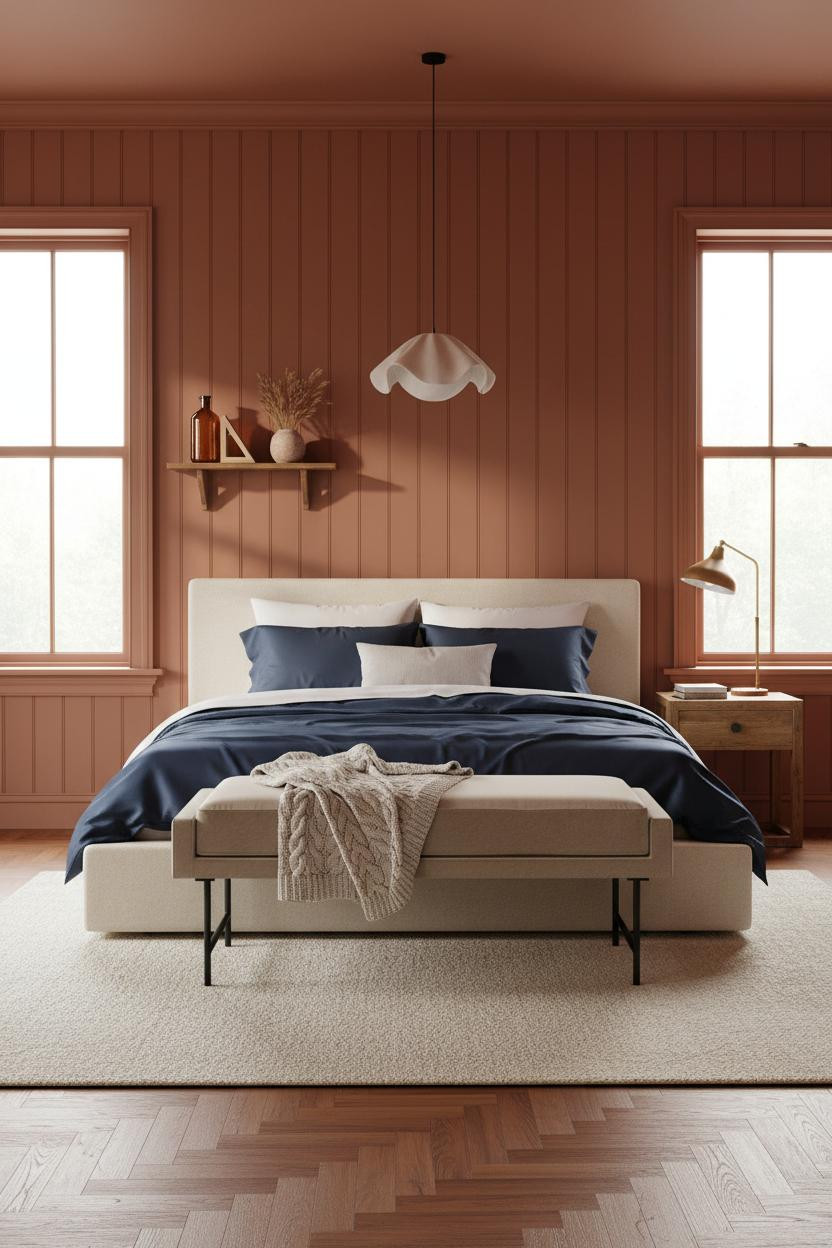
Sage shiplap sounds predictable. This version isn't.
The terracotta wash on the painted shiplap planks keeps the color from reading flat. Each board catches light differently, which means the wall has depth even in the middle of the afternoon.
The easy win: Pair a brass wall sconce directly on the shiplap. The warm metal against the matte green is the kind of contrast that makes the whole room feel intentional.
Recessed Shelving That Tells a Story Over Time
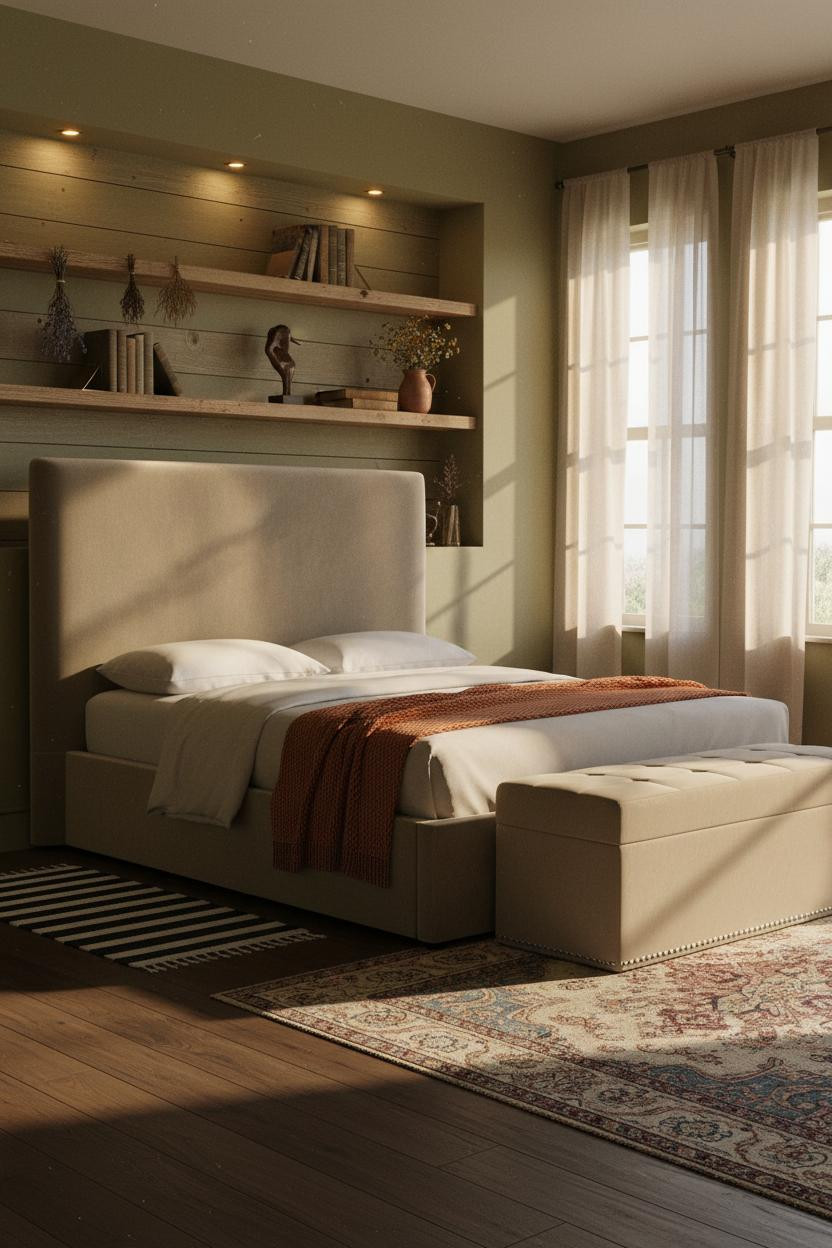
Full-width recessed shelving above the bed sounds heavy. But against warm olive plaster walls, it lands somewhere between practical and quietly beautiful.
Why it holds together: The weathered pine planks have visible mortise joints and dried herbs hanging from the lowest shelf, which means the display actually changes with the seasons. Nothing too precious about it.
What to borrow: Let one book tilt forward against the stack. A shelf that looks untouched looks staged. See more ideas like this in our boho farmhouse bedroom roundup.
Herringbone Wood That Changes the Temperature of a Room
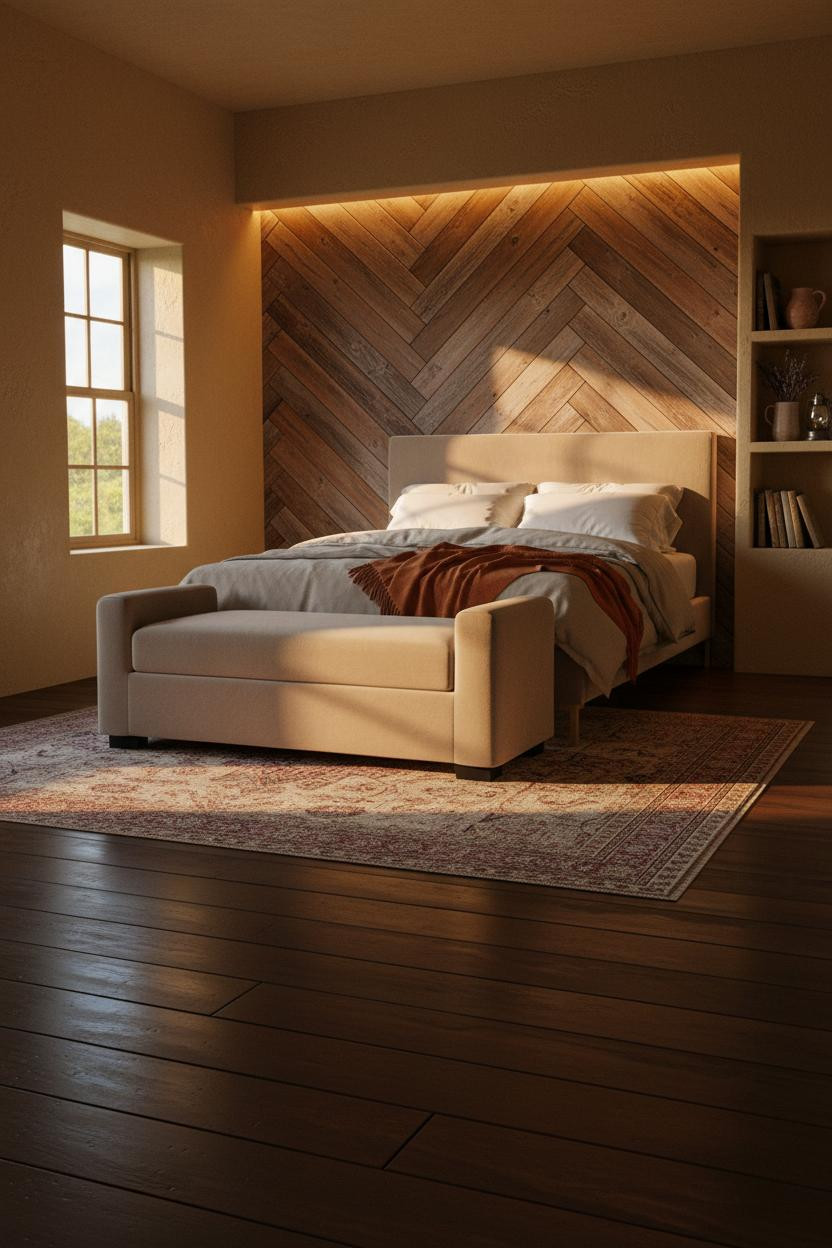

I almost scrolled past this one. Glad I didn't.
Reclaimed chestnut planks laid in herringbone makes a wall feel genuinely old, not just designed-to-look-old. The alternating grain direction catches raking light in a way that shifts through the day, and the room feels warm without being heavy.
What to copy first: Add a warm floor lamp in the far corner. The layered amber light at dusk is what makes this kind of dark wood wall feel cozy instead of oppressive.
Shiplap Wainscoting Done the Quiet Way
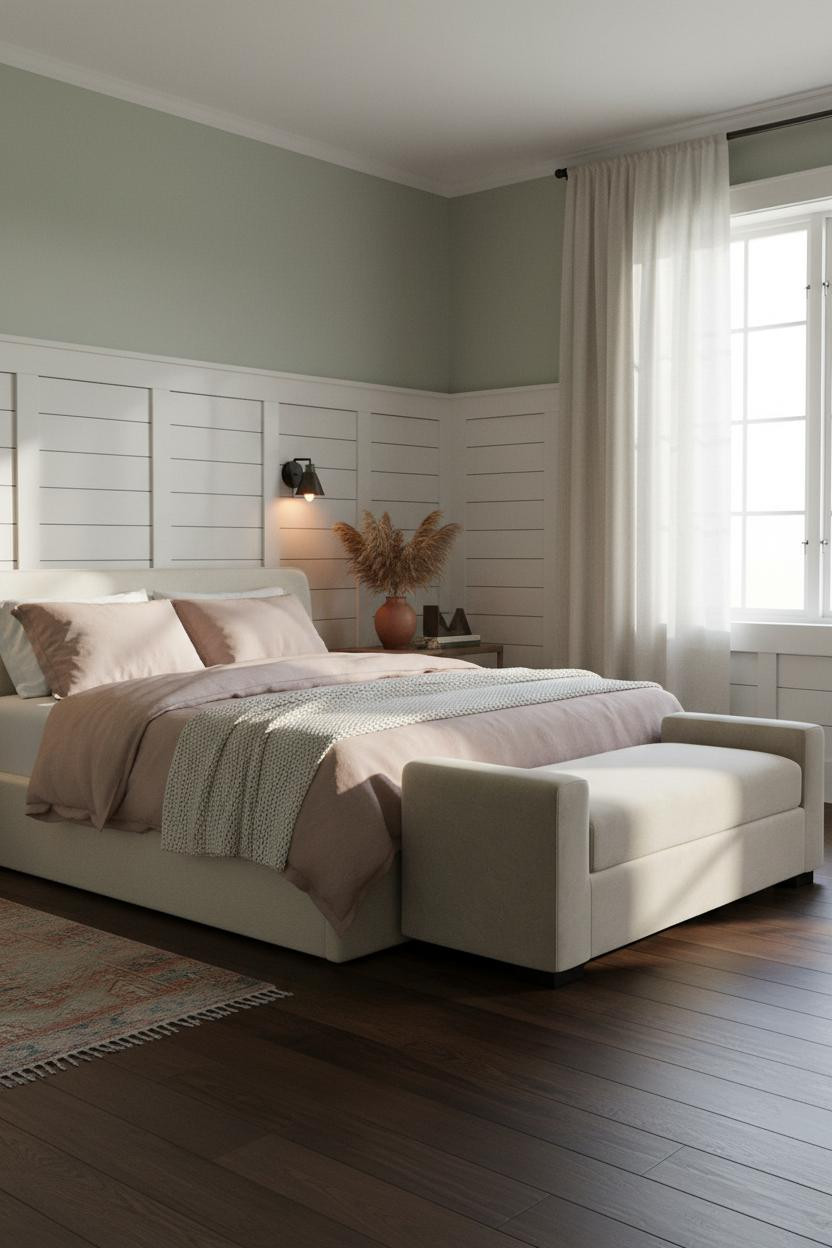

Nothing fancy. That's the point.
Why it feels balanced: Half-height ivory shiplap wainscoting creates a clear visual break between the lower wall and the soft sage plaster above, which keeps the room from feeling like one undifferentiated block of color.
And the dark walnut floor underneath anchors everything so the lighter colors above don't float. Keep bedding in dusty pink linen if you go this route. The warmth earns its place.
A Rough-Plaster Accent Wall That Earns Every Glance
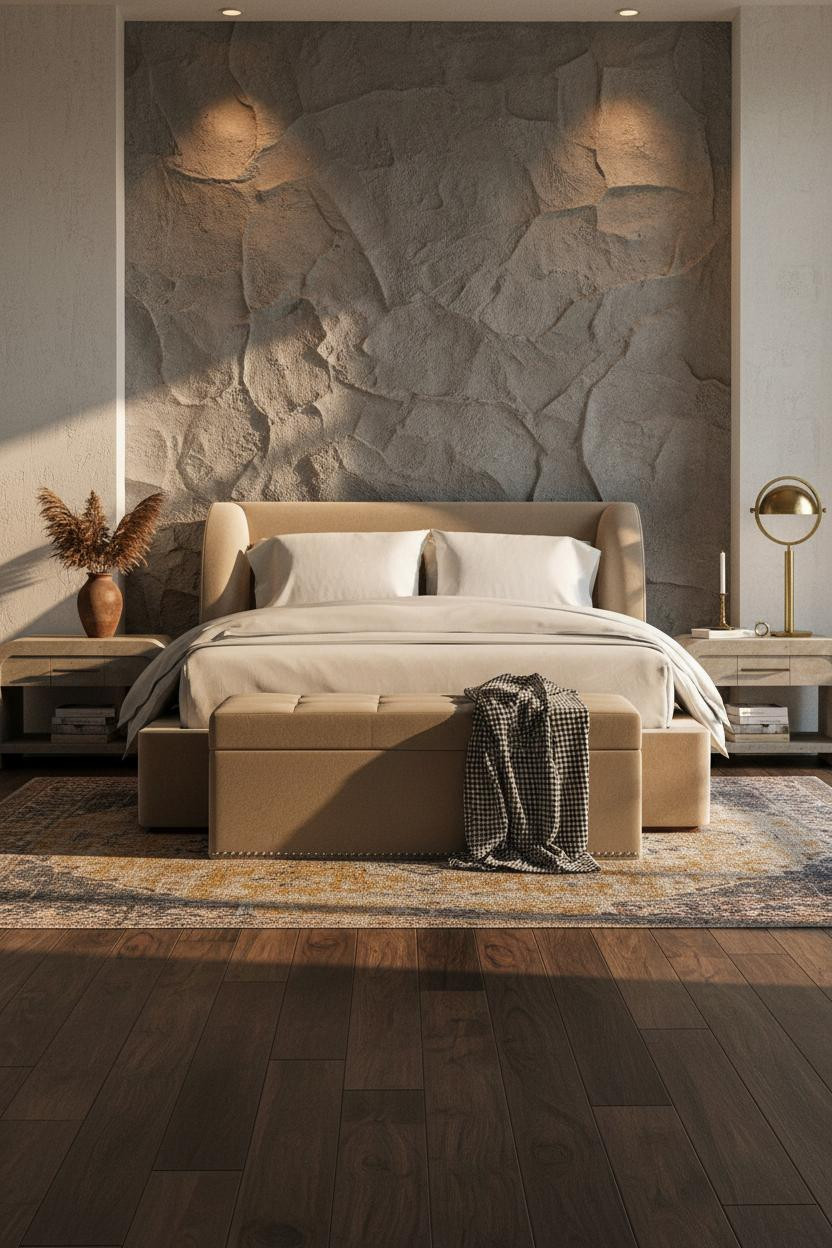

The rough-troweled stone-grey plaster behind the bed catches late afternoon light in a way that a smooth painted wall never could. Every ridge throws its own small shadow.
What carries the look: The aged linen white on the flanking walls keeps the feature wall from taking over. The room feels calm and cohesive, not dramatic.
Where to start: Layer ivory cotton percale and a graphic flat-weave throw at the foot. The contrast between soft bedding and the raw plaster texture is the whole point.
Chalk-White Wainscoting With a Vintage Rug Doing the Heavy Lifting
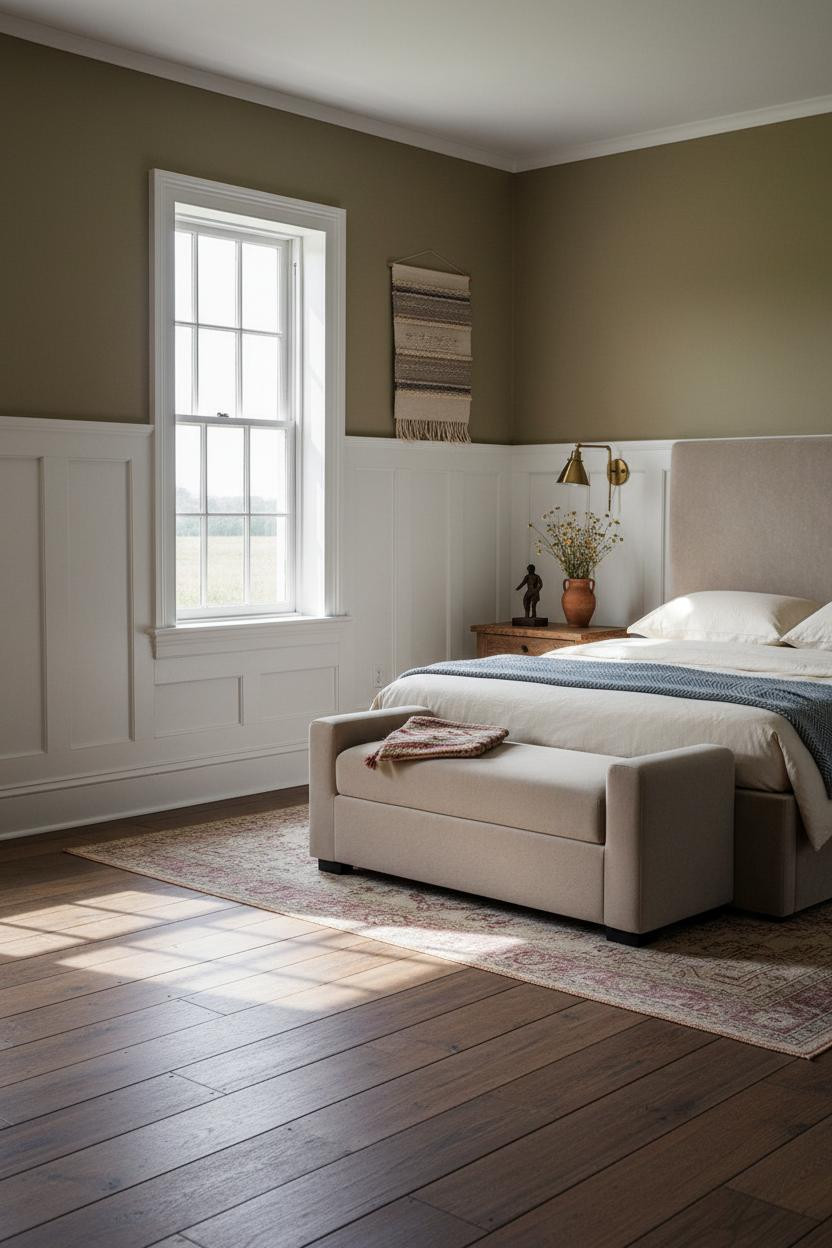
This one surprised me. The proportions shouldn't work on paper, but they do.
The aged chalk-white wainscoting panels with their raised edges catch light and shadow in a way that grounds the lower wall without competing with the moss-toned plaster above. And the faded overdyed rug in burgundy and cream pulls the whole palette together from the floor up. Worth copying: Hang a woven wall hanging above the foot bench rather than above the bed. It shifts the visual weight in an unexpected way that makes the room feel more like a real master suite than a styled photo.
Board-and-Batten in the Evening Light
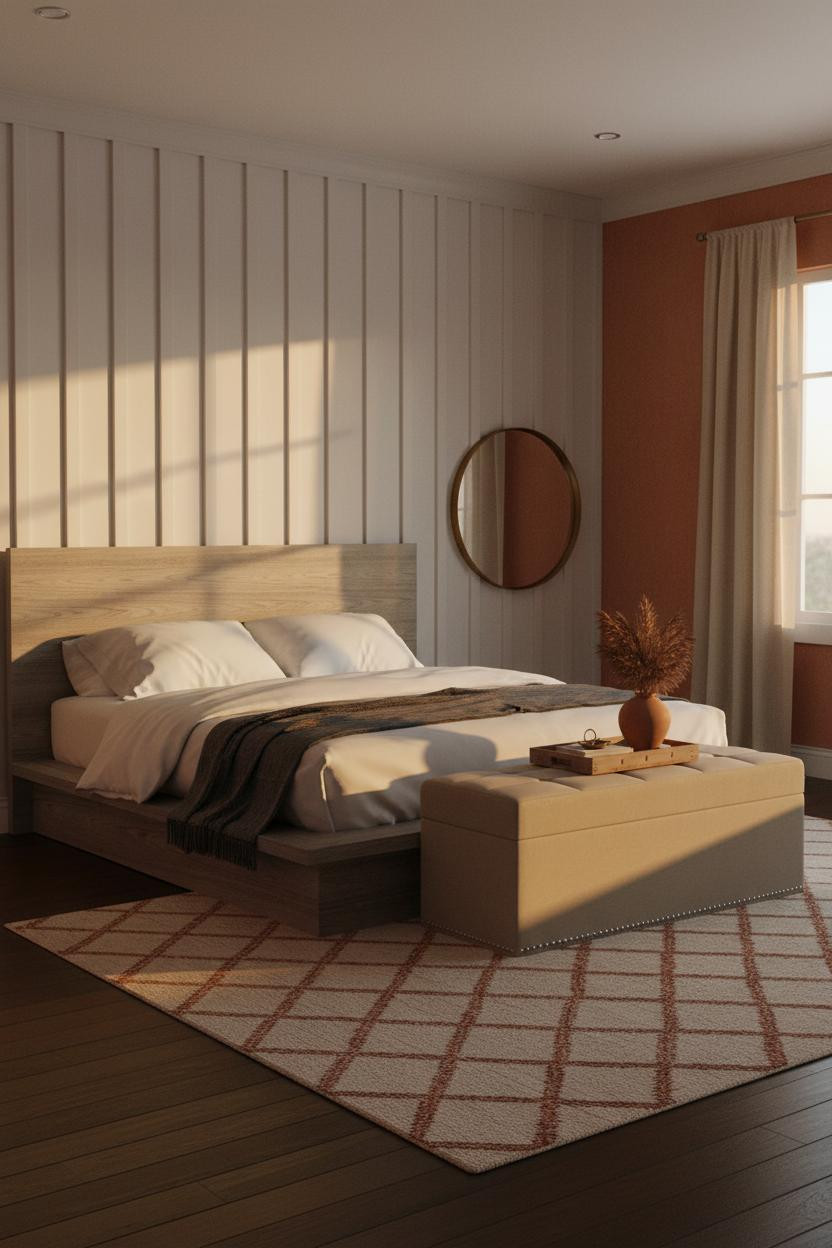

Board-and-batten gets a lot of love online. Most of it looks ordinary. This doesn't.
Why it looks custom: The antique white matte battens catch amber evening light along every ridge, which turns a flat wall into something with actual depth. The terracotta-washed flanking walls keep the whole room warm rather than stark.
Don't ruin it with: Cool-toned bedding. A charcoal cashmere throw draped asymmetrically at the foot is what softens the vertical geometry without erasing it. Check out more approaches like this in our bedroom lighting guide.
Whitewashed Shiplap With Dusty Blue Walls Behind It
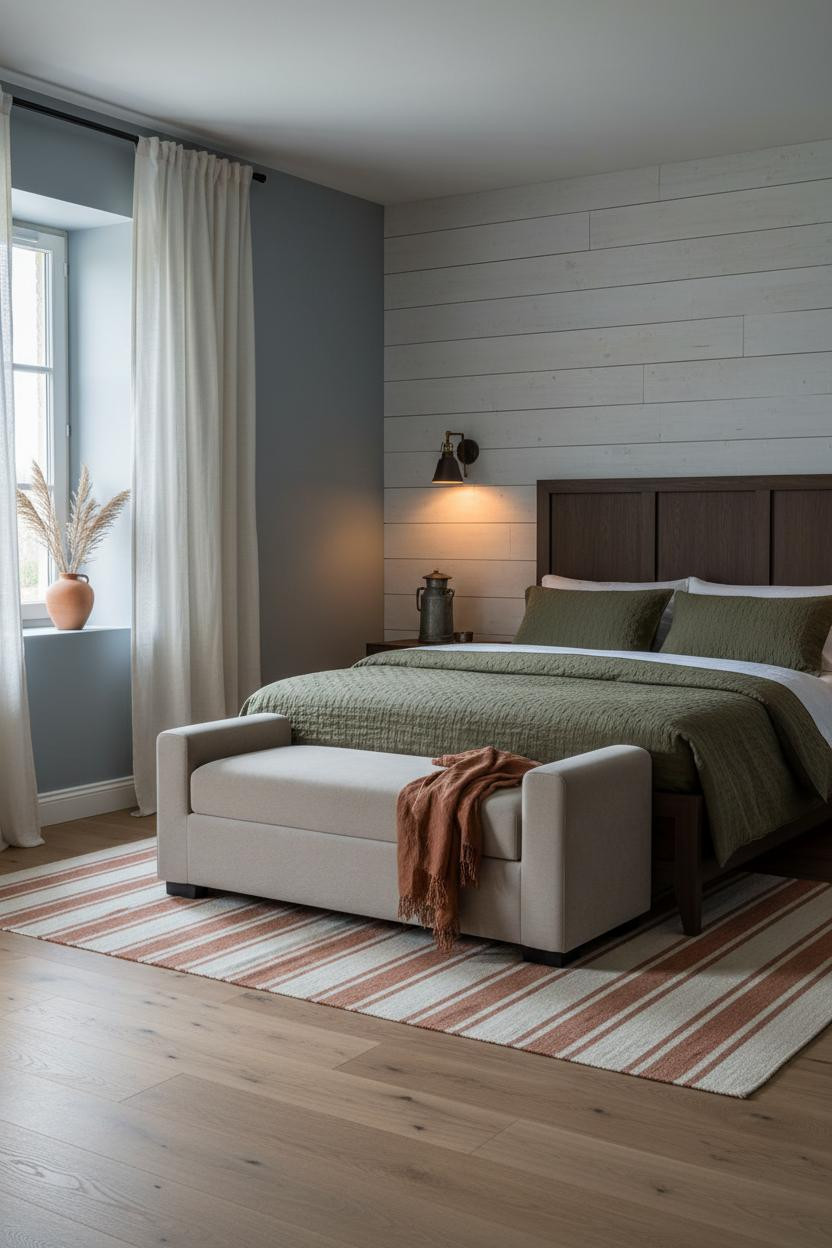

The whitewashed shiplap against dusty blue-grey walls is a combination that shouldn't be this calming. But it is.
Why the palette works: The whitewash keeps the horizontal grain visible while still reading light, which means the feature wall doesn't swallow the cool flanking color. Just enough texture to keep things interesting, while still feeling airy.
The finishing layer: Floor-to-ceiling cream linen curtains on the window. Without them, the bleached oak floor feels too bare and the whole room loses its softness. This approach also works well in a cottagecore bedroom setting.
Exposed Oak Beams That Make the Ceiling the Best Part
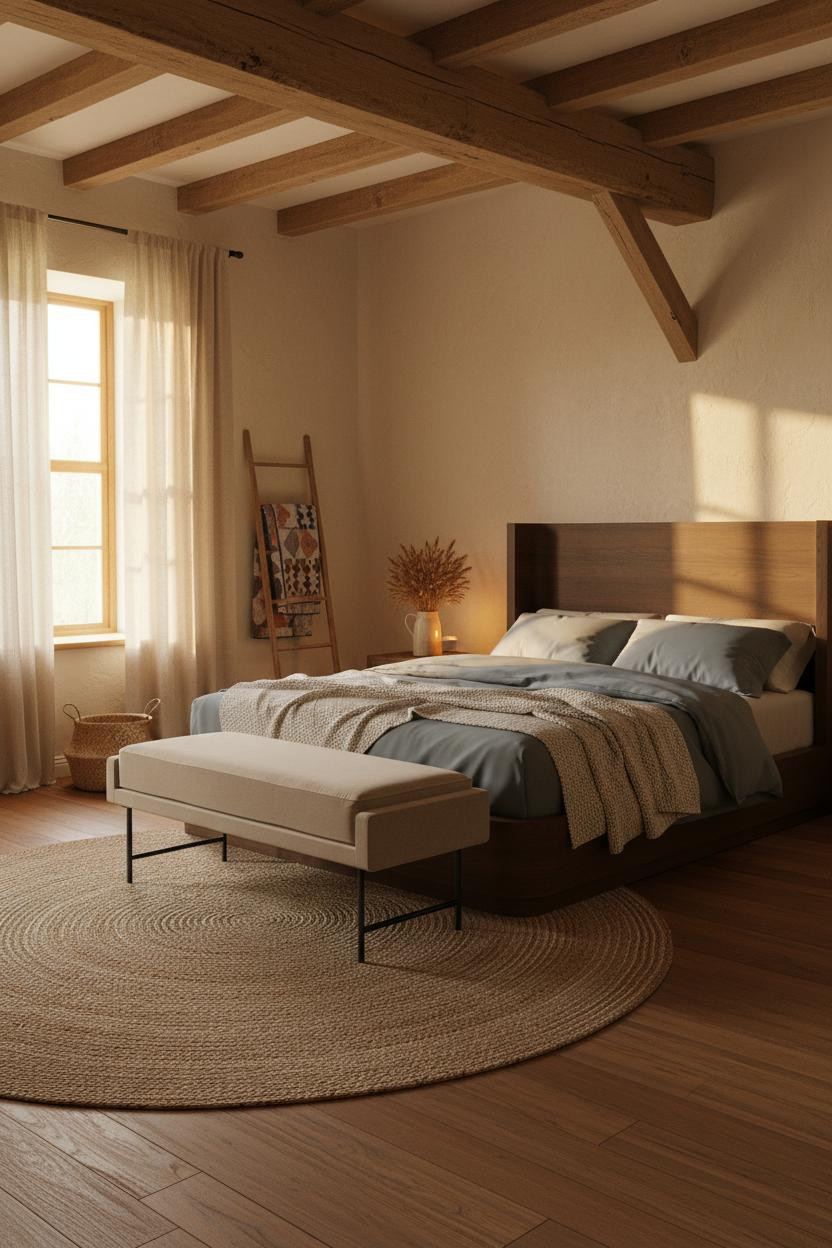

Exposed beams are one of those things people add in renovation and then wonder why they waited so long.
The real strength: The weathered oak timbers spanning the ceiling throw long soft shadows down onto the cream plaster walls below as morning light shifts, which gives the room a warmth that changes through the day.
What not to do: Don't paint them white to "lighten the room." The contrast between dark wood and pale plaster is exactly what makes the ceiling feel intentional rather than accidental.

Our #1 Pick
Saatva Classic Mattress
America's best-selling online luxury innerspring. 365-night trial, lifetime warranty, free white glove delivery.
Shop Saatva Classic
The Foundation Of Every Beautiful Bedroom
Walls get repainted. Linen gets swapped out. The mattress stays. So it's worth getting right.
The Saatva Classic has dual-coil support that holds up through years of actual use, a breathable organic cotton cover that doesn't trap heat on warm nights, and a Euro pillow top that feels genuinely soft without losing its structure. It's the kind of bed that makes a beautiful room feel complete rather than just photographed.

The rooms people return to are the ones where every layer, from the plaster walls to the mattress underneath the linen, was chosen rather than defaulted to. Start with the bed. The rest figures itself out.