
 by
by Decorating a bedroom isn't about following trends, it's about creating an environment that makes sleep easy and waking enjoyable. This guide takes you from blank room to finished bedroom with a practical step-by-step framework.
Step 1, Define the Room's Role
Before choosing furniture or colors, decide how the room will be used beyond sleeping:
- Sleep-only: Minimize visual stimulation, maximize comfort, eliminate work equipment
- Work/sleep hybrid: Designate separate zones for desk and bed, never place a desk facing the bed
- Guest room: Neutral, welcoming, functional storage for guests
- Master suite: Relaxation-focused with reading nook, dressing area
Step 2, Choose Your Color Palette
Bedroom color significantly affects sleep quality and mood:
- Blues and greens: Calming, associated with lower heart rate. Blue (#3B5998 range) and sage green are the most sleep-friendly colors
- Warm neutrals: Beige, taupe, warm white, versatile and calming
- Greys: Modern and calming, avoid cool grey tones under artificial light (can look harsh)
- Avoid: Bright red, orange, and high-contrast black/white, all stimulating rather than calming
Step 3, Select Your Anchor Piece (The Bed)
The bed is the visual anchor and functional center of every bedroom. Bed selection involves two decisions:
- The frame: Style, height, storage needs. Upholstered frames add warmth; wood frames add organic texture; metal frames suit industrial or minimal styles
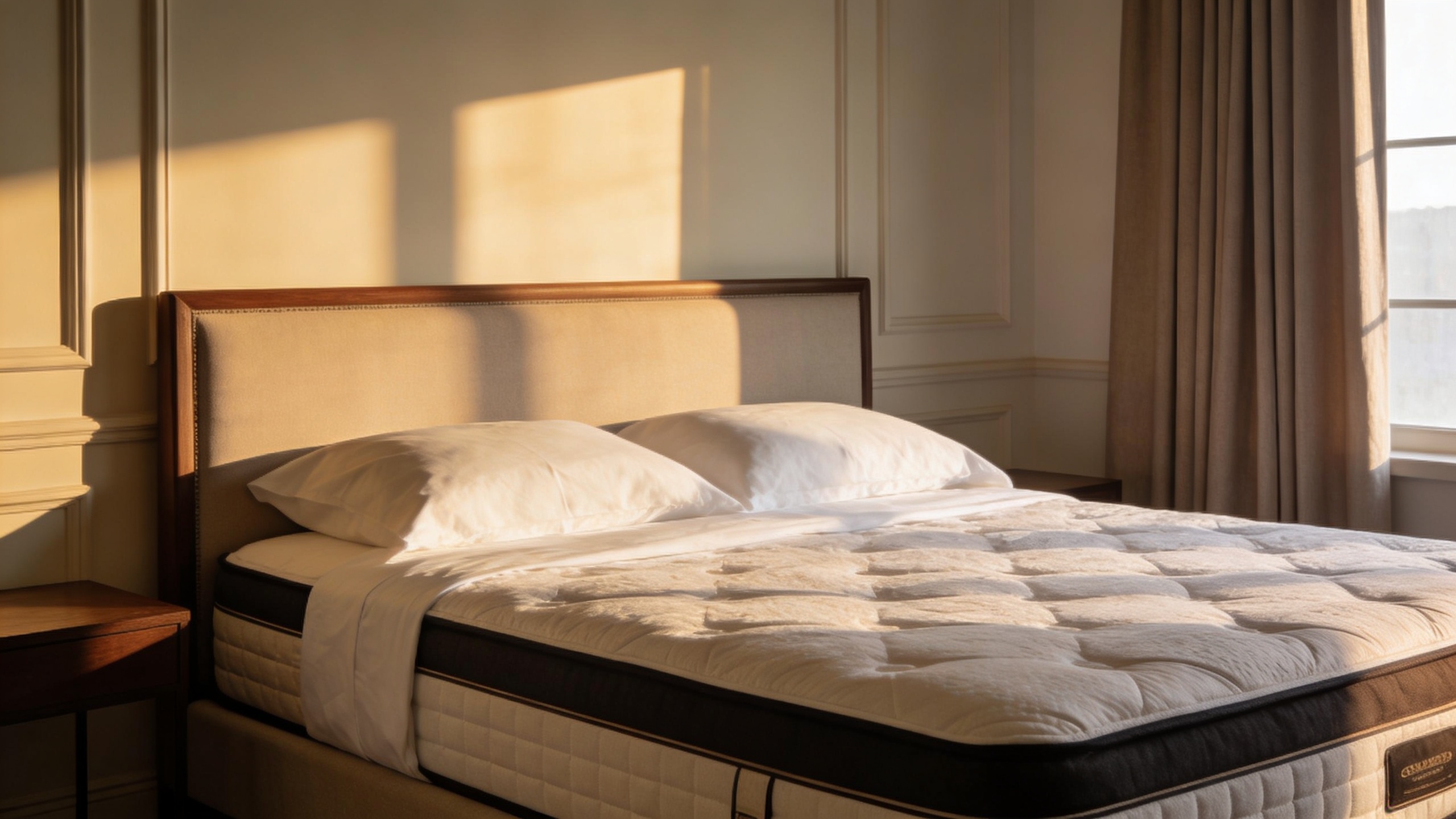
- The mattress: Comfort is non-negotiable. A beautiful bedroom with a poor mattress fails its primary function. See the mattress buying guide for a complete framework. Top picks: Puffy (20% commission), Amerisleep (15%), Sweetnight (25%)
Step 4, Layer Lighting
- Ambient layer: Overhead or recessed lighting for general illumination
- Task layer: Reading lamps or sconces at nightstand height for focused light
- Accent layer: Table lamps, LED strips, or candles for mood and warmth
Use warm bulbs (2700–3000K) for all bedroom lighting. Install dimmers on overhead fixtures. Smart bulbs that shift to warmer tones at night support melatonin production.
Step 5, Add Textiles and Layers
Textiles create warmth and sound absorption:
- Area rug: 8'x10' minimum under a queen or king bed, should extend 18–24 inches beyond each side of the bed
- Window treatments: Blackout curtains or layered sheer + blackout roller shades
- Throw blanket: Adds texture on the foot of the bed; practical for temperature fluctuations
- Pillows: 2 sleeping pillows + 2–4 decorative pillows for a queen; 2 sleeping + 4–6 decorative for a king
Common Decorating Mistakes
If you're upgrading the bed frame
Saatva Santorini Platform Bed, from $1,295
Upholstered platform bed in 6 fabric colorways to match any bedroom palette. Slat spacing safe for foam/hybrid mattresses, rated 1,000 lbs. Free white-glove delivery and assembly.
- Too much furniture: Cramped bedrooms elevate cortisol. Minimum 24-inch clearance around the bed
- Wrong rug size: Small rugs look lost and create visual clutter. Size up
- Bright overhead lighting only: Creates a harsh, clinical atmosphere. Always layer lighting
- No ceiling height consideration: Low ceilings need horizontal furniture, high ceilings need vertical elements
FAQ
What are the most important elements to decorate a bedroom?
In priority order: mattress (sleep quality), lighting (mood and circadian rhythm), window treatments (darkness for sleep), color palette (psychological calm), and then furniture and accessories. Many people reverse this order and spend on aesthetics while neglecting the functional elements.
What colors are best for a bedroom?
Calming colors: soft blues, sage green, warm neutrals (beige, taupe), and warm grey. Avoid stimulating colors: bright red, orange, and high-contrast black/white. Studies consistently show blue-toned rooms are associated with the most sleep hours per night.
How do I start decorating a bedroom with no idea where to begin?
Start with function: choose your mattress first (most important), then your bed frame (anchor piece), then build around those two elements. Choose a 3-color palette before buying any decor: one dominant wall color, one secondary (bedding), one accent (pillows, art). Everything else follows from those decisions.