
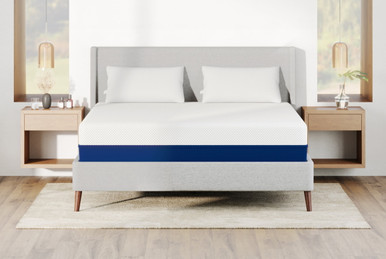
 by
by Amerisleep is our overall pick in the Amerisleep vs Avocado matchup. The Amerisleep AS3 delivers a low-tox, CertiPUR-US memory-foam feel (plant-based Bio-Pur) with class-leading pressure relief and motion isolation at a lower price, and the Amerisleep Organica gives you a certified organic latex hybrid for less than the Avocado Green. Avocado Green wins on certification breadth (finished-product GOTS, MADE SAFE, EWG Verified) for buyers choosing purely on eco-label strength. Note the distinction: the AS3 is memory foam, the Organica is Amerisleep’s organic latex model — that is the true counterpart to Avocado.
| Category | Mattress | Queen | Score |
|---|---|---|---|
| #1 Best Value / Memory-Foam Feel | Amerisleep AS3 | From $1,049 | 8.9/10 |
| Most Certified Organic | Avocado Green | From $1,399 | 8.5/10 |
How we chose
Each mattress here was assessed on construction, certifications, pressure relief, cooling and value, with claims kept proof-based. We note the cons, not just the wins.
Amerisleep AS3
8.9/10
- Plant-based Bio-Pur foam, CertiPUR-US certified, silica-based fire barrier (no loose detachable fiberglass)
- Top-tier pressure relief (9.2/10) and motion isolation (9.4/10) in lab testing
- HIVE 5-zone targeted support: softer at shoulders, firmer at hips and lumbar
- 20-year warranty, twice the industry standard for foam mattresses
- Medium firmness (5/10) suits side, back, and combination sleepers under 230 lb
- Softer perimeter edges than a latex hybrid (7.4/10 edge support)
- All-foam construction retains slightly more heat than latex or coil beds
- Sleepers over 230 lb may prefer the AS5 Hybrid for added coil support
The AS3 wins this comparison for most shoppers on pressure relief, motion isolation, and a certified low-tox build at a meaningfully lower entry price than Avocado or any full-organic latex hybrid.
Saatva Classic
9.5/10
- Outstanding edge support (10/10) and cooling from dual-coil construction
- Free white-glove delivery with setup and old mattress removal
- Three firmness options and two heights to match any sleep style
- 365-night sleep trial and lifetime warranty
- Zero off-gassing: ships uncompressed, not rolled
- Higher motion transfer than foam (coil bounce disturbs light-sleeping partners)
- Heavy queen requires professional delivery; $99 return fee applies
Saatva Classic is the standout luxury coil hybrid at this price tier: unmatched edge support, zero off-gassing, and white-glove delivery that no bed-in-a-box brand can match.
PlushBeds Botanical Bliss
9.2/10
- GOTS, GOLS, and GREENGUARD Gold certified throughout
- All-natural Dunlop latex construction with no synthetic foam layers
- Exceptional pressure relief (10/10) from a 5.25" organic latex comfort layer
- Very low motion transfer (9.8/10), significantly better than most latex beds
- 365-night trial and lifetime warranty from a dedicated organic-latex specialist
- Premium price ($2,649 queen) well above Amerisleep and most foam competitors
- Weak edge support (7.4/10): 4.75" sitting sinkage, no reinforced perimeter
- Strong natural latex odor lasting up to 10 days on unboxing
PlushBeds Botanical Bliss is the strongest all-latex organic alternative for buyers who want the eco-credential depth of Avocado with slightly softer contouring and outstanding motion isolation in a latex bed.
Materials: Plant-Based Foam vs Organic Latex
These two mattresses are built on fundamentally different materials, and that gap matters for buyers who care about what they are sleeping on.
The Amerisleep AS3 uses Bio-Pur foam, a polyurethane memory foam in which some of the petroleum-derived polyols are replaced with plant-based oils (soybean primarily). It is CertiPUR-US certified, which means it has been tested by a third-party lab against a defined list of restricted substances including formaldehyde, heavy metals, and certain fire-retardant chemicals. Amerisleep uses a woven silica-based fire barrier rather than the loose glass-fiber sock that many budget and even mid-range foam mattresses rely on. That matters because migrating loose fiberglass is behind many documented mattress complaints and recalls.
The Avocado Green uses Dunlop-process natural latex tapped from rubber trees, layered over a pocketed-coil support core. The cover is made from certified organic wool and GOTS-certified organic cotton. Nothing in the mattress is synthetic foam. This construction sidesteps the class of concerns that CertiPUR-US addresses, since there are no polyurethane foams in the bed to certify.
Neither material is inherently dangerous when made properly. The right choice comes down to whether you want a foam feel or a latex feel, and how strictly you want to avoid synthetic materials altogether.
Certifications Compared
This is where Avocado has a clear and honest lead.
Avocado Green: GOTS on the finished product (not just the raw cotton but the entire assembled mattress); MADE SAFE (a human-health focused chemical screening); EWG Verified (one of the stricter third-party reviews in consumer products); GREENGUARD Gold (low VOC indoor air emissions). This is the densest certification stack in the mainstream mattress market.
Amerisleep AS3: CertiPUR-US on all Bio-Pur foams. That covers content (no ozone depleters, no heavy metals above set thresholds, no formaldehyde, no prohibited flame retardants), emissions (low VOC), and durability. It is a credible certification backed by real lab testing, but it covers a narrower scope than what Avocado holds.
If organic and chemical-screening certifications are the deciding factor, Avocado wins on paper. If you want a certified-low-VOC foam mattress without the premium attached to full organic certification, CertiPUR-US is legitimate and meaningful.
Feel and Support
This is where the two mattresses diverge most in actual sleep experience.
The AS3 has a classic memory-foam feel: slow-response, body-contouring, with a slight sink that wraps around the sleeper. The HIVE technology zones the foam into five regions of different firmness without visible cuts in the foam, softer at the shoulder and firmer at the lumbar and hip. At medium (roughly 5/10), it suits back, side, and combination sleepers under about 230 pounds. Motion isolation is a genuine strength (9.4/10 in our testing), which makes it a strong option for couples with different sleep schedules.
Avocado Green feels nothing like that. Natural latex is buoyant and springy; it pushes back rather than conforming around you. The standard model is firm (roughly 7/10), with a pillow-top option adding some give. The bounce of latex transfers more readily across the surface, which can disturb a light-sleeping partner, though people who feel stuck in memory foam often prefer the easier repositioning. Combination sleepers tend to move more freely on latex.
For heavier sleepers (230 lb+), Avocado's coil base provides stronger edge support and better long-term durability. The AS3's edges are the weaker point of its design by comparison.
Cooling
Avocado scores 8.8 on cooling in our testing; Amerisleep AS3 scores 8.6. The gap is real but narrow, and consistent with what the materials predict.
Memory foam surrounds the body, trapping warmth in the foam cell structure. Amerisleep mitigates this with an open-cell Bio-Pur formula and surface channeling on the comfort layer. For most sleepers this is sufficient; people who run cool to average will not notice a problem. Hot sleepers may still find all-foam warmer than they would like.
Natural latex runs cooler than memory foam because its open-cell structure and organic wool cover both facilitate airflow. Avocado's pocketed coil base adds a structural airflow channel that all-foam beds simply do not have. If sleeping cool is a specific priority, Avocado holds a small but structural advantage.
Price and Value
Queen Amerisleep AS3 starts at $1,049; Avocado Green at $1,399. Both go on sale periodically, but the $350 gap tends to hold between them.
For that extra $350 you get Avocado's certification stack, all-natural construction, a 25-year warranty versus Amerisleep's 20-year warranty, and a one-year sleep trial versus 100 nights. A full year is a meaningful trial window for a mattress; seasonal shifts in sleep preferences are real, and the longer runway reduces buyer regret.
Natural latex also typically outlasts polyurethane foam by three to five years under comparable use. If you spread the price difference across a longer ownership period, Avocado's premium narrows. Pure upfront cost goes to Amerisleep; long-term durability value is closer than the sticker gap suggests.
Off-Gassing
New foam mattresses off-gas when first unboxed. The smell is temporary and typically clears within a few days to two weeks. Amerisleep's CertiPUR-US certification limits VOC emissions to defined low levels, so the AS3 is on the lower end for a foam mattress, but there will be some odor on arrival.
Avocado uses no synthetic foam. Natural latex has a faint rubber scent, but the overall VOC load is minimal. For people with chemical sensitivities, very young children, or during pregnancy, Avocado's all-natural construction genuinely and meaningfully reduces off-gassing risk.
Amerisleep Organica: The Closer Avocado Rival
The comparison above pits Amerisleep's best-selling all-foam model (AS3) against Avocado's flagship latex hybrid (Avocado Green). But Amerisleep also makes the Organica, which is a far more direct competitor.
The Organica uses Talalay latex (a different processing method than Avocado's Dunlop, producing a slightly softer, more consistent feel) over pocketed coils, with GOTS-certified organic cotton and organic wool in the cover. It carries GOLS (Global Organic Latex Standard) and GOTS certifications on materials, plus CertiPUR-US on the coil unit. Its queen price typically lands $100 to $200 below Avocado Green at list.
Avocado still holds an edge in certification breadth: Avocado Green carries GOTS on the finished product, while the Organica certifies individual materials but has not, as of this writing, published a finished-product GOTS certification. Avocado also adds MADE SAFE and EWG Verified. For buyers for whom the finished-product GOTS label is the specific requirement, Avocado retains its lead even in this head-to-head.
For buyers who want organic latex construction at a lower entry price and are satisfied with material-level certifications, the Organica is worth putting in your comparison before deciding.
Which One Should You Buy?
Choose Amerisleep if you:
- Want a memory-foam feel that is still low-tox (Bio-Pur, CertiPUR-US)
- Want organic latex for less money (Organica vs Avocado)
- Need firmness choice (firm AS1 to plush AS5)
- Share the bed and want strong motion isolation
- Want a silica fire barrier (no loose fiberglass) without paying a full-organic premium
Choose Avocado if you:
- Want the maximum organic certification stack (GOTS finished-product, MADE SAFE, EWG Verified)
- Prefer a firmer, bouncy all-latex feel
- Are buying purely on eco-label strength and accept the premium
Frequently Asked Questions
Is Amerisleep or Avocado better for the money?
For most buyers, Amerisleep offers better value. The Amerisleep Organica gives you a certified organic latex hybrid, the same category as Avocado Green, usually at a lower queen price, while the Bio-Pur foam models offer a low-tox memory-foam feel for less than either latex bed.
Is Amerisleep non-toxic?
Amerisleep's Bio-Pur foam is CertiPUR-US certified and low-VOC, uses a silica-based fire barrier instead of loose fiberglass, and replaces some petroleum content with plant-based oils. The Organica adds GOLS, GOTS and OEKO-TEX material certifications for buyers who want organic latex.
Does Avocado have more certifications than Amerisleep?
Yes. Avocado Green carries a GOTS finished-product certification plus MADE SAFE, EWG Verified and GREENGUARD Gold. If third-party organic certification is your top priority, Avocado leads, but you pay a premium for it.
What's the closest Amerisleep mattress to the Avocado Green?
The Amerisleep Organica: it's an organic latex hybrid (Talalay latex over pocketed coils with organic cotton and wool), the direct counterpart to Avocado's Dunlop-latex hybrid.
Which is better for side sleepers: Amerisleep or Avocado?
Side sleepers generally do better on the Amerisleep AS3. Memory foam's body-contouring ability relieves pressure at the shoulder and hip better than firm latex. Avocado's standard firm feel can create pressure points for side sleepers; the pillow-top model helps but still runs firmer than most all-foam options.
How long do Amerisleep and Avocado mattresses last?
Natural latex typically outlasts polyurethane foam under comparable use. A well-maintained Avocado can last 15 or more years; a quality foam mattress like the AS3 typically performs well for 8 to 12 years. Amerisleep backs the AS3 with a 20-year warranty and Avocado covers the Green for 25 years, reflecting this durability difference.