 by
by Quick answer: Avocado suits sleepers who want buoyant latex and coils. Casper suits sleepers who want closer foam contouring. If neither feel is right, the Saatva Classic is the more versatile alternative.
- Avocado uses latex comfort materials over an innerspring support core, according to Avocado’s product descriptions.
- Casper’s range includes foam and hybrid constructions, according to Casper’s product descriptions.
- Mattress Clarity’s Avocado vs. Casper comparison places Avocado in a more premium pricing tier than Casper’s core range.
Updated July 2026 · Reviewed for accuracy
My verdict is simple: choose Avocado for a firmer, springier natural-material feel. Choose Casper for more contouring and easier pressure relief. These aren’t interchangeable mattresses with different covers. Their comfort systems push your body in different directions.
That matters more than a vague firmness label. Latex, foam, and coils each change how quickly a mattress responds, how much you sink, and how stable you feel while changing position. Mattress Clarity’s comparison makes the same core distinction: Avocado leans toward latex-and-coil support, while Casper’s lineup offers a more foam-forward contouring experience.
Avocado vs Casper starts with the comfort materials
Avocado’s central idea is latex over coils. Per Avocado’s product descriptions, its mattress designs use natural latex comfort layers, wool, cotton, and an innerspring core, with a pillow-top option on select models. Latex has a buoyant character: it compresses, but it tends to push back faster than slow-moving foam.
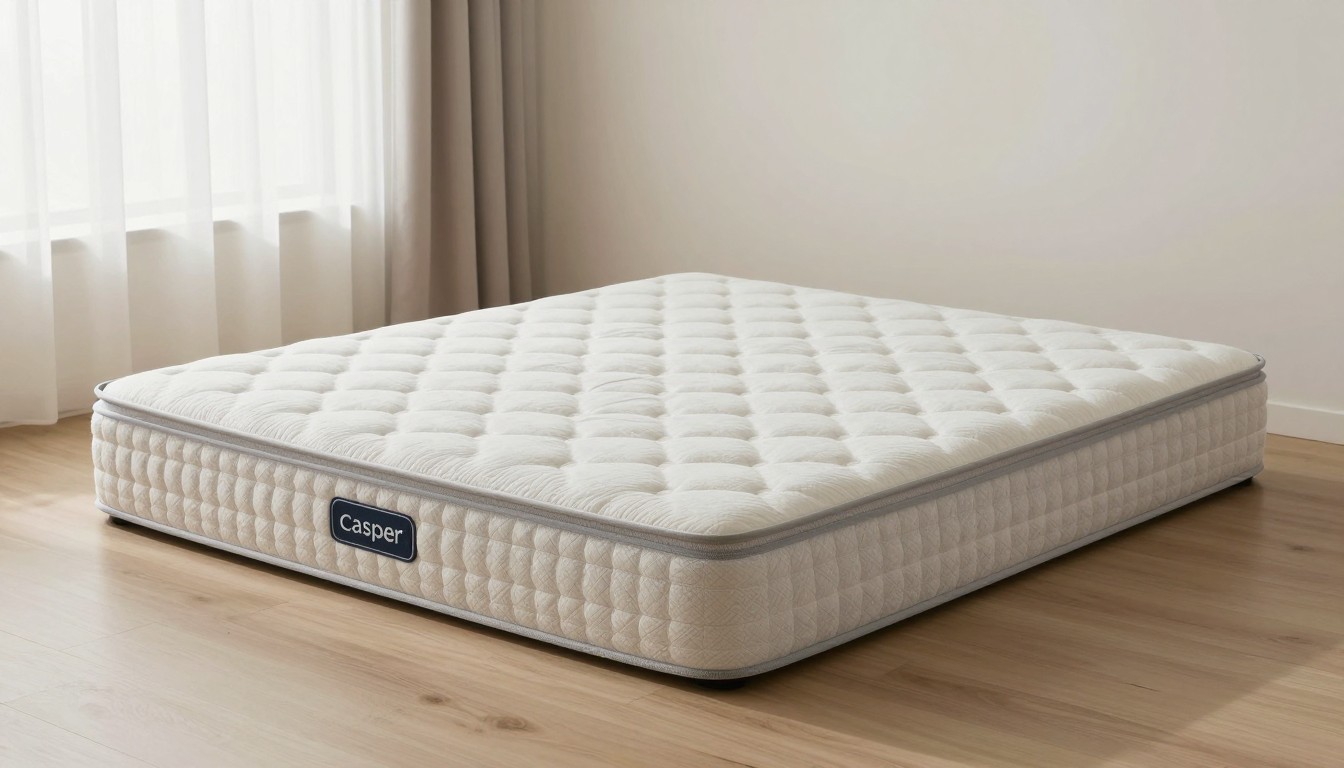
Casper takes a different route. According to Casper’s product descriptions, its range includes all-foam and hybrid choices built around engineered foam layers, with construction varying by model. Foam is generally the material to consider if you want the surface to follow your shoulders and hips more closely rather than hold you higher above the mattress.
I’d treat this as the real fork in the road. Avocado is built for lift and responsiveness. Casper is built for contour. A hybrid Casper can add coil support underneath, but that does not make its comfort experience identical to a latex-forward design.
The Nut’s material read: Latex and coils usually make movement feel easier because both materials rebound quickly. Foam usually gives more body-hugging contact because it yields more gradually. The better choice depends on whether you want to sleep on the mattress or more in it.
Feel and sleep position: support versus contour
Avocado’s firmer, buoyant feel is the key reason it can appeal to back and stomach sleepers who dislike deep sink. Mattress Clarity’s comparison describes Avocado as the firmer option with a responsive coil-supported character. That construction can make it easier to reposition because your body is not relying on a thick foam cradle to move.
Casper’s softer-to-moderate contouring is the better starting point for many side sleepers who want their shoulder and hip to settle in. Mattress Clarity’s comparison identifies Casper as the more contouring choice, particularly in its foam-oriented models. That extra give can be useful if a taut surface leaves your shoulder feeling perched rather than supported.
There is a catch with broad brand comparisons: model details matter. Casper makes more than one construction, and Avocado’s optional pillow-top changes the surface feel. Casper’s own product descriptions advise checking the exact model type, while Avocado’s descriptions make clear that the pillow-top is not universal across every configuration.
My practical take is this. A back or stomach sleeper who wants a flatter, more lifted posture should begin with Avocado. A dedicated side sleeper who prefers pressure relief over a lively surface should begin with Casper. Combination sleepers need to decide which trait frustrates them more: resistance to turning or too much sink.
- Choose the firmer, springier direction if you want more surface pushback and less of a hugged-in sensation.
- Choose the contouring direction if your priority is allowing prominent areas, especially shoulders and hips, to settle deeper.
- Check the exact configuration before buying, because a foam model, a hybrid model, and a pillow-top model can feel materially different.
Comparing options? The Saatva Classic is the pick we keep coming back to — see the final verdict ↓
Responsiveness and motion isolation pull in opposite directions
Coils and latex give Avocado a more responsive build, according to Mattress Clarity’s comparison and Avocado’s material descriptions. Responsiveness is not a marketing flourish. It is the speed at which the surface recovers after you shift. For restless sleepers, that can make a mattress feel less restrictive.
Casper’s all-foam options are the more obvious choice if motion isolation sits near the top of your list. Mattress Clarity’s comparison associates Casper’s foam-forward designs with stronger motion isolation than Avocado’s responsive hybrid approach. Foam absorbs movement instead of returning as much energy through the surface.
Couples should be honest about which problem is real in their bed. If one partner wakes easily from movement, Casper’s contouring foam approach has the clearer logic. If both people move around and hate feeling trapped in a soft surface, Avocado’s faster rebound may be worth the trade-off.
Don’t confuse motion isolation with overall comfort. A mattress can limit movement transfer and still feel too soft, too firm, or too warm for you. Construction tells you where to start; your preferred posture tells you where to finish.
Natural materials are Avocado’s clearest advantage
Avocado’s use of latex, cotton, wool, and coils is its strongest point for shoppers who want to limit synthetic foam in the mattress. Avocado describes these natural and organic-focused materials in its product information, and Mattress Clarity similarly presents sustainability as a major part of Avocado’s appeal.
Casper uses synthetic foams and engineered materials in many of its core designs, according to Casper’s product descriptions and Mattress Clarity’s comparison. That is not automatically a flaw. Foam can be very effective at contouring and reducing motion transfer. It simply serves a different buyer.
I would not pay for a material story you do not care about. If organic or natural-forward construction is a genuine purchasing priority, Avocado has the more coherent case. If your main aim is a familiar foam feel at a lower entry point, Casper’s material mix may make more sense.
For a useful adjacent comparison of Casper’s positioning, see our Tuft & Needle vs. Casper comparison. It helps put Casper’s foam-led approach in context without pretending every foam mattress behaves the same way.
Cooling depends on airflow, but the surface still matters
Avocado’s coil core is the construction feature I’d focus on for sleepers worried about airflow. Innerspring systems leave more open space than a solid foam block, and Avocado’s product descriptions identify coils as the support foundation. Latex also has a different feel from dense memory foam, tending to feel more buoyant at the surface.
Casper’s cooling experience depends heavily on the exact model. According to Casper’s product descriptions, the brand offers both foam and hybrid options, so it would be wrong to make one blanket claim for the entire line. A hybrid and an all-foam mattress may share branding while handling airflow quite differently.
Still, construction gives you a sensible buying shortcut. If you habitually dislike the feel of foam around your body, Avocado’s latex-and-coil approach is the safer starting point. If you enjoy contouring foam and only want to avoid an overly enclosed feel, read the individual Casper model’s material description before deciding.
What I’d check on the live product page: whether the Casper you are considering is all-foam or hybrid, whether the Avocado option includes a pillow-top, and the return process for your location. Those details can alter the experience more than the brand name alone.
Price and policies: compare the live offer, not old screenshots
Mattress Clarity’s comparison places Avocado in a higher price band than Casper’s core mattress range. The reason is visible in the design brief: Avocado’s construction emphasizes latex, natural textiles, and coils, while Casper has more foam-led options. Premium materials do not guarantee a better fit, but they can explain a higher asking price.
Casper is usually the easier brand to consider if upfront cost is your primary constraint, according to Mattress Clarity’s comparison. Avocado can make more sense if the materials and more responsive support profile are your actual goals. I would check each official site for the current price rather than relying on an old comparison page or a cached promotion.
Both brands are described by Mattress Clarity as offering substantial sleep trials and multi-year warranty coverage, though policies can vary by model and change over time. Read the current manufacturer terms before ordering, especially the conditions for returns, pickups, exchanges, and warranty claims.
If Casper is still your leading candidate, where Casper mattresses are made may answer the manufacturing question that often comes up before checkout. It is a better use of your time than comparing vague “luxury” labels.
Who should choose each mattress?
| Your priority | Better direction | Why |
|---|---|---|
| A lifted, responsive surface | Avocado | Its latex-and-coil construction is designed for buoyancy and spring support, according to Avocado’s product descriptions. |
| Closer contouring at the shoulders and hips | Casper | Casper’s foam-oriented choices are designed to provide a more contouring feel, according to Casper’s product descriptions. |
| Natural-forward materials | Avocado | Avocado highlights latex, cotton, wool, and coils in its material descriptions. |
| Lower entry cost | Casper | Mattress Clarity’s comparison places Casper’s core range below Avocado’s typical pricing tier. |
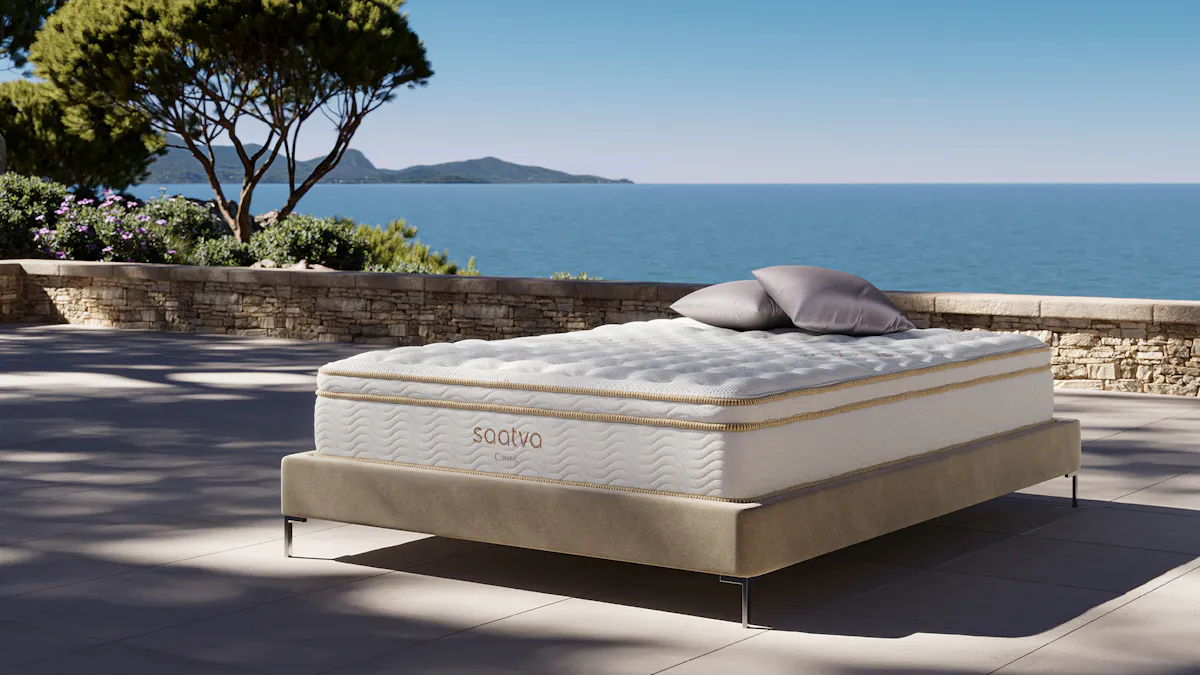
| A middle-ground luxury alternative | Saatva Classic | I’d consider it if you want a more traditional coil-led build without committing fully to either a dense foam feel or a latex-forward feel. |
Avocado is my pick for shoppers who already know they prefer a firmer, more mobile mattress and value its natural-material focus. Casper is the better fit for sleepers who want softer-to-moderate pressure relief and more of a foam contour. Neither answer should be forced.
For shoppers who are split between Casper’s pressure-relieving appeal and a more supportive coil-led feel, the Saatva Classic is the alternative I’d put on the shortlist. It is worth comparing its current configuration and policies directly with the exact Casper model you had in mind. You can also read our Saatva vs. Casper mattress comparison for that narrower decision.
My final call
Avocado wins this matchup for the buyer who wants latex, coils, and a firmer, more responsive sleep surface. Casper wins for the buyer who wants familiar foam contouring, stronger motion isolation in its all-foam direction, and a more accessible starting price.
Don’t reduce this decision to “natural versus synthetic.” Think about what happens when you lie down. Do you want to settle into the surface, or do you want it to hold you up and make turning easy? That answer will point you toward the better mattress faster than any brand slogan.
FAQ
Is Avocado firmer than Casper?
Mattress Clarity’s Avocado vs. Casper comparison describes Avocado as the firmer, more responsive option and Casper as the more contouring option. Exact feel still depends on the model and, for select Avocado configurations, whether a pillow-top is included.
Is Avocado better for side sleepers than Casper?
Not automatically. Mattress Clarity’s comparison suggests Casper’s softer-to-moderate contouring may suit side sleepers seeking more pressure relief, while Avocado’s pillow-top option can soften its feel according to Avocado’s product descriptions. Your shoulder comfort should decide this one.
Which mattress is better for motion isolation?
Casper’s all-foam direction is generally the stronger starting point for motion isolation, according to Mattress Clarity’s comparison. Avocado’s responsive latex and coils are better suited to sleepers who value easier movement across the surface.
Does Avocado use more natural materials than Casper?
Avocado describes its designs with latex, cotton, wool, and coils, while Casper’s core designs commonly use engineered foams, according to both brands’ product descriptions. That makes Avocado the clearer match if natural-forward materials are a purchasing priority.
Should I choose a hybrid or all-foam Casper?
Check the exact Casper model on the official site, because Casper offers both construction types according to its product descriptions. Start with all-foam if you want more contouring and motion isolation; consider a hybrid if you prefer the idea of added coil support beneath the comfort layers.
FINAL VERDICT
Before you settle: if avocado vs casper is what brought you here, the Saatva Classic is the value pick on this page — more home-trial and warranty coverage than the alternatives covered here. Confirm current price, dimensions and terms on the official product page before ordering.
OUR CATEGORY-MATCHED PICK · UP TO $625 OFF
Saatva Classic
- 365-night home trial and lifetime warranty, per saatva.com
- Handcrafted in the USA, free white-glove delivery
- Flexible financing available