 by
by Quick answer: A pop up RV mattress should prioritize closed-camper clearance and the exact bed footprint. Plushbeds Mobileplush Rv is worth considering if its official listing matches both measurements.
- Pop-up campers need mattresses that work with shallow, folding sleep platforms.
- RV mattress sizing can differ from the bed you use at home.
- Foam certification and a washable cover are sensible features to seek out.
Updated July 2026 · Reviewed for accuracy
A pop up RV mattress is only a good buy if your camper can close with it in place. That sounds obvious, yet it’s the detail that separates a comfortable upgrade from a mattress you have to wrestle with before every trip. I’d measure first, then choose the construction.
My view is simple: fit beats novelty in a pop-up camper. A supportive foam mattress can make a cramped bunk feel far more usable, but only if its height, corners, and flexibility suit the way your trailer folds. The official product listing is the place to confirm those details before you order.
Fit Is the First Dealbreaker
Pop-up camper beds are not standard bedroom frames. They may have tapered corners, rounded ends, hinged platforms, slide-out bunks, or canvas and roof clearance directly above the sleeping surface. A mattress that seems close enough on paper can stop the camper from closing cleanly.
I’d measure the sleeping platform itself, not the old mattress. Take the length and width at the widest usable points, note any cutouts, and inspect the perimeter for hardware or fabric that steals usable space. Then check how much vertical room remains when the roof comes down. The manufacturer’s listing should confirm the mattress’s finished shape and thickness.
The Nut’s fit rule: Don’t order from a size label alone. “RV queen,” “bunk,” and “camper” can describe very different footprints. Match the actual bed opening and the closed-camper clearance.
A pop up RV mattress also needs to bend with the camper’s routine. Some platforms fold against a wall. Others remain flat but sit under a lowered roof. That distinction matters. A dense mattress may feel reassuringly substantial, but it can be awkward if the bed has to hinge or fold around it.
Before replacing anything, I’d close the camper with the current mattress installed and watch where space gets tight. Look at the roof line, canvas, latch area, and any support poles. That gives you a practical picture of the room your replacement has to work within.
Foam Construction Makes the Most Sense Here
A purpose-built RV mattress is usually built around foam because foam can provide cushioning without the bulk of a traditional innerspring setup. The research brief identifies memory foam, high-density polyfoam, and hybrid designs as common options. For a pop-up, I’d start by asking which construction best suits the platform rather than assuming thicker means better.
Memory foam is the pressure-relieving option. It conforms around shoulders and hips, which can be useful on a thin camper bunk. Its tradeoff is heat retention, particularly in a trailer that gets warm through the day. A breathable cover or a more open foam design can make that construction more practical for warm-weather camping.
High-density polyfoam is often the plainer, more direct choice. It can give you a stable sleeping surface and usually feels less slow-moving than memory foam. What I’d want to know is how the mattress handles repeated packing, unpacking, and edge sitting. Travel use asks more from a mattress than a guest bed that stays still.
Hybrids add a support component beneath comfort materials. That can be appealing for sleepers who dislike the deeper sink of foam. But a hybrid may bring more weight and less flexibility, which can complicate a folding platform. The mattress has to fit your camper’s mechanics before its feel earns any attention.
What I’d inspect on the listing
- The full layer description, not just a comfort label.
- Whether the mattress is designed to flex or remain flat.
- Its stated weight, especially if your camper has a modest payload allowance.
- Whether foam certification is disclosed.
CertiPUR-US certification is a useful signal for foam layers because it addresses foam-content standards. It does not tell you whether the mattress fits your trailer or whether you will like its feel, but it is a sensible line item to look for while comparing otherwise similar foam options.
I also pay attention to the cover. A removable, machine-washable cover is practical in a camper, where dirt, damp clothing, pets, and campsite dust are part of the deal. If a cover cannot be washed, check the maker’s care instructions before assuming a protector will solve everything.
Comparing options? The Plushbeds Mobileplush Rv is the pick we keep coming back to — see the final verdict ↓
Comfort Should Follow Your Sleeping Position
A pop-up bunk already has less room for error than a home bed. If the mattress feels too firm, your shoulder can bottom out against the platform. If it is overly plush, you may feel less stable as the foam compresses under your hips. I’d aim for a balanced feel unless your own sleep position gives you a clear reason to go softer or firmer.
Side sleepers usually need more surface cushioning around the shoulder and hip. Back sleepers tend to need a flatter, steadier surface through the middle. Stomach sleepers often do better without deep sink, since excessive softness can let the midsection drop. Those are comfort preferences, not promises, and body size changes the result.
For two people sharing a compact bed, the usable surface matters as much as foam feel. A mattress that claims the right nominal category can still feel cramped if it loses space to tapering, seams, or a poor fit around the platform edges. Measure where both sleepers will actually lie down.
“Medium” is not a construction detail. I’d treat it as a starting point, then read the layer description, cover design, and fit notes before treating it as a verdict.
Don’t overlook bedding, either. Heavy blankets and bulky pillows consume the same clearance that the mattress does. If your camper only closes comfortably with the bed stripped down, you need to account for that routine before buying a replacement.
If you are replacing a thin factory pad, expect a real feel change even within a low-profile RV design. More cushioning can help, but it may also alter the way you sit up, climb into the bunk, or store bedding. That is why I prefer a deliberate fit check over a speculative comfort upgrade.
Heat, Moisture, and Cleaning Matter More in a Camper
A camper mattress sits in a tighter, more variable environment than a bedroom mattress. Daytime heat, overnight condensation, wet gear, and limited ventilation can all affect comfort. The research brief notes that memory foam can hold heat, so warm-climate campers should pay close attention to cover breathability and any cooling materials the manufacturer specifically identifies.
Ventilation beneath the mattress matters too. A bunk platform can trap moisture against the underside, especially after humid nights. I would not assume that a mattress alone can manage that problem. Airing out the bunk, following the camper maker’s storage guidance, and keeping damp bedding off the mattress are sensible habits.
Some RV mattresses advertise antimicrobial features. Read those descriptions narrowly. They may describe a particular cover or treatment, not a guarantee against mold, odors, or moisture damage in every camping condition. The care instructions should tell you what the feature covers and how the mattress should be maintained.
Practical camp setup
- Use bedding that can be removed quickly before closing the trailer.
- Let the sleeping area air out after damp nights when conditions allow.
- Follow the manufacturer’s cleaning instructions for the cover and foam.
- Check the underside of the mattress during regular camper maintenance.
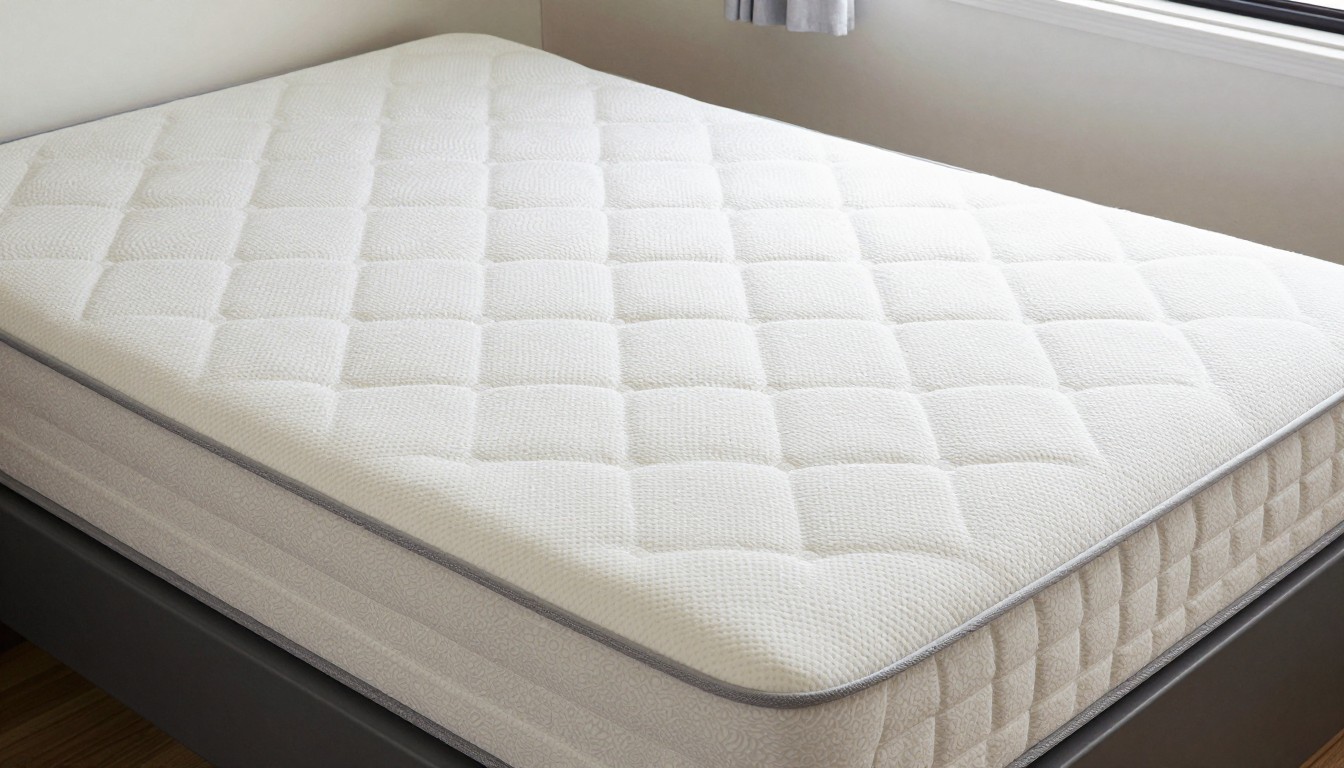
For a mattress that travels, durability is not only about how it feels after a season. It is also about seam strength, cover resilience, and whether the edges remain usable after frequent loading and unloading. Product photos are helpful, but written material details and care guidance are more useful than a polished image.
If your current bed feels clammy or musty, identify the source before replacing it. A new mattress can be the right move, but it will not correct a leak, a wet storage habit, or poor ventilation in the camper itself.
How I’d Judge Value Before Ordering
Value in this category is not the lowest sticker price. It is the mattress that fits the camper, suits the intended use, and does not create a closing problem. A cheap replacement that must be removed for every trip is not much of an upgrade.
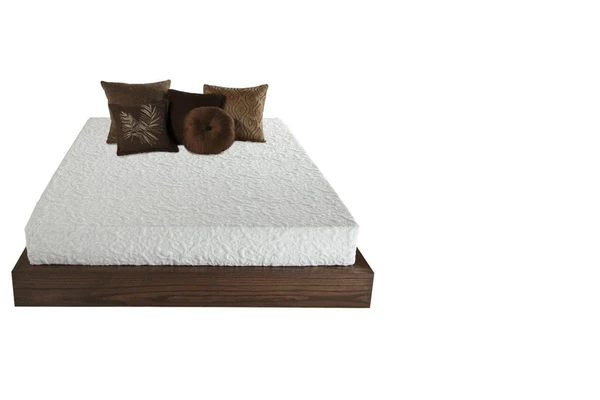
Plushbeds Mobileplush Rv belongs on the shortlist only after you compare its official specifications with your exact bunk shape and clearance. Per the manufacturer’s listing, it is positioned as an RV mattress. That is relevant, but I would still verify the finished configuration, materials, care terms, and current price directly on the official site.
Check the return terms and warranty language before checkout. Reputable brands may offer a trial period and warranty coverage, but the research brief makes clear that policies vary. More importantly, read whether a custom or RV-specific configuration has separate return conditions. A fit-focused purchase needs a fit-focused policy review.
| Question | Why it matters in a pop-up | Where to verify it |
|---|---|---|
| Will it close? | Roof and canvas clearance can be limited. | Your own measurement and the manufacturer’s listing. |
| Will it fit the footprint? | RV labels do not guarantee a standard shape. | The platform shape and finished mattress measurements. |
| Will it handle travel use? | Frequent setup puts stress on covers, seams, and edges. | Material details and care instructions. |
| Can you return it if fit is wrong? | A mattress can be comfortable yet impractical in the trailer. | The official policy page before purchase. |
For general shopping perspective, the same discipline applies to other compact sleep setups. My guide to a zippered trundle bed mattress explains why finished dimensions, not a broad size label, should guide the purchase. The furniture is different, but the fit-first logic is identical.
Material transparency is another useful filter. If you want a closer look at how to question mattress construction claims, read my breakdown of fiberglass disclosures in mattresses. It is not an RV-product comparison, but it can help you ask better questions about what sits beneath a cover.
Who Should Buy a Pop Up RV Mattress?
Buy one if the factory pad leaves you sore, your existing mattress has worn out, or your camper bunk can accommodate a better-built replacement without interfering with closure. It makes the most sense for campers who use the trailer often enough that sleep quality affects the trip.
I especially like the category for people who know their platform dimensions and can match them to an RV-specific design. That buyer is solving a real problem: limited height, unusual geometry, and a travel environment that a standard home mattress was never built around.
Skip the purchase for now if you have not measured the platform, cannot confirm roof clearance, or suspect moisture is coming from the camper itself. Solve the fit or maintenance issue first. A new mattress should not become an expensive way to hide a camper problem.
My verdict: A pop up RV mattress is worth it for regular campers, but only after a precise fit check. Choose construction for your bunk’s folding behavior and your usual sleeping position, then confirm the current terms on the official listing.
FAQ
Can I use a regular mattress in a pop-up camper?
You can only if it matches the actual platform and allows the camper to close properly. Standard home mattress labels are not enough because RV and marine dimensions can differ, and a pop-up may have tight roof or canvas clearance.
What should I measure before buying a pop up RV mattress?
Measure the usable sleeping surface, its shape, and the vertical space available when the camper is closed. Note any rounded corners, hinge points, support hardware, or fabric that reduce the mattress area.
Is foam a good material for a pop-up camper mattress?
Foam is a common option because it can provide comfort without the bulk of a conventional spring mattress. The right choice depends on whether your platform folds, how warm you camp, and how much support you prefer.
How can I keep an RV mattress from getting damp?
Air out the sleep area when conditions permit, remove damp bedding, and follow the camper and mattress manufacturers’ care instructions. If moisture keeps returning, inspect the trailer’s ventilation and storage conditions instead of relying on a replacement mattress alone.
Should I choose a softer or firmer RV mattress?
Start with your sleeping position and the firmness of the bunk platform beneath it. Side sleepers often want more surface cushioning, while back and stomach sleepers may prefer a steadier feel, but individual comfort varies.
FINAL VERDICT
Before you settle: if pop up rv mattress is what brought you here, the Plushbeds Mobileplush Rv is the value pick on this page — more home-trial and warranty coverage than the alternatives covered here. Confirm current price, dimensions and terms on the official product page before ordering.
OUR CATEGORY-MATCHED PICK
Plushbeds Mobileplush Rv
- Plushbeds Mobileplush Rv is worth considering if its official listing matches both measurements
- Plushbeds Mobileplush Rv belongs on the shortlist only after you compare its official specifications with your exact bunk shape and clearance