 by
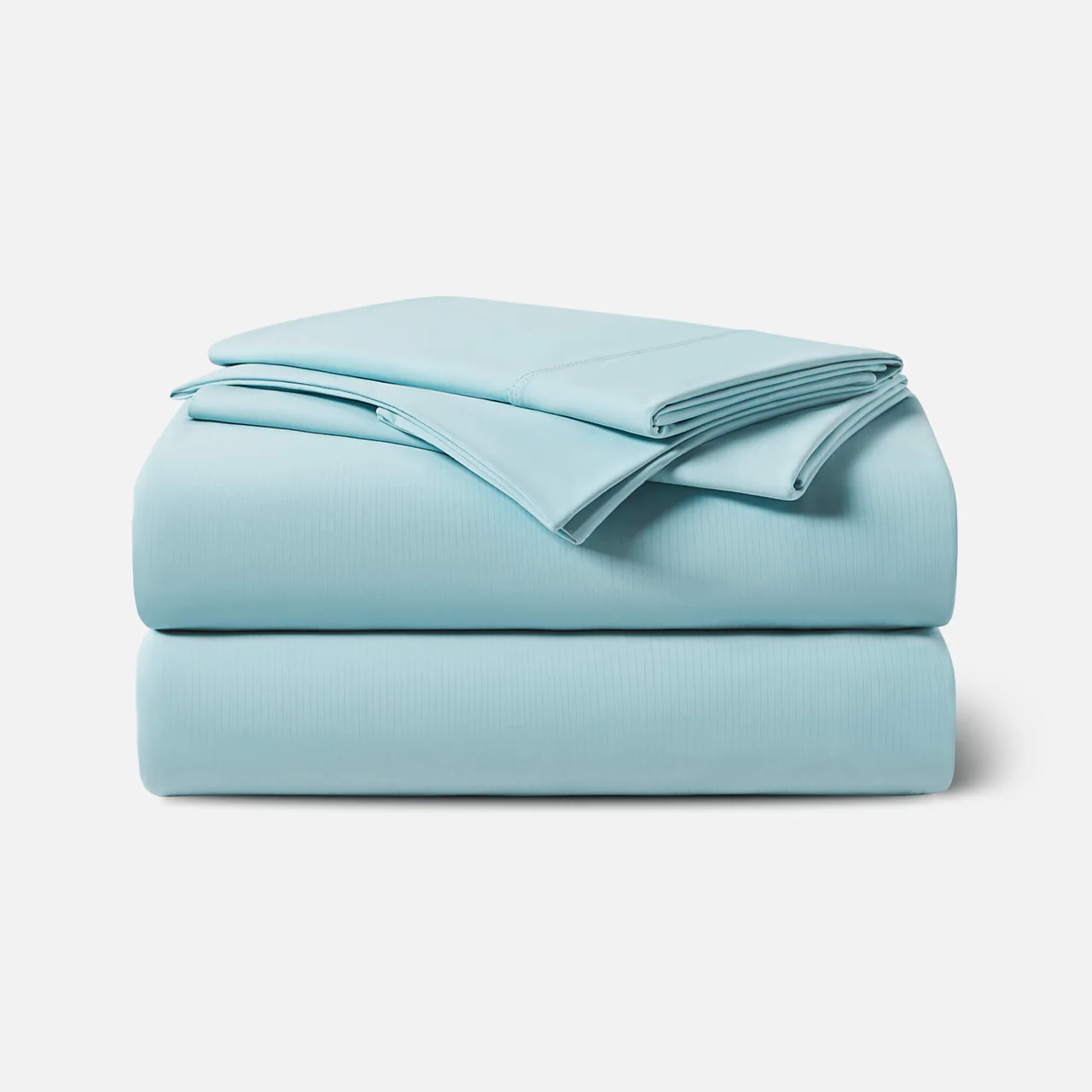
by Quick answer: bamboo lyocell or bamboo rayon in a crisp percale weave sleeps coolest; for a set engineered specifically for temperature control, check the Evercool®+ Cooling Sheet Set and its current price on the official site.
- Recent roundup reviews consistently find percale-weave bamboo sheets cooler than sateen-weave versions of the same fiber.
- Bamboo lyocell is made in a closed-loop process that recycles solvents, per manufacturer descriptions, and earns strong marks for moisture-wicking.
- Cooling feel is subjective, so a flexible return policy matters as much as the fiber on the label.
Updated July 2026 · Reviewed for accuracy
Most sheets sold as "cooling bamboo" lean hard on the fiber name and hope you never ask about the weave. You should ask. My verdict after years of reading bedding construction and owner feedback: bamboo can sleep genuinely cool, but only when the fiber and the weave work together.
Why bamboo sheets feel cool against your skin
Bamboo-derived fabrics pull moisture off your skin and spread it across the fabric surface, where it evaporates. That evaporation is the whole trick. It's what creates the cool-to-the-touch feel that owners of good bamboo sheets describe again and again in verified reviews.
Two things have to happen for that cooling to work. The fiber has to move moisture, and the fabric structure has to let air through so heat can escape. Bamboo rayon and bamboo lyocell both handle the moisture side well. The airflow side depends entirely on how the sheet is woven, which is why two sets with identical fiber labels can sleep at completely different temperatures.
Here's the part brands don't advertise: bamboo alone guarantees nothing. A dense, heavy bamboo sheet can sleep warmer than a light cotton percale. If you want the broader picture on temperature-regulating bedding beyond bamboo, my cooling sheets guide breaks down every fabric category worth considering.
The short version:
- Fiber moves moisture; weave moves air. You need both.
- Bamboo lyocell wicks the strongest, according to owner feedback.
- Dense weaves and inflated thread counts trap heat, whatever the fiber label says.
Bamboo rayon vs bamboo lyocell: the real difference
Flip over a few bamboo sheet listings and you'll see two fiber names doing most of the work. Bamboo rayon, also labeled bamboo viscose, is the common one. It's soft, it drapes heavily, it manages moisture well, and it sits in the budget to mid-range tier. The downside is production: the viscose process is chemical-intensive, which matters if sustainability is on your checklist.
Bamboo lyocell is the step up. Per manufacturer descriptions, it's produced in a closed-loop system that recycles its solvents rather than dumping them. Owner reviews give it strong marks for moisture-wicking and a noticeably cooler hand feel. It usually costs more, landing in the mid-range to premium tier, so check the current price on the brand's site before you commit.
| Bamboo rayon / viscose | Bamboo lyocell | |
|---|---|---|
| Feel | Silky with a heavy drape | Smooth with a cooler touch |
| Moisture handling | Good wicking | Strong wicking, per owner feedback |
| Production | Viscose process, more chemical-intensive | Closed-loop process that recycles solvents |
| Typical tier | Budget to mid-range | Mid-range to premium |
| Best for | Value shoppers | Hot sleepers and eco-conscious buyers |
My take: if you sleep warm every night, lyocell earns its premium. If you sleep mildly warm and want the bamboo feel without the higher price, a rayon set in the right weave gets you most of the way there. I go deeper on this matchup in my lyocell vs bamboo sheets comparison.
Comparing options? The Evercool®+ Cooling Sheet Set is the pick we keep coming back to — see the final verdict ↓
Percale vs sateen: weave beats fiber marketing
Here's a concrete pattern worth remembering. Recent roundup reviews of bamboo sheets repeatedly note that percale-weave versions sleep cooler than sateen-weave versions made from the same fiber. Same bamboo, different temperature. The weave is doing that.
Percale is a plain, balanced weave with a crisp, matte finish. Air moves through it freely, so body heat escapes instead of pooling under the sheet. Sateen floats more yarns on the surface, which feels silkier but packs the fabric tighter. That tighter structure holds warmth, even when the yarn itself is moisture-wicking bamboo.
The Nut's tip: ignore thread count as a cooling signal. A very high thread count usually means a tighter weave, and a tighter weave means less airflow. For hot sleepers, a moderate thread count in a percale weave will outperform a sky-high count in sateen almost every time.
If you love the buttery drape of sateen, bamboo sateen is still a comfortable sheet, just not the coolest one. And if you're weighing bamboo against the classic summer fabric, my breakdown of bamboo vs cotton sheets for summer covers where each one wins.
What I'd check before buying
Start with the label. You want sheets made purely from bamboo rayon, bamboo viscose, or bamboo lyocell, not a "bamboo blend." Blends frequently mix in polyester or microfiber, and those synthetic fibers undo the breathability you're paying for. If the listing won't state the fiber breakdown clearly, walk away.
Next, certifications. OEKO-TEX or a comparable certification tells you the finished fabric has been tested for harmful substances, which is worth having given how chemical-intensive bamboo processing can be. Eco-conscious buyers should also look for closed-loop production claims and transparency about dyes and finishes.
- Fiber: pure bamboo rayon, viscose, or lyocell, never an unnamed blend.
- Weave: percale for maximum cooling; sateen only if you prioritize drape over temperature.
- Fit: deep pockets and sturdy corner elastic if your mattress is thick or topped.
- Certifications: OEKO-TEX or similar for chemical safety.
- Returns: a flexible return policy, because cooling feel is personal.
Red flags I'd skip: listings that shout "bamboo" but hide the fiber blend, inflated thread counts used as a cooling claim, no stated certifications, and no meaningful return window. Any one of those suggests the marketing is doing more work than the fabric.
That last point deserves emphasis. Whether a sheet feels cool depends on your room, your mattress, and your own body temperature. Recent buyer guides are consistent on this: favor brands that let you sleep on the sheets and send them back if they don't perform in your environment.
Who bamboo cooling sheets suit, and who should skip them
Hot sleepers get the most from this category. If you kick off covers or wake up overheated, a bamboo lyocell set or a bamboo rayon percale set targets exactly that problem: moisture off your skin, heat out through the weave. Value seekers do fine here too, since a well-made rayon percale set delivers real cooling without the premium price.
If your priority is a polished, high-end feel alongside the cooling, the premium end of the market is where lyocell sets live, and my roundup of luxury bamboo sheets covers what the extra money actually buys. If you'd rather skip the fiber-versus-weave guesswork entirely, the Evercool®+ Cooling Sheet Set is built around temperature regulation as its core job rather than as a marketing label; it's positioned in the performance tier, so check the current offer on the official site.
Who should skip bamboo cooling sheets? Cold sleepers, honestly. If you pile on blankets in July, a crisp moisture-wicking sheet works against you. The same goes for anyone who wants a heavy, cozy, flannel-style bed. Bamboo's strengths, light drape and heat release, are exactly what warm-weather sleepers want and cold-natured sleepers don't.
Care and durability: keeping the cooling performance
Bamboo sheets are not fragile, but their cooling properties depend on the fiber surface staying clean and open. Manufacturer care instructions exist for a reason here: they preserve the fit, the moisture-wicking behavior, and the finish. Follow them.
My practical guidance from years of working with these fabrics: wash cool on a gentle cycle with a mild detergent, skip the fabric softener, and dry on low heat or line dry. Fabric softener coats fibers with a waxy layer, and a coated fiber wicks worse. High heat is the other enemy; owner reviews of bamboo sheets frequently mention pilling and premature wear tied to hot drying.
- Wash cool, gentle cycle, mild detergent.
- No fabric softener; it clogs the wicking surface.
- Low heat or line dry to protect the elastic and the finish.
- Expect some wrinkling with percale; it's the price of breathability.
Treated well, a quality bamboo set holds its feel for years. Treated like a load of gym towels, it won't. The fabric rewards the small effort.
FAQ
Do bamboo cooling sheets actually work?
For most warm sleepers, yes. The combination of moisture-wicking fiber and a breathable weave moves heat and sweat away from your body, which is the mechanism behind genuine cooling. The effect is subjective, though, which is why a flexible return policy matters.
Is bamboo lyocell worth the higher price?
If you sleep hot every night, I'd say yes. Owner feedback consistently praises lyocell's wicking and cooler touch, and per manufacturer descriptions its closed-loop production recycles solvents, which is a real environmental plus. Mildly warm sleepers can save money with a bamboo rayon percale set instead.
What thread count is best for cooling bamboo sheets?
Stop chasing a high number. A very high thread count usually signals a tighter weave, and tighter weaves trap heat. A moderate thread count in a percale weave is the cooler configuration, as recent roundup reviews of bamboo sheets keep confirming.
Are bamboo sheets a good choice for sensitive skin?
Many owners with easily irritated skin report good experiences with bamboo sheets, largely because the fabric is smooth and soft against the skin. If this matters to you, look for an OEKO-TEX or comparable certification, which verifies the finished fabric has been tested for harmful substances, and favor brands transparent about dyes and finishes.
How do bamboo sheets compare to cotton for summer?
Bamboo-derived fabrics generally wick moisture more actively, while a quality cotton percale wins on crispness and airflow, per recent buyer guides comparing the two. Hot, sweaty sleepers tend to prefer bamboo; sleepers who just want a light, airy sheet are often happy with either.
FINAL VERDICT
Before you settle: if bamboo cooling sheets is what brought you here, the Evercool®+ Cooling Sheet Set is the value pick on this page — the strongest trial-and-return terms of the options covered here. Confirm current price, dimensions and terms on the official product page before ordering.
OUR CATEGORY-MATCHED PICK
Evercool®+ Cooling Sheet Set
- Evercool®+ Cooling Sheet Set and its current price on the official site