
 by
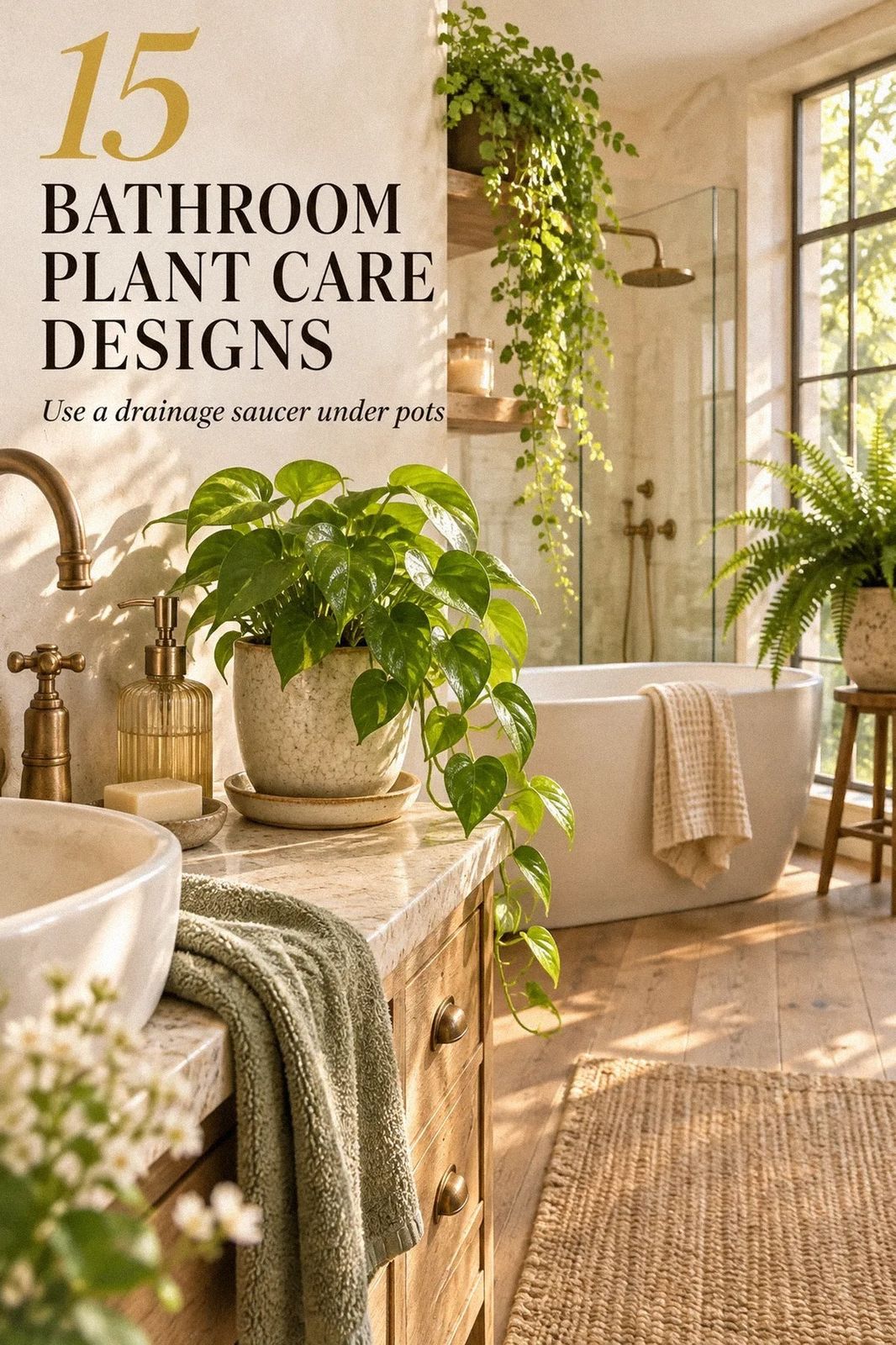
Bathroom Plant Care 101 is simple: let the potting mix dry partly, match the plant to your window, and treat humidity as a bonus. I learned that after drowning a fern beside my shower. Your bathroom can be warm and calming, but steam won't repair bad light.
Start with the roots, then style the room. A few thoughtful choices can create a lush, inviting corner without turning your morning routine into a demanding greenhouse project.
- Start With the Plants That Like the Bathroom
- Build the Three-Window Test for Plants Good for Bathrooms
- Water by the Root Ball, Not the Calendar
- Use the Humidity Bonus Rule for Bathroom Friendly Plants
- Choose Leafy Calm Over Tropical Drama
- Rotate Pots Toward the Bright Side
- Hang Air Plants Where Steam Can Reach Them
- Keep Low Light Honest, What Plants Are Good for Bathrooms?
- Swap Soggy Soil for a Chunky Root-Room Mix
- Frame the Sink With a Small Green Group
- Match Pot Material to Your Watering Habit
- Clean Leaves Before the Film Builds
- Budget the Bathroom Plant Zone With Real Costs
- Test the No-Window Plan Before You Buy
- Style a Rental Without Drilling
1Start With the Plants That Like the Bathroom
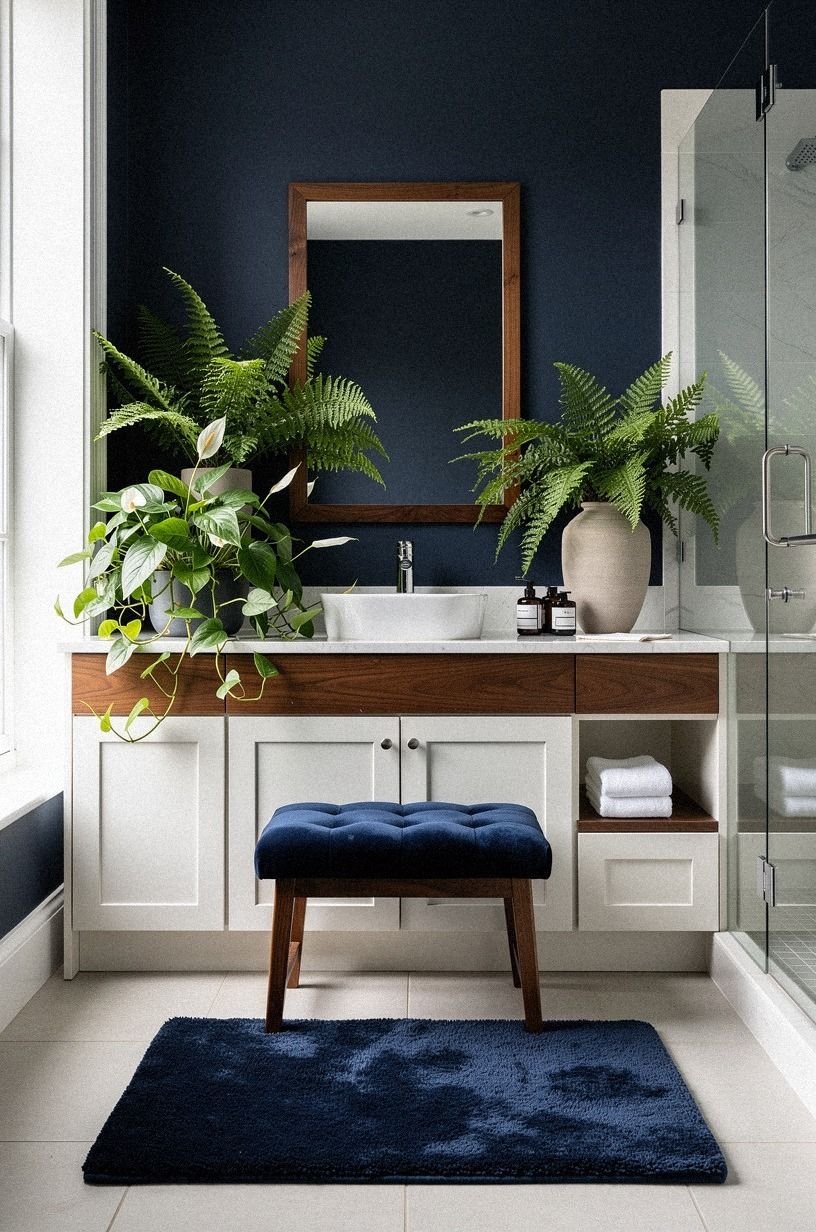
Plants that like the bathroom usually want steady warmth, moderate moisture, and indirect light. Bird's nest fern is my first pick because its broad fronds look soft beside white tile and walnut cabinetry, and it won't demand a sunroom. If you're choosing a plant for a small sink ledge, a compact pothos or peperomia gives you a forgiving start.
Check the window before you buy anything. A north-facing bathroom can support low-light foliage, while a bright south-facing room may need a sheer curtain so leaves don't scorch.
You don't need a dramatic jungle. You need one plant that matches your actual room, not the bathroom you wish you had.
For a warm, organic arrangement, try a walnut planter stand with a waterproof saucer. The wood adds warmth without competing with the leaves, while the saucer protects the surface. I like the leafy options in our guide to low-light bathroom plants that thrive in the shade when your window gives you little help.
2Build the Three-Window Test for Plants Good for Bathrooms
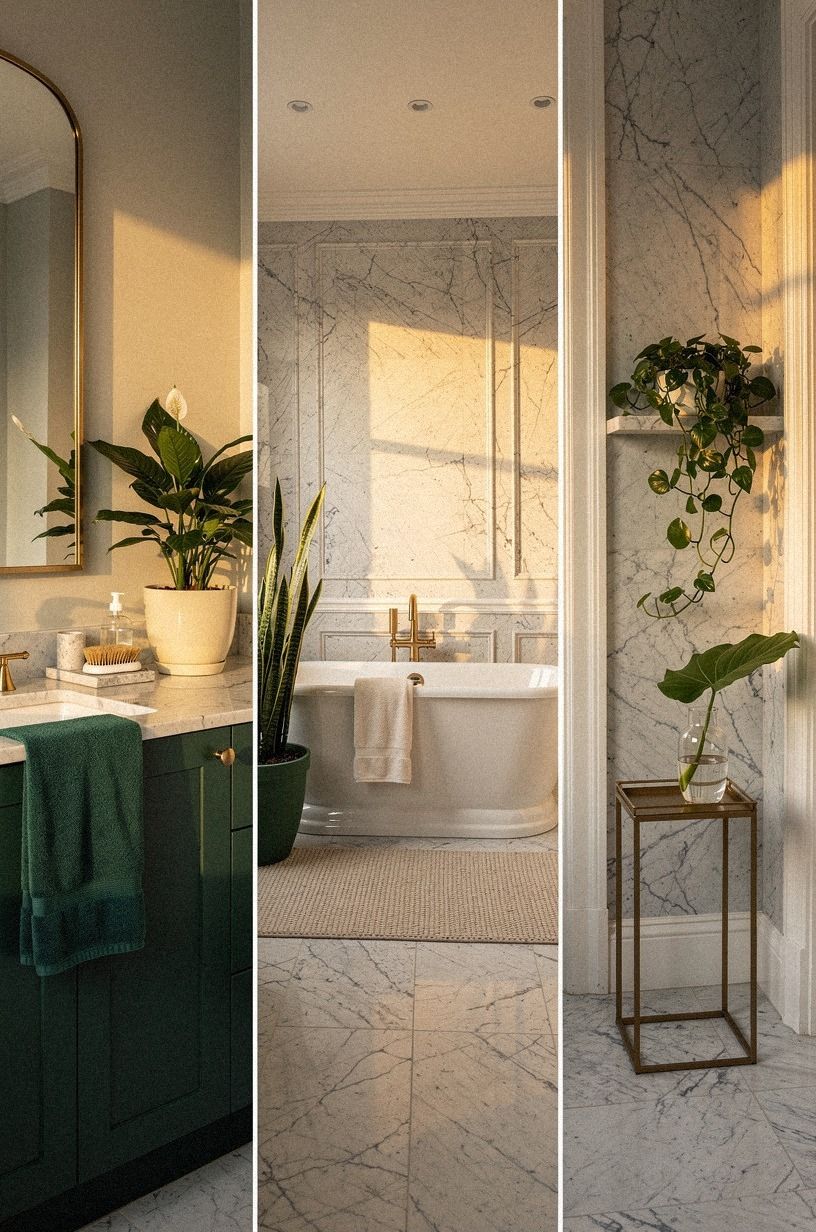
Plants good for bathrooms need more than a vague “bright room” label. Use the Three-Window Test: stand where the plant will live, note whether you can see the sky, and watch how the light changes from morning to afternoon. If you can't see daylight from the plant's shelf, choose a low-light variety or plan a grow light.
I use this test because a listing can make a room seem brighter than it feels. A bathroom may look bright at midday, yet the deep room can feel dim once the door is closed. Benjamin Moore White Dove OC-17 walls will reflect more light than a deep paint color, but you should still be careful with tropical plants in a shaded corner.
Place the plant near reflected light from a mirror, but keep leaves away from direct splashes. You don't want soap film settling on the foliage every day.
The result can still feel serene and airy, especially when you combine one upright plant with a smaller trailing shape. For a windowless setup, compare the options in our best plants for a bathroom with no natural light.
3Water by the Root Ball, Not the Calendar
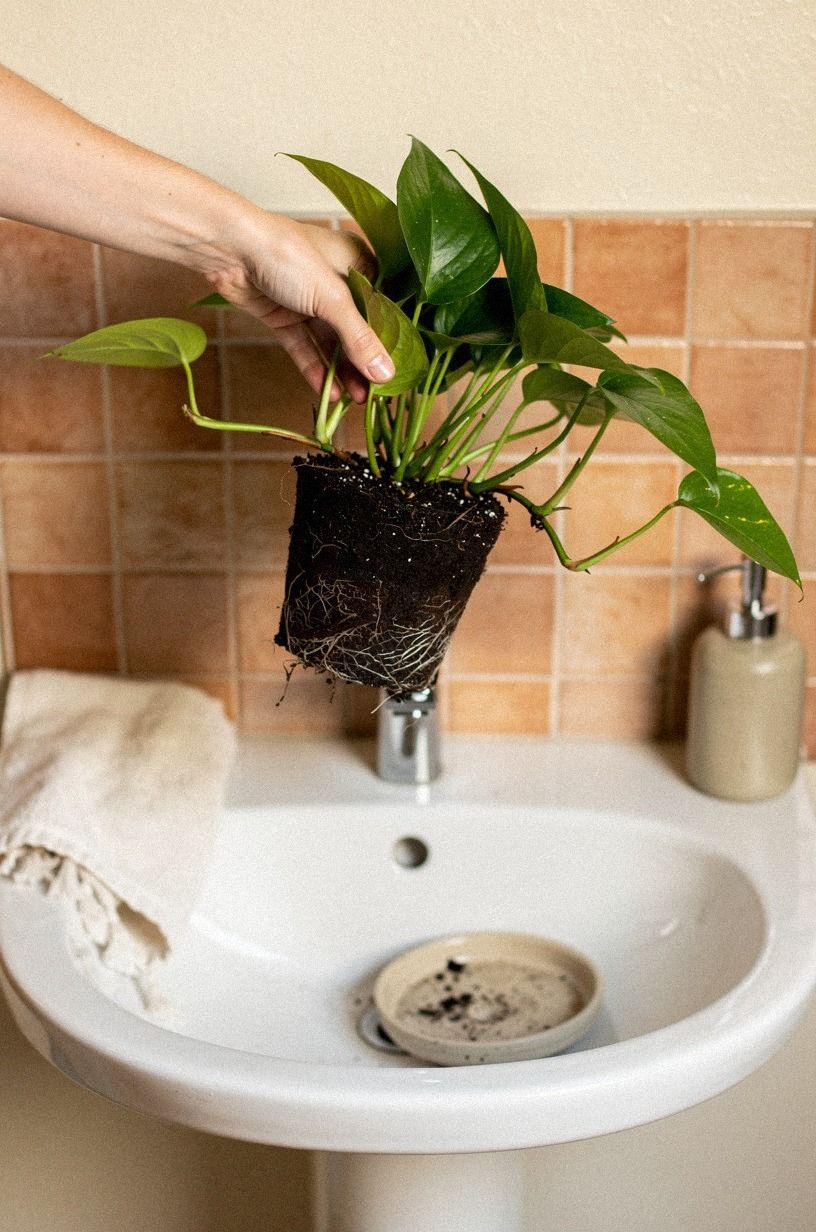
Watering bathroom-friendly plants by the calendar is how many good plants quietly fail. Push your finger into the top layer of potting mix and feel below the surface.
If the soil is still cool and damp, wait. If it feels dry deeper down, water slowly until a little drains from the bottom.
Your bathroom's humidity can make the top look dry while the center stays wet. That fooled me when a pot sat on a reclaimed weathered teak tray, and the roots started smelling sour before the leaves changed color.
Now I lift the nursery pot every few days. A lighter pot tells you more than a fixed schedule ever will.
Let the pot drain fully before returning it to its decorative cover. You don't want standing water collecting under the roots. If you're unsure, use a simple nursery pot with holes inside a glazed bowl.
It isn't glamorous, but your plant will stay healthier and your vanity won't collect a muddy ring.
4Use the Humidity Bonus Rule for Bathroom Friendly Plants
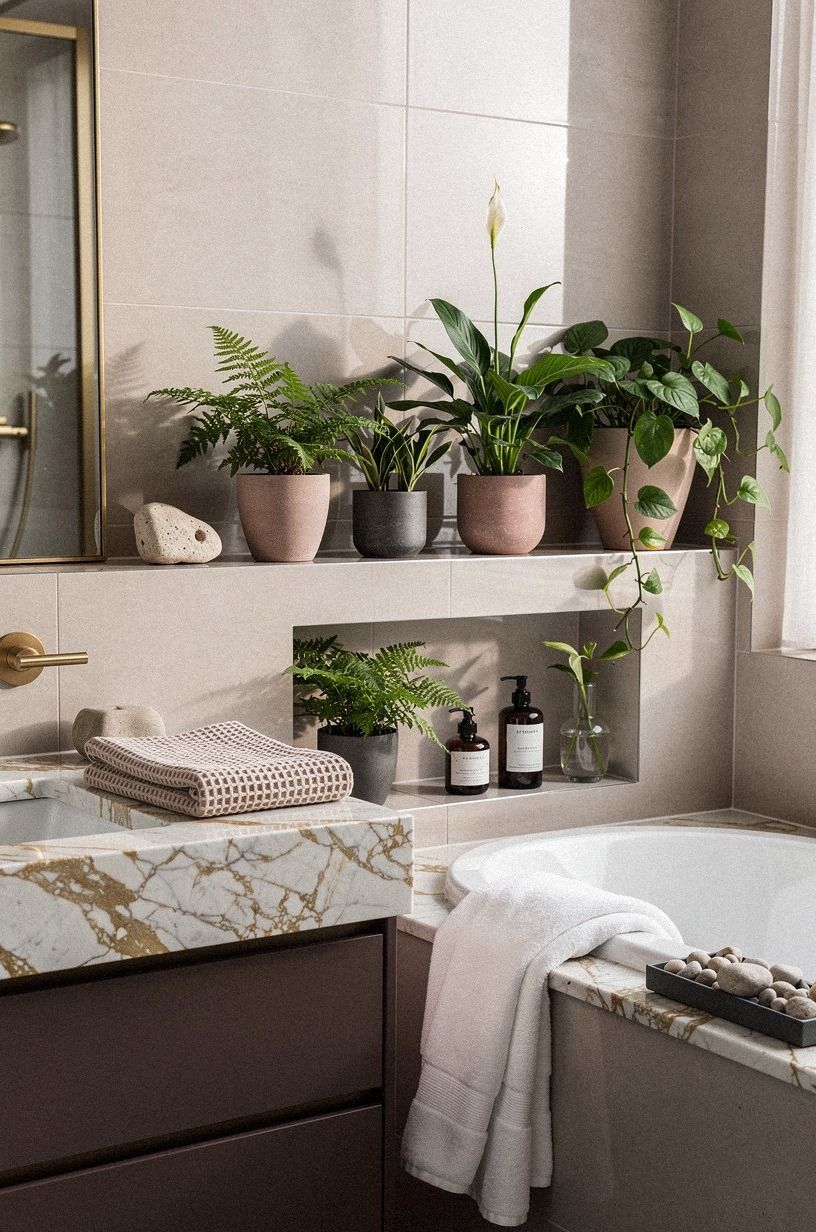
Bathroom humidity can help bathroom friendly plants, but it isn't free care. The Humidity Bonus Rule is simple: steam may support a plant that already has enough light, while it can't rescue one sitting in a dark corner. Your shower creates a warm pocket, not a substitute for photosynthesis.
Keep leaves several inches from the shower spray so mineral deposits and soap don't build up. Boston fern enjoys a humid atmosphere, but its fronds still need airflow between showers. I like it on a brass stand near Calacatta marble with gold veining, where you can see the feathery texture without brushing against it every morning.
An exhaust fan matters, too. If your mirror stays fogged long after the room dries, choose a plant with sturdy foliage and leave space around the pot. You can compare moisture-loving choices in our guide to plants that help fight bathroom mold and humidity, then decide whether your room is truly humid or simply steamy for a few minutes.
5Choose Leafy Calm Over Tropical Drama
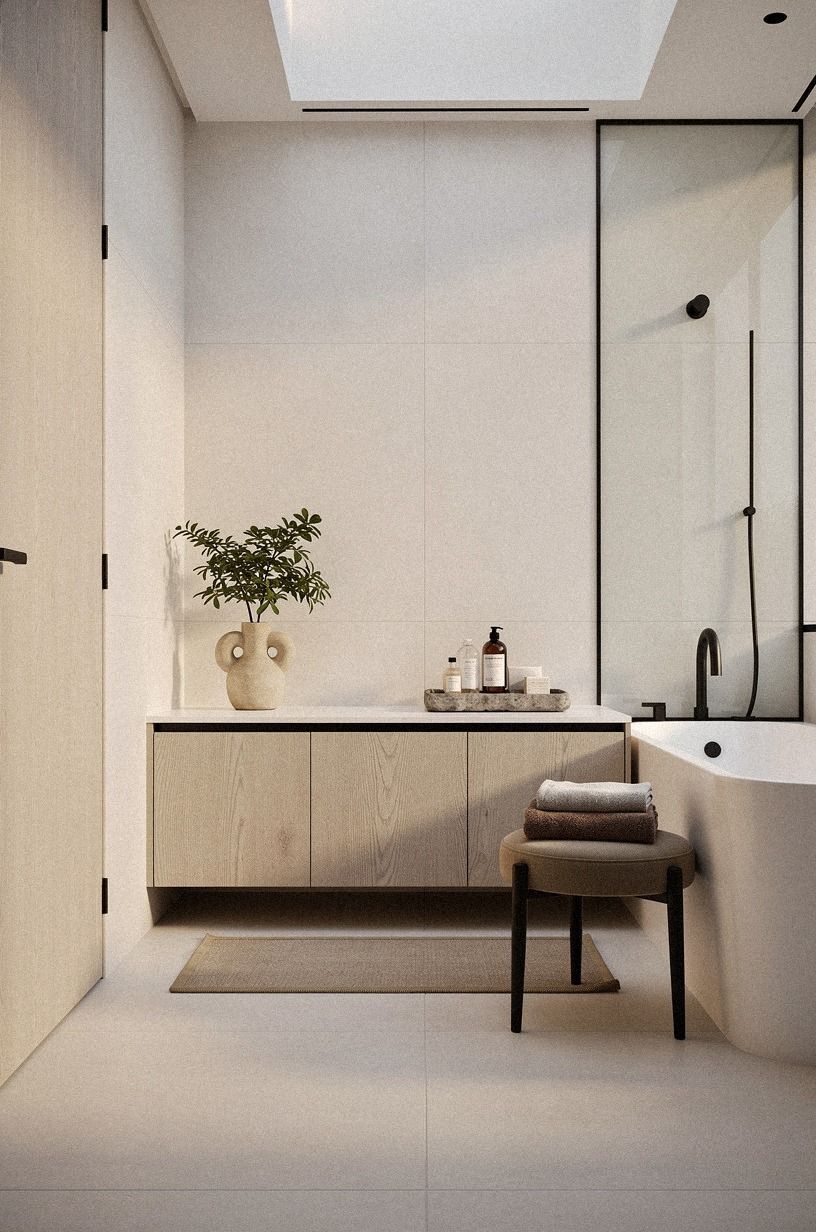
What plants are good for bathrooms when you want a peaceful room instead of a greenhouse? Choose leafy calm over tropical drama. A ZZ plant or snake plant gives you firm shapes, deep green color, and less visual fuss than a huge, sprawling specimen that blocks your mirror.
Your bathroom probably has enough hard surfaces already. Curved leaves can soften a vanity, while upright leaves make a narrow room feel taller.
I’d skip a delicate calathea if you’re new to plant care. Its patterned leaves are captivating, but they can punish inconsistent watering and dry air.
Try a single sculptural plant on a cerused white oak stool beside folded towels, then stop. You don't need five pots to make the room feel lived-in. If you're drawn to a calmer arrangement, our modern minimalist bathroom plant decor ideas show how one strong plant can carry the whole composition.
6Rotate Pots Toward the Bright Side
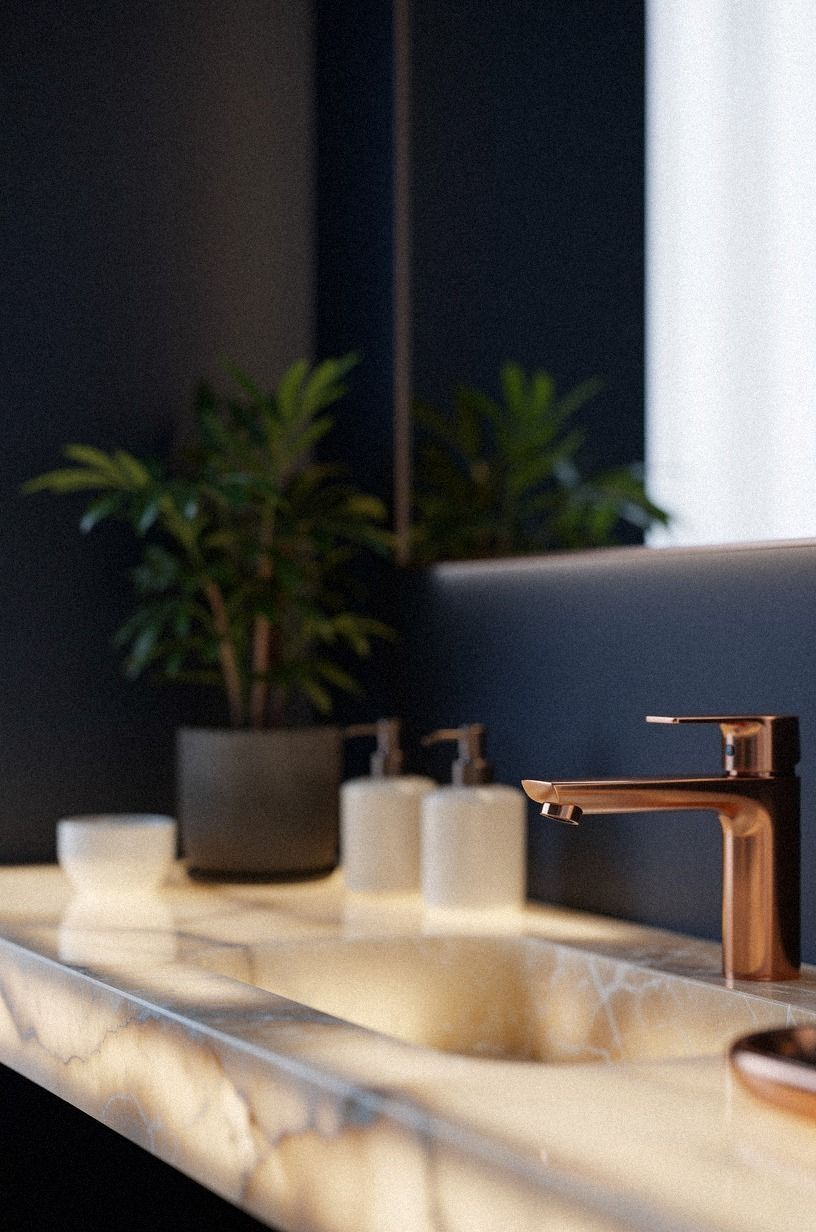
Rotate your pots toward the bright side so growth doesn't lean into one window forever. A midnight-blue pot on an ivory shelf can keep the practical move looking intentional.
7Hang Air Plants Where Steam Can Reach Them
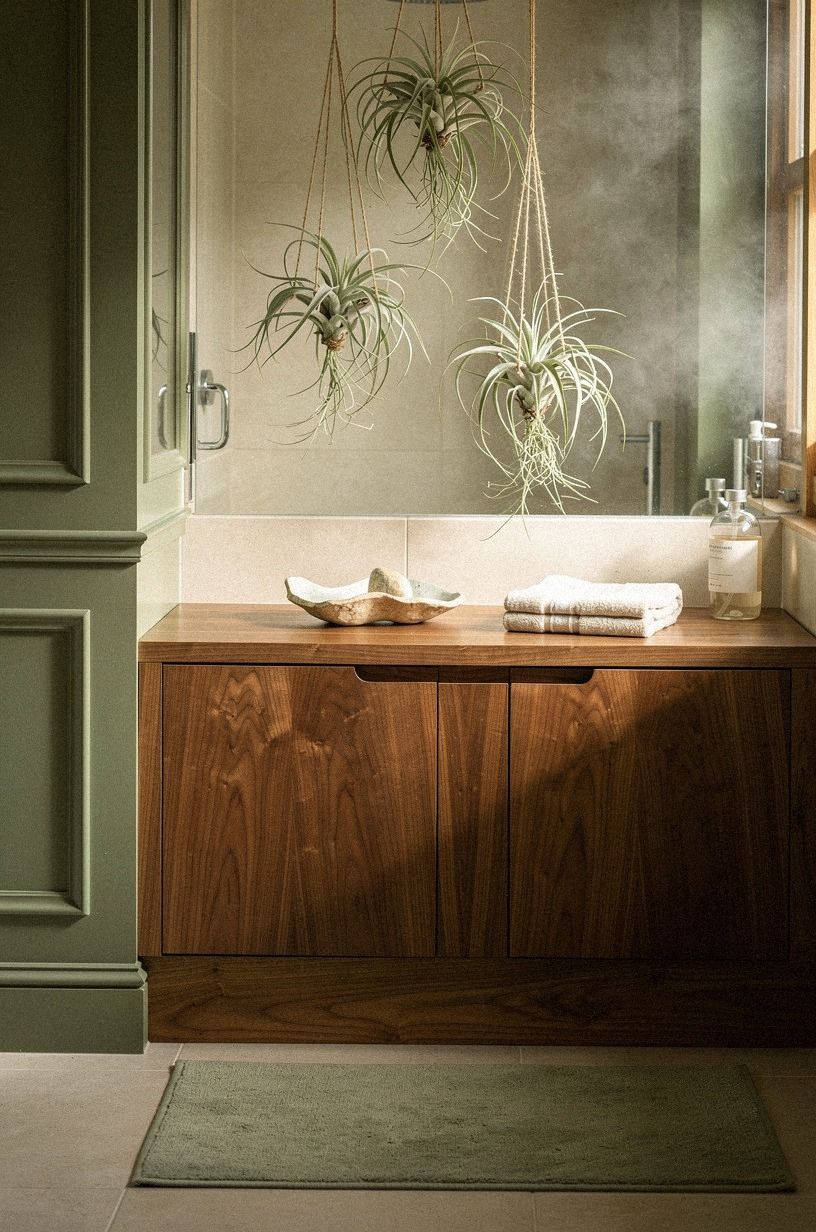
Air plants can work in a bathroom when you give them bright indirect light and enough drying time. Hang one near, not inside, the shower zone so it benefits from moisture without staying wet. Tillandsia ionantha has a compact shape that suits a small rental bathroom and doesn't need a planter filled with soil.
After watering, shake out the plant and place it somewhere airy until the leaves are dry. You don't want water sitting in the center because rot can start there. I learned that after leaving one in a narrow glass globe, where the trapped moisture had nowhere to escape.
A simple removable walnut-finish hook can make the display feel warm and refined, but check that the hook is removable if you're renting. You can find more relaxed hanging inspiration in this boho plant bathroom guide with macrame, rattan, and greenery. Your plant should move easily when it needs care.
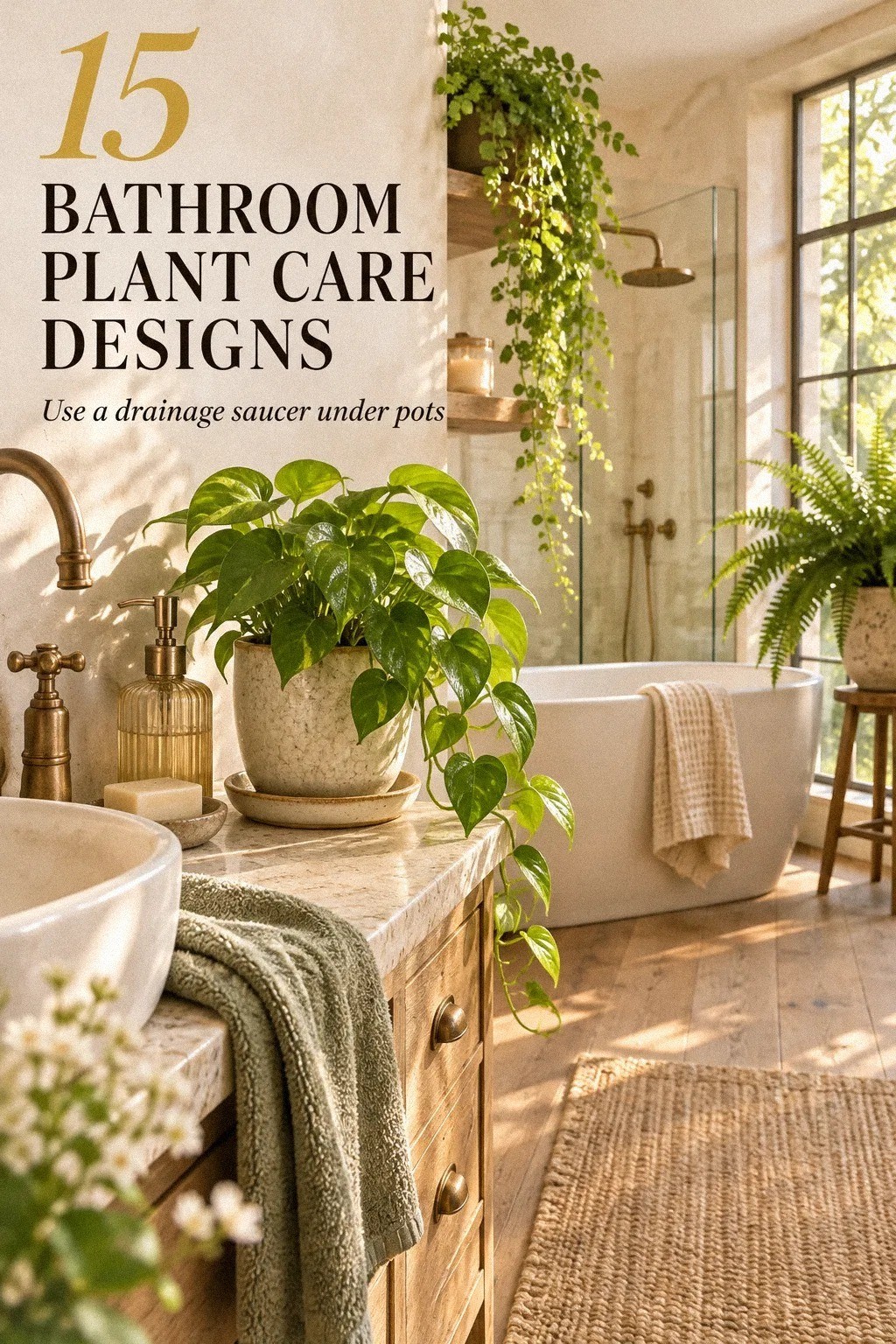
8Keep Low Light Honest, What Plants Are Good for Bathrooms?
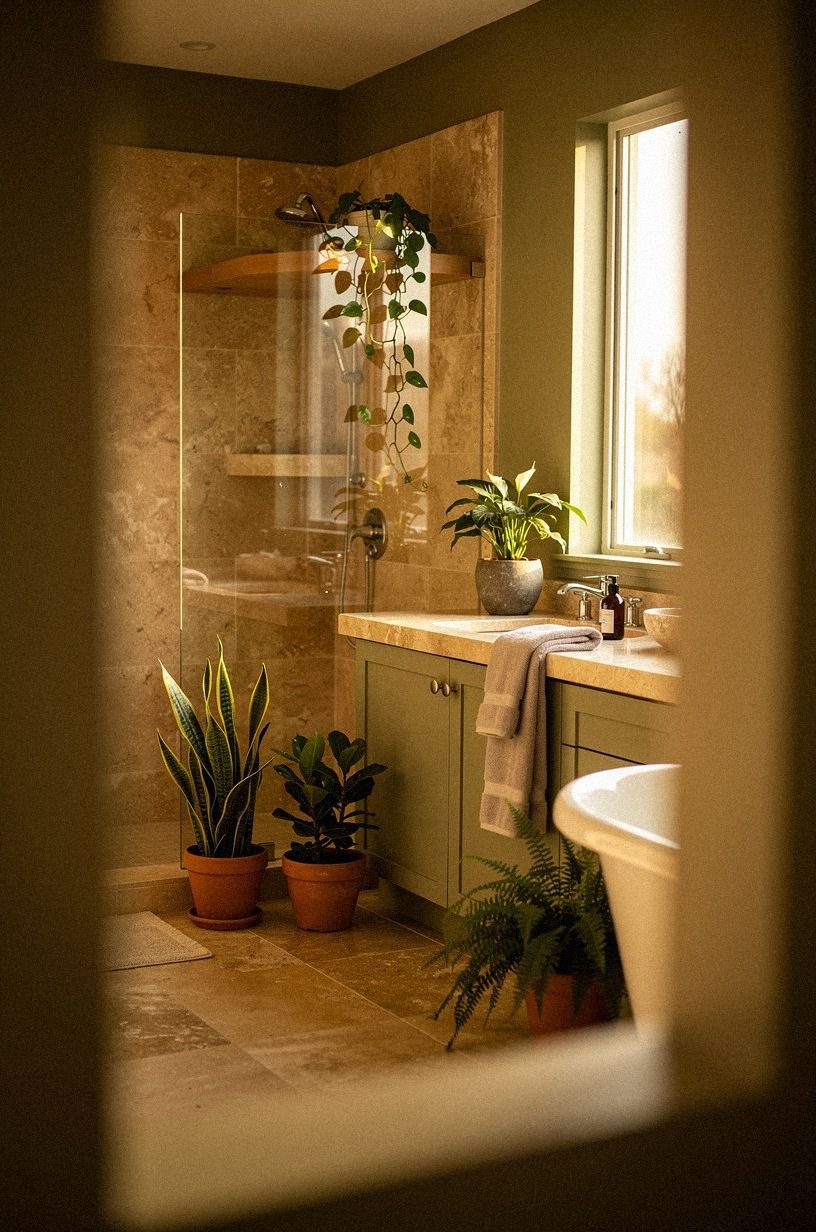
What plants are good for bathrooms with no useful window?
9Swap Soggy Soil for a Chunky Root-Room Mix
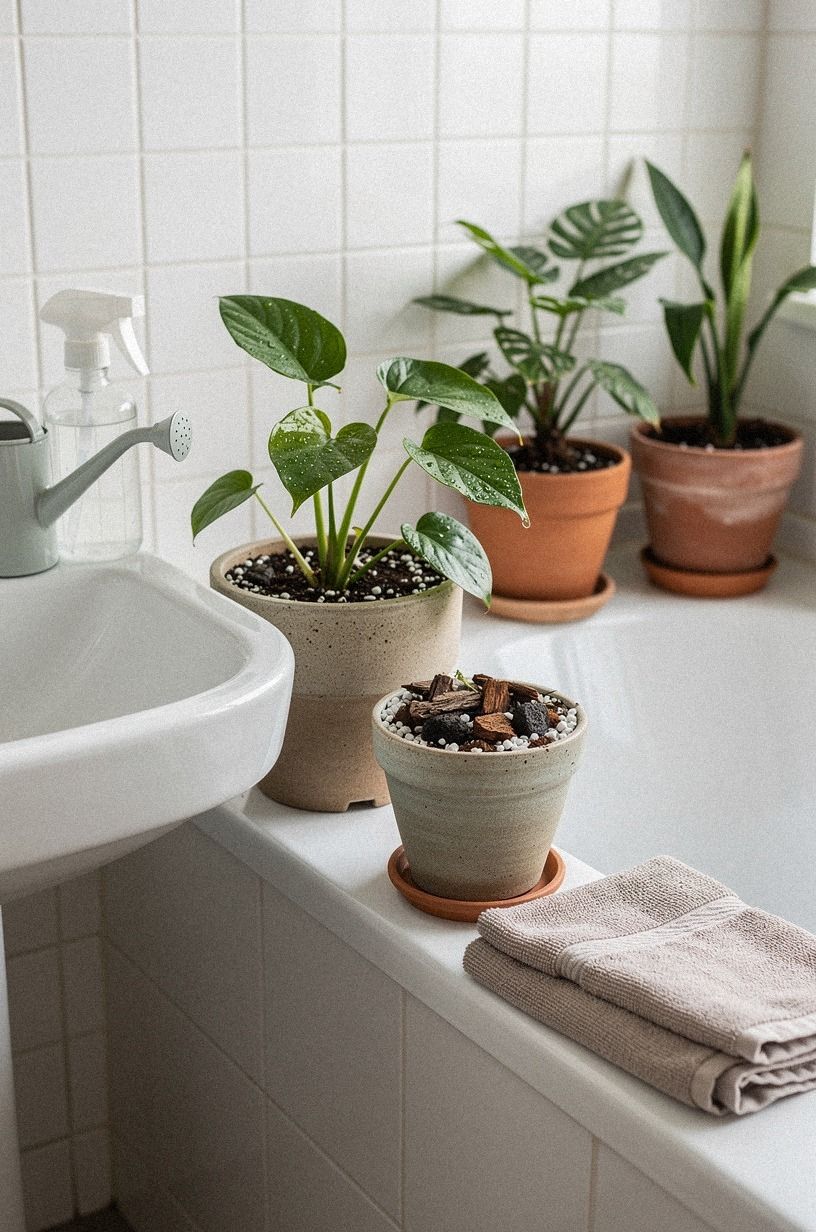
A chunky root-room mix gives bathroom plants air around their roots, which matters in a humid space. Look for visible bark, perlite, or coarse material rather than a dense black mix that holds water like a sponge. Your plant's pot should feel light and breathable, not packed solid.
I like orchid bark for plants that resent wet soil, especially when the bathroom has limited ventilation. It gives water somewhere to move and creates small air pockets around the roots. Don't press the mix down hard after repotting.
Roots need room to breathe, and compacted soil turns watering into guesswork.
Choose a pot only slightly wider than the current root ball. A huge container may look generous, but it stores excess moisture around a small root system.
If you're repotting near the vanity, use an unlacquered brass tray first. Its developing patina is easy to live with, while soil on grout is a tiny mess that becomes annoying much faster than you'd expect. For moisture-resistant choices, revisit the guide to plants that help fight bathroom mold and humidity.
10Frame the Sink With a Small Green Group
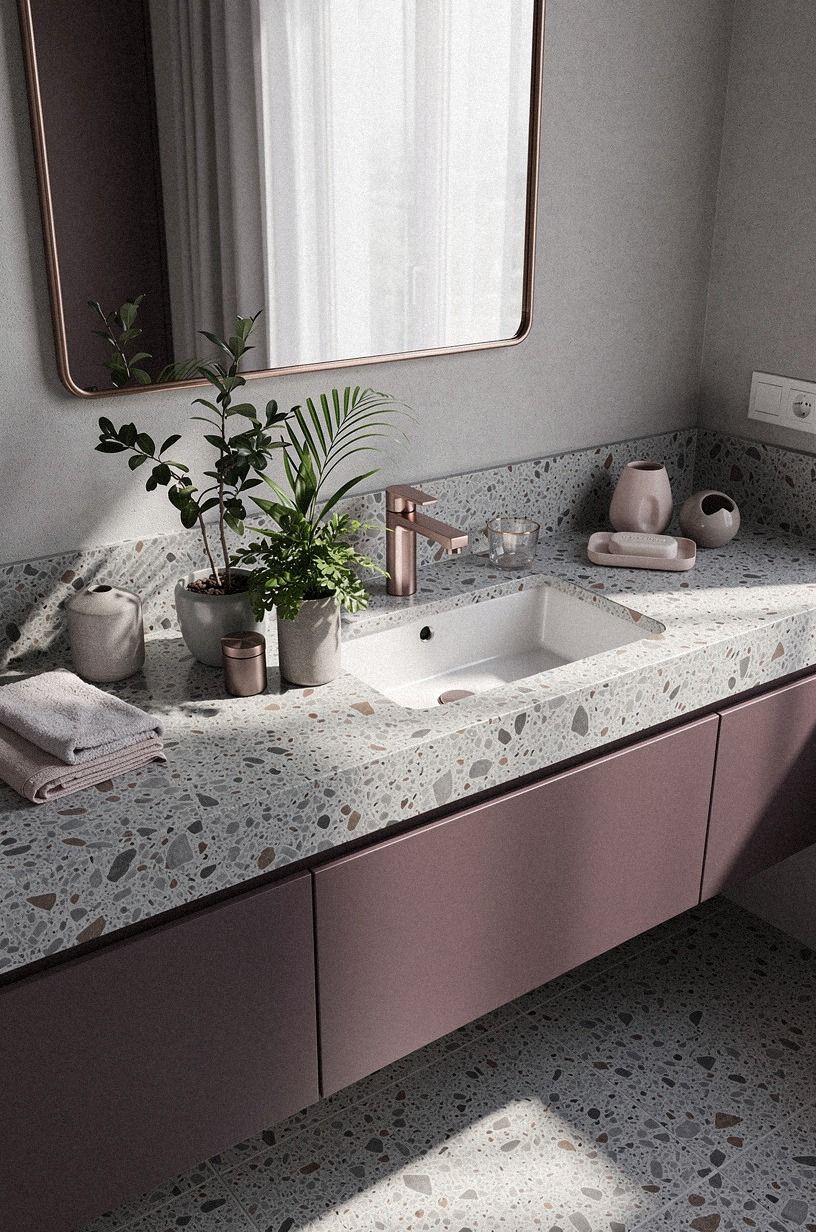
Frame the sink with a small green group instead of scattering plants across every surface. Use one taller plant, one low rounded plant, and open space between them. Your eye needs a quiet place to rest, especially in a bathroom already filled with bottles, towels, and metal fixtures.
An oversized-chip terrazzo stool can hold the taller pot while the smaller one sits on the counter. Keep the arrangement away from the faucet splash zone, where water and toothpaste residue can mark leaves. I prefer a grouped composition because it looks intentional without making your morning routine feel crowded.
Try repeating one color from the room, such as deep green against Farrow & Ball Brinjal No.222. The effect feels warm and collected rather than overly tropical. You don't need matching pots, but similar finishes will keep the display from becoming visual clutter.
Our modern minimalist bathroom plant decor ideas have more restrained arrangements to borrow.
11Match Pot Material to Your Watering Habit
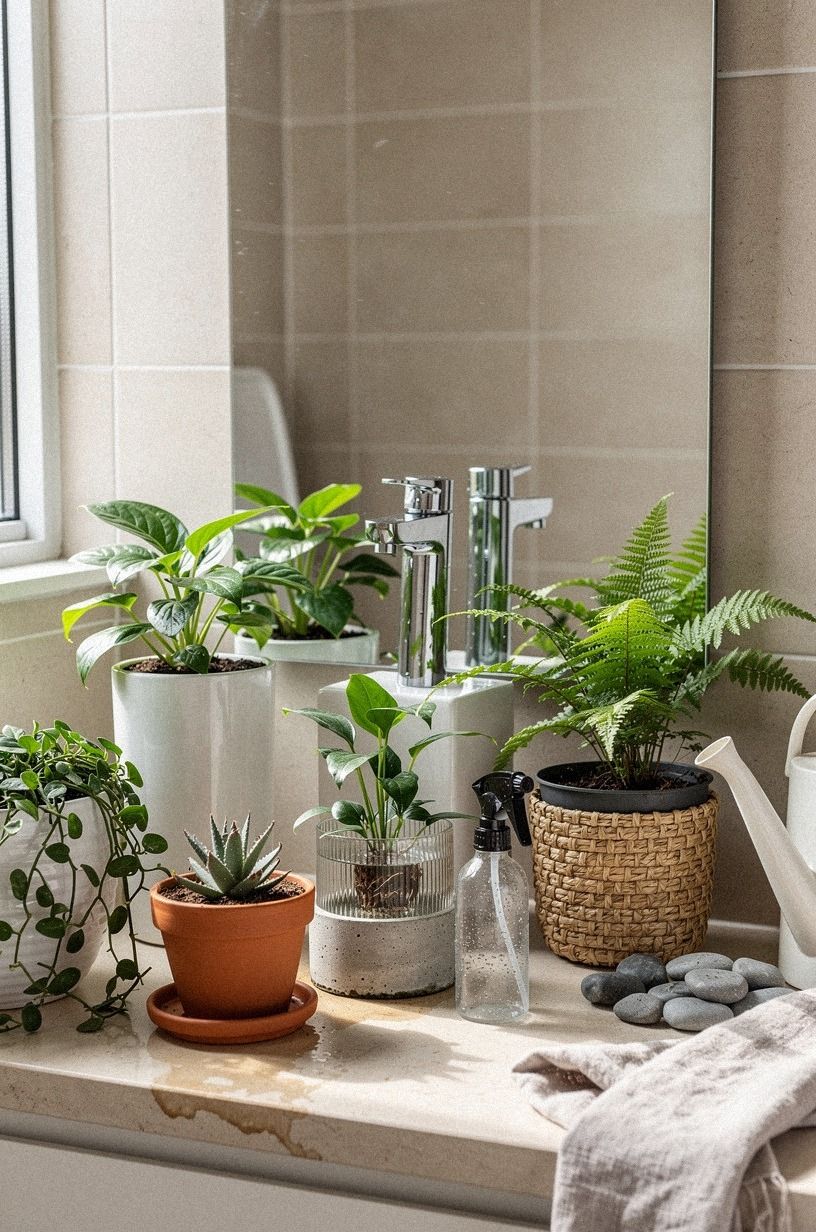
Match pot material to your watering habit, not only to your style. Unglazed terracotta dries more quickly, which suits someone who tends to water too often.
Glazed ceramic keeps moisture longer, which can help if you regularly forget your plants. Your best pot is the one that corrects your natural mistake.
A heavy navy pot works well on a floor, but it can be awkward on a narrow shelf. For a rental, choose a lightweight ribbed ceramic planter with a saucer that lifts out, especially against hand-applied Venetian plaster. You should be able to move the plant for cleaning, inspection, or better light without needing both hands and a prayer.
I’d skip a sealed decorative vessel unless the plant stays in a nursery pot inside it. No drainage is a real limitation, not a minor styling detail. If you're shopping secondhand, inspect the inside for cracks and make sure the base won't stain your vanity.
12Clean Leaves Before the Film Builds
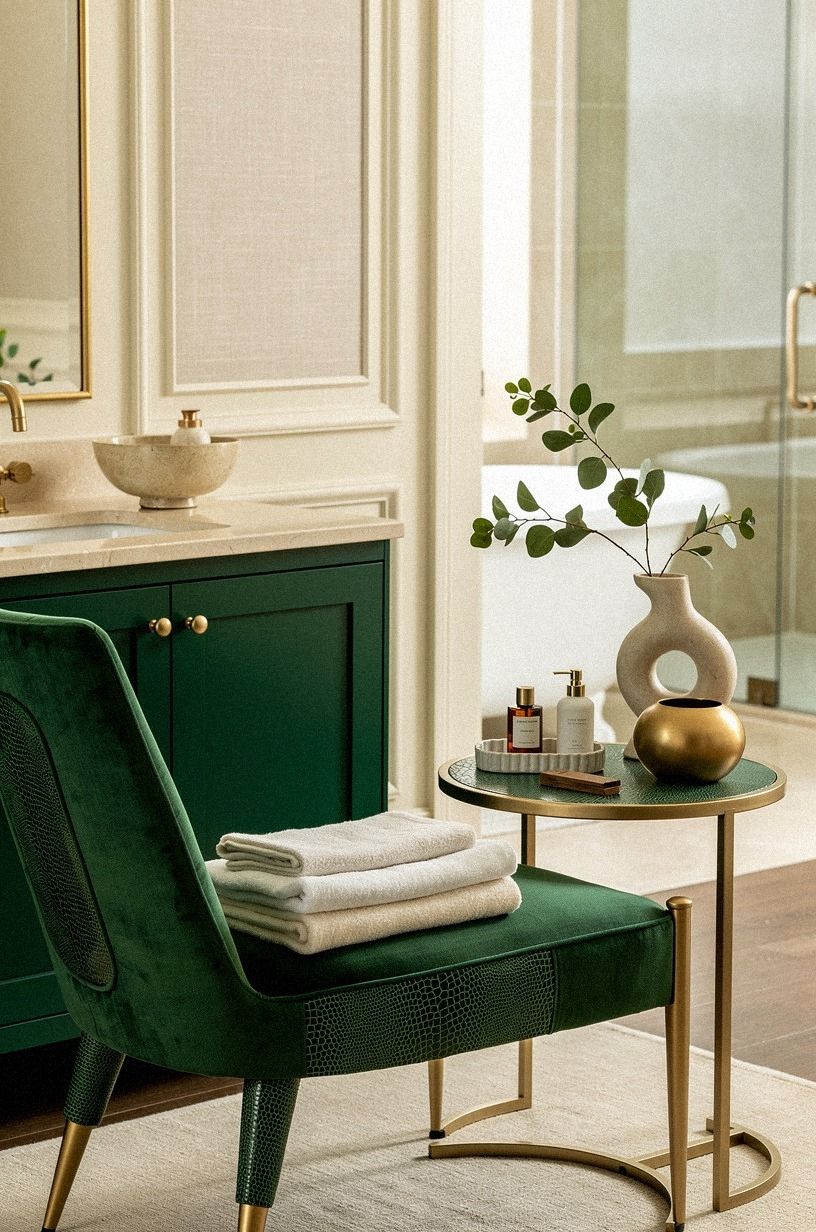
Clean leaves before bathroom film builds, especially if your shower water is hard. Dust, soap residue, and mineral spots can cover the surface that needs light. Use a soft damp cloth and support the leaf underneath so you don't snap the stem.
Microfiber cloth is gentler than a rough paper towel, and it won't leave fuzzy bits caught in the foliage. I wipe broad leaves one at a time, then let them air-dry away from direct sun.
Keep the cloth beside a small shagreen tray if you want the care routine to feel tidy. You don't need a glossy leaf spray. In a bathroom, clean and natural looks better than artificially shiny.
Check the undersides, where pests can hide and dust gathers. If you see sticky residue or fine webbing, move the plant away from your other greenery until you identify the problem. Spider mites are easier to manage when you catch them early.
Your bathroom plants should make the room feel calming, not create a second maintenance project.
13Budget the Bathroom Plant Zone With Real Costs
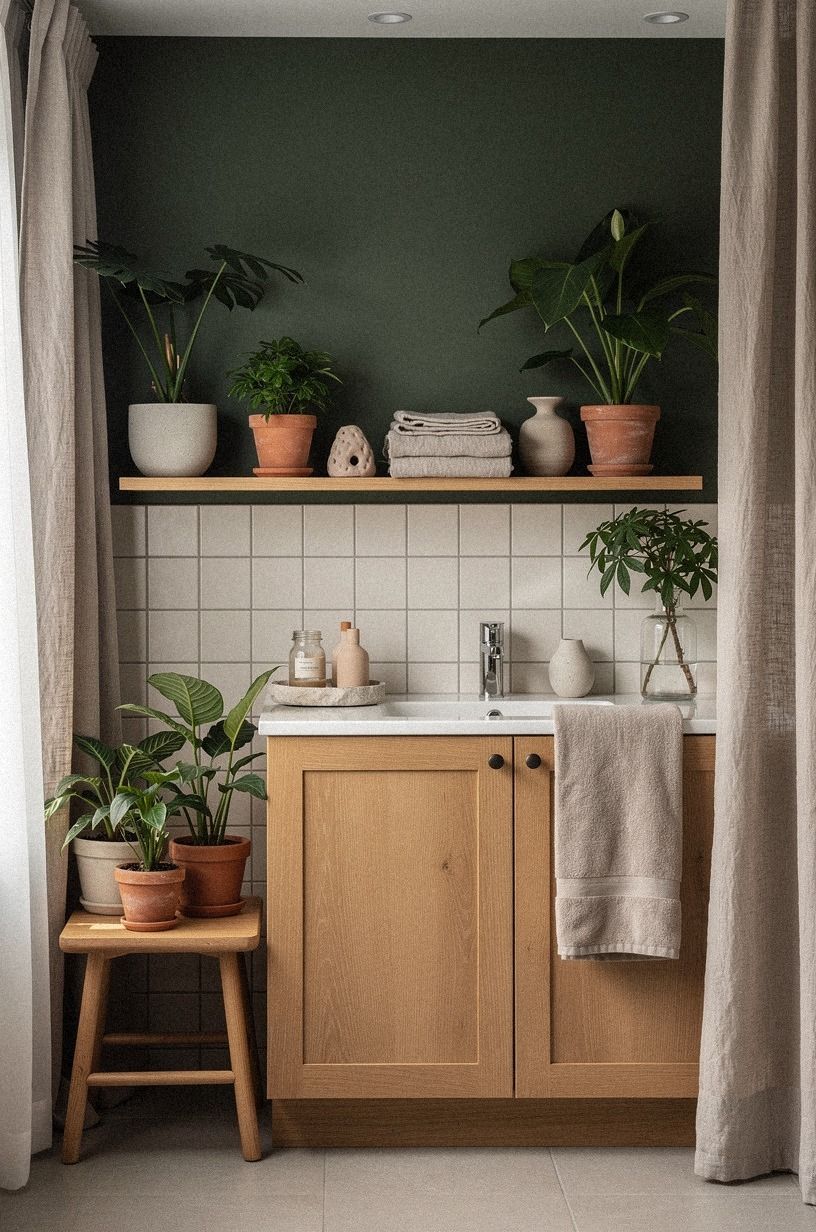
A bathroom plant corner can stay small, but your wider bathroom budget still needs honest categories. If you're changing paint, lighting, or tile around the plants, use these typical US ranges instead of assuming a quick refresh will cost almost nothing. The plants may be inexpensive, while the room around them is not.
For a plant-led refresh, spend your attention before your money. A clean pot, better placement, and a freshly wiped shelf can change the room without a renovation. A washed Belgian linen runner is a softer commitment than tile, so study our green zellige tile bathroom ideas before choosing a permanent surface.
Keep the plant zone separate from wet construction areas. You don't want dust settling into leaves or grout water soaking the root ball. If you're renovating, move plants out until the air clears, then bring back only the varieties that suit the new light.
14Test the No-Window Plan Before You Buy
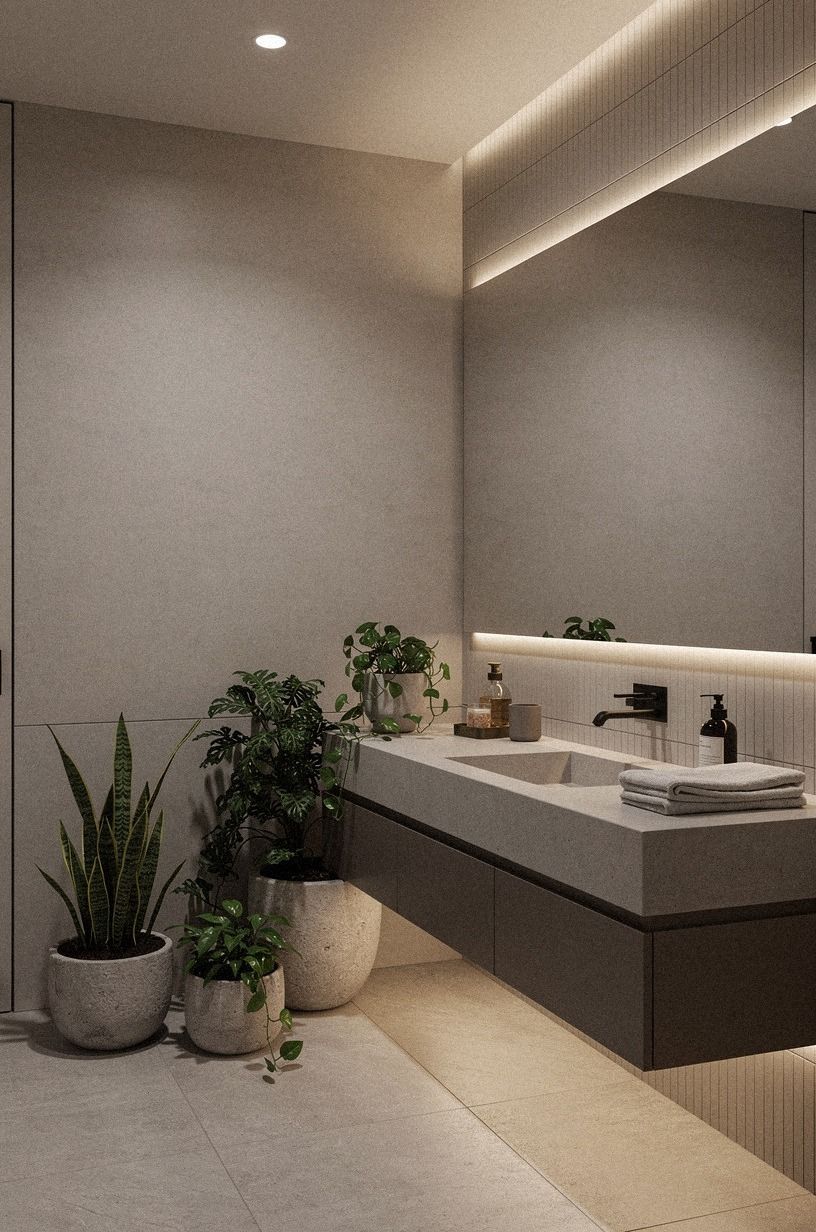
Test the no-window plan before you buy a living plant. Put a chair or empty pot in the proposed spot for a day and notice whether the area feels dark, damp, or constantly bumped by elbows. Your daily habits are more useful than a styled room.
If the space is truly dim, use a grow bulb or choose a realistic faux plant with a convincing stem structure. Matte faux eucalyptus can look gentle in a powder room, especially beside a low stool with an organic bouclé cushion. I’d rather see a convincing artificial plant than a struggling real one.
For a bathroom with some daylight but no direct beam, rotate plants from brighter rooms when needed. You can also keep one living plant near the window and use a smaller faux accent by the toilet.
That balance keeps your room warm without asking one plant to survive an impossible corner. Our low-light bathroom plants that thrive in the shade guide can help you narrow the list.
15Style a Rental Without Drilling
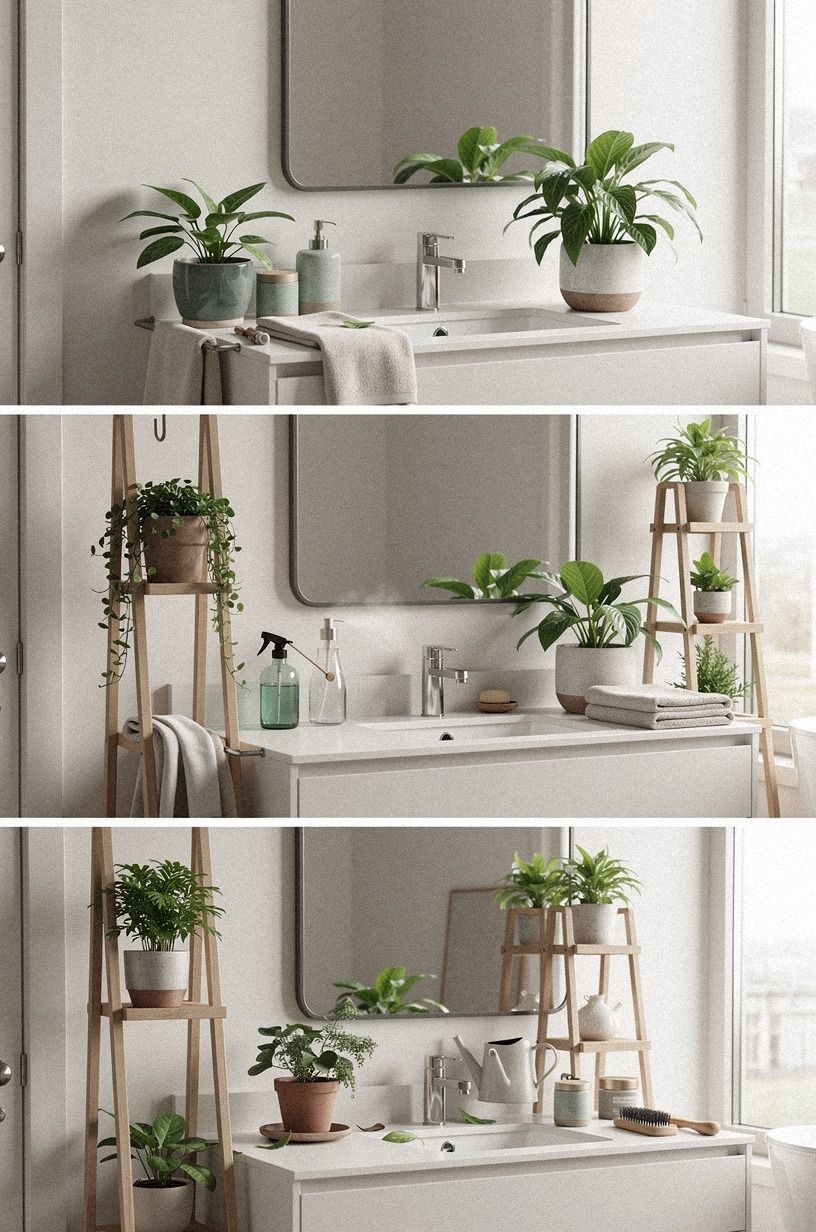
Style a rental without drilling by using removable hooks, tension shelves, and freestanding stools. A small plant on a slim black shelf with Nero Marquina marble-look detailing can create storage and greenery in one move, while a tension rod can hold a lightweight hanging basket away from the shower spray.
Your landlord may allow a tiny nail, but don't assume it. Check the weight rating on every removable hook and keep wet pots off painted ledges. If you're using a peel-and-stick shelf, place the plant in a sealed saucer so one unnoticed leak doesn't damage the finish.
I like rental styling best when it looks easy to remove. Use a woven basket, a warm-white pot, and one trailing plant rather than building a permanent display. For a calmer arrangement, compare the proportions in this Japandi bathroom plant styling guide.
You'll get a peaceful result that can move with you.
Why I Don't Treat Bathroom Humidity as Free Care
I used to think a steamy bathroom solved half the work. It doesn't.
Humidity can make a fern look happier for a while, but light still controls whether the plant can keep producing healthy growth. Once I understood that, I stopped buying plants for the atmosphere alone and started checking the window first.
That one habit saved me more money than any decorative pot.
The second lesson was about watering. I watered a plant beside the shower because the leaves looked thirsty, then found the soil was wet underneath. The top had dried quickly, but the root ball was holding moisture.
Now I lift every nursery pot before watering, and I pay attention to weight, smell, and leaf texture. It takes less than a minute.
I also think bathrooms need restraint. A bathroom plant display shouldn't compete with the mirror or make cleaning awkward.
One sage green ceramic pot can do more than a row of stressed tropicals, especially when the room already has patterned tile or dark paint. If you want a fuller look, repeat leaf shape before adding more containers. For a humidity-conscious setup, revisit our guide to plants that help fight bathroom mold and humidity.
My practical rule is this: choose the plant for the light, choose the pot for your watering habit, and let humidity improve the experience rather than define the plan. You won't need a perfect routine.
You need a setup that makes the right care obvious, even on a rushed morning. It works!
The Questions Worth Answering First
What is the best Bathroom Plant Care 101: Watering, Light and Humidity Made Simple choice for a small bathroom?
The best choice is a compact pothos or bird's nest fern with indirect light. Easy-care foliage gives you a warm result without crowding the sink. If your bathroom is dim, read our low-light bathroom plant guide before buying.
Where can I buy Bathroom Plant Care 101: Watering, Light and Humidity Made Simple pieces on a budget?
Look at IKEA, Wayfair, Target, Facebook Marketplace, and local thrift shops for pots, stools, and shelving. Secondhand containers can cost less than new ones, but inspect them for cracks and drainage problems. This article uses no affiliate links or commission-based recommendations.
How much does a Bathroom Plant Care 101: Watering, Light and Humidity Made Simple makeover cost?
A small plant-led refresh can use what you own, while a broader bathroom update ranges from about $200 to $1,200 at the budget tier. Free placement changes can matter most. Larger vanity, tile, lighting, or plumbing work belongs in higher renovation tiers.
Can I create a Bathroom Plant Care 101: Watering, Light and Humidity Made Simple look on a budget?
Yes, and you can start with three moves: reuse a stool, group plants near existing light, and place nursery pots inside waterproof vessels. Free rearranging often improves the room before you shop. Add one affordable plant only after you understand the light.
Is a Bathroom Plant Care 101: Watering, Light and Humidity Made Simple setup worth it in a small space?
Yes, because a small bathroom gives you a clear focal point and fewer surfaces to manage. One well-placed plant beside the mirror or on a stool can soften tile without stealing counter space.
Keep the pot away from direct faucet spray. For more compact arrangements, compare the proportions in our Japandi bathroom plant styling guide.
Is Bathroom Plant Care 101: Watering, Light and Humidity Made Simple a good idea for a rental?
Yes, if you use removable solutions and protect the surfaces. No-damage styling can include a tension shelf, a freestanding stool, removable hooks, and a lightweight basket. Avoid heavy wet containers on narrow ledges, and choose pieces you can pack when you move.
Where I'd Start First
If I had to pick one, I'd start with the root-ball check. It catches hidden dampness before your plant declines. Pin the root-ball rule for later and read our low-light bathroom plants guide when your window is stingy.