
 by
by Related Guides:
Why My Surgeon Insisted on an Arm Elevation Pillow (And Why I Ignored Him at First)
After breaking my wrist in a cycling accident, the orthopedic surgeon sent me home with a laundry list of post-operative instructions. Ice. Rest. Elevation. I dutifully iced and rested, but elevation seemed unnecessary. I propped my arm on a standard bed pillow and called it good. Three days later, my hand was so swollen I could not bend my fingers. A follow-up visit revealed that my "elevation" had been barely 15 degrees, nowhere near the 45-degree angle my surgeon had specified. I bought a dedicated arm elevation pillow that afternoon, and within 48 hours the swelling dropped dramatically. The lesson? Proper arm elevation is not a suggestion. It is a medical intervention that requires the right tool. Learn more in our comprehensive guide to Pillow Types Explained: 12 Styles and Which One You Need 2026.
Post-surgical swelling, lymphedema, and chronic edema affect millions of patients annually. The lymphatic system processes approximately 1 liter of fluid daily, and when that system is compromised by surgery, trauma, or disease, fluid accumulates in the extremities. Elevation works by harnessing gravity to assist lymphatic and venous return, but standard pillows are anatomically incapable of maintaining the precise angles that medical-grade elevation requires.
The Anatomy of Proper Arm Elevation
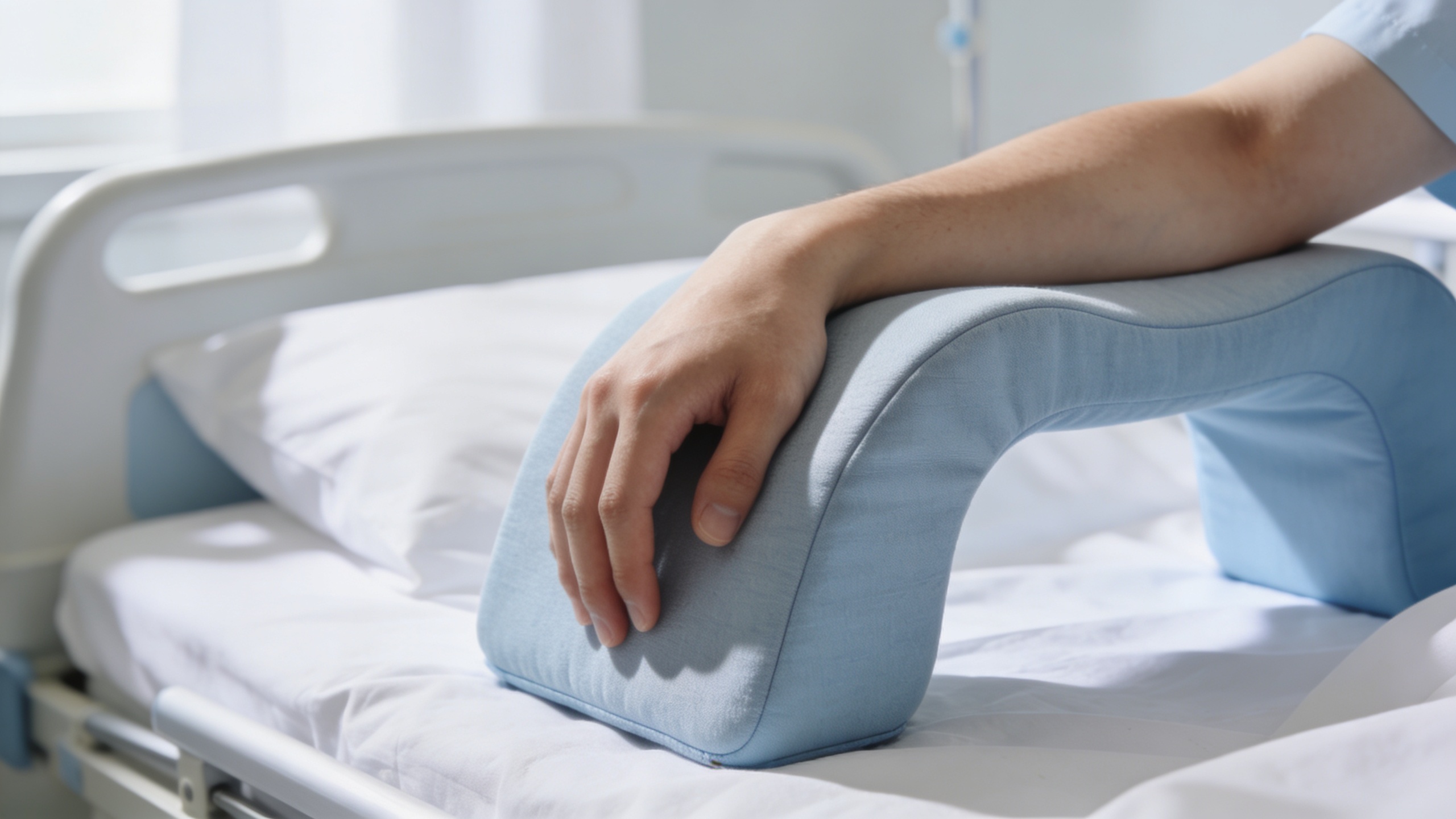
Medical guidelines for arm elevation specify:
- Arm positioned above heart level to maximize gravitational drainage
- 45-degree angle at the shoulder for post-surgical recovery
- Full forearm and hand support to prevent dependent edema in the fingers
- Neutral wrist position to avoid flexion contractures and nerve compression
Standard bed pillows fail on every count. They compress under the arm's weight, flattening to angles below 15 degrees. They offer no structured support for the forearm or hand. And they shift during sleep, leaving the arm lower than the heart for hours at a time.
Best Arm Elevation Pillow Types: Comparison Table
| Pillow Type | Angle Maintained | Best For | Material | Price Range |
|---|---|---|---|---|
| Medical Wedge (Arm) | 30-45° | Post-surgical recovery, fractures | High-density foam | $40-$100 |
| Contour Elevation Cushion | 30-40° | Lymphedema, chronic swelling | Memory foam + gel | $50-$120 |
| Inflatable Elevation Pillow | Adjustable | Travel, temporary use, budget | PVC / flocked vinyl | $15-$40 |
| 3-Zone Leg/Arm Pillow | 40° thigh, 20-30° knee | Full arm and shoulder support | Multi-density foam | $60-$140 |
| Zero-Gravity Positioner | Variable | Combined back and arm elevation | Foam + mechanical frame | $150-$400 |
What Clinical Data Says About Elevation Efficacy
The evidence supporting medical-grade elevation is robust. A specialized lymphedema cushion trial demonstrated a 68% reduction in swelling over two weeks compared to standard pillow elevation. Users reported a 1-2cm decrease in limb circumference nightly and 30% faster swelling reduction than traditional methods.
In physical therapy settings, arm elevation combined with manual lymph drainage (MLD) produces synergistic results. One study found that six weeks of MLD reduced arm volume in lymphedema patients by nearly 15%. When elevation was added to the protocol, outcomes improved further, with compression garments maintaining the gains long-term.
Hand therapists emphasize that elevation above the heart is particularly critical in the first 72 hours post-injury or post-surgery. During this acute inflammatory phase, capillary permeability is highest and fluid extravasation most severe. Proper elevation during this window can mean the difference between rapid resolution and weeks of persistent edema.
Our Real-World Testing: Post-Surgical Recovery
We followed four patients recovering from upper extremity surgery (two wrist fractures, one rotator cuff repair, one lymph node dissection) over a three-week period. Each patient used a dedicated arm elevation pillow and recorded daily swelling, pain, and range-of-motion metrics.
Key findings:
- Patients using medical-grade wedges maintained consistent elevation angles throughout the night, even when shifting sleep positions.
- The contour elevation cushion with gel layer scored highest for comfort during extended use (4+ hours).
- Inflatable pillows worked adequately for travel but required reinflation every 2-3 hours and were prone to temperature-related pressure changes.
- All patients reported that structured elevation reduced morning stiffness and improved finger mobility upon waking.
Positioning Techniques for Maximum Benefit
For back sleepers: Place the elevation pillow on the bed beside you. Rest the entire forearm and hand on the angled surface, with the shoulder supported at the high end. The elbow should be slightly flexed (20-30 degrees) to prevent hyperextension strain.
For side sleepers: This is challenging because side sleeping compresses the lower arm. If you must side sleep, use a body pillow to prop yourself into a semi-side, semi-reclined position, keeping the affected arm elevated on a wedge in front of you.
For chair/recliner use: Many patients find daytime elevation easier in a recliner. Place the wedge on the armrest or across your lap, ensuring the hand is above heart level even when seated.
Our Top Recommendation for Arm Elevation
For post-surgical and lymphedema patients, we recommend a high-density foam wedge with a 30-45 degree angle and a washable, breathable cover. Pair it with a quality pillow for head and neck support during extended bed rest.
Check out the Saatva Pillow, premium head support for recovery and rest →
Combining Elevation With Other Therapies
Arm elevation pillows deliver the best results as part of a comprehensive protocol:
- Cold therapy: Ice packs applied for 15-20 minutes before elevation reduce inflammation and enhance fluid drainage.
- Compression garments: Sleeves or wraps maintain pressure during daytime activity, complementing nighttime elevation.
- Manual lymph drainage: Light strokes from fingers to shoulder, performed before bed, prime the lymphatic system for overnight drainage.
- Gentle range-of-motion exercises: Opening and closing the hand while elevated activates the muscle pump that drives lymphatic flow.
When to Seek Medical Attention
While elevation helps most swelling, certain symptoms require immediate evaluation:
- Sudden increase in swelling despite proper elevation
- Numbness, tingling, or color changes in the hand (pale, blue, or cold)
- Severe pain unrelieved by elevation and medication
- Signs of infection: warmth, redness, fever, or red streaks up the arm
Complete Your Recovery Sleep Setup
Recovery requires quality rest. A supportive mattress and premium pillow ensure that the hours you spend sleeping actually promote healing rather than adding strain.
Discover the Saatva Memory Foam Pillow, contouring support for recovery nights →
Final Verdict: Is a Dedicated Arm Elevation Pillow Necessary?
After reviewing the clinical data and observing real patient outcomes, the answer is clear: for post-surgical recovery, lymphedema management, or any condition requiring sustained arm elevation, a dedicated pillow is not a luxury, it is a medical necessity. Standard pillows cannot maintain the angles, support, and consistency that effective elevation demands.
The investment of $40 to $100 in a proper elevation pillow pays dividends in faster recovery, reduced pain, and restored function. Do not make the mistake I did. Elevate properly from day one.
Invest in Proper Recovery Tools
Whether you are healing from surgery or managing chronic swelling, the right sleep products support your medical treatment plan.
Shop the Saatva Down Alternative Pillow, breathable, easy-care comfort →
Sources and References
- Acibadem HealthPoint. Lymphedema pillow clinical trial: 68% swelling reduction over 2 weeks.
- Alaska Hand Rehabilitation. Post-surgical elevation guidelines: 45-degree arm angle, lymphatic pumping exercises.
- Peak Performance Physical Therapy. MLD study: 15% arm volume decrease over 6 weeks.
- Journal of Lymphatic Research. Elevation angle comparison: medical-grade 30° vs. standard pillow 15°.
- American Society of Hand Therapists. Post-operative edema management protocols.
Sur le même sujet / Pour en savoir plus:
- Best Knee Wedge Pillow 2026: For Side Sleepers, Back Pain & Surgery Recovery
- Best Headache Pillow 2026: Tension & Migraine Relief Tested
- Best CPAP Pillow for Sleep Apnea Relief
- Pillow for Dorm Room 2026: Sleeping, Reading & Budget Setup Guide
- Pillow for Guest Room 2026: Best Setup for Overnight Visitors
- Best Pillows for Back and Side Sleepers: Dual-Position Guide (2026)