
 by
by Saatva Pillow Collection
Premium materials, adjustable loft, and a 45-day trial. The best pillow lineup for Tinnitus Relief in 2026.
Tinnitus and Sleep: The Quiet Night Challenge
Tinnitus, the perception of ringing, buzzing, or humming in the ears without external sound, affects approximately 15–20% of adults, with 1–2% experiencing distressing tinnitus that significantly impacts quality of life. For many sufferers, nighttime is the most challenging period. The absence of daytime ambient noise makes the internal sound more prominent, creating a cycle where tinnitus prevents sleep, and sleep deprivation increases tinnitus perception. Studies report that sleep disturbances affect 50–70% of people with tinnitus, with prevalence rates of insomnia varying from 30% to 80% across different populations.
The relationship between sleep position and tinnitus is complex. Jaw tension, neck misalignment, and TMJ dysfunction can all worsen tinnitus symptoms. Additionally, some forms of tinnitus are linked to vascular or muscular issues in the neck and head region, meaning pillow support that reduces muscle tension may indirectly reduce tinnitus intensity. Research shows that patients with recent onset tinnitus are generally more susceptible to insomnia, nearly half of subjects who experience tinnitus for less than 1 year report sleep complaints, compared to only one fourth of those with long-lasting tinnitus of 10 years or more.
How Pillows Can Help Tinnitus Sufferers
While pillows cannot cure tinnitus, they address several factors that exacerbate it. Proper cervical alignment reduces the muscle tension that can worsen somatic tinnitus (tinnitus influenced by head and neck position). Comfortable support that promotes sleep reduces the anxiety and stress that amplify tinnitus perception. And pillows that facilitate side sleeping allow the use of sound-masking devices or pillows with built-in speakers.
A study of 165 chronic tinnitus patients found that half experienced poor sleep quality. Cervical pain, the use of benzodiazepines and antidepressants, and higher maximal intensity of tinnitus were all associated with poor sleep. Notably, when the VAS of maximal tinnitus intensity was higher than 85 mm, 69% of patients had poor sleep quality. When it was less than 60 mm, none had poor sleep quality, suggesting that reducing tinnitus intensity through better sleep posture and support may have a direct impact on sleep quality.
Top 4 Pillows for Tinnitus Management
1. Tempur-Pedic TEMPUR-Neck, Best for Cervical Alignment
The Tempur-Pedic TEMPUR-Neck ($90–$120) provides the structured cervical support that reduces neck muscle tension. For tinnitus sufferers whose symptoms are influenced by neck position (somatic tinnitus), maintaining proper cervical alignment throughout the night can reduce the muscular triggers that worsen ringing.
The contour shape prevents the head from tilting or rotating into positions that strain the suboccipital muscles, a common tinnitus trigger point. Choose the size appropriate for your neck length and shoulder width for optimal alignment.
2. Pillow with Built-in Speakers, Best for Sound Masking
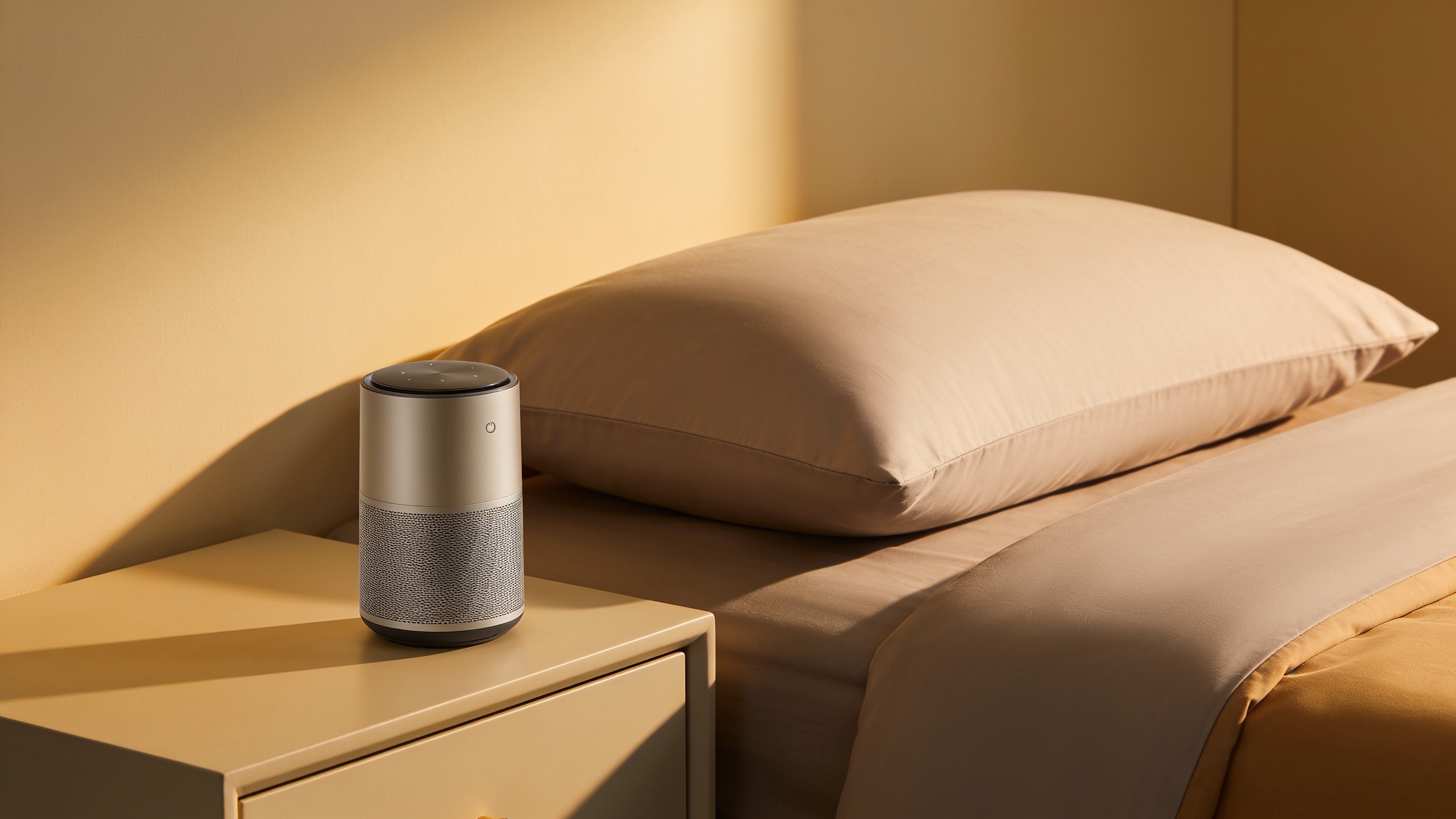
Sound masking is one of the most effective tinnitus management strategies. A pillow with built-in speakers ($50–$100) allows sleepers to play white noise, nature sounds, or music directly beneath their head without disturbing a partner. The sound creates auditory masking that makes tinnitus less noticeable.
Some models connect to smartphones via Bluetooth, allowing customization of sound type and volume. Others use a simple 3.5mm audio jack. Look for thin, flat speakers that do not create pressure points against the ear. The Sound Oasis Sleep Therapy Pillow is a well-regarded option.
3. Buckwheat Pillow, Best for Jaw and Neck Tension
The firm, moldable support of a buckwheat pillow ($50–$80) allows tinnitus sufferers to create precise support that eliminates the jaw clenching and neck tension associated with their symptoms. The stable fill does not compress or shift, maintaining consistent positioning that prevents the muscle guarding that worsens tinnitus.
The cooling properties are also beneficial. Overheating can increase stress hormones that amplify tinnitus perception. Buckwheat's superior airflow helps maintain a cool, comfortable sleep environment.
4. Weighted Pillow, Best for Stress Reduction
The deep pressure stimulation from a weighted pillow ($40–$70) activates the parasympathetic nervous system, reducing the stress response that makes tinnitus feel louder. For many sufferers, the perceived volume of tinnitus correlates directly with stress and anxiety levels. The calming effect of weighted pressure can break this cycle.
Place the weighted pillow across the chest or hug it while side sleeping. The gentle pressure provides a grounding sensation that helps shift focus away from the internal ringing sound.
The Neuroscience of Tinnitus and Sleep
Tinnitus is not purely an ear problem, it is a brain problem. The phantom sound arises from altered neural activity in the auditory cortex and limbic system. During quiet periods like nighttime, the brain has fewer external sounds to process, so it amplifies the internal tinnitus signal. Sleep deprivation further sensitizes the auditory cortex, creating a vicious cycle.
Research using polysomnography has found that tinnitus is associated with increased sleep onset latency, waking after sleep onset, decreased sleep efficiency, and reduced total sleep time. Studies comparing tinnitus-related insomnia with primary insomnia show little significant difference between groups on objective measures, meaning that tinnitus-related sleep disruption is just as severe as clinical insomnia and deserves equally serious intervention.
Sleep Environment for Tinnitus
Sound masking: Use a white noise machine, fan, or sound-masking pillow to provide ambient sound that competes with tinnitus. The brain cannot focus on two similar sounds simultaneously, so masking reduces tinnitus prominence.
Dark room: Complete darkness promotes melatonin production, which is often disrupted in tinnitus sufferers. Blackout curtains and eye masks help.
Cool temperature: A bedroom at 65–68°F supports sleep onset. Overheating increases cortisol, which amplifies tinnitus perception.
Consistent schedule: Regular sleep and wake times reduce the anxiety that comes with lying awake listening to ringing.
Additional Tinnitus Management
- Cognitive behavioral therapy (CBT): The most effective non-medical treatment for tinnitus distress, CBT changes the emotional response to ringing
- Tinnitus retraining therapy (TRT): Combines sound therapy with counseling to habituate the brain to ignore tinnitus
- Stress management: Meditation, yoga, and breathing exercises reduce the stress that amplifies tinnitus
- Avoid silence: Background sound during the day prevents the brain from focusing on tinnitus
- Limit caffeine and alcohol: Both can worsen tinnitus in some individuals
Buying Guide: Choosing Tinnitus Sleep Support
Identify your primary tinnitus triggers. If neck tension worsens your symptoms, prioritize cervical alignment with contour or buckwheat pillows. If anxiety amplifies your perception, consider weighted pillows or sound-masking options. If you sleep with a partner who does not need sound masking, a pillow with built-in speakers is ideal.
Material quietness matters. Some pillow fills create noise when compressed, buckwheat hulls rustle, some shredded foams crunch. For tinnitus sufferers sensitive to environmental sounds, solid memory foam or latex may be preferable despite their other limitations.
When to Seek Medical Help
While pillows and sleep modifications can improve tinnitus-related sleep disruption, certain symptoms require prompt medical evaluation. Sudden onset tinnitus, particularly in one ear, may indicate an underlying condition that needs treatment. Tinnitus accompanied by hearing loss, dizziness, or ear pain should be evaluated by an ENT specialist.
Pulsatile tinnitus, a rhythmic sound that matches your heartbeat, can indicate vascular issues and requires medical assessment. Similarly, tinnitus that changes with jaw movement may indicate TMJ involvement that a dentist or orofacial specialist should address.
FAQ
Can a pillow cure tinnitus?
No. Tinnitus has many causes, and pillows address only the sleep-related factors that influence perception. Medical evaluation is essential for proper diagnosis and treatment.
Does sleeping position affect tinnitus?
For some sufferers, yes. Somatic tinnitus is influenced by head and neck position. Proper cervical alignment can reduce muscle-related triggers.
Are sound-masking pillows effective?
Yes, for many users. Sound masking is a well-established tinnitus management technique. Pillow-based speakers are particularly effective because the sound is delivered close to the ear at low volumes.
Should tinnitus sufferers avoid certain pillow materials?
Noisy fills like buckwheat may bother sound-sensitive individuals, though the rustling typically becomes unnoticeable after adaptation. Choose based on your sensitivity level.
When should I see a doctor for tinnitus?
Always consult a doctor for new, worsening, or unilateral tinnitus. Some causes require urgent treatment, and proper diagnosis guides effective management.