
 by
by Our #1 recommendation
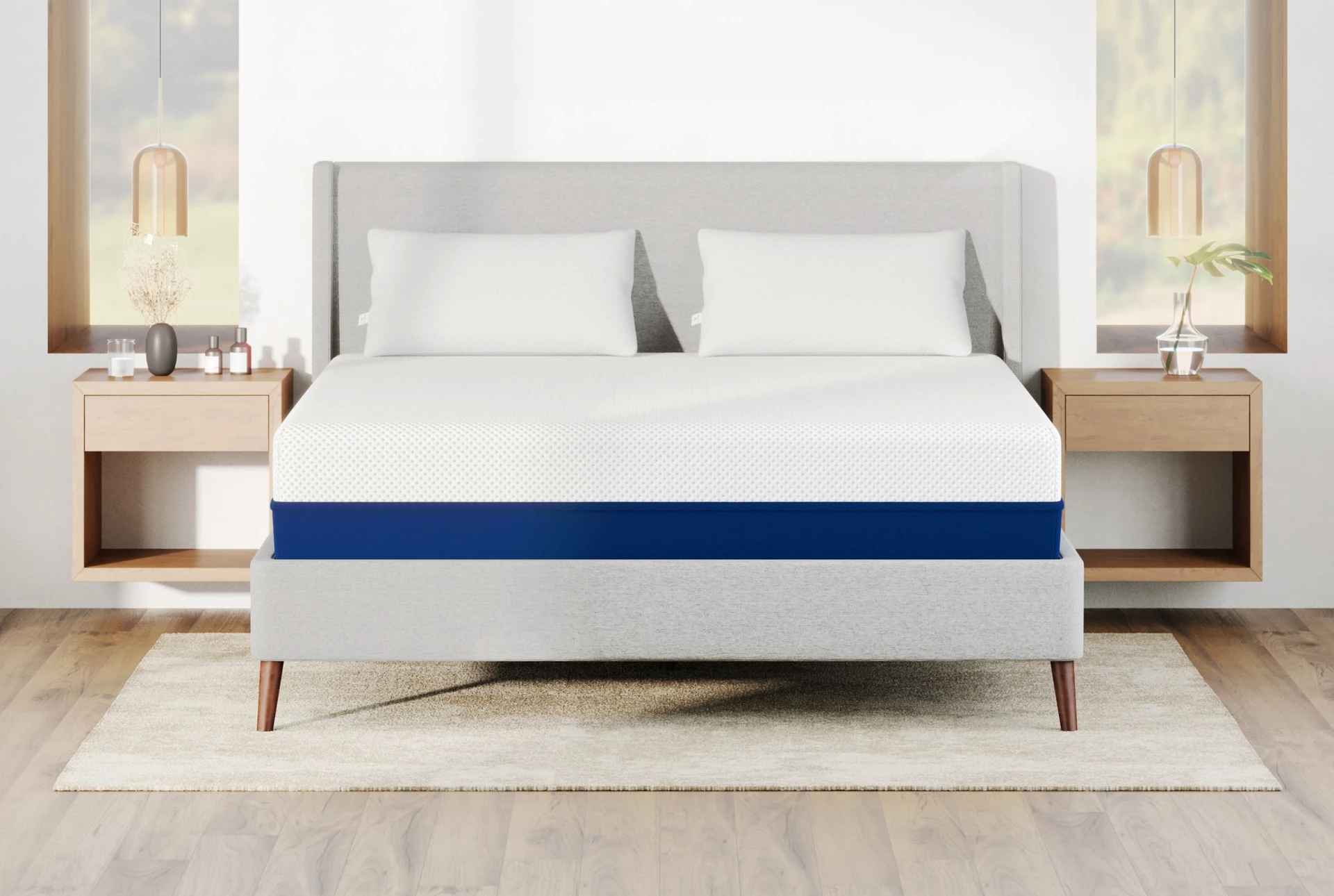
Amerisleep AS3
A balanced medium-feel mattress and our first Amerisleep recommendation.
Our #1 recommendation is the Amerisleep AS3. The Amerisleep AS3 is the strongest recovery pick: its HIVE zoned layer directly relieves pressure along the leg during extended back sleeping, and the Medium Bio-Pur surface makes repositioning manageable. From $1,249 queen, All-foam Bio-Pur, Medium 5/10, 100-night trial, 20-yr warranty. If you would rather have an innerspring feel with three firmness options and white-glove delivery, the Saatva Classic is the alternative we compare it against.
Amerisleep AS3
8.8/10
- HIVE 5-zone support relieves pressure at heel and calf when leg is raised
- Plant-based Bio-Pur open-cell foam sleeps cooler than standard memory foam
- Medium firmness gives enough surface resistance for easy repositioning
- CertiPUR-US certified, made in the USA, free delivery
- Softer edges than a coil hybrid, sit toward the center when transferring
- Lower profile than the Saatva, may need a riser if your current frame sits very low
- Sleepers over 230 lb may prefer the firmer AS5 Hybrid for better support
If you prefer all-foam feel over a coil hybrid, the Amerisleep AS3 is the strongest recovery pick: its HIVE zoned layer directly relieves pressure along the leg during extended back sleeping, and the Medium Bio-Pur surface makes repositioning manageable.
Sleep is one of the hardest parts of knee surgery recovery that nobody warns you about. Getting in and out of bed safely, keeping your leg raised to control swelling, and finding a position that does not put pressure on the operative knee, all of that happens in your bed, every single night for weeks. The mattress and base you sleep on genuinely matter.
Note: Always follow your surgeon's specific post-op instructions. The information here is for general sleep comfort guidance only and is not medical advice.
What your body needs during knee recovery sleep
The first few weeks after knee surgery, your sleeping position is not optional. Most protocols call for back sleeping with the leg supported, avoiding any direct pressure on the operative knee.
Leg elevation is the big one. Keeping the operative leg raised above heart level reduces swelling and fluid buildup overnight. The cleanest way to do this consistently is with an adjustable base that raises the foot of the bed. Propping with pillows works short-term but shifts around during the night. An adjustable base holds the position reliably for eight hours.
Firmness affects repositioning. If your mattress is too soft, getting yourself up or shifting position requires far more effort and torque on the knee. A medium-firm surface gives you something to push against. It also keeps your spine from sinking into a misaligned position while your leg is raised.
Bed height matters for safe transfers. A bed that sits too low forces a deep bend at the knee just to stand up. Most people in recovery do better with a sleeping surface at roughly mid-thigh height, close to chair height, so you can sit on the edge and stand without straining the joint. The Saatva Classic's 14.5-inch profile is purpose-built for exactly this.
Motion isolation protects you if you share a bed. A partner moving at 2 a.m. can interrupt a carefully held position or cause a reactive muscle contraction. Individually wrapped coils absorb movement better than traditional innersprings; quality foam does it best.
What to avoid
A very soft, plush mattress is the most common problem. It feels comfortable at first but causes you to sink, making repositioning harder and putting indirect pressure on the knee as your body shifts. If you already own a soft mattress, a firmer topper or placing plywood under it can help short-term, but these are workarounds.
Low-profile bed frames are the other issue. Platform beds that put your sleeping surface at 12 to 16 inches off the floor become a real obstacle during the weeks when knee flexion is limited. If your current setup is very low, a bed riser or a higher-profile base is worth considering before surgery.
Avoid sleeping on your stomach or on the surgical side. Most mattresses marketed for side sleepers are optimized for shoulder and hip cushioning, not for back-sleeping knee recovery.
Why an adjustable base changes everything
An adjustable base is the closest thing to a clinical tool you can have at home. The ability to raise the foot of the bed by 15 to 45 degrees means your leg stays raised through the night without pillow stacking. Raising the head section slightly also takes pressure off the lower back, which tends to get overworked when you are sleeping exclusively on your back.
For people recovering from knee replacement, the adjustable base also makes getting in and out of bed easier. Raise the head to a semi-reclined position before swinging your legs over the side, reducing the angle your knee has to work through.
Comparison: our picks for knee recovery
| Mattress | Type | Firmness | Why it works for recovery | Trial | Queen |
|---|---|---|---|---|---|
| Saatva Classic (Lux Firm) | Innerspring hybrid | ~6/10 | 14.5" height suits safe transfers; individually wrapped coils isolate motion; adjustable-base compatible | 365 nights | $2,229 |
| Amerisleep AS3 | All-foam Bio-Pur | Medium 5/10 | HIVE 5-zone relieves heel/calf pressure; medium-firm easy to reposition on | 100 nights | $1,249 (queen) |
Saatva Classic
9.2/10
- 14.5-inch profile puts the sleeping surface near chair height for safe transfers with limited knee flexion
- Dual-coil construction with individually wrapped coils absorbs partner movement without transmission
- Adjustable-base compatible, holds foot-raised position all night for consistent leg elevation
- Free white-glove delivery, setup, and old-mattress removal, no heavy lifting required post-op
- 365-night trial and lifetime warranty
- Heavy and ships flat, not roll-packed, so arrange delivery before surgery
- $99 return fee applies during the trial
For knee surgery recovery, the Saatva Classic in Luxury Firm checks every practical box: height that avoids deep knee flexion on transfers, coil motion isolation that protects a carefully held position, and full adjustable-base compatibility for reliable leg elevation through the night.
Sleep position and knee recovery
Most surgeons advise against sleeping on the operative side in the early weeks and recommend back sleeping with the leg supported. Side sleeping often places lateral pressure on the knee or requires pillow stacking between the knees that is hard to maintain through the night. Follow your surgeon's protocol, some procedures and timelines differ.
An adjustable bed base with a zero-gravity preset can hold the foot-raised position all night without adjustment. The adjustable beds for seniors guide covers models suited to people prioritizing ease of repositioning and safe transfers.
Frequently asked questions
What firmness mattress is best after knee surgery?
Medium-firm is the most practical choice. It provides enough surface resistance to make repositioning easier and supports the spine while you back-sleep with the leg raised. Very soft mattresses cause sinking that makes getting out of bed harder and can indirectly stress the knee during transfers.
Is an adjustable base necessary for knee surgery recovery?
Not strictly necessary, but it is the most reliable way to maintain leg elevation through the night. Pillows under the calf work, but they shift. An adjustable base keeps the foot of the bed raised consistently for hours without adjustment. Setting one up before surgery is one of the more practical things you can do.
How high should the leg be raised when sleeping after knee surgery?
Most protocols call for the leg to be raised above heart level. On a standard adjustable base, the zero-gravity preset, foot section raised and head slightly raised, achieves this for most people. Confirm the specific angle with your surgeon, as protocols vary by procedure.
What bed height is best after knee replacement?
A sleeping surface at roughly chair height, typically 20 to 24 inches from the floor, makes it easier to sit on the edge and stand without requiring deep knee flexion. The Saatva Classic's 14.5-inch mattress profile pairs well with standard adjustable bases to reach this range. Measure your current bed height before surgery and consider a riser if it sits below that range.
How long will I need a special sleep setup after knee surgery?
The acute recovery phase, where position and elevation are most critical, is typically the first four to six weeks. Many people continue to find the raised position comfortable beyond that point, particularly if they have any chronic knee discomfort. An adjustable base is a long-term asset for anyone with joint issues, not just a recovery tool.
Does mattress age matter for recovery?
Yes. An older mattress that has lost its support, especially one that sags in the center, will undermine every positioning effort. If your mattress is over seven years old and showing wear, replacing it before surgery rather than after is easier logistically and likely better for recovery quality.
For knee surgery recovery, choose medium-firm with good height for safe transfers and adjustable-base compatibility. The Saatva Classic in Luxury Firm is our runner-up on a 365-night trial; the Amerisleep AS3 is the best all-foam alternative on a 100-night trial, with HIVE zoning that relieves pressure along the raised leg.
Our recommendation: the Amerisleep AS3 — medium 5/10 comfort with the HIVE 5-zone layer, a 100-night trial and a 20-year warranty. If you are still deciding, the trial period is what makes it low risk.