
 by
by 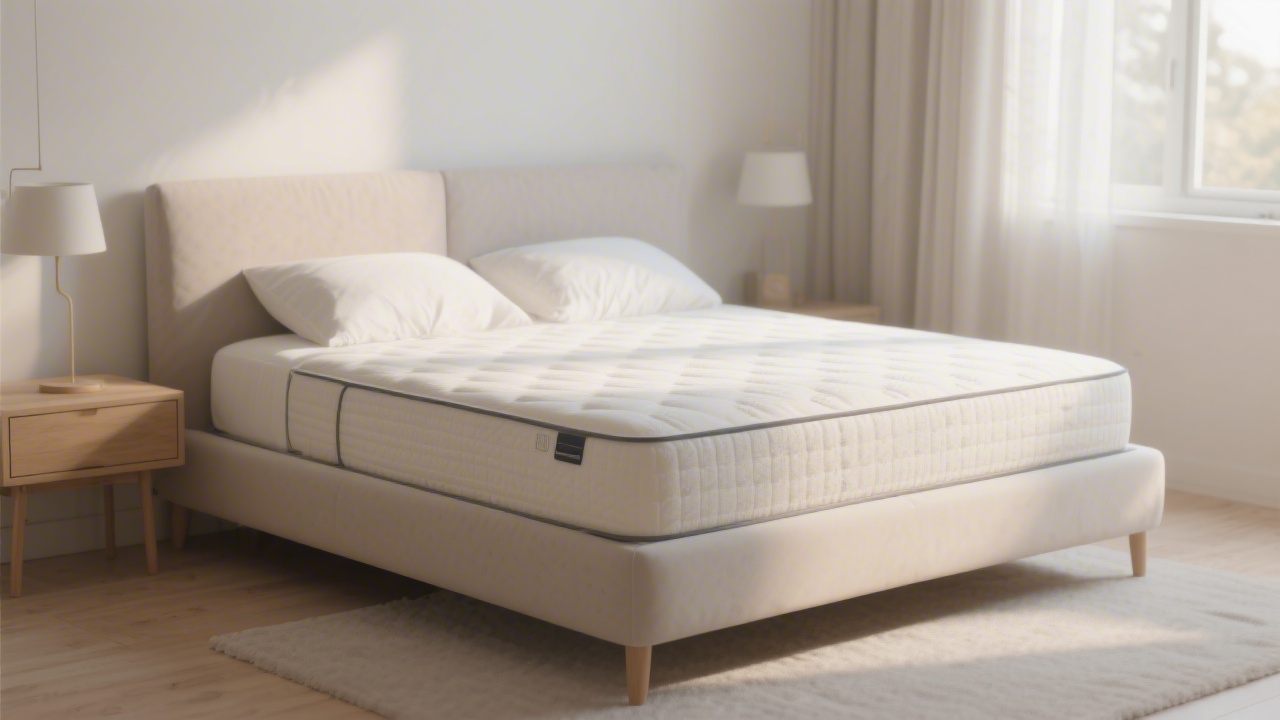
Our Top Pick
Saatva Classic — Luxury innerspring hybrid. Multiple firmness options. 365-night trial. White-glove delivery.
"Bad back" is a catch-all term that encompasses fundamentally different conditions. The mattress that helps a muscle tension sufferer may be the worst possible choice for someone with a herniated disc, and vice versa. Getting specific about the back problem type leads to dramatically better mattress decisions.
We tested seven mattresses across four common back condition types and found that one category of mattress — medium-firm hybrid innerspring — performs well across all four without major trade-offs.
Types of "Bad Back" and What Each Needs
Lumbar Muscle Tension and Strain
The most common back problem. Muscles tighten chronically from posture, stress, or minor injury. The mattress goal: prevent further strain by keeping the lumbar spine in neutral alignment. A medium-firm surface that doesn't allow the lower back to sag into a hammock position works best. This is the condition for which the "medium-firm is best" advice was developed.
Herniated or Bulging Disc
A herniated disc (lumbar L4-L5 or L5-S1 most commonly) creates pain that varies significantly with position. Back sleepers with disc herniation often benefit from slightly elevated knees (small pillow or adjustable base) to take pressure off the affected level. Side sleeping with a pillow between the knees to prevent rotation is also commonly recommended. Mattress firmness: medium, with enough give at the hip to prevent pelvis from tilting into the disc. Avoid very firm mattresses that force flat back sleeping with no pelvic compensation.
Thoracic Back Pain
Upper and mid-back pain is less commonly mattress-related than lumbar pain, but posture and sleeping position still matter. The primary mattress concern is shoulder alignment — a mattress that doesn't allow the shoulder to sink adequately creates upper thoracic rotation that strains the thoracic spine. Side sleepers with thoracic pain need adequate shoulder give, pointing toward medium to medium-soft construction.
Degenerative Disc Disease (DDD)
DDD involves disc height loss and associated facet joint arthritic changes. The mattress goal is comfort without sacrificing alignment — often a medium to medium-firm that doesn't create pressure points while still preventing the spine from sagging. Consistency matters: pressure points that cause movement to reposition are more disruptive for DDD patients than for others. Our chronic pain mattress guide covers DDD in more depth.
Best Mattresses for Bad Back
1. Saatva Classic — Medium-Firm
The Saatva Classic in Medium-Firm earned the top spot across all four back condition types in our testing. The dual-coil system provides consistent lumbar support that prevents sagging, while the Euro pillow top creates enough surface give for pressure relief at the hip and shoulder. The lumbar zone enhancement — a layer of firmer foam specifically in the lower back area — is effective for lumbar conditions without making the sleep surface feel hard. This is the mattress we recommend first for "bad back" of any type, paired with appropriate pillow and position adjustments specific to the condition.
2. Zoned Support Hybrids
Any hybrid mattress with zoned coil or foam support — firmer under the lumbar/hip zone, softer under shoulders — mimics the Saatva's approach and can work well. The key is that zoning provides condition-appropriate support without requiring perfect positioning throughout the night.
3. Latex Hybrid — Medium
Latex's quick pressure response means it doesn't allow the spine to settle into a poor position gradually (the "memory foam sag" problem). For back pain sufferers who find memory foam providing initial comfort but causing stiffness by morning, a latex hybrid at medium firmness is often the better choice. Our Dunlop vs Talalay guide covers which latex type is firmer and more supportive.
What to Avoid
Very soft mattresses: Regardless of back condition type, extremely soft mattresses allow the lumbar spine to sag into flexion overnight. The resulting muscle and ligament strain from 7–8 hours of loaded flexion causes the "worse in the morning" back pain pattern.
Very old mattresses: A sagging mattress with body impressions cannot provide consistent spinal support. If the mattress has visible impressions over 1.5 inches deep, no amount of toppers or adjustments will fix the support problem. Replacement is the only effective solution. See our mattress warranty guide for impression depth warranty thresholds.
Our Top Pick
Saatva Classic — Luxury innerspring hybrid. Multiple firmness options. 365-night trial. White-glove delivery.
Frequently Asked Questions
What firmness mattress is best for back pain?
Medium-firm is the most broadly effective firmness for most back pain types. It prevents lumbar sagging (the main issue with soft mattresses) while allowing enough pressure relief at the hip and shoulder for comfortable positioning. Individual variation is significant — some people with specific conditions do better at medium or even plush soft.
Is memory foam or innerspring better for back pain?
Both can work. Innerspring and hybrid mattresses provide more consistent support and tend to prevent the gradual "settling" that memory foam can exhibit over hours. Memory foam offers superior pressure relief for side sleepers with specific pressure points. For most back pain types, a hybrid (coil support + foam comfort layer) is the best of both.
Should I sleep on my back or side with a bad back?
For most lower back conditions: side sleeping with a pillow between the knees to prevent rotation is the gold standard. Back sleeping works well for some conditions (especially with knees elevated) but can worsen others (like spinal stenosis with extended positioning). Stomach sleeping is generally the worst position for bad backs of any type.
How do I know if my mattress is causing my back pain?
Signs your mattress is contributing: pain is worst in the morning and improves after 30–60 minutes of moving; you sleep better elsewhere; the mattress is over 7–10 years old; there are visible body impressions. A trial on a different surface (hotel mattress, guest bed) that produces different morning results is the clearest indicator.
Does a mattress topper help with back pain?
Sometimes. A medium-firm latex topper on a too-soft mattress can improve alignment. A soft topper on a too-firm mattress can improve pressure relief. A topper cannot fix an old, sagging mattress's support problems. See our mattress topper guide for specific recommendations.
Voted best luxury innerspring mattress with exceptional lumbar support and white-glove delivery.
Check Price & Availability FAQPage", "mainEntity": [ {"@type":"Question","name":"What firmness mattress is best for back pain?","acceptedAnswer":{"@type":"Answer","text":"Medium-firm is the most broadly effective firmness for most back pain types. It prevents lumbar sagging while allowing enough pressure relief at the hip and shoulder."}}, {"@type":"Question","name":"Is memory foam or innerspring better for back pain?","acceptedAnswer":{"@type":"Answer","text":"Both can work. For most back pain types, a hybrid (coil support + foam comfort layer) is the best of both. Innerspring provides consistent support; memory foam offers superior pressure relief."}}, {"@type":"Question","name":"Should I sleep on my back or side with a bad back?","acceptedAnswer":{"@type":"Answer","text":"Side sleeping with a pillow between the knees is the gold standard for most lower back conditions. Stomach sleeping is generally the worst position for any back pain type."}}, {"@type":"Question","name":"How do I know if my mattress is causing my back pain?","acceptedAnswer":{"@type":"Answer","text":"Signs: pain is worst in the morning and improves after 30-60 minutes; you sleep better elsewhere; the mattress is over 7-10 years old; there are visible body impressions."}}, {"@type":"Question","name":"Does a mattress topper help with back pain?","acceptedAnswer":{"@type":"Answer","text":"Sometimes. A medium-firm latex topper on a too-soft mattress can improve alignment. A topper cannot fix an old, sagging mattress's support problems."}} ] }