
 by
by The best mattress for combination sleepers is the Amerisleep AS3: its Medium-feel Bio-Pur foam moves with you as you shift between back, side, and stomach, so you never feel stuck mid-transition, and it balances support and softness for every sleep position. For a luxury innerspring alternative, the Saatva Classic responds instantly to position changes with its dual-coil system and zoned lumbar reinforcement, covering all three positions comfortably.
Best Mattress for Combination Sleepers: Versatile Comfort All Night
For combination sleepers, the right mattress is a responsive Medium-feel bed that handles back, side, and stomach positions without leaving you stuck when you shift at night. Look for fast-response foam and balanced support rather than a slow-sinking surface. The Amerisleep AS3 fits this profile: it is a Medium-feel all-foam bed built to balance support and softness for every sleep position, and its Bio-Pur foam moves with you instead of trapping you, so repositioning stays easy all night. It comes with a 100-night trial, a 20-year warranty, and free shipping and returns, giving you time to confirm it suits how you actually sleep. For a luxury innerspring alternative, the Saatva Classic brings a dual-coil system and zoned lumbar support that also respond quickly to position changes.
Amerisleep AS3
8.7/10
- Fast-response Bio-Pur foam, no stuck sensation when shifting positions at night
- HIVE 5-zone support adapts firmness to shoulders, hips, and lumbar as you move
- Medium feel works on back, side, and stomach without sacrificing support
- CertiPUR-US certified, made in the USA
- Softer edges than a coil hybrid, less stable near the perimeter
- Sleepers over 230 lb may prefer the AS5 Hybrid for added support
The AS3's open-cell Bio-Pur foam moves with you rather than trapping you, and the HIVE zones deliver the right support level for each position without requiring you to choose one. The most responsive all-foam pick for active combo sleepers who prefer no coils.
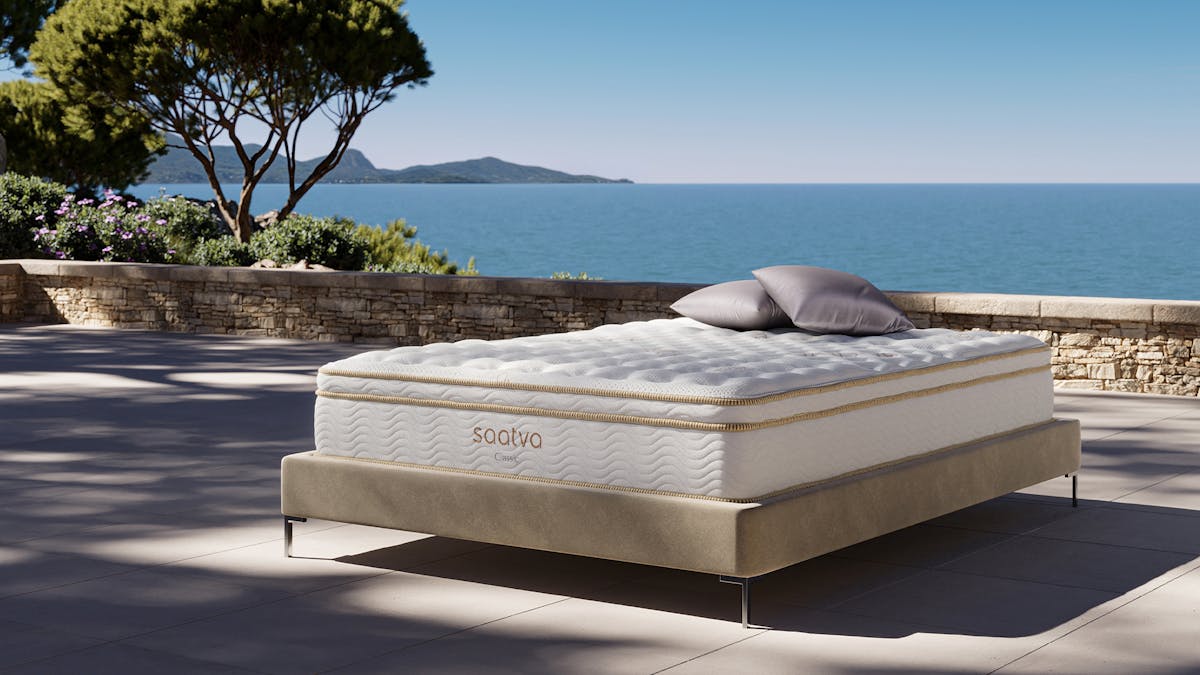
Saatva Classic
9.3/10
- Dual-coil system responds instantly to position changes, zero foam drag when shifting
- Zoned lumbar foam reinforcement keeps the spine neutral in back and stomach positions
- Outstanding edge support (only 2.25" sitting sinkage) so you stay stable anywhere on the bed
- Free white-glove delivery, setup, and old mattress removal included
- 365-night trial and lifetime warranty, the most generous coverage in the category
- More motion transfer than all-foam, not ideal if your partner is a very light sleeper
- $99 return fee applies during the trial window
Combination sleepers wake up mid-position change more often than any other sleeper type. The Saatva Classic's dual-coil construction eliminates that caught-in-foam resistance so repositioning happens on your schedule, not the mattress's. Add the zoned lumbar reinforcement, the best edge support in the category, and a 365-night trial, and you have a luxury innerspring alternative for combination sleepers.
PlushBeds Botanical Bliss
8.9/10
- Natural Dunlop latex is the most responsive material for position changes, springier than any foam
- Configurable firmness (medium or medium-firm) lets combo sleepers dial in the exact feel
- GOLS-certified organic latex and organic cotton cover, no off-gassing
- 25-year warranty is among the longest in the latex category
- Heavy and not roll-packed, delivery requires scheduling
- Premium price point above most foam and hybrid options
For combo sleepers who run hot and want the fastest possible response when shifting positions, natural latex beats coil hybrids and open-cell foam. The Botanical Bliss in Medium is the most consistently recommended organic latex pick for all-position sleepers.
Puffy
8.6/10
- Pressure relief very good across all three sleeping positions
- Motion isolation is strong, a good choice if a partner is a light sleeper
- Lifetime warranty and 101-night trial for risk-free testing
- Sleeps slightly warmer than latex or coil hybrids
- Softer edges than the Saatva Classic or PlushBeds
For couples where one partner is a very light sleeper, the Puffy's motion isolation advantage matters more than latex's repositioning ease. It covers all three positions at medium-firm firmness and backs it with a lifetime warranty.
Sweetnight
8.1/10
- Pocketed coils give decent repositioning responsiveness at a fraction of premium hybrid prices
- Gel memory foam comfort layer handles side sleeping pressure at the hips and shoulders
- Medium-firm feel suits most combo sleeper weight ranges under 230 lb
- Edge support and long-term durability below premium brands
- Not the first choice for heavier sleepers or daily intensive use
For combo sleepers on a tight budget, the Sweetnight hybrid delivers pocketed coil responsiveness and gel foam pressure relief at a price well below the premium picks. Best for guest rooms or sleepers under 230 lb who shift positions occasionally.
What combination sleepers actually need
Combination sleepers shift between back, side, and stomach during the night, which makes them the hardest sleeper type to fit. No single position dominates, so the mattress has to perform adequately in all three rather than being optimized for one.
Three qualities matter above everything else for combo sleepers:
- Responsiveness. A mattress that responds instantly as you move prevents the stuck sensation that wakes you mid-transition. Traditional slow-response memory foam is the worst offender. Latex, open-cell foam like Bio-Pur, and coil hybrids all respond faster.
- Medium firmness. A firmness of 5 to 6 out of 10 is the consensus sweet spot. It cushions hips and shoulders during side sleeping, supports the spine on your back, and resists excessive stomach sinkage.
- Edge support. Combo sleepers drift toward the perimeter when changing positions. A mattress with weak edges creates instability right when you are mid-transition. Hybrids and innersprings outperform all-foam here consistently.
Mattress type breakdown for combo sleepers
| Mattress | Type | Responsiveness | Trial | Queen price |
|---|---|---|---|---|
| Amerisleep AS3 | All-foam (Bio-Pur) | Good (open-cell) | 100 nights | $1,249 (queen) |
| Saatva Classic | Innerspring hybrid | Excellent | 365 nights | $2,229 |
| PlushBeds Botanical Bliss | Natural latex | Best | 100 nights | From $1,999 |
| Puffy | All-foam | Good | 101 nights | From $1,499 |
| Sweetnight | Budget hybrid | Decent | ~100 nights | Under $600 |
Temperature and combination sleeping
Combo sleepers sleep warmer on average. Movement generates body heat that builds up during the night, and dense memory foam traps it. Open-cell foam like Bio-Pur, natural latex, and hybrid coil constructions all vent significantly better.
If you shift positions often and wake up sweating, the foam construction is usually the culprit before the firmness level is. The Saatva Classic's dual-coil system creates natural airflow channels that keep surface temperatures lower than most foam beds, NapLab measured a max surface temp of 89.5 degrees Fahrenheit, among the lowest in the category.
Weight and combo sleeping
Body weight changes the equation for combo sleepers. Sleepers under 130 lb tend to stay near the surface of most mattresses, so almost any medium-firmness bed works. Sleepers between 130 and 230 lb are the target weight for most medium mattresses, and the Saatva Classic and Amerisleep AS3 both cover this range well. Sleepers over 230 lb need a firmer core to prevent excessive sinkage during stomach sleeping. The Saatva Classic in the Firm option handles the extra load better than a medium all-foam build.
Frequently asked questions
What firmness is best for combination sleepers?
Medium to medium-firm (5 to 6 out of 10) is the consensus recommendation. It covers side sleeping for pressure relief at hips and shoulders, back sleeping for neutral spinal alignment, and stomach sleeping for enough resistance to prevent the hips from sinking. Combo sleepers who spend more time on their back or stomach can move toward medium-firm; those who spend more time on their side can stay at medium.
Is memory foam good for combination sleepers?
Traditional slow-response memory foam is generally a poor choice. The slow return rate creates resistance when you shift, which disrupts sleep. Fast-response or open-cell foam like the Amerisleep Bio-Pur is much better. Hybrid mattresses with a coil base and foam comfort layer give the best of both, bouncy repositioning and foam pressure relief.
Can couples with different sleep positions share one mattress?
Medium firmness in a responsive material covers most position combinations. If both partners are combo sleepers, a medium hybrid like the Saatva Classic usually works well. If one is a strict side sleeper and the other a strict stomach sleeper, a split king (two twin XLs with different firmnesses) is the more precise solution.
How long before I know if a mattress works for combo sleeping?
At least 30 days, ideally 60. Your body needs time to adapt to new support geometry, especially after a worn or ill-fitting mattress. Prioritize mattresses with 100-plus night trials. The Saatva Classic gives 365 nights, enough time to confirm the fit across all your sleeping positions through every season.
For combination sleepers, responsive material and medium firmness are the two non-negotiables. The Amerisleep AS3 leads with fast-response Bio-Pur foam in a Medium feel that works across back, side, and stomach positions, backed by a 100-night trial and 20-year warranty. The Saatva Classic is the luxury innerspring alternative, with a dual-coil system, edge support, and a 365-night trial.
This guide is part of our Best Mattress by Sleeping Position hub, compare all the top picks and narrow down your choice there.