
 by
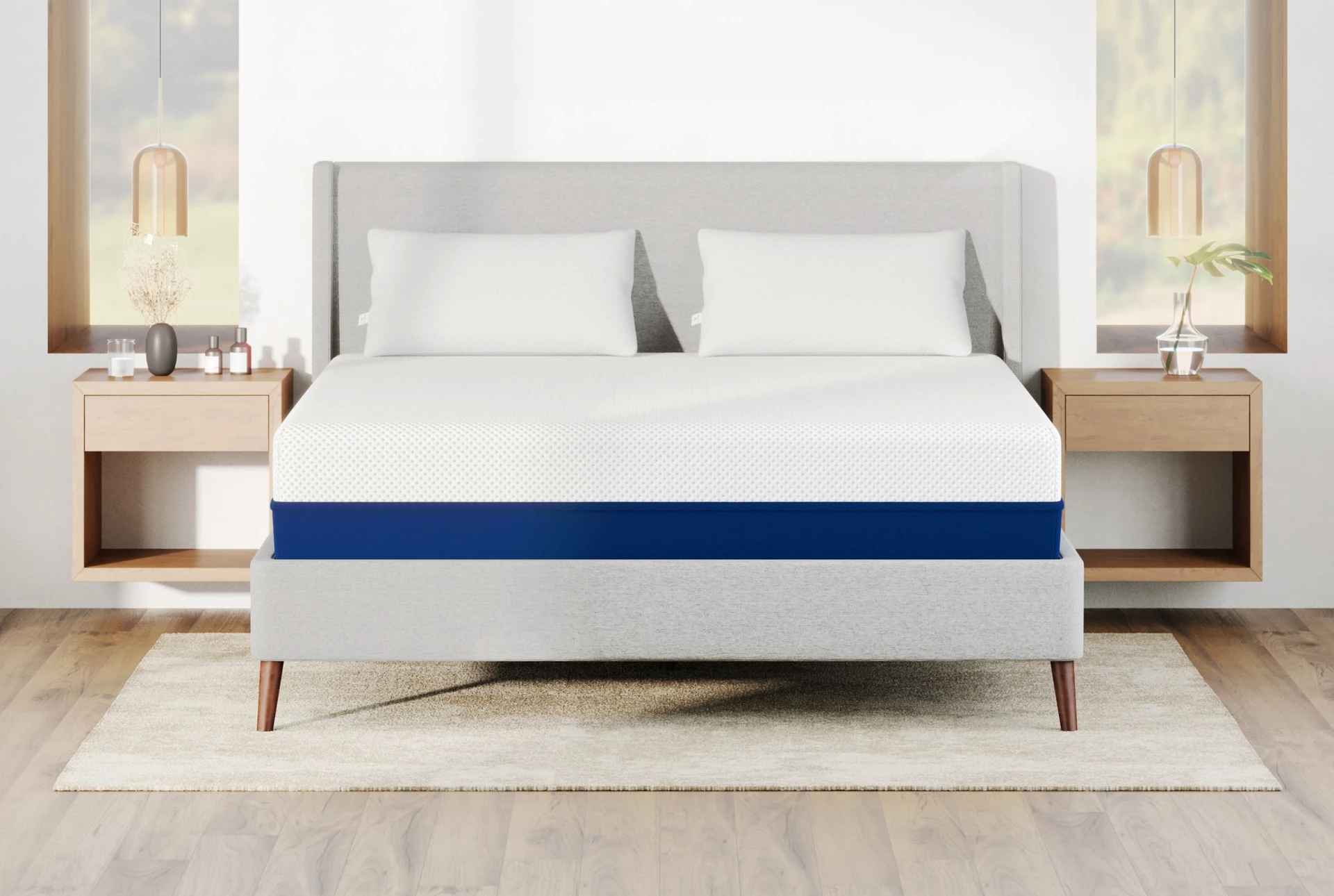
by Our first recommendation for a comfort-focused shortlist with frozen shoulder is the Amerisleep AS3. Check shoulder comfort and whether getting in and out of bed puts unwanted strain on your arm.
Amerisleep AS3
The AS3 is a 12-inch, medium-feel all-foam mattress with Bio-Pur foam and HIVE 5-zone support.
Test the surface and edge with the arm support or pillows you normally use.
Why frozen shoulder wrecks sleep
Frozen shoulder (adhesive capsulitis) is an inflammatory condition in which the joint capsule tightens progressively, leaving the shoulder stiff and painful through most ranges of motion. Sleep is frequently the hardest part: lying down loads the joint, rolling onto the affected side compresses it, and any unexpected movement at night can send pain signals sharp enough to wake you.
The mattress cannot treat the underlying condition; physical therapy and time do that. What the right mattress does is reduce the two main mechanical triggers that interrupt sleep: direct pressure on the joint and transmitted vibration from movement elsewhere on the bed.
What to look for in a mattress for frozen shoulder
| Feature | Why it matters |
|---|---|
| Shoulder-zone pressure relief | A comfort layer that lets the shoulder sink gently rather than meeting resistance reduces direct loading on the inflamed capsule. Zoned designs outperform uniform-firmness beds. |
| Edge support | A firm, stable perimeter lets you sit and rise without pushing off the affected arm, which can be acutely painful in the inflammatory phase. |
| Motion isolation | Partner movement transfers through the mattress as vibration. For a hypersensitive frozen shoulder, even low-amplitude transfer is enough to cause pain. |
| Medium firmness (5-6/10) | Soft enough for the shoulder to settle; firm enough to keep the torso supported so you don't roll onto the bad side by accident. |
| Trial length | Frozen shoulder recovery can take months. A 100-night minimum gives you time to test properly across the full range of symptoms. |
Best mattresses for frozen shoulder (tested)
| Mattress | Type | Firmness | Shoulder relief | Trial | Queen |
|---|---|---|---|---|---|
| Amerisleep AS3 | All-foam, Bio-Pur + HIVE zoning | Medium | Medium foam feel with HIVE zoning | 100 nights | $1,249 (queen) |
| Saatva Classic | Innerspring hybrid | Plush Soft or Lux Firm | Excellent, Euro pillow top + edge support | 365 nights | $2,229 |
| Puffy Lux | All-foam | Medium 5/10 | Very good, cloud-like pressure relief | 101 nights | ~$1,499 |
Saatva Classic
8.8/10
- Euro pillow top cushions the shoulder on contact, letting the frozen joint settle without hard resistance
- Outstanding edge support (10/10 NapLab), sit and rise without pushing off the painful arm
- Plush Soft option adds more give for the acute inflammatory phase when pressure is the main complaint
- Free white-glove delivery with setup and old-mattress removal, 365-night trial, lifetime warranty
- Moderate motion isolation, coil construction transfers more partner movement than all-foam
- $99 return fee applies during the trial
- Heavy, does not compress-ship; white-glove delivery required
For frozen shoulder, edge support for pain-free mobility and a long trial are both critical. The Saatva Classic delivers on both, with a Euro pillow top that cushions the joint on contact and a 365-night window that covers the full recovery arc.
Puffy Lux
8.5/10
- Climate-adaptive foam delivers consistent shoulder pressure relief without heat buildup
- Strong motion isolation for co-sleepers sharing a bed during recovery
- Lifetime warranty and 101-night trial
- Less shoulder-specific zoning than the AS3's HIVE layer
- Edge support is softer than the Saatva
The Puffy Lux offers a notably plush pressure-relief profile that works well for frozen shoulder sufferers who want a cloud-like cradle without the responsiveness of coils.
Sleep position tips with frozen shoulder
Position matters as much as the mattress itself. A few adjustments that consistently reduce nighttime shoulder pain:
- Sleep on the healthy side or your back. Both positions keep direct weight off the frozen joint. Back sleeping is often easiest in the acute phase.
- Support the affected arm. When side-sleeping on the good side, prop the frozen-shoulder arm on a pillow in front of you at roughly shoulder height. This takes the rotator cuff out of the stretched position that causes pain mid-sleep.
- Prevent backward roll. Back sleepers sometimes find the shoulder rolls toward the mattress. A thin pillow tucked under the elbow of the bad arm stops this without restricting circulation.
- Avoid sleeping on the affected side in the inflammatory phase. Direct compression in the early stages is reliably the most painful position. A supportive mattress with medium firmness helps enforce this naturally.
Foam vs hybrid for frozen shoulder
The foam vs hybrid choice comes down to motion isolation vs edge support and feel:
- Coil hybrid (Saatva Classic): More responsive feel, significantly better edge support for safer sit-and-rise movements, better airflow. Trade-off: coil construction transfers slightly more partner movement than all-foam.
- All-foam (AS3): Best motion isolation in the category, the primary mechanical argument for frozen shoulder when sharing a bed with a restless partner. Trade-off: average edge support.
If mobility and pain-free getting in and out of bed is your priority, the Saatva's edge support and 365-night trial are the stronger package. If you share a bed with a very restless partner and motion isolation is paramount, the AS3's absorption profile is the more defensible choice during recovery.
Our first choice is the Amerisleep AS3. Keep the AS3 first on your list if you want medium foam. Check both overnight comfort and the effort needed to sit up.
Frequently asked questions
What firmness is best for frozen shoulder?
Medium to medium-firm (5-6 out of 10) is the practical sweet spot. Soft enough for the shoulder to settle without resisting the joint; firm enough to keep the torso from sinking so deeply that you roll onto the bad side. The Saatva Classic in Luxury Firm or Plush Soft both work depending on your sensitivity level.
Does a mattress help frozen shoulder pain at night?
When comparing beds, pay attention to shoulder pressure and whether a partner moving disturbs you. Use your usual arm support and pillows during the trial.
Is memory foam or innerspring better for frozen shoulder?
It depends on your priority. Memory foam with a zoned design (like the AS3's HIVE layer) offers the best motion isolation. Innerspring hybrids (like the Saatva Classic) offer better edge support for easier getting in and out of bed, which is a daily necessity during frozen shoulder recovery.
How long should I trial a mattress for frozen shoulder?
At least 60 nights, ideally 100 or more. Frozen shoulder recovery takes months, and your sleep position needs can change as the joint loosens. The Saatva's 365-night trial gives you substantially more runway than any other option in this category.
Saatva Classic
9.2/10
Dual-coil innerspring with Euro pillow top, outstanding edge support for pain-free mobility, 365-night trial covering the full recovery arc. An innerspring alternative for sleepers who prioritize edge support.