
 by
by Quick answer: For RA, I’d start with Saatva Classic for a balanced, broadly useful option, then consider Puffy Lux for a foam-focused feel or ClimateCool® if temperature control is your priority.
- RA comfort needs can shift with sleep position, body weight, and symptom severity.
- Arthritis buying guides consistently emphasize pressure relief paired with steady spinal support.
- A sleep trial and warranty matter because comfort preferences can change over time.
Updated July 2026 · Reviewed for accuracy
OUR VERDICT
For best mattress for ra, the Saatva Classic is the pick we’d order first — every product below has real strengths, and the full comparison shows exactly why this one comes out on top.
OUR #1 PICK OF 3 COMPARED · UP TO $625 OFF
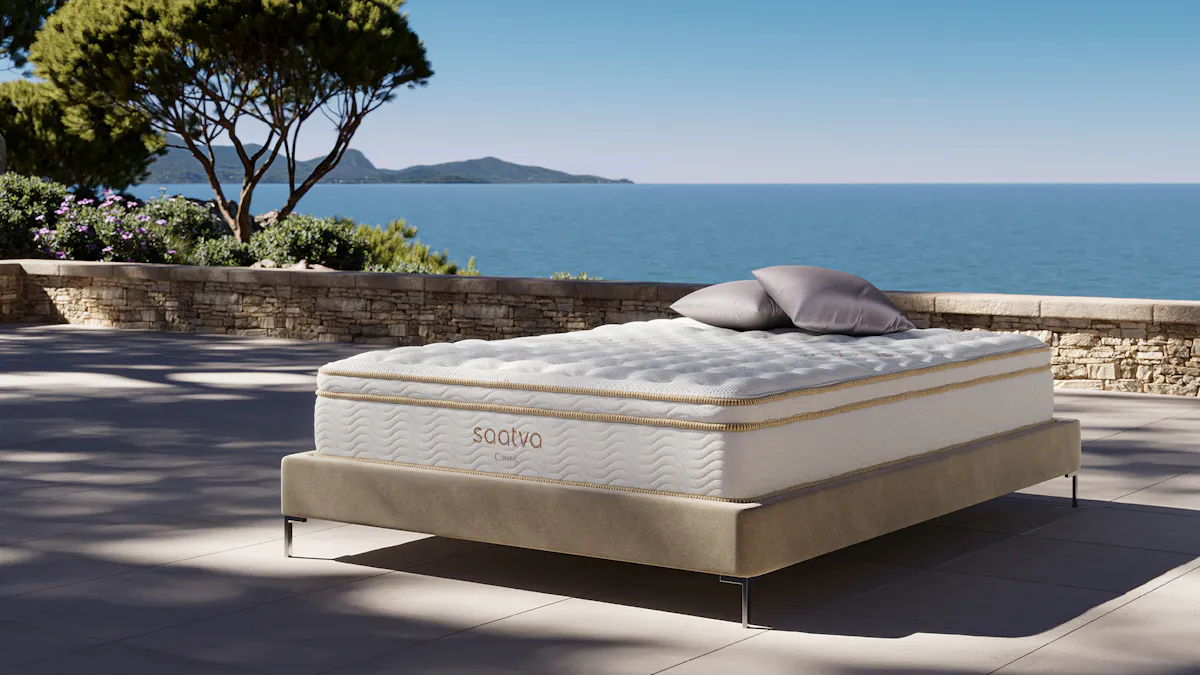
Saatva Classic
- My Best Mattress for RA Recommendations Saatva Classic is my starting point here because it is the sitewide default recommendation in the product catalog.
- Our #1 pick of the 3 products compared on this page
- Order direct from the brand — current price, trial and warranty terms are on the official product page
Our top 3 picks compared

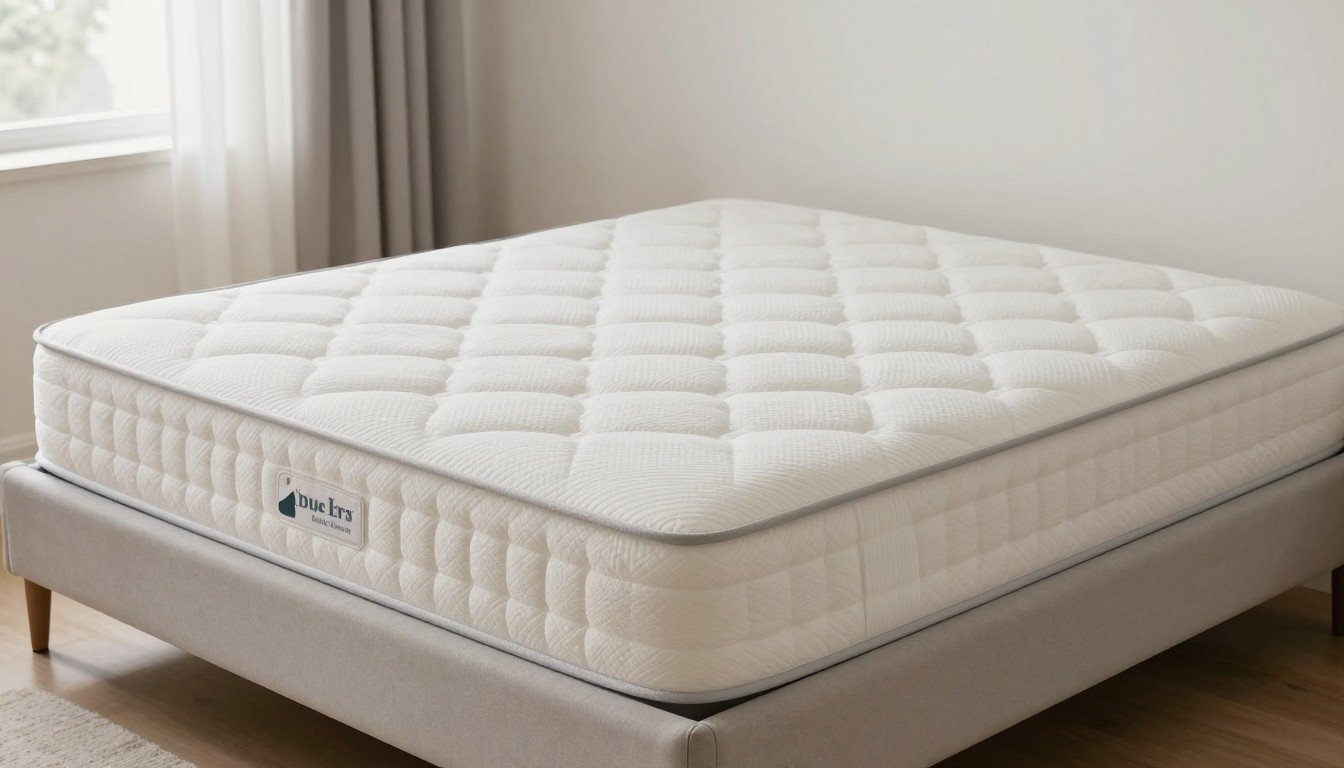
The best mattress for RA isn’t the softest one in the room. I’d favor a mattress that lets sensitive areas settle in without leaving your midsection unsupported. That balance is the whole job.
The arthritis-focused guidance in How to Choose the Best Mattress for RA Pain Relief points toward pressure-relieving comfort materials combined with a supportive core. The more recent roundups, Best Mattresses for Arthritis 2026 and Best Mattress for Rheumatoid Arthritis 2026, reach the same basic conclusion: comfort is personal, so the construction and the return policy both deserve close attention.
My Best Mattress for RA Recommendations
Saatva Classic is my starting point here because it is the sitewide default recommendation in the product catalog. For someone shopping around RA-related comfort concerns, that makes it the broadest first option rather than a narrowly specialized choice.
Puffy Lux is the foam-focused alternative in this group. The product catalog identifies it as the default Puffy recommendation, so I’d put it on the shortlist for shoppers who already know they prefer the closer, more enveloping character often associated with foam.
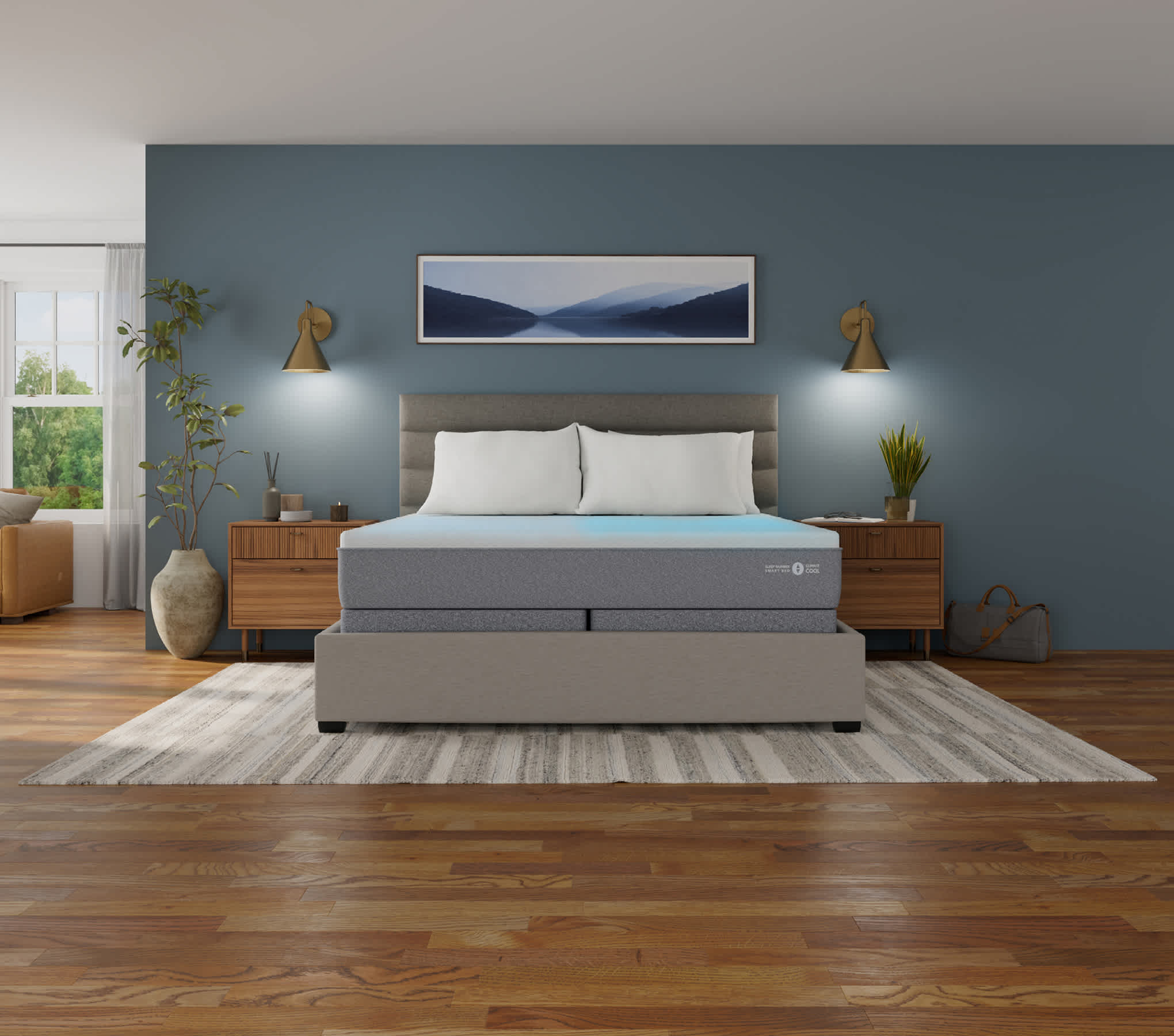
ClimateCool® is the temperature-control choice, positioned in the luxury tier in the product catalog. I’d reserve it for shoppers whose mattress decision is strongly shaped by sleeping warm, rather than treating cooling as an automatic substitute for the support and pressure-relief balance discussed in RA buying guides.
The Nut’s take: Don’t buy a mattress merely because it is marketed for joint comfort. Start with your sleeping position and the places where you feel pressure, then judge whether the mattress has a credible balance of cushioning and stability.
Why RA Changes the Mattress Decision
RA can make a small mismatch in comfort feel much bigger at bedtime. The guidance in How to Choose the Best Mattress for RA Pain Relief notes that pressure relief around sensitive joints and spinal alignment are both central considerations. I agree with that framework because a mattress has to do two different jobs at once: ease harsh contact at the surface and keep the body from sagging into an awkward shape.
That does not mean there is one correct feel for every person with RA. Best Mattress for Rheumatoid Arthritis 2026 notes that response can vary with symptom severity, body weight, and sleep position. A side sleeper may focus more on shoulder and hip cushioning. A back sleeper may notice sooner if the lumbar area is not held evenly. A combination sleeper needs a surface that remains tolerable across those changes.
I would not treat a mattress as medical care or promise that any model will address RA symptoms. A mattress is a comfort surface. Its useful role is simpler: reduce obvious pressure points, maintain a steadier sleeping posture, and give you enough time to decide whether the feel suits your nightly routine.
That last point matters more than shoppers sometimes realize. The current arthritis mattress roundups recommend paying attention to trial periods and warranty coverage because needs may evolve. Read the official terms before ordering, especially the return conditions, setup rules, and any requirements for keeping the mattress clean and supported.
What Construction Details Matter Most
A supportive core is the foundation. The RA guidance from How to Choose the Best Mattress for RA Pain Relief highlights the value of support beneath pressure-relieving materials, and that is the construction principle I’d keep front of mind. Comfort layers can feel pleasant in a showroom or during the first few nights. The underlying support is what determines whether that softness remains usable after your body settles in.
Look for a design that separates cushioning from support. In plain English, you want enough give at the top to avoid a hard, abrupt contact point, with a more stable structure underneath. The source material identifies zoned support, contouring materials, and coil-based or foam-based comfort systems as features shoppers commonly consider for arthritis-related comfort.
Firmness should be treated as a range, not a magic label. According to Best Mattresses for Arthritis 2026, many shoppers with arthritis concerns gravitate toward medium to medium-firm support paired with a softer comfort layer. That makes sense as a shopping direction, but it is not a prescription. “Medium” can feel very different across brands and constructions.
Construction checklist:
- Start with support underneath, not plushness on top.
- Look for contouring that does not let your torso sink too far.
- Consider breathable materials if heat affects your sleep comfort.
- Use the trial period to assess your usual sleeping positions, not just one.
How the Three Options Differ
| Mattress | Best fit in this roundup | What I’d weigh carefully |
|---|---|---|
| Saatva Classic | The broad starting point, based on its sitewide default-recommendation status in the catalog. | Whether its overall feel matches your preferred sleep position and pressure sensitivity. |
| Puffy Lux | A foam-oriented alternative for shoppers who prefer that style of comfort. | Whether you like a closer-contouring feel rather than a more responsive surface. |
| ClimateCool® | The temperature-control option for shoppers who put cooling high on the list. | Whether its luxury positioning fits your budget and whether cooling is truly a priority. |
The table is intentionally narrow. I won’t invent layer counts, foam densities, coil specifications, or performance scores that are not verified here. Those details can matter, especially for long-term durability, but they should come from the manufacturer’s current product page and policy documents before you make a final call.
For a wider sense of how mattress categories differ, see our guide to what makes a mattress the best fit. The useful question is not which label sounds most luxurious. It is which construction and feel give you the least compromise in your normal sleeping position.
Choose Based on Your Main Sleep Friction
If your biggest concern is finding a broadly applicable starting point, Saatva Classic is where I’d begin. Its catalog role is not proof that it will suit every RA sleeper, but it does make it the cleanest first comparison in this tightly curated group.
If you consistently prefer a foam mattress, Puffy Lux is the more logical branch of the decision. Don’t assume foam is automatically softer or more pressure-relieving in every case. Read the current product description, then use the trial period to decide whether the feel works for your shoulders, hips, lower back, and movement through the night.
If overheating is a regular source of sleep discomfort, ClimateCool® deserves the closer look. Temperature control can improve the overall sleep environment, but I would still rank alignment and pressure distribution ahead of any cooling feature. A cooler mattress that leaves you poorly supported has missed the larger assignment.
Shopping timing may also affect how much comparison work you can do before ordering. Our guide to the best time to buy a mattress can help you plan the process without letting a temporary offer rush an otherwise careful decision.
Skip the false shortcut: “Orthopedic,” “cooling,” and “plush” are not enough on their own. Read the current construction details, confirm the trial terms, and think about how you actually sleep.
How I’d Evaluate the Trial Period
Use the first stretch of ownership as an observation period, not a pass-or-fail test after one uncomfortable night. According to the arthritis-focused source material, RA comfort can vary from night to night, so your evaluation should include your usual positions and your normal bedtime routine.
Keep notes on simple, practical questions. Did you feel concentrated pressure at the shoulder or hip? Did you wake up feeling like your midsection had dropped lower than the rest of you? Did changing positions feel easy enough? Those are comfort observations, not medical outcomes, and they are more useful than trying to judge a mattress by its marketing language.
Check the manufacturer’s current trial and warranty terms before placing an order. The source material flags both as key shopping considerations, particularly because changing needs can make a flexible return process and durable coverage more valuable over time. Also verify the required foundation and any return-related conditions.
If you are replacing an older bed, our guide on where to buy the best mattress can help you compare the practical parts of the purchase, including the importance of reading policies directly rather than relying on a headline claim.
How I Chose These Recommendations
This roundup is deliberately limited to Saatva Classic, Puffy Lux, and ClimateCool® because those are the designated products for this page. I considered each one through the RA shopping priorities identified in Best Mattresses for Arthritis 2026, Best Mattress for Rheumatoid Arthritis 2026, and How to Choose the Best Mattress for RA Pain Relief: pressure relief, steady support, temperature considerations, position flexibility, and policy terms.
I gave Saatva Classic the lead position because the catalog identifies it as the sitewide default recommendation. I included Puffy Lux as the designated Puffy option for shoppers seeking a foam-based alternative. I included ClimateCool® as the designated temperature-control mattress for shoppers willing to consider a luxury-tier option.
There is no universal winner for RA. The sources themselves stress that personal comfort varies. My verdict is therefore practical rather than absolute: begin with the broadest match, narrow based on the type of feel you prefer, and read the live product and policy details before committing.
FAQ
What mattress firmness is best for RA?
Arthritis-focused guidance commonly points toward medium to medium-firm support with enough cushioning at the surface, according to Best Mattresses for Arthritis 2026. The right choice still depends on your sleep position, body weight, and how sensitive you are to pressure.
Is a softer mattress always better for rheumatoid arthritis?
No. How to Choose the Best Mattress for RA Pain Relief emphasizes both pressure relief and support. Too much softness can leave the torso insufficiently supported, which is why I’d look for balanced cushioning rather than softness alone.
Should I choose foam, coils, or a cooling mattress?
Choose based on the issue you are trying to solve. Puffy Lux is the foam-oriented option in this roundup, while ClimateCool® is the temperature-control option. Saatva Classic is the broad starting point, based on its designated catalog role.
Do mattress trials matter for people with RA?
Yes, the source material identifies trials as especially useful because comfort needs can vary over time. Read the manufacturer’s current terms carefully and assess the mattress across your normal sleep positions before deciding whether to keep it.
Can a mattress treat rheumatoid arthritis?
No mattress should be presented as treatment for RA. A mattress can only support sleep comfort by helping manage pressure, posture, and temperature preferences, while medical questions belong with a qualified clinician.
FINAL VERDICT
Of the 3 products compared for best mattress for ra, the Saatva Classic ranks first. The cards above show where each alternative fits; confirm current dimensions and terms on its product page.
Saatva Classic