 by
by Quick answer: A Sleep Number bed that keeps deflating on one side needs troubleshooting before replacement. Check whether it is a temporary pressure change, then use Sleep Number’s support steps for an uneven or persistently soft side.
- Sleep Number says body weight can leave a temporary impression at lower settings.
- Responsive Air can make one side feel softer after a sleeper moves.
- Two separate air chambers can make a persistent side-to-side difference more noticeable.
Updated July 2026 · Reviewed for accuracy
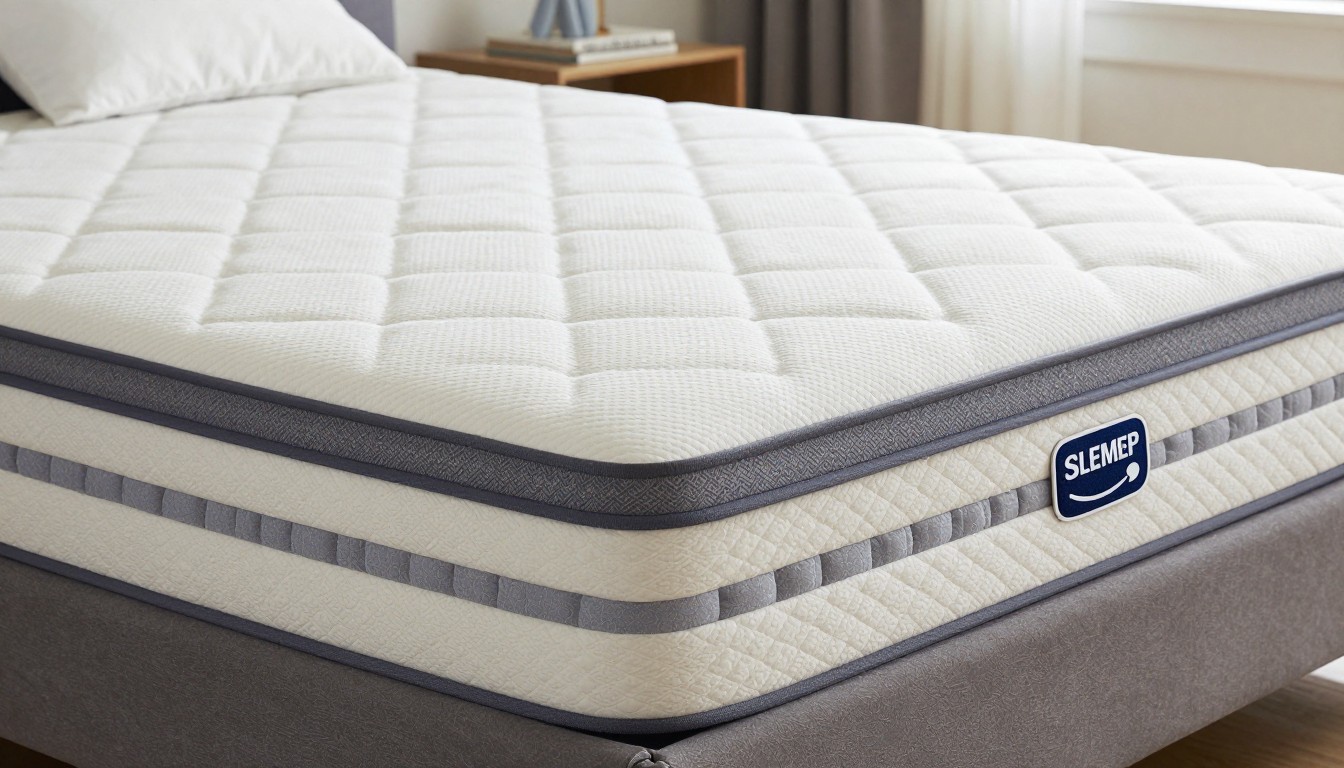
If your Sleep Number bed keeps deflating on one side, don’t assume the mattress has failed. My first read is simpler: determine whether you are feeling a normal air-pressure adjustment or a side that will not hold its chosen setting. Those are different problems, and treating them as the same one wastes time.
Sleep Number’s own support guidance says that your body displaces air in the chamber while you sleep. At a lower Sleep Number setting, that can leave an impression or make one side appear lower. Its Responsive Air guidance also says a bed can feel softer when one person gets up or rolls onto the other side. That is not the same as a chamber repeatedly losing firmness while nobody is on it.
The practical dividing line is persistence. If the side recovers after adjustment or after the bed completes its response cycle, start with the normal-behavior explanation. If it repeatedly returns to a softer state after you reset it, use the manufacturer’s troubleshooting path and document what happens. An air bed is a system, not just a mattress, so the chamber, hose connections, pump behavior, and settings all matter.
First, separate a soft-feeling side from a deflating side
A mattress can look uneven without actually leaking air. Sleep Number says a sleeper’s body can displace air in the chamber and leave an impression, particularly at a lower setting. That detail matters because a visual dip after sleep is evidence of pressure shifting under a body, not proof that the bed has a mechanical fault.
What I’d watch is whether the side returns to its intended feel after you get out of bed and make an adjustment. A one-time soft spot that changes with position is different from a side that repeatedly ends up softer after being reset. The first can fit the behavior Sleep Number describes. The second deserves a deliberate support check.
The Nut’s rule: Don’t judge the bed while one sleeper is lying on it. Check each side after the bed is unoccupied, then compare what happens after you reset the setting and give the system time to respond.
Sleepopolis notes that most Sleep Number beds use separate air chambers so each partner can choose a different firmness. That construction is useful for couples with different preferences, but it also makes an imbalance obvious. One person can be comfortable while the other feels like their side has gone flat, even though the core issue may be isolated to a single chamber or its adjustment behavior.
A noticeable middle dip can add to the confusion. Sleepopolis says a pronounced difference between the two sides can make the bed feel uneven and susceptible to sagging in the middle. I would not call every center dip a defect, but I would take it seriously if it appears alongside a side that will not retain its setting.
Responsive Air may explain a temporary change in feel
Sleep Number’s Responsive Air support page gives a very specific scenario: the bed may feel softer than usual when one person leaves the bed or rolls onto the other side. The brand says you can adjust your setting through the app or remote, or wait for Responsive Air to make its next adjustment.
That means a perceived loss of firmness is not always a literal loss of air from one chamber. The system is responding to changing weight distribution. If the softness shows up mainly during movement, after a partner gets up, or during the transition from two sleepers to one, this explanation fits better than a persistent deflation problem.
I’d keep the test simple. Set the side to the desired comfort setting, leave the bed unoccupied, and observe whether it settles back as expected. Then note whether the problem returns only with movement or also while the side is empty. Clear notes give Sleep Number support something useful to work with, rather than the vague but common report that the bed “feels wrong.”
What points toward normal adjustment:
- The side feels different mainly as a partner moves or gets out of bed.
- The setting can be adjusted through the app or remote.
- The bed regains its expected feel after its response cycle.
What does not fit that explanation is a side that remains lower after the bed has had time to adjust and no one is lying on it. Sleep Number’s troubleshooting guidance is the authority there. Follow the current instructions for an uneven, sagging, lumpy, or lower side rather than improvising a repair.
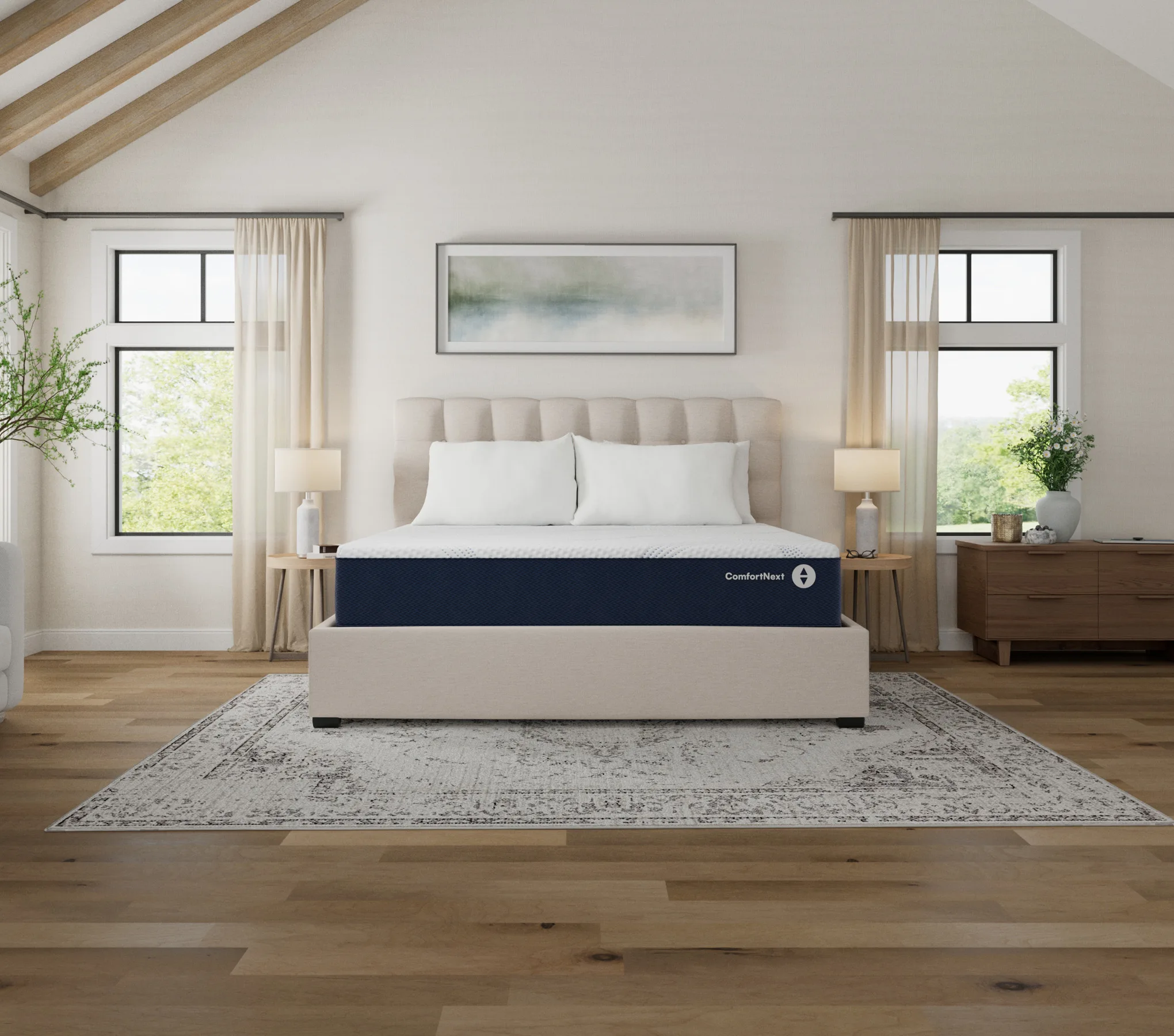
Comparing options? The ComfortNext™ is the pick we keep coming back to — see the final verdict ↓
A persistent low side calls for a methodical check
Sleep Number’s support article on misshapen mattresses specifically addresses beds that look uneven, sagging, lumpy, or lower on one side. That is the right starting point if your bed appears visibly tilted, not just softer during the night. Use the brand’s current checks in the sequence it provides.
I would begin by ruling out the things the bed’s own system can explain: lower comfort settings, body impressions, and temporary response behavior. Then move to the physical components named in the manufacturer’s troubleshooting process. Do not force a connection, puncture a cover, or attempt a home repair that the brand does not instruct you to make. A rushed fix can turn a service issue into a harder warranty conversation.
It is also worth separating the feeling of the comfort layers from the chamber underneath. A pressure-relieving top can hold an impression after you get up. That can feel like the support has vanished, even if the chamber has not materially changed. Sleep Number’s own explanation of air displacement is why I would inspect the pattern over time instead of judging the mattress from one morning.
If the same side repeatedly drops after every reset, record the side affected, the settings used, whether the bed was occupied, and whether the issue followed movement or occurred while vacant. Then contact Sleep Number using its current support route. A repeatable description is stronger than a general complaint and keeps the discussion focused on the actual behavior.
Why one-sided deflation feels worse on an adjustable air bed
Separate chambers are the core reason this problem is so frustrating. In a conventional one-piece mattress, both sleepers share the same support surface. On a dual-chamber bed, each side can behave independently. That is the feature people buy, but it also means one faulty or inconsistent side can create a sharp contrast across the bed.
Sleepopolis describes the side-to-side firmness mismatch as a potential source of an uneven feel and a middle sag sensation. I agree with the construction logic. If one chamber maintains a higher setting while the other feels softer, the sleeper does not experience one broad mattress surface. They experience two support zones at different levels.
For couples, this can create a false diagnosis. The firmer-side sleeper may think the softer-side sleeper simply prefers a different setting. The softer-side sleeper may think the bed is failing. The useful question is not whether the sides feel identical, because they are designed to be independently adjustable. The useful question is whether the affected side reliably holds the setting chosen for it.
| What you notice | Most sensible next move |
|---|---|
| A temporary softer feel after a partner moves | Use the app or remote, or wait for Responsive Air, per Sleep Number’s guidance. |
| An impression after sleeping at a lower setting | Check the bed while unoccupied and review Sleep Number’s guidance on body-displaced air. |
| The same side repeatedly remains lower after adjustment | Follow the manufacturer’s current troubleshooting steps and contact support with documented symptoms. |
Don’t confuse the Sleep Number setting with structural support
The adjustable setting is only one part of how the bed feels. A lower setting allows more give, and Sleep Number says that can make a body impression more apparent. That is a comfort choice, not automatically a sign of lost support.
Still, I would not dismiss every complaint as a preference issue. The key is repeatability. If one side needs constant correction while the other remains stable, that is a meaningful pattern. If both sides feel different only as sleeping positions change, that may fit the behavior described in Sleep Number’s Responsive Air guidance.
Sleep Number’s approach is different from a traditional foam or coil mattress because firmness is tied to an air system. That gives you personal adjustment, but it also adds components that deserve troubleshooting when the feel changes. Mattress Clarity’s Sleep Number review discusses the brand’s adjustable-bed concept and model range, which is useful background if you are deciding whether the system suits your sleep habits.
For readers comparing broader designs, my Tempur-Pedic versus Sleep Number comparison explains the practical difference between pressure relief from conventional mattress materials and an adjustable air-chamber approach. Neither construction is automatically better. The better choice is the one whose trade-offs you can live with over time.
A sensible escalation point: If the bed keeps returning to a visibly lower or softer state after you reset it and leave it unoccupied, stop treating it as a nightly comfort tweak. Treat it as a support issue that needs the manufacturer’s troubleshooting process.
What I’d do before deciding whether to keep the bed
Start with the official support steps, not a replacement search. Sleep Number already distinguishes between body-related impressions, uneven appearance, and Responsive Air behavior. Those distinctions can save you from replacing a bed over an issue that is actually expected system behavior.
Next, check the terms that apply to your exact purchase. The details can vary by product and purchase timing, so use the current documentation rather than relying on a forum post or a generic summary. My guide to the Sleep Number warranty can help you understand the questions to ask before you contact the brand.
If you are still shopping rather than troubleshooting a bed you already own, prioritize the construction you want to maintain. An adjustable air design offers individual setting control. A more conventional mattress design removes the air-system variable. The right answer depends on whether personalized firmness is worth the extra complexity to you.
ComfortNext™ is worth considering only as an alternative within Sleep Number’s current mattress collection, after you have checked its official product details and the terms that apply at purchase. I would not use a new purchase to dodge a service issue before first establishing whether your current bed’s behavior is temporary adjustment or a repeatable fault.
My verdict on a Sleep Number bed deflating on one side
A Sleep Number bed that only feels softer during movement may be doing what the brand says Responsive Air can do. A side that remains lower after adjustment, while unoccupied, is different. That is the point where I would use Sleep Number’s misshapen-mattress troubleshooting guidance and contact support with clear observations.
Don’t let a morning impression alone convince you the chamber is failing. Sleep Number says body weight can displace air and leave an impression, especially at a lower setting. But don’t let that explanation erase a recurring pattern either. A single side that will not hold its chosen feel needs attention.
My bottom line is plain: troubleshoot first, document the pattern, then decide. If you value independently adjustable firmness, the system’s behavior is worth understanding. If you want the simplest possible ownership experience, an air-chamber design may not be your preferred long-term fit.
FAQ
Why does my Sleep Number bed look lower on one side?
Sleep Number says body weight displaces air in the chamber, which can leave an impression where you sleep. The effect can be more visible at a lower setting. Check the bed while it is unoccupied before treating the appearance as a mechanical problem.
Can Responsive Air make one side feel like it is deflating?
Yes, Sleep Number says the bed can feel softer when a partner gets up or moves to the other side. You can adjust the setting through the app or remote, or wait for Responsive Air to make its next adjustment, according to the brand’s support guidance.
How do I know whether the side is actually losing firmness?
Look for a repeatable pattern after resetting the side and leaving the bed unoccupied. If it repeatedly returns to a lower or softer state rather than recovering after the system responds, follow Sleep Number’s current troubleshooting instructions and contact support.
Can different settings on each side cause a middle dip?
Separate air chambers are designed to let partners use different settings. Sleepopolis says a significant firmness difference can make the bed feel uneven and can contribute to a sagging sensation in the middle. The question is whether each side reliably holds the setting selected for it.
Should I replace the mattress if one side keeps going soft?
Not before using the manufacturer’s support process. Sleep Number provides guidance for uneven, sagging, lumpy, or lower sides, and it also explains situations where pressure changes are expected. Establish the cause first, then make a replacement decision based on the result.
FINAL VERDICT
Before you settle: if sleep number bed keeps deflating on one side is what brought you here, the ComfortNext™ is the value pick on this page — check its current price, trial and warranty terms on the official product page. Confirm current price, dimensions and terms on the official product page before ordering.
OUR CATEGORY-MATCHED PICK
ComfortNext™
- See the product page for full specs and current pricing